





 Portuguese
  English
  Spanish
  3 min of reading
  0 comments


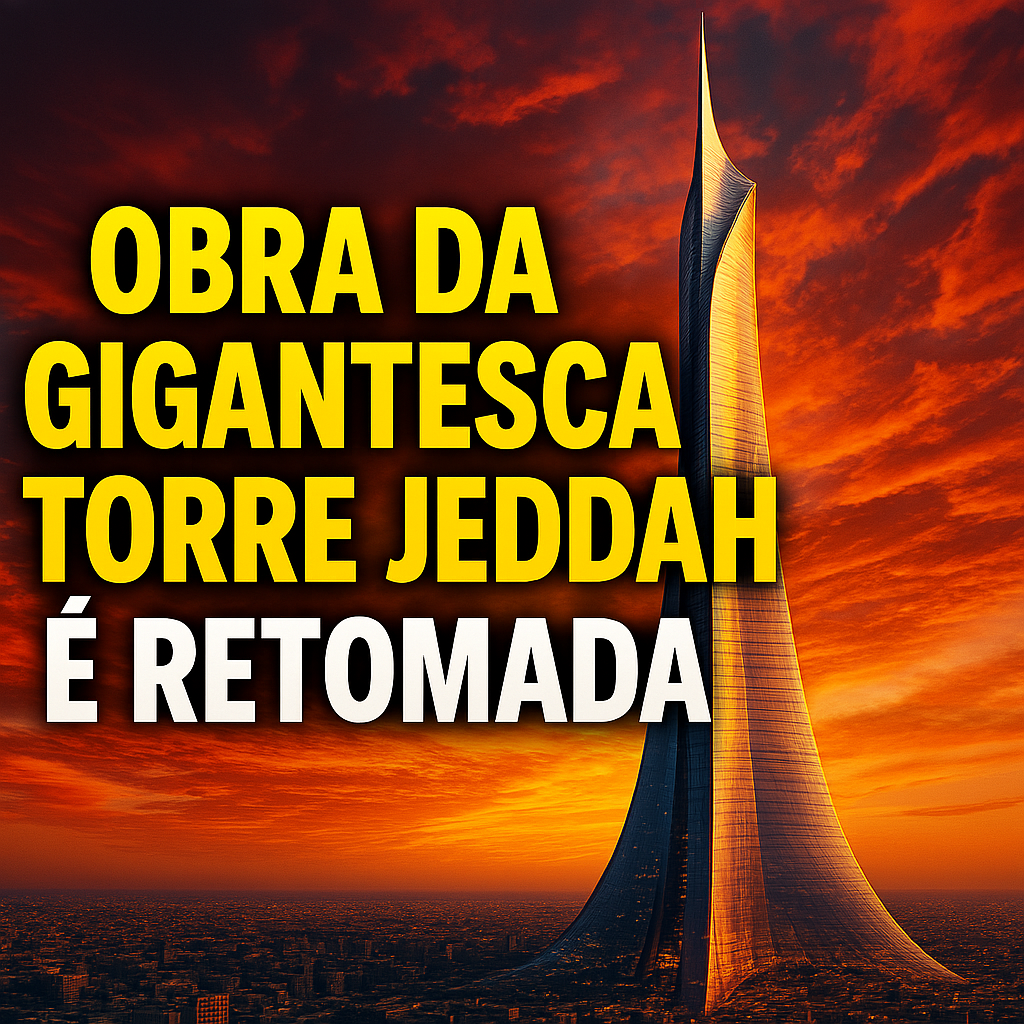
After A Long Period Of Stagnation, The Jeddah Tower Project, At Over 1 Km High, Was Resumed At The End Of September This Year. Renowned Companies Such As Swedish Skanska And The Korean Subsidiary Of Samsung Were Approached To Continue The Works. Even With The Restart, Experts Question Whether The Technical Challenge Of The World’s Tallest Tower Is Really Viable.
When The Jeddah Tower Construction Began In June 2013, The World Watched With Anticipation The Promise Of Erecting A Never-Before-Seen Building. At Over 1 Km Tall, The Tower In The Port City Of Jeddah, Saudi Arabia, Aims To Break The Record Of The Current Height Champion, The Burj Khalifa In Dubai.
After Years Of Interruption, And Growing Doubts About Its Viability, In September 2024 Various International Outlets Announced The Resumption Of The Project. The Swedish Giant Skanska And The Korean Subsidiary Of Samsung Engineering And Construction Would Be Among Those Responsible For Continuing The Operations Of This Mega Structure.
Technical Challenges Of The World’s Tallest Tower In Jeddah
Building A Skyscraper Over 1 Km Requires Overcoming Numerous Technical Challenges. Structural Stability, For Example, Becomes Critical As Height Increases, Amplifying Risks Such As Strong Winds And Pressure On The Building’s Base.
-
The largest marina in Southern Brazil invests R$ 100 million in a giant nautical shopping center with almost 40,000 m² and accelerates the transformation of Itajaí into one of the biggest maritime tourism powerhouses in the country.

-
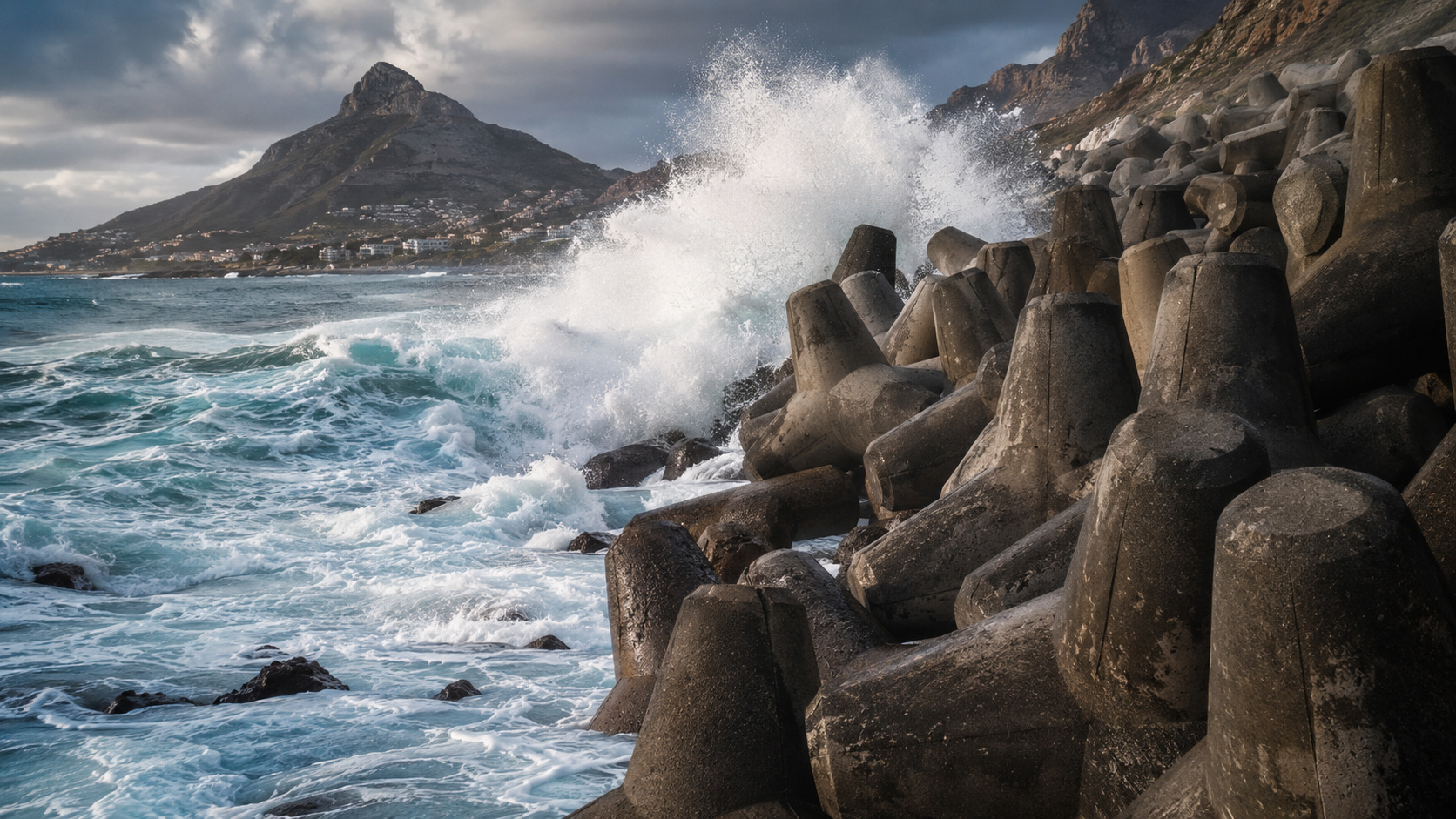
South Africa created giant concrete blocks in the shape of a twisted “H” that reached 30 tons and became a global shield against destructive waves; dolosse were born after a storm devastated the port of East London in 1963 and today protect ports, beaches, and breakwaters on various continents.

-
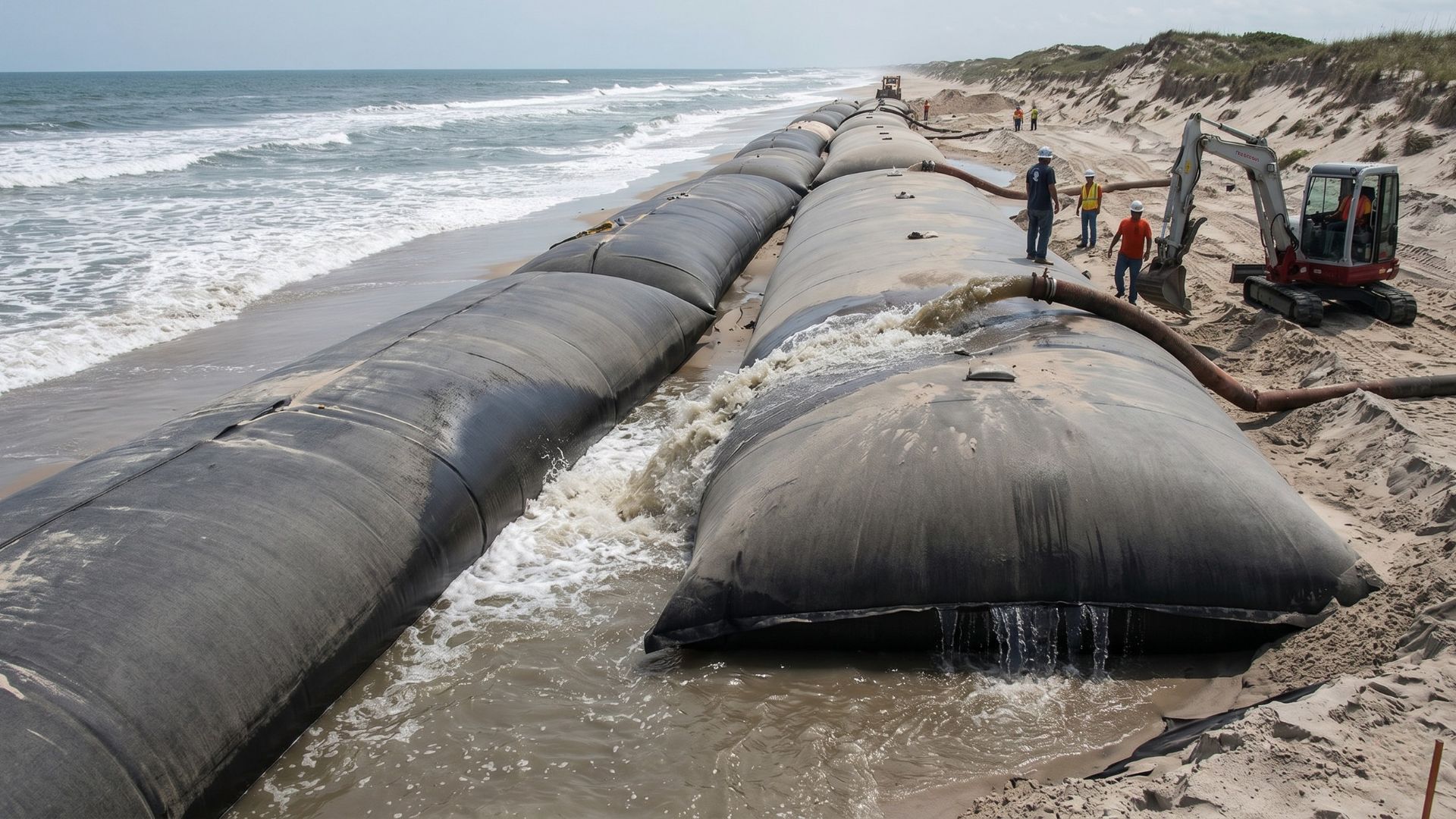
Giant geotextile bags filled with sand have become flexible barriers against erosion in America, Europe, Asia, and Oceania; the technology replaces tons of concrete and rock with permeable tubes that dissipate waves and protect beaches, dunes, and riverbanks.
-
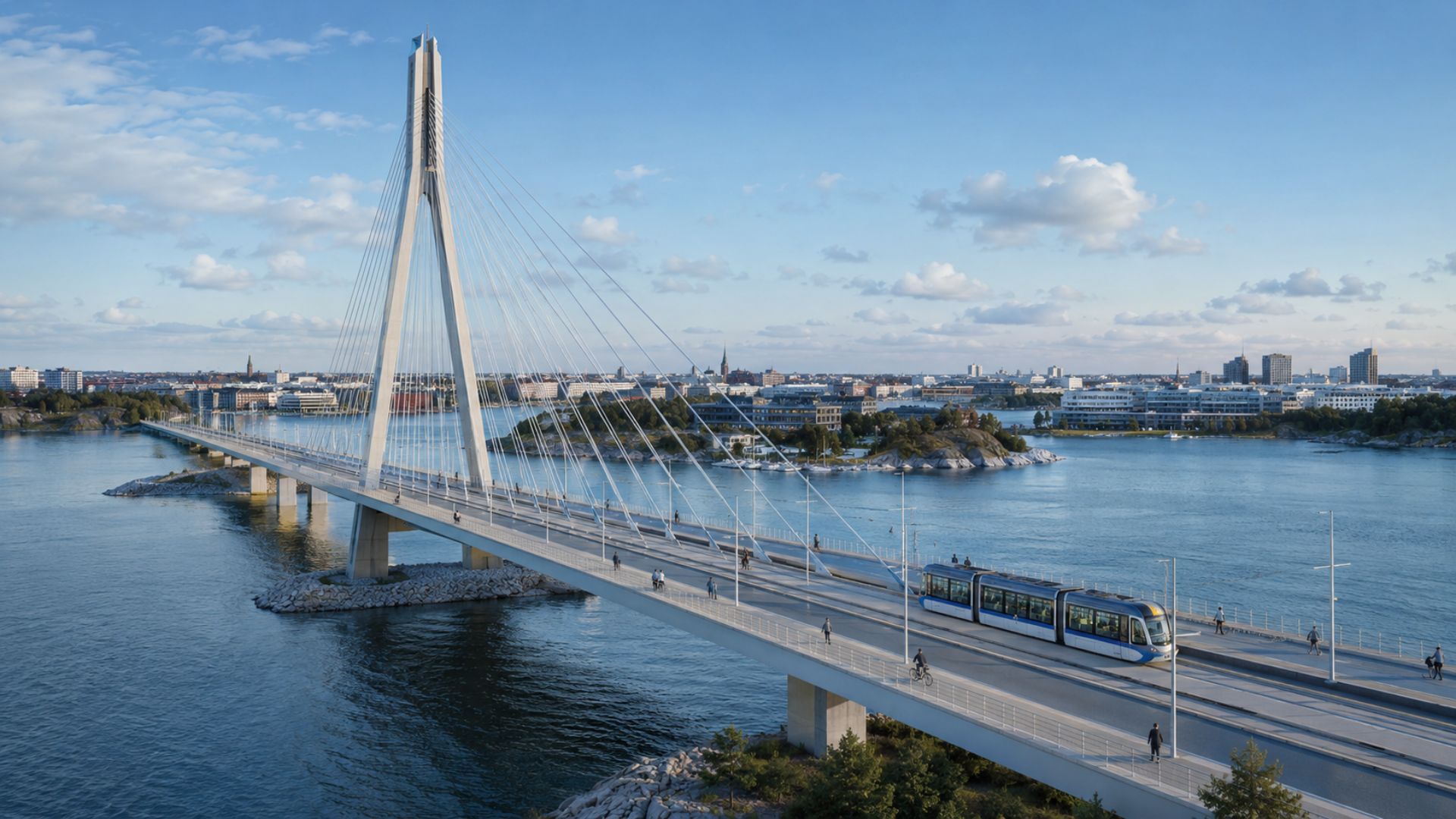
The largest bridge in Finland has just been inaugurated and cars simply cannot pass on it; only trams, bicycles, and pedestrians are allowed to cross the 1.2 km giant with a 135-meter pillar over the Baltic Sea.

Designed By Architect Adrian Smith, Who Also Created The Burj Khalifa, The Jeddah Tower Will Have An Asymmetrical Shape Similar To A Tripod. Weighing 900,000 Tons (Equivalent To The Golden Gate Bridge), Its Main Structure Will Be Supported By 270 High-Performance Concrete Pillars, Driven Into The Ground Between 50 And 110 Meters Deep – Twice The Depth Of The Burj Khalifa’s Foundations.
The Crucial Issue Of Building Materials
Another Central Challenge For The Project Lies In The Selection And Transportation Of Materials. For Economic Reasons, Conventional Concrete Has Been Prioritized. Around 500,000 Cubic Meters Of Concrete And Almost 80,000 Tons Of Steel Will Be Used – An Amount Similar To Ten Entire Eiffel Towers.
However, Transporting Conventional Concrete Beyond 500 Meters Is Difficult. Therefore, Like The Burj Khalifa, The Upper Section Of The Jeddah Tower Will Be Built With Steel, Turning It Into An Ornamental Tower That Will Not Be Habited, Housing Technical Equipment.
Extreme Resistance To Strong Winds
The Force Of The Wind Is Another Decisive Factor, As The Structure Must Withstand Extreme Winds. Simulations Conducted By The Engineering Team Showed That The Top Of The Tower Could Oscillate Up To 2 Meters With Strong Winds, A Movement Considered Acceptable By Experts And Safe For Occupants.
The Jeddah Tower Will Feature The World’s Highest Observation Deck At 630 Meters. To Quickly Reach The Upper Floors, Elevators That Ascend In 98 Seconds Will Be Used. For This, An Innovative Technology Using Carbon Fiber Cables Was Chosen, Allowing It To Lift Up To 2 Tons, Something Impossible With Traditional Steel Cables Above 500 Meters In Height.
Energy Efficiency And Thermal Comfort In Saudi Arabia
Another Strategic Point For The Tower Is Climate Control. Given The High Local Temperature, The Building Will Have Strategically Designed Areas For Shade And Will Use Special Glass For Thermal Insulation, Significantly Reducing Energy Consumption For Air Conditioning.






Be the first to react!