





 Portuguese
  English
  Spanish
  3 min of reading


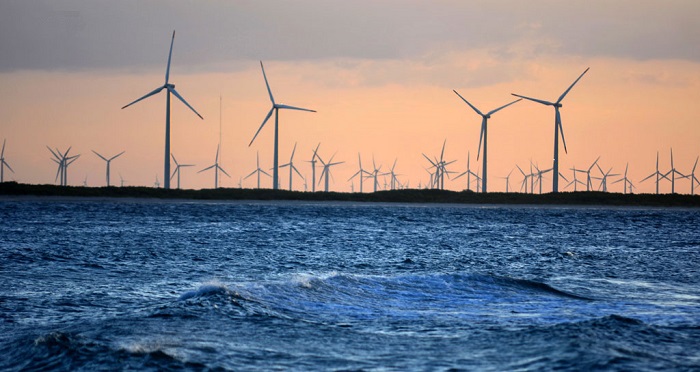
According to EPE, linked to the Ministry of Mines and Energy, the technical potential for offshore wind power generation in Brazil is 700 GW
The document was prepared after six environmental licensing processes for the construction of offshore wind farms had been opened at the Brazilian Institute of Environment and Renewable Natural Resources (Ibama), all in the preliminary licensing phase. Civil Construction Giant OAS Opens Positions for Safety Assistant and Technician
See Also:
- Multinational in Macaé Starts the Week with Job Openings for Boilermaker
- BRF with Job Openings for Electricians, Mechanics, Technicians, and More, for Several Brazilian States
- Electricians, Foremen, Helpers, and More Are Called for Distribution Network Works in Rio de Janeiro
According to EPE President Thiago Barral, the Offshore Wind Roadmap Brazil study, published yesterday (23), is the “most comprehensive document from a planning perspective” regarding this source of energy produced at sea in Brazil.
-
Voltalia secures 322 MW of electrical connection in Pecém and targets data centers with renewable energy, robust network, and dedicated wind projects in Ceará.

-
The John Deere forestry truck carries 19 tons of wood per trip, uses traction power to overcome mud, slopes, and narrow trails, and becomes the hidden link between the felled tree and the pulp industry.
-
Brazil may fall behind, and irreversibly so, in the global technological race involving the implementation of Data Centers and investments in Artificial Intelligence (AI). Much smaller but more agile economies, such as those of Argentina and Paraguay, have taken the lead.

-
Brazil is generating so much clean energy that the ONS had to implement an unprecedented emergency plan to contain the solar and wind surplus in the grid.

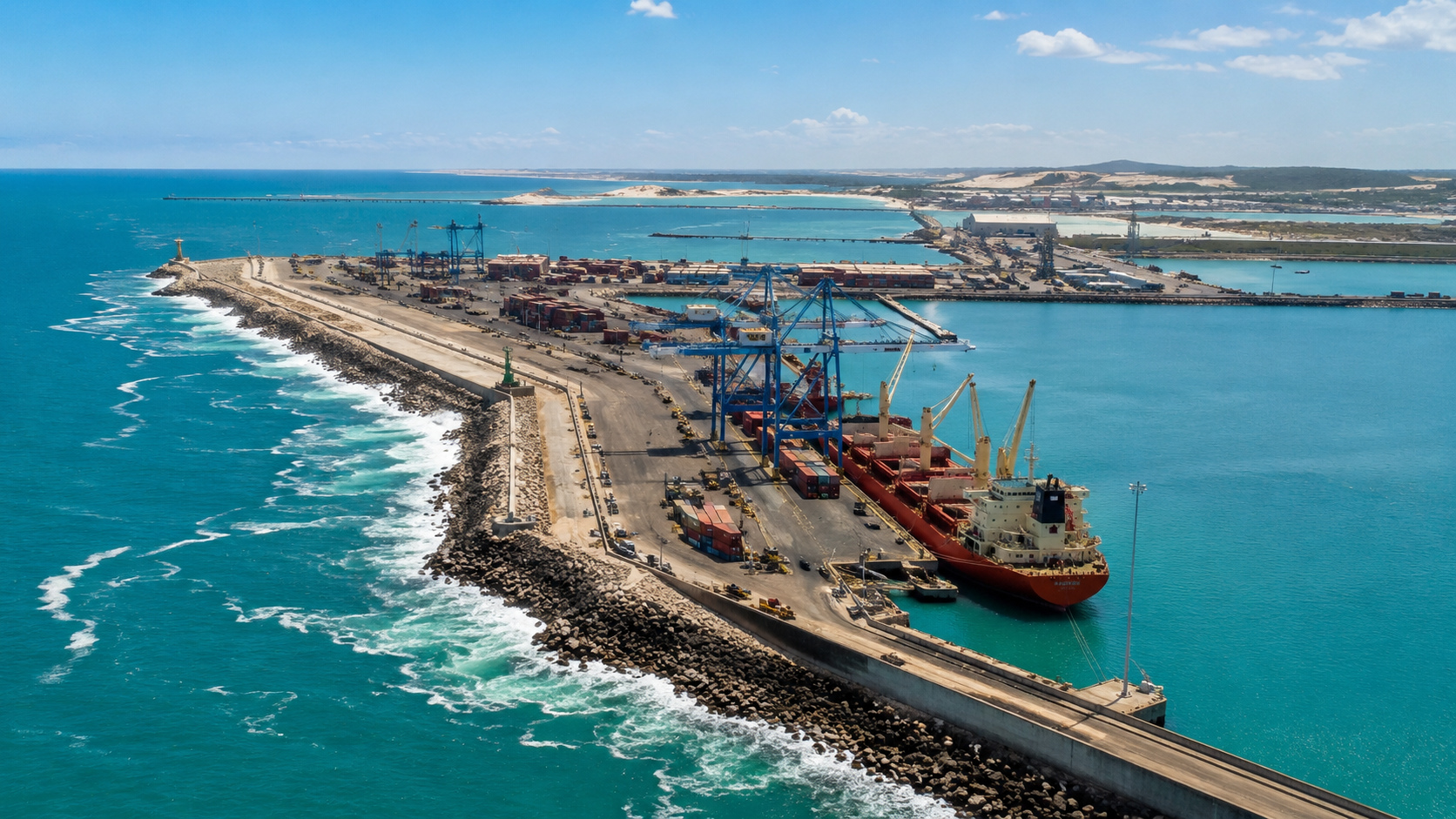


According to Barral, EPE found gaps in information about offshore wind energy and barriers preventing this source of energy from being competitive in Brazil. The map is based on experiences abroad, especially in Germany, the United Kingdom, and China, and points out where the barriers are and the possible lines of action to remove these difficulties. “A snapshot of where we are and where we can go,” said Barral. The next step will be to identify public and private investors who can develop these actions.
Potential
The study by EPE found that the farther and deeper, the greater the technical potential for offshore wind energy generation and also the associated cost. Although some countries are exploring wind energy at greater depths, the map indicates that the trend is towards a water depth of 50 meters. In these locations, the technical potential is 700 GW.
The main location for offshore wind farms in Brazil is the Northeast, with 68% of the potential for harnessing wind energy at sea. The South Region also shows positive potentials, as does the Southeast, Barral said.
Of the six projects with requests for preliminary licensing at Ibama, three show a generation potential of 3 GW each. They are the Jangadas Maritime Wind Complex in Ceará; the Maravilha Wind Complex in Rio de Janeiro; and the Águas Claras Maritime Wind Complex in Rio Grande do Sul, all from the company Neoenergia.
Problems
Barral explained that one factor driving up costs is the connection to the coastal system and its integration with the interconnected system. Other issues involve adapting the national industry to cater to offshore wind in terms of scale, that is, the larger dimensions for the equipment currently used in onshore plants, the infrastructure of ports and vessels to meet the demand for offshore wind, a subject that may involve the Navy.
The president of EPE viewed the opening of a public consultation by Ibama on the environmental licensing for these plants as positive, considering the uniqueness of this type of investment in Brazil. He assessed that the fact that they are at sea does not initially bring any issues that cannot be overcome, but acknowledged that, since these are coastal areas that are more populated, there may be conflicts with other areas, such as tourism, which should be resolved.
The work received support from the Navy, Ibama, and the National Electric Energy Agency (Aneel), and was supported by the World Bank, the German cooperation agency, and the British Embassy.
Source: Agência Brasil





Be the first to react!