





 Portuguese
  English
  Spanish
 4 min of reading
  0 comments


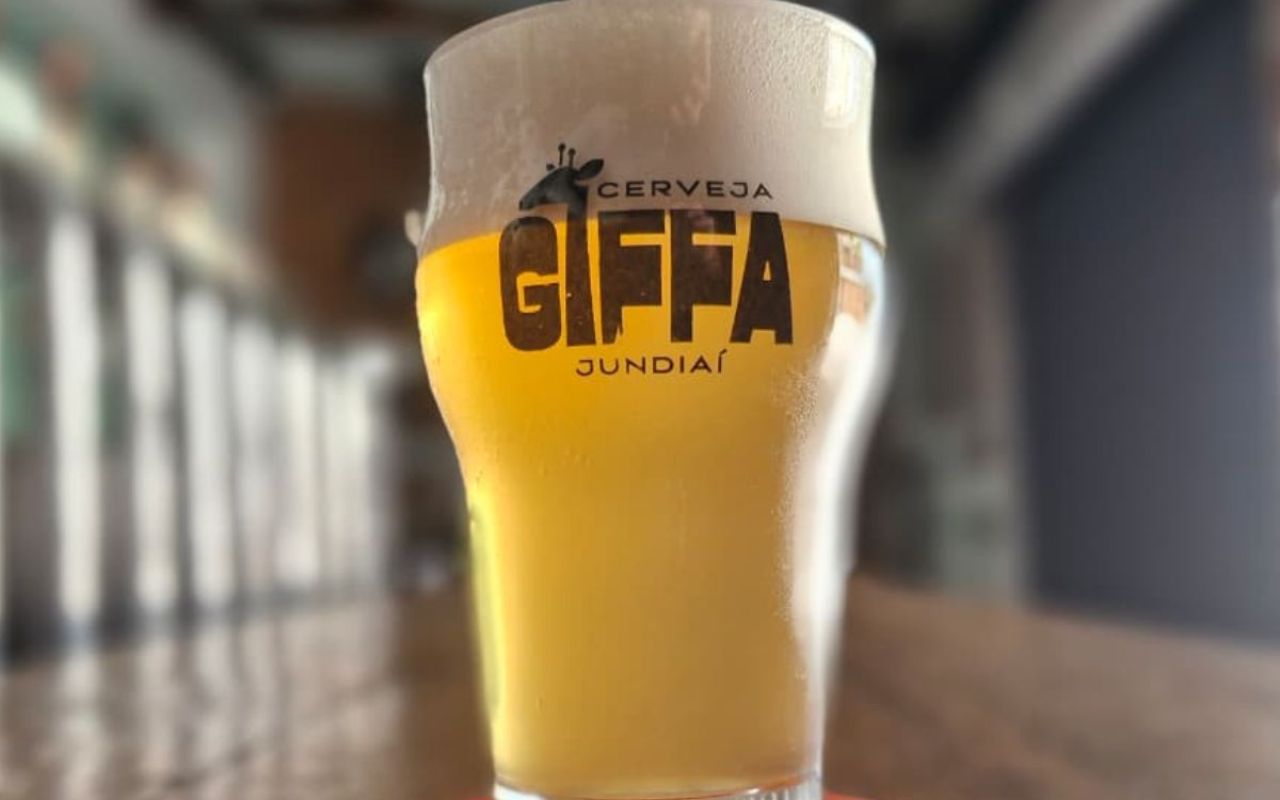
The New Beer Made with Niagara Grapes Stands Out at the Jundiaí Grape Festival by Combining Innovation, Italian Tradition, and Appreciation for Local Producers.
Far beyond exhibitions and grape bunches, the 41st Grape Festival and 12th Jundiaí Wine Expo, held between January and February 2026, now hosts a new symbol of local identity: a new beer developed with Pink Niagara Grapes, a fruit that has represented the strength of the local family agriculture for decades.
The drink emerges as an example of how tradition, innovation, and agribusiness can walk together to generate cultural, economic, and tourism value.
The novelty is exclusively available at the Grape Park during the event days and is part of a set of initiatives that aim to reposition the Festival not only as a cultural celebration but also as a space for experimenting with new products related to the countryside.
-
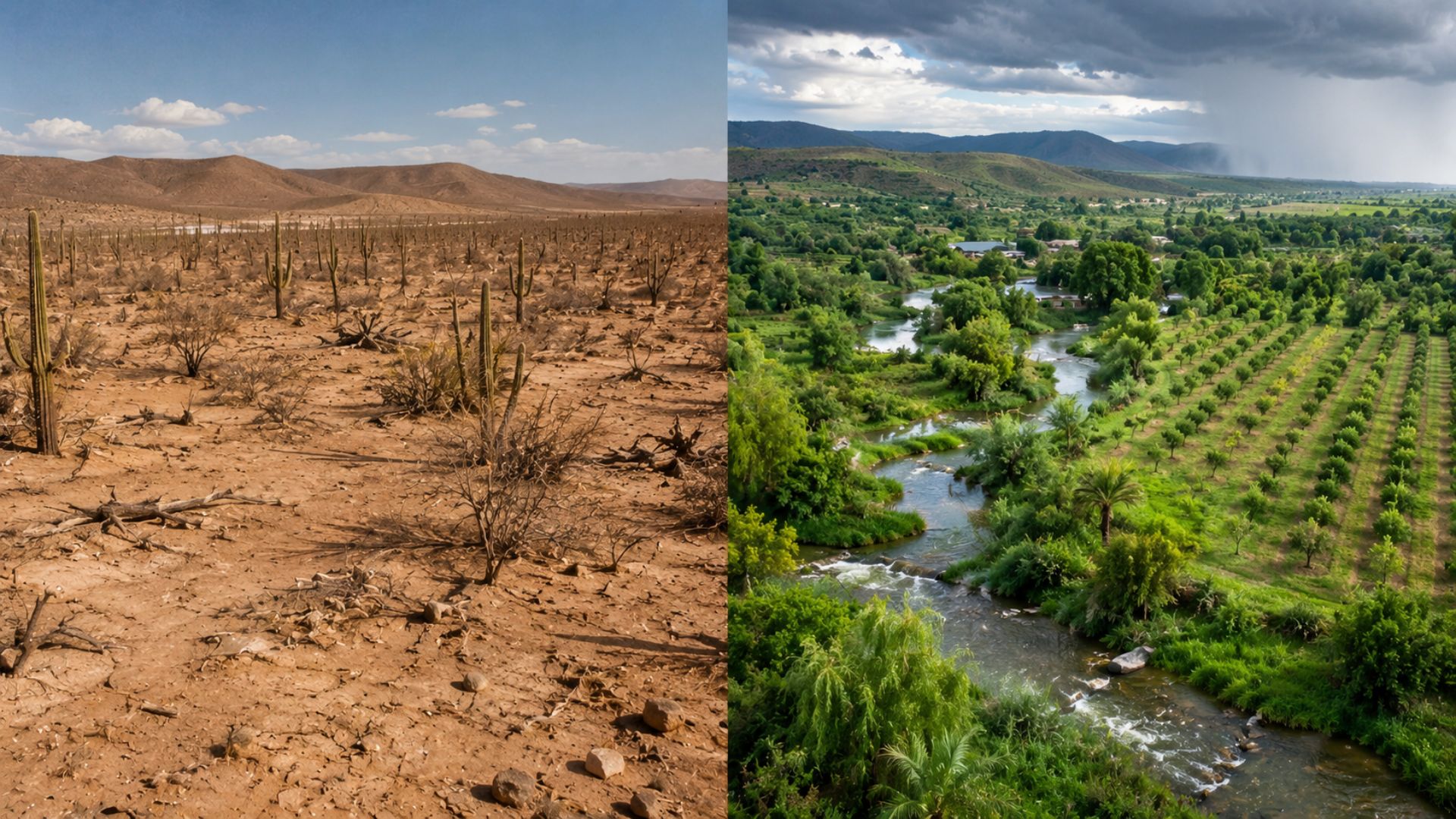
A farm in the Mexican desert has become so green that today it has rivers flowing year-round and even rain in the dry season, all thanks to a technique that transforms dead sand into fertile soil with manure, mountain microorganisms, and what farmers call the secret soil formula.

-
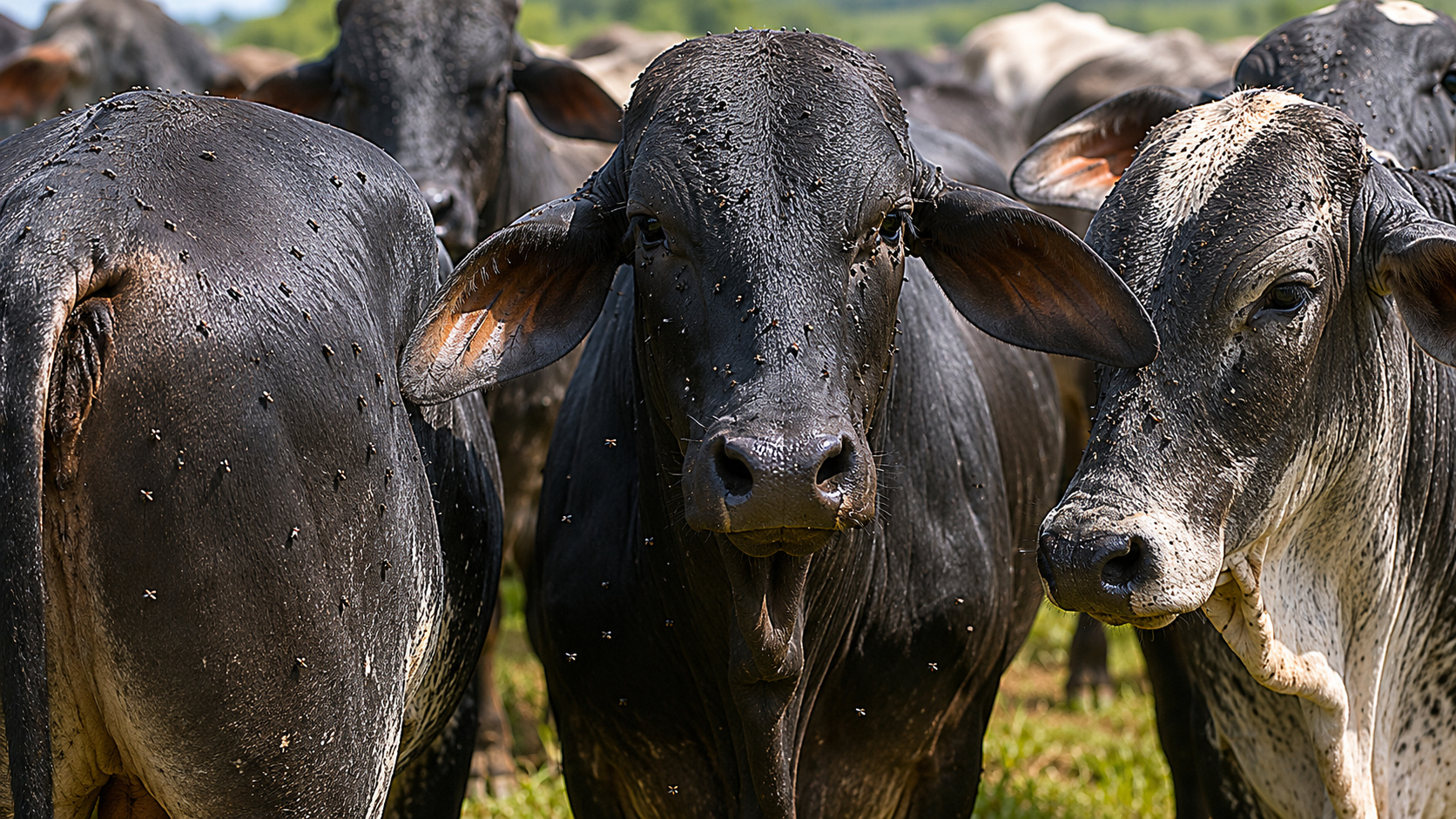
Stable fly infestation frightens producers in Costa Rica, disrupts cattle routine, reduces milk, and puts vinasse at the center of rural controversy.

-
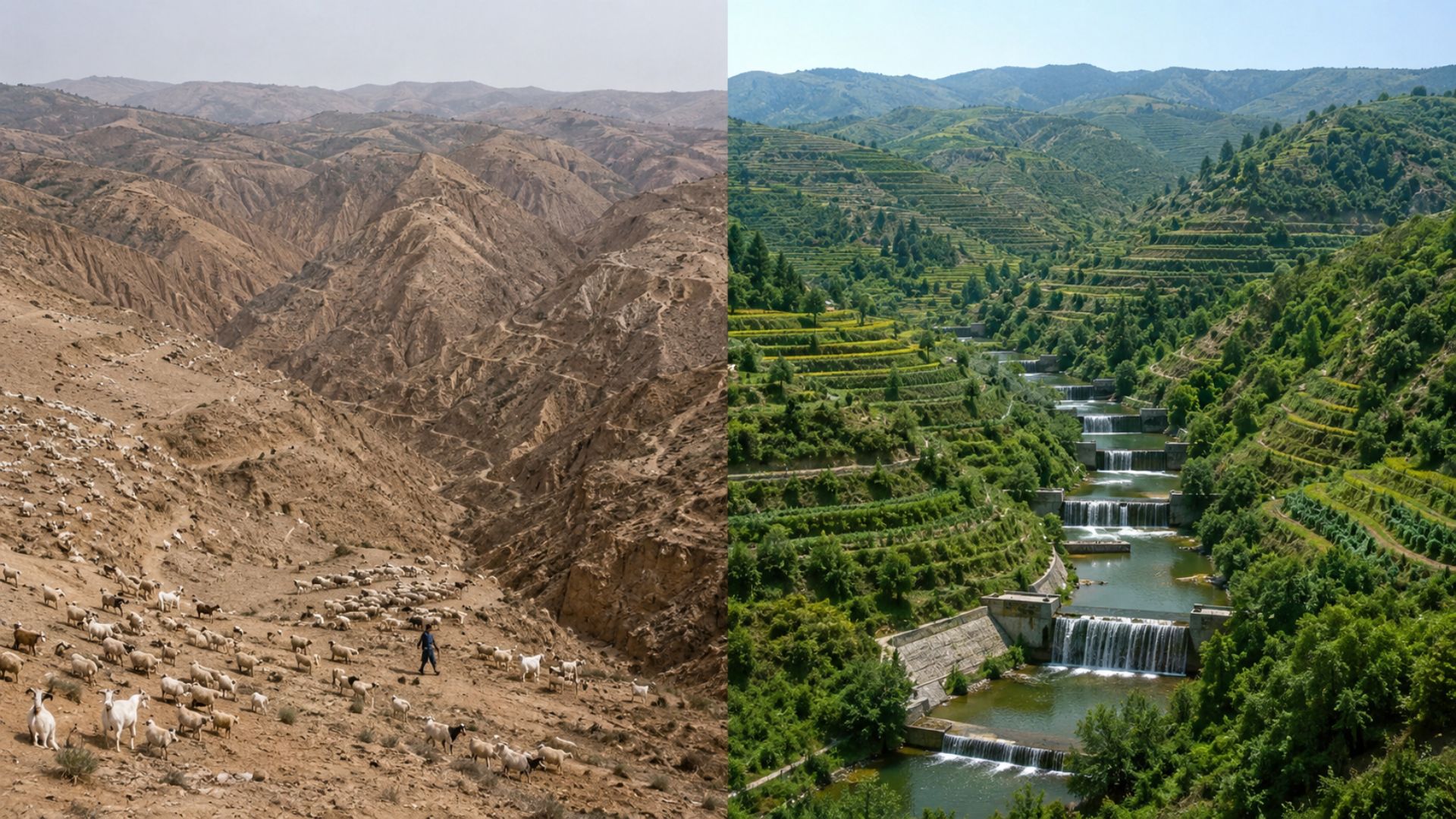
China banned free grazing of goats and sheep in parts of the most eroded plateau on the planet and, along with terraces and thousands of dams, managed to green slopes that were dumping 1.6 billion tons of soil per year into the Yellow River, in one of the largest environmental recoveries in history.
-
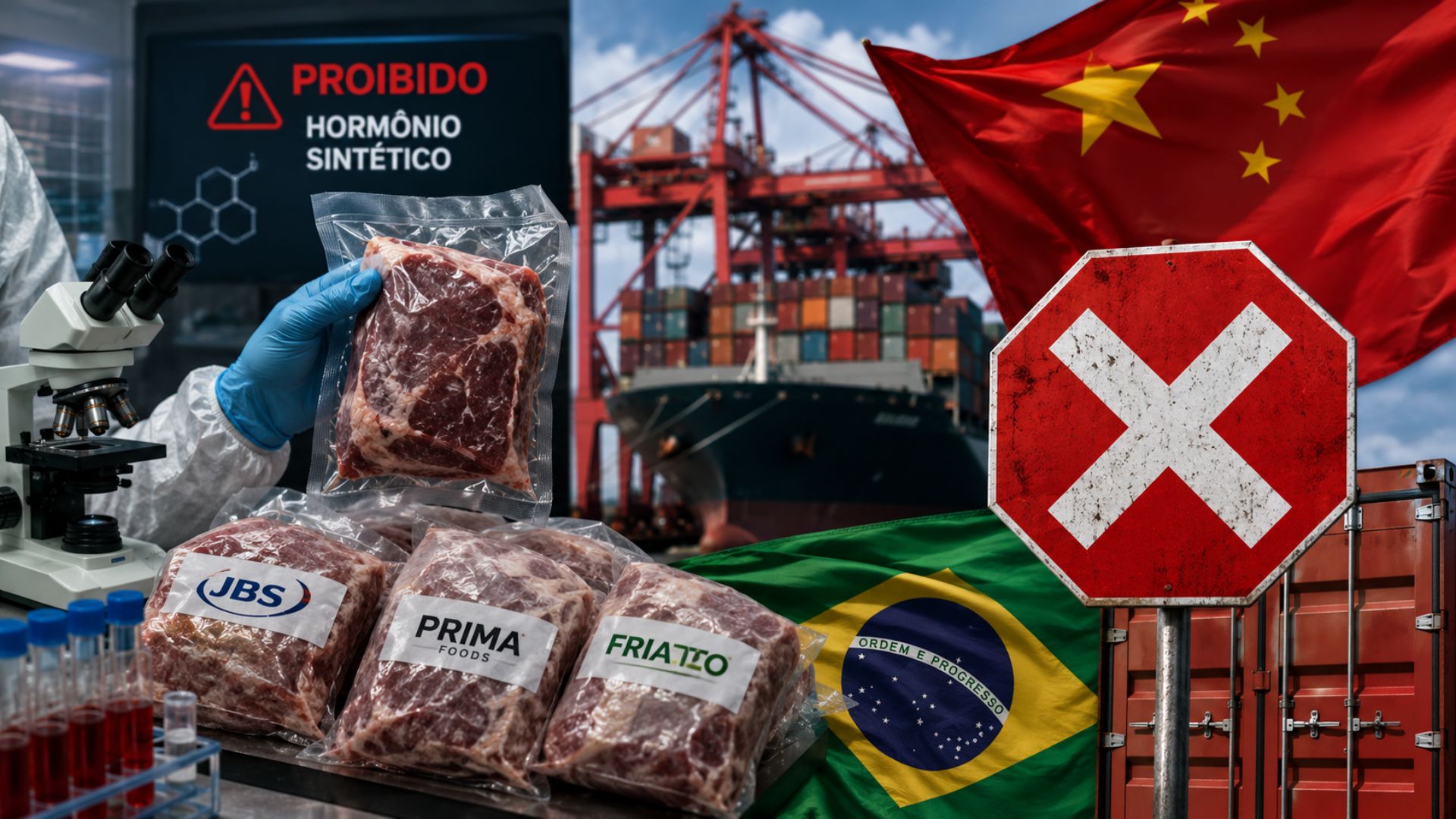
China suspended beef purchases from three Brazilian meatpacking plants of JBS, Prima Foods, and Frialto after finding a banned synthetic hormone in tests conducted on the meat, two days after reauthorizing three other plants that had been embargoed since last year.
Event Boosts Economy and Opens Space for Unprecedented Products
Recognized as one of the most traditional events in the State of São Paulo, the Jundiaí Grape Festival brings together producers, visitors, and families around the history of Italian immigration and winemaking.
Throughout four weekends, the Grape Park transforms into a hub of tourism, gastronomy, and income generation.
According to the mayor Gustavo Martinelli, the event plays a strategic role for the municipality.
“The Grape Festival represents the identity of our city. It values farmers, strengthens tourism, boosts the economy, and supports social entities,” he stated during the official opening.
In this scenario, the launch of a new beer with Niagara grapes enhances the visitor experience and reinforces the connection between the countryside and innovation.
Niagara Grapes Gain New Function Beyond Fresh Consumption
Traditionally associated with fresh consumption and the production of artisanal wines, the Pink Niagara Grapes have taken on a new role by being incorporated into the production of craft beer.
The proposal breaks with the conventional use of the fruit and showcases the potential for diversification of local agricultural production.
For the municipal secretary of Agribusiness, Supply, and Tourism, Marcela Moro, initiatives like this strengthen the entire production chain.
“The event promotes agribusiness, tourism, and the culture of Jundiaí, values local producers, and generates a positive chain of benefits for the entire economy,” she emphasized.
New Beer Born from Partnership Between Education, Producers, and Industry
The new beer, named Jundiahy Grape Ale, also referred to as Giffa La Terra Dell’Uva, was developed through collaboration between Etec Benedito Storani, local rural producers, and a craft brewery.
Before reaching the public, the recipe underwent technical and sensory tests that assessed aroma, flavor, balance, and product identity.
The aim was to create a drink that maintains the lightness of craft beer without losing the prominence of the grape.
The result is a beer classified in the Grape Ale style, known for integrating fruits into the production process, delivering a more complex and refreshing aromatic profile.


Limited Edition Reinforces Exclusivity of the New Beer
Only one thousand liters of the drink have been produced, which gives the new beer with Niagara grapes an exclusive character.
The commercialized only during the Grape Festival and the Wine Expo, with no forecast for regular distribution outside the event.
This limitation reinforces the symbolic appeal of the product, which becomes not just a drink, but a memory of the experience lived in Jundiaí during the festive period.
Italian Culture Remains the Central Axis of the Grape Festival
In addition to gastronomy, the Grape Festival highlights thematic spaces such as the Italian Village, which recreates customs, architecture, and traditions brought by immigrants who helped build the identity of the city.
The cultivation of grapes and the production of wines play a central role in this narrative.
In this context, the new beer made with Niagara grapes directly engages with the local cultural heritage, reinterpreting traditions from a contemporary perspective and expanding the forms of appreciation for the territory.
New Beer Shows How Tradition Can Turn into Innovation
By transforming the Niagara grapes into an ingredient of a new beer, Jundiaí demonstrates that innovation in agribusiness does not solely depend on cutting-edge technology, but also on creativity, local identity, and appreciation for rural producers.
More than just a one-time launch, the drink symbolizes a possible path to add value to agricultural production and strengthen the bond between culture, tourism, and the local economy.
With information from AgroEstadão.







-

-

2 people reacted to this.