





 Portuguese
  English
  Spanish
  3 min of reading
  2 comments





Presented In Shanghai, Chinese Android Displays Micro-Expressions, Almost Human Walking, and Divides Opinions As It Dangerously Approaches The Global Uncanny Valley
In an increasingly competitive humanoid robotics landscape, China has once again caught attention with the presentation of Moya, described as the world’s first robot with fully biomimetic artificial intelligence.
Developed by the Chinese company DroidUp, the android breaks away from the more common industrial look and bets on an approach that attempts to mimic human appearance and behavior, something that evokes fascination and unease in equal measure.
Presented in Shanghai, Moya quickly gained prominence on Chinese social media.
-
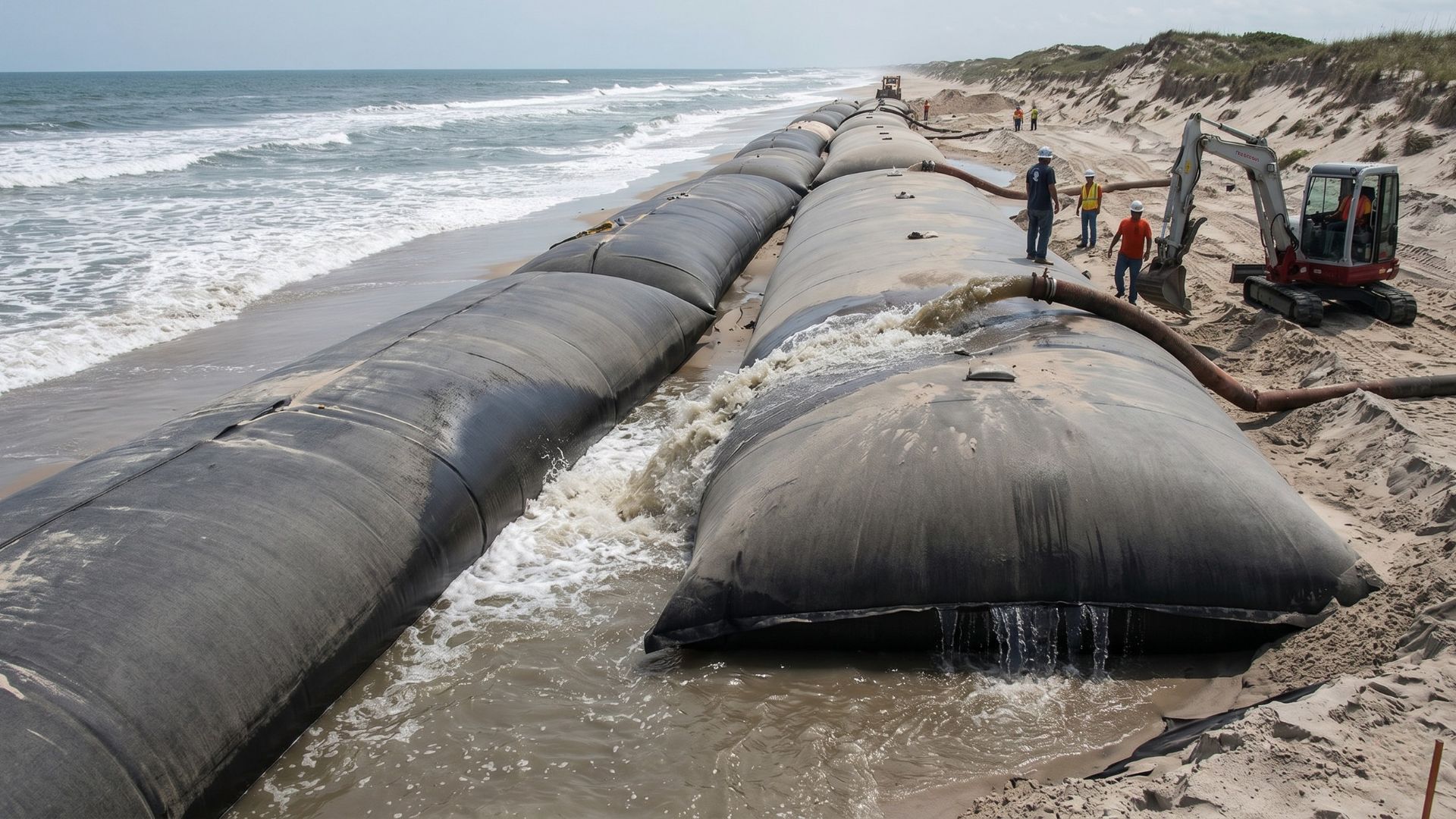
Australia solved the problem of a beach that kept losing sand by building a 494-meter jetty into the ocean with 10 pumps buried at the sea bottom. The system, which pumps 500,000 cubic meters of sand per year through a 6.4 km pipeline under the channel bed, has been in place since 1986 and has no equivalent anywhere else in the world.

-
It seems simple, but it generates electricity: scientists transform ambient humidity into electricity with gelatin and salt, and the generator still works for more than 30 days.

-
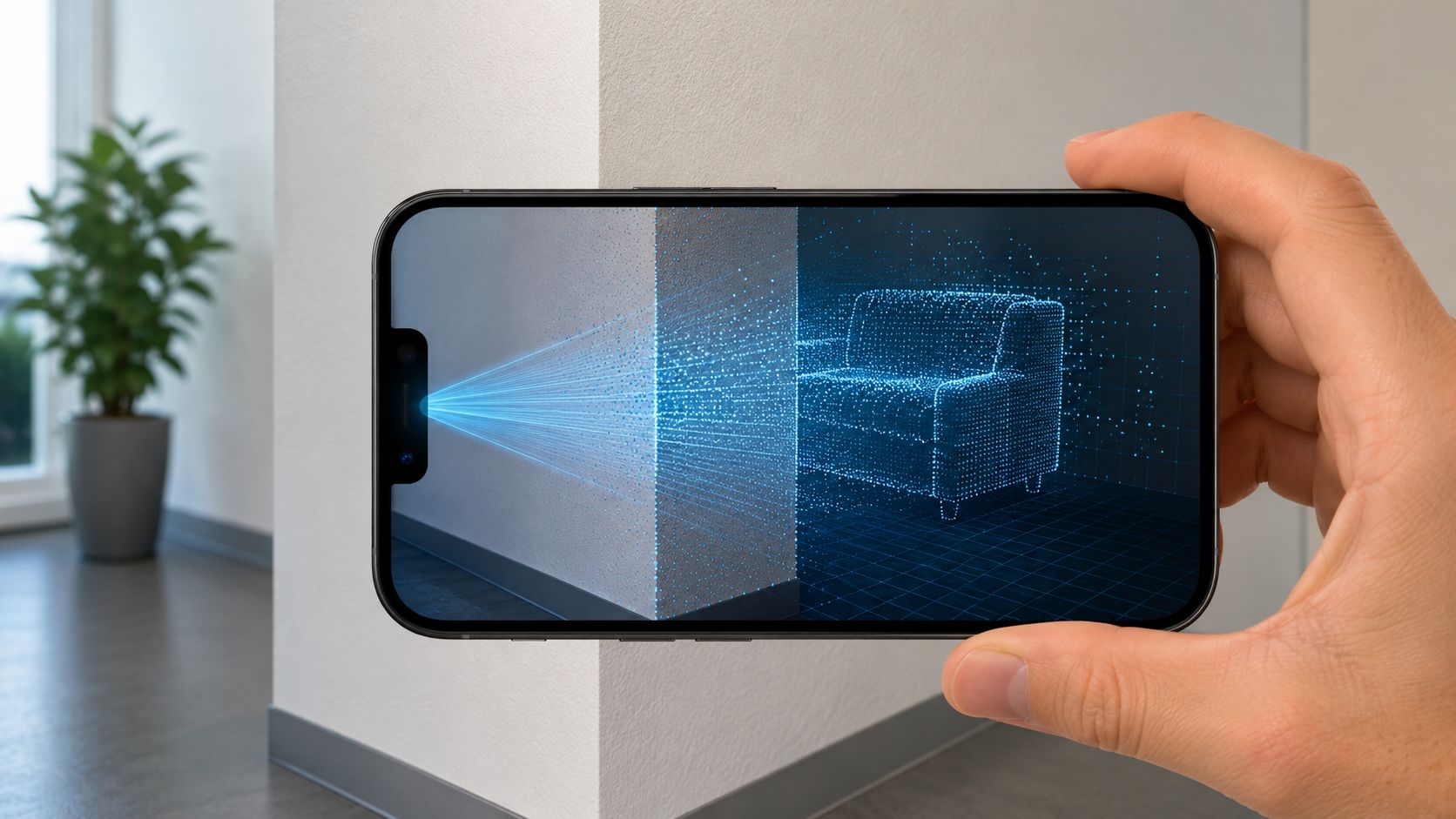
Soon, smartphones may be able to “see” objects hidden behind walls with LiDAR.
-
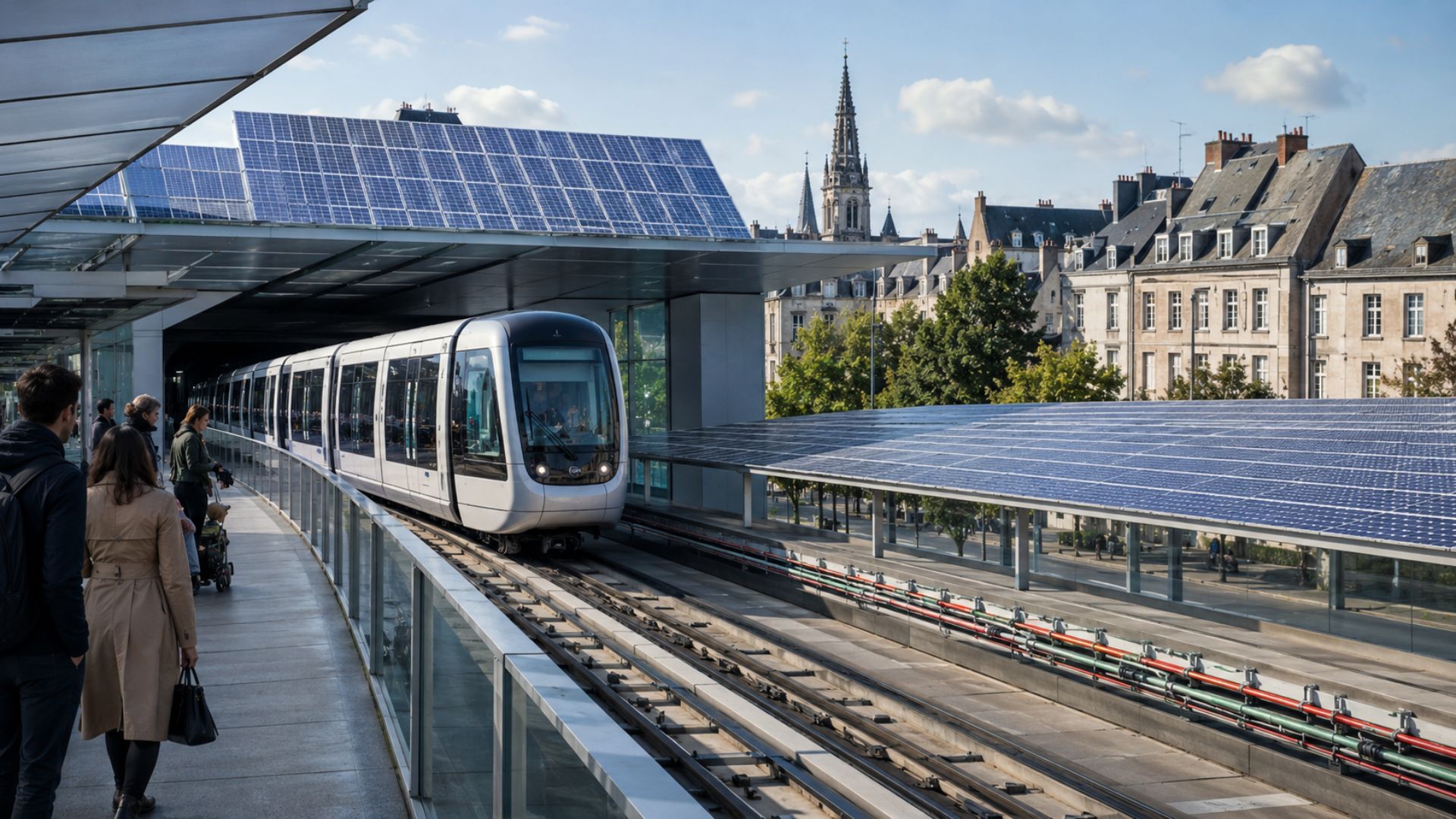
For the first time in France, solar electricity will power metro trains without going through the public grid. The pioneering Rennes project will begin construction in June with 6,000 square meters of solar panels, and users themselves can invest and earn a 5% annual profit.



Videos showing the robot walking, maintaining eye contact, nodding, smiling, and displaying micro-facial expressions circulated widely and were shared by the South China Morning Post, increasing its international reach.
Robot Moya: An Intelligence Designed For The Physical World
The project is based on the concept of embedded AI, which describes systems capable of perceiving, reasoning, and acting directly in the physical environment, rather than just in digital spaces.
The proposal is to make interaction more natural, especially in contexts where gestures, posture, and facial expressions are crucial for communication.
At 1.65 meters tall and weighing around 32 kilograms, Moya has proportions similar to those of an adult.
DroidUp claims that the robot maintains a body temperature between 32 °C and 36 °C, a technical detail designed to enhance the sense of realism in close interactions.
Another highlighted point is the locomotion pattern. According to the company, Moya’s walking achieves 92% accuracy relative to human movement, prioritizing stability and naturalness over speed or acrobatic movements.
Realistic Robot: Divided Reactions and The Uncanny Valley
As is the case with hyper-realistic robots, public reception has been mixed. According to journalist Llewellyn Cheung, some users are impressed by the level of realism, while others describe the movements as disturbing.
This response engages with the so-called “uncanny valley,” a psychological phenomenon that describes the discomfort caused by artificial entities that closely resemble humans but remain imperfectly convincing.
For many observers, Moya occupies exactly this ambiguous territory.
Platform, Design, and Next Steps
DroidUp has released few details about the robot’s technical foundation. The specialized website RoboHorizon suggests that Moya could be built on a chassis called “Walker 3,” a piece of information not officially confirmed by the company.
The name has generated confusion as it is associated with humanoid robots from UBTECH, which denies any linkage to the project.
According to RoboHorizon, Moya would feature a modular design, allowing for changes to the external appearance without altering the mechanical structure, a characteristic that enhances its adaptability to different functions and environments.
Commercial launch is expected by the end of 2026, with an initial estimated price of € 150,000 (approximately R$ 927,000).
Neither the final price nor availability have been officially confirmed, and additional details about practical applications, scale production, and priority markets remain open.
With information from O Globo.






So cheap
The commercial launch is scheduled for the end of 2026, with an estimated starting price of €150 (approximately R$927).
its great innovation