





 Portuguese
  English
  Spanish
  3 min of reading
  0 comments


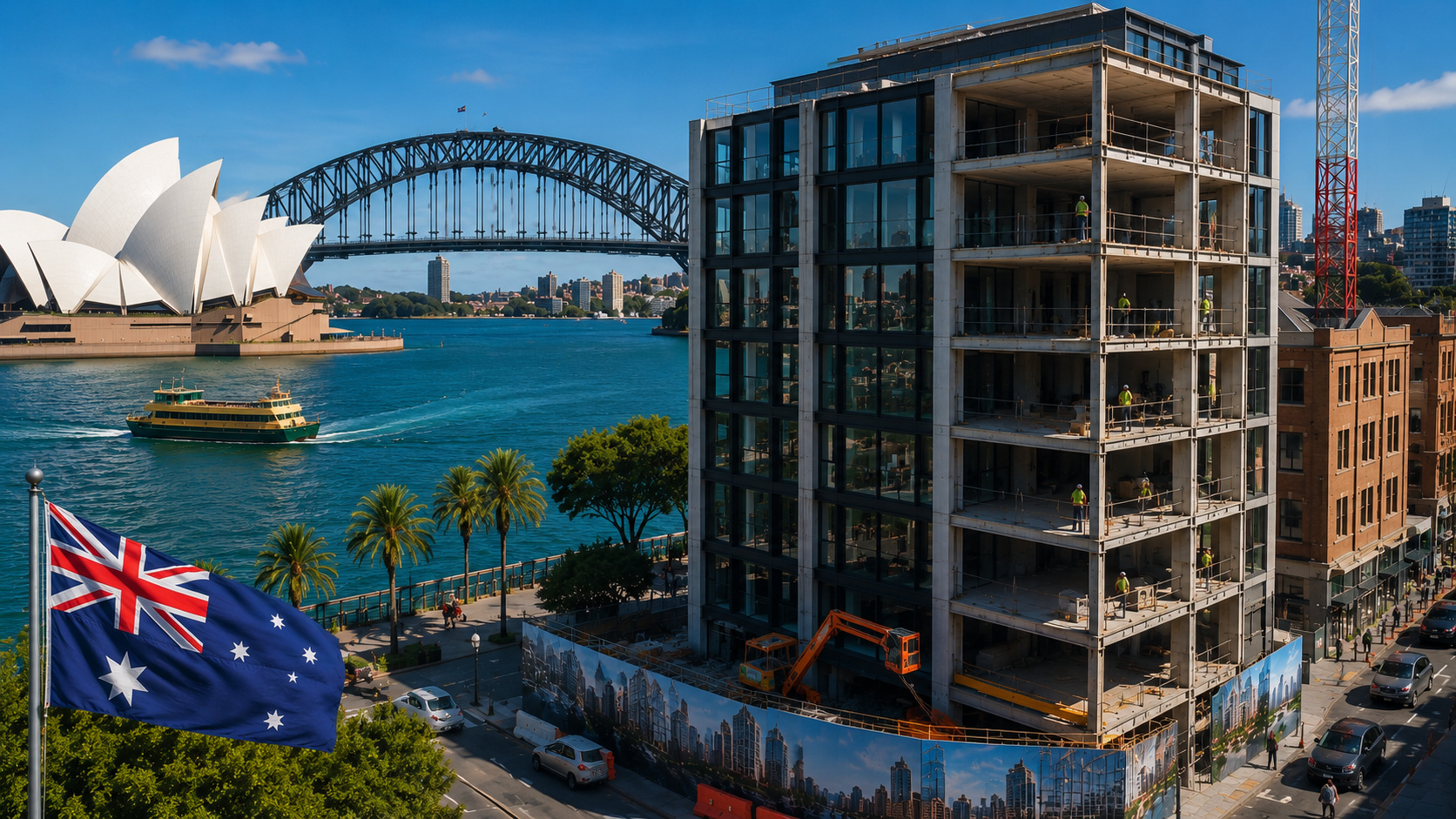
Conversion of underutilized commercial buildings gains momentum in Australia and can transform urban centers pressured by high rents, corporate vacancy, and lack of housing
Australia has started to see its empty offices as part of the solution to a housing crisis that pressures major cities, especially Melbourne and Sydney.
Population growth and high rents contrast with thousands of square meters of idle commercial buildings in central areas.
State governments, urban planners, and investors advocate for the transformation of underutilized corporate buildings into residential apartments, without erecting new buildings.
-
A cabin of just 20 m² built over a vineyard operates without connection to the power grid, accommodates a complete bedroom, kitchen, and wine cellar, and features on the roof a replica of the footprint left on the Moon by astronaut Eugene Cernan in 1972.

-
Château Jardin Exto: the perfect synergy between luxury and architecture

-
From Elon Musk to Campos do Jordão, Boxabl’s compact modular house draws attention for combining quick construction, solar energy, lower cost, and a new discussion about housing in Brazil.

-
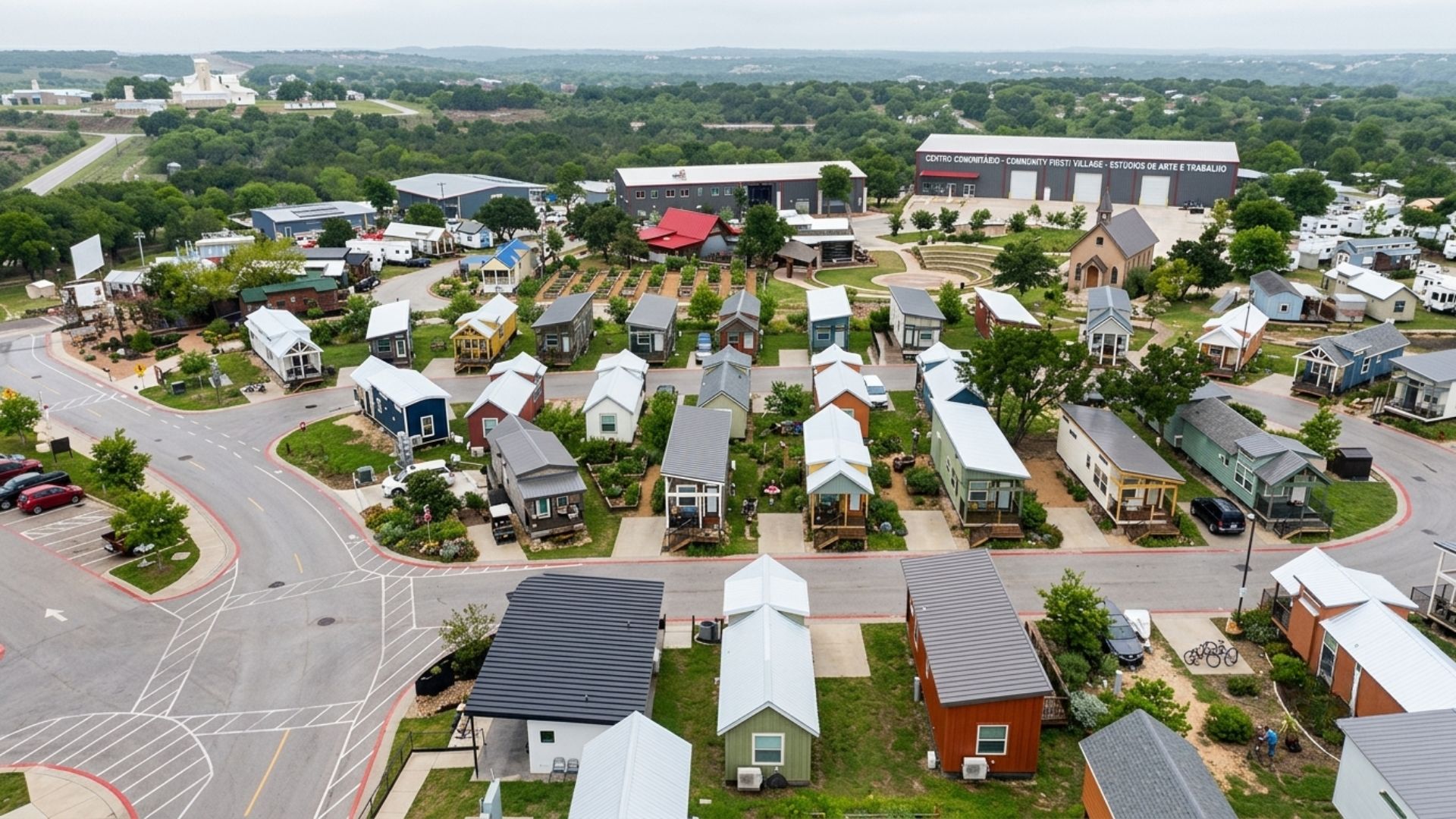
Austin creates an entire neighborhood for those who lived on the streets for years: a 51-acre community brings together micro-houses, gardens, a cinema, a market, a clinic, and transportation to rebuild lives with permanent housing.


Data from the Property Council of Australia, released in real estate sector studies, show that commercial vacancy has reached the highest levels since the 1990s.
This advance occurred mainly after the consolidation of hybrid and remote work, which reduced the daily occupancy of offices.
Reports from the National Housing Supply and Affordability Council point to a persistent housing shortage in Australia.
Therefore, purchase and rental prices remain pressured in urban regions with high housing demand.
Conversion takes advantage of existing structures
The strategy consists of adapting old commercial buildings for residential use.
Instead of demolishing entire structures, developers take advantage of foundations, elevators, structural systems, and part of the existing installations.
This process, known as adaptive reuse, allows for accelerating the supply of housing in areas with transportation, commerce, and public services.
The measure also avoids part of the costs and impacts related to new constructions.
Melbourne has become one of the main laboratories for this alternative.
In 2024, municipal and state authorities began discussing incentives to encourage the conversion of offices into apartments.
Estimates presented in housing programs in Victoria indicate that old and underutilized buildings could generate between 10,000 and 12,000 new residential units in the coming years.

Urban centers can also be revitalized
The proposal aims not only to increase the housing supply.
It also intends to reactivate central regions affected by the decline in the daily circulation of workers.
Many mid-range commercial buildings have lost competitiveness compared to more modern and sustainable corporate towers.
As a result, entire areas have started to record empty floors and reduced economic activity.
Studies from the City of Melbourne indicate that the reuse of these properties can increase the housing supply, reduce emissions associated with demolitions, and reactivate urban centers.
Strategy also reduces environmental impacts
The conversion presents significant environmental advantages.
Instead of discarding tons of concrete, steel, and other materials, the projects reuse a large part of the existing structure.
As a result, there is less consumption of natural resources and a reduction in the carbon footprint associated with construction.
The City of Melbourne itself treats adaptive reuse as an important tool to achieve sustainability and emission reduction goals by 2040.
Not every office can become housing
Despite the potential, not all commercial buildings can be easily converted.
The depth of the floors, the position of the elevators, the entry of natural light, and the plumbing systems directly influence economic viability.
Researchers and urban planners warn that only some of the existing offices have suitable characteristics for residential use.
Even so, experts consider conversion a relevant alternative to increase housing in already structured areas.
Australia is seeking different solutions to alleviate real estate pressure.
In this context, modular homes, social housing, and repurposing existing buildings have become part of the same set of public strategies.
Transforming empty offices into apartments attempts to solve two problems at once: the excess of idle commercial space and the growing lack of housing.
If the initiative reaches the scale projected by authorities and experts, Australian urban centers could experience one of the largest real estate reconfigurations in recent decades, right?





Be the first to react!