





 Portuguese
  English
  Spanish
  3 min of reading
  2 comments


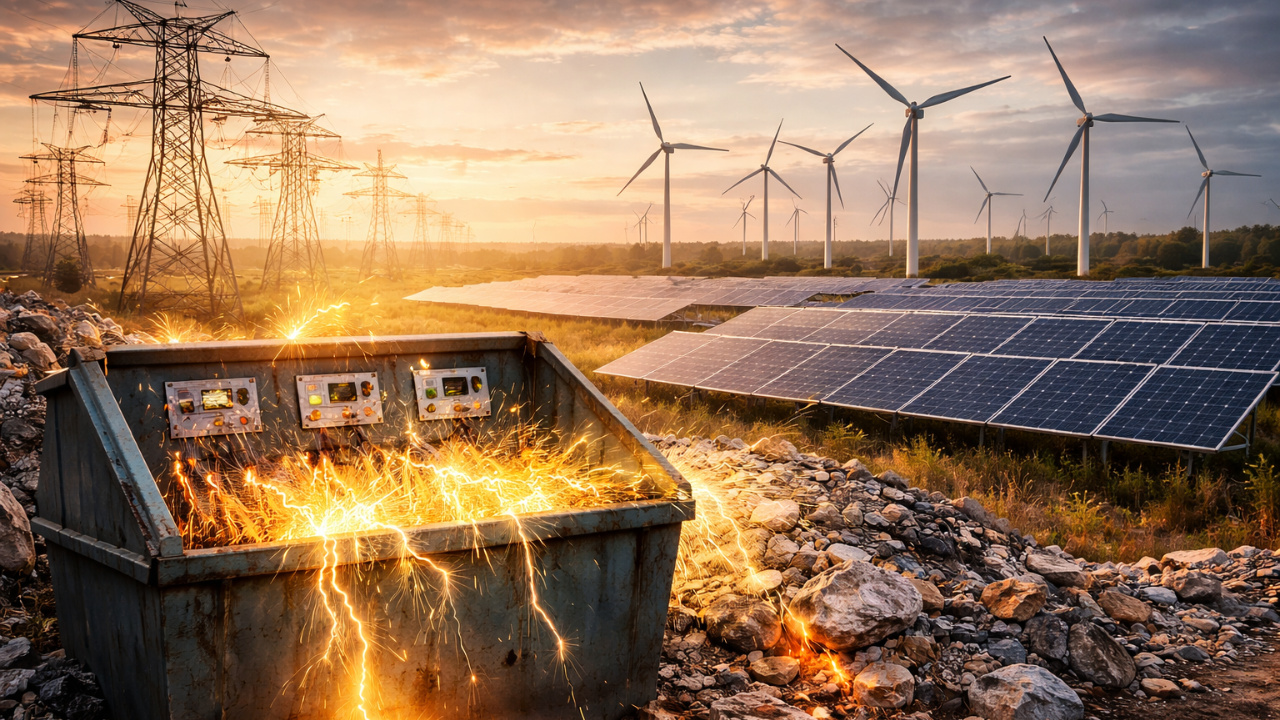


Brazil Wasted a Huge Portion of Its Renewable Energy in 2025, with Cuts to Solar and Wind Farms Revealing Failures in the Electrical System and Risks for the Future.
Renewable energy has never been stronger in Brazil. However, a silent problem has been spreading throughout the electric system. In 2025, about 20% of all solar and wind production that could have been generated simply went untapped.
Instead of lighting homes or powering factories, this energy was cut off by decision of the National Electric System Operator (ONS).
The reason is simple, yet alarming. At various times of the day, the supply of renewable energy exceeds demand. To avoid failures and even blackouts, ONS needs to order the shutdown of plants, even if they are ready to produce.
-
The world could operate on clean electricity by 2050, but a study indicates that this would require up to 20 TW of renewable energy, more than 9 million hectares for solar, and strong cooperation between countries.

-
New catalyst developed by scientists in the USA enhances the performance of water electrolysis without using platinum, reducing operational costs and expanding the potential of green hydrogen as a strategic alternative for industries, heavy transportation, and clean energy generation.
-
China implements basalt fibers tested on the Moon to contain the desert’s advance in 1 million hectares, and the program surprises scientists worldwide.
-
Fernando de Noronha begins unprecedented energy transformation with a R$ 350 million solar plant that promises to replace diesel generation and change the island’s sustainable future by 2027.



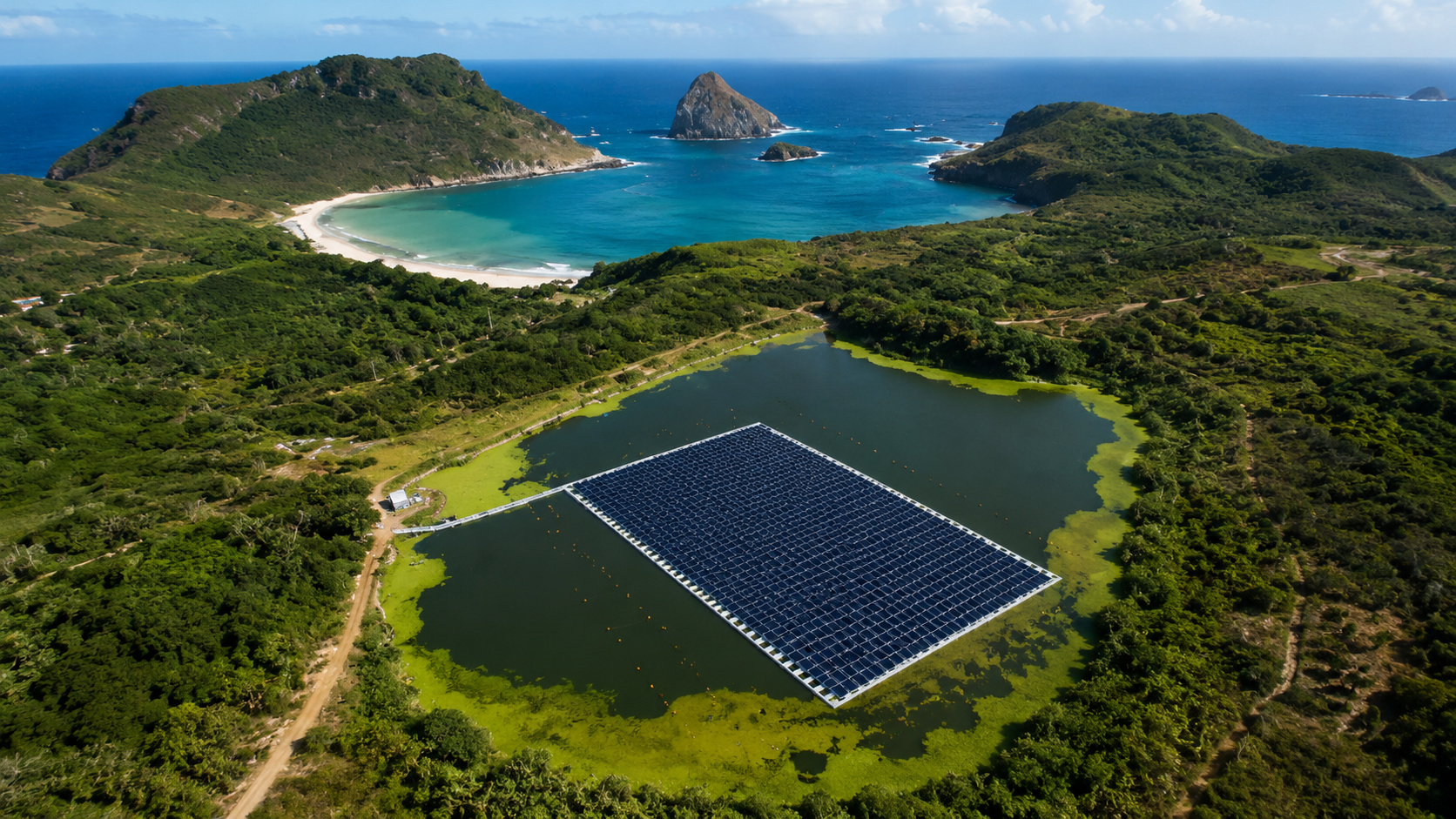
Thus, the country creates a paradox: it produces a lot of clean energy, but cannot use it all.
Belo Monte in Invisible Version: The Size of the Waste
In practice, the volume of renewable energy wasted in 2025 is equivalent to the production of the Belo Monte plant, the second largest hydroelectric plant in the country, for almost ten full months.
The number is impressive because it shows that the problem is not small. On the contrary, it has already reached a national scale.


According to calculations made at the request of the report, this wasted electricity would be enough to keep the entire fleet of electric cars in Brazil, about 600,000 vehicles, running for a year.
Moreover, the same volume would be sufficient to supply approximately 40 large data centers, structures that consume enormous amounts of energy every day.
Weekends Become the System’s Biggest Nightmare
The most critical moments occur when the country consumes less. On weekends, many factories close, and commerce slows down. Even so, the sun keeps shining, and the wind farms keep spinning.
Data from the consulting firm Volt Robotics shows that, on 16 days in 2025, the Brazilian electric system operated near the safety limit due to excessive supply.
In the previous year, only one day had been classified as critical.
The difference between weekdays also stands out. On Mondays, the average cut due to excess energy was 1,040 MW. On Sundays, the amount jumps to 5,135 MW on average, a figure that illustrates how much renewable energy ends up being wasted when demand decreases.
Solar Panels in Homes Accelerate the Problem
The advancement of so-called distributed generation worsens the scenario even further. These are the solar panels installed on rooftops of homes, businesses, and small enterprises. This energy enters the system without direct control from ONS.
Today, this type of renewable energy already totals over 42 GW of installed capacity. The projection is that it will reach 50 GW by 2028.

If this is confirmed, almost one-third of the Brazilian electrical matrix will come from these sources by 2029. In this scenario, up to 96% of generation cuts may be linked to over-supply.
For this reason, the Ministry of Mines and Energy has already acknowledged that the problem is no longer isolated. According to the ministry, technical, regulatory, and legal changes are being discussed to prevent the growth of renewables from becoming a risk to the system.
Do you think it’s fair for Brazil to waste so much renewable energy while paying a high price for energy at night? How is it possible to convert waste into utilization?







Deveriam diminuir a vazão das hidrelétricas durante o dia para aumentar nos horários de pico.
É só diminuir a vazão nas hidrelétricas durante o dia e acumular água pra usar nos horários de pico.