





 Portuguese
  English
  Spanish
  3 min of reading
  0 comments



The Space Summit 2026 in Singapore Reinforces the Need for Global Cooperation to Manage the Orbital Economy. Learn How Space Has Become Vital to Earth’s Infrastructure.
Last Tuesday marked the conclusion of the Space Summit 2026 in Singapore, an event that solidified the perception that space has transitioned from being a purely scientific exploration field to becoming the backbone of Earth’s critical infrastructures.
Just as the shift to the electric car has redefined urban mobility, the integration of space technologies is reshaping national economies, requiring an unprecedented alignment between governments, private companies, and research institutions.
Space Summit: The New Era of Critical Infrastructure
The event brought together over 2,000 participants and representatives from 20 national space agencies. The consensus was clear: space systems are now essential for energy security, climate resilience, and global telecommunications. Leck Chet Lam, Executive Director of Experia Events, emphasized that orbital activities are no longer niche projects, but fundamental gears for the functioning of modern societies.
-
A giant crater discovered in the interior of Piauí revealed, after decades of studies, a rare meteorite impact that transformed the region and impressed scientists worldwide.

-
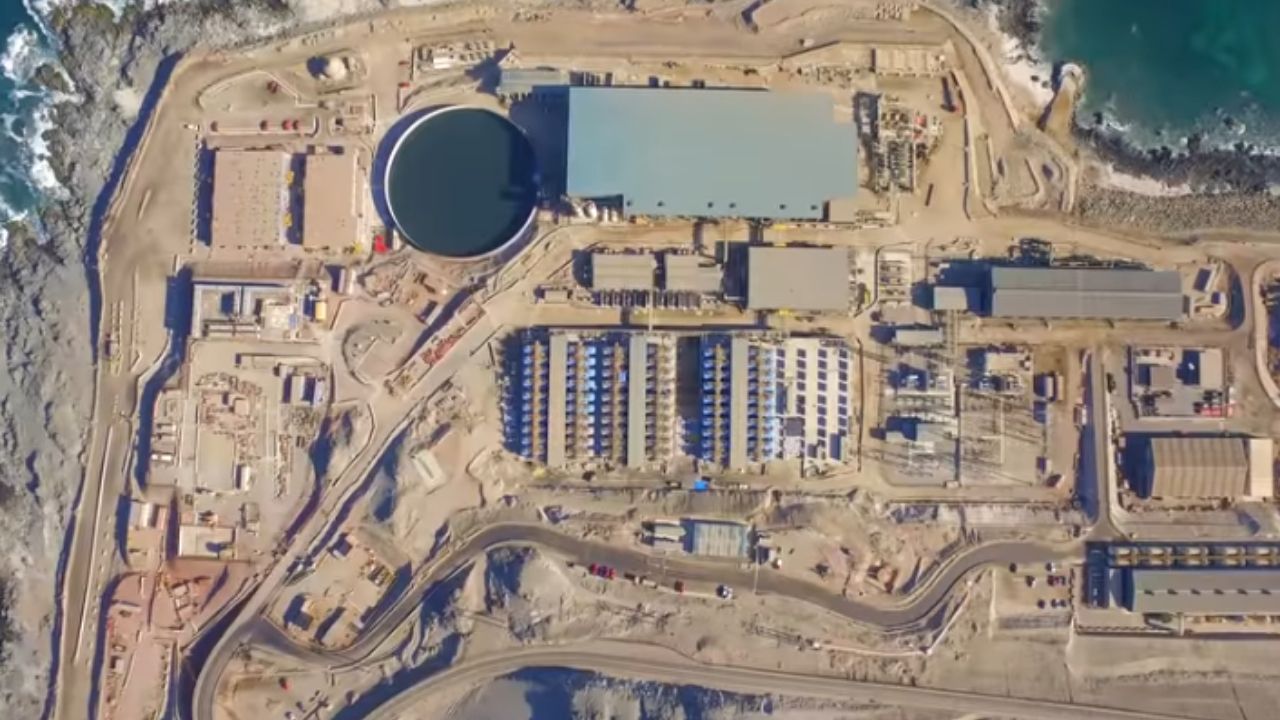
BHP builds a mega desalination plant in Chile to supply the world’s largest copper mine, with 2,500 liters per second, four pumping stations, and seawater transported up to 3,200 meters in altitude through giant pipelines in the Atacama Desert.

-
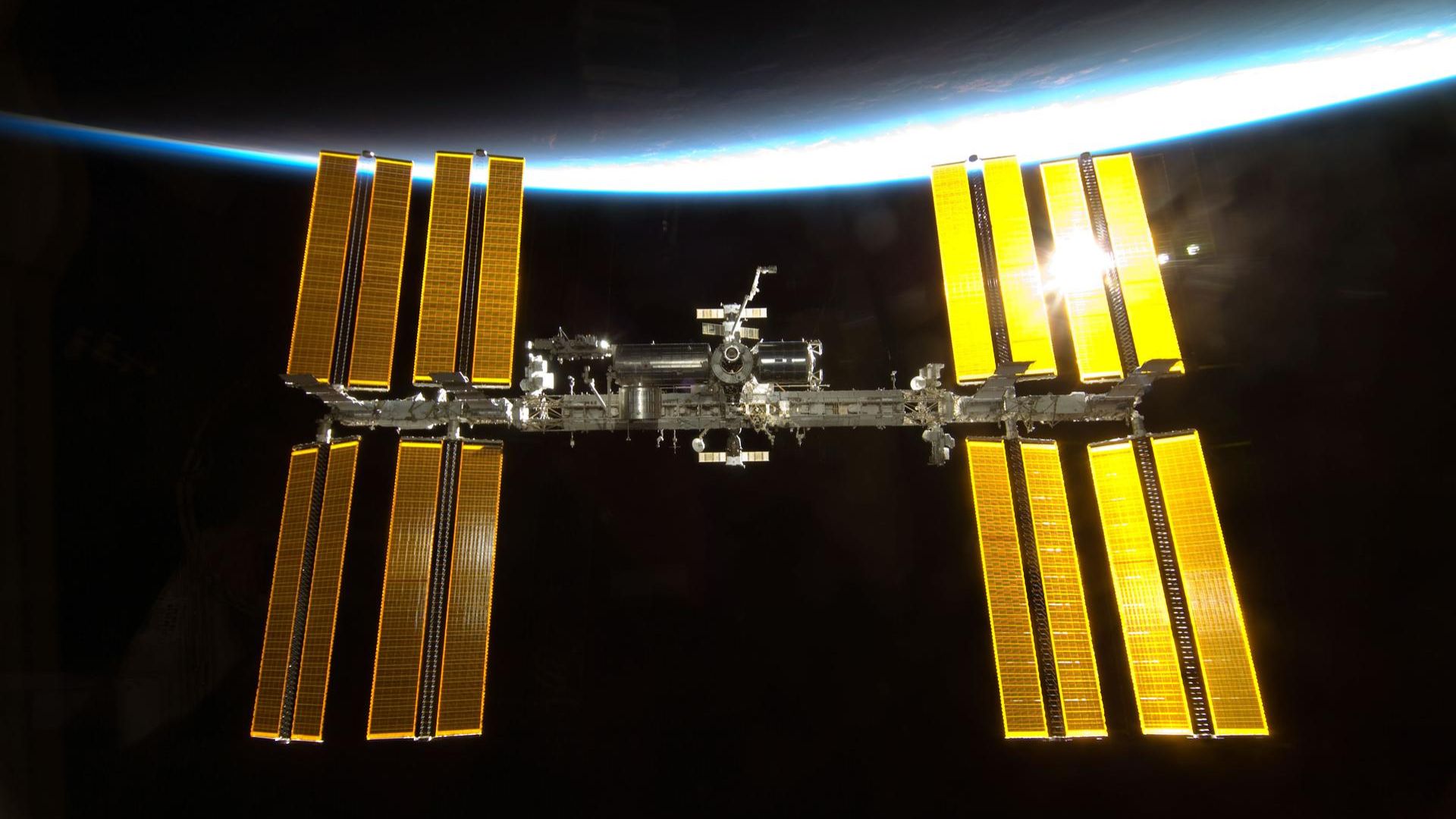
The International Space Station is 109 meters from end to end, orbits the Earth 16 times a day, and covers a distance equivalent to a round trip to the Moon in 24 hours; the orbital laboratory showcases the largest inhabited human structure ever assembled in space.

-
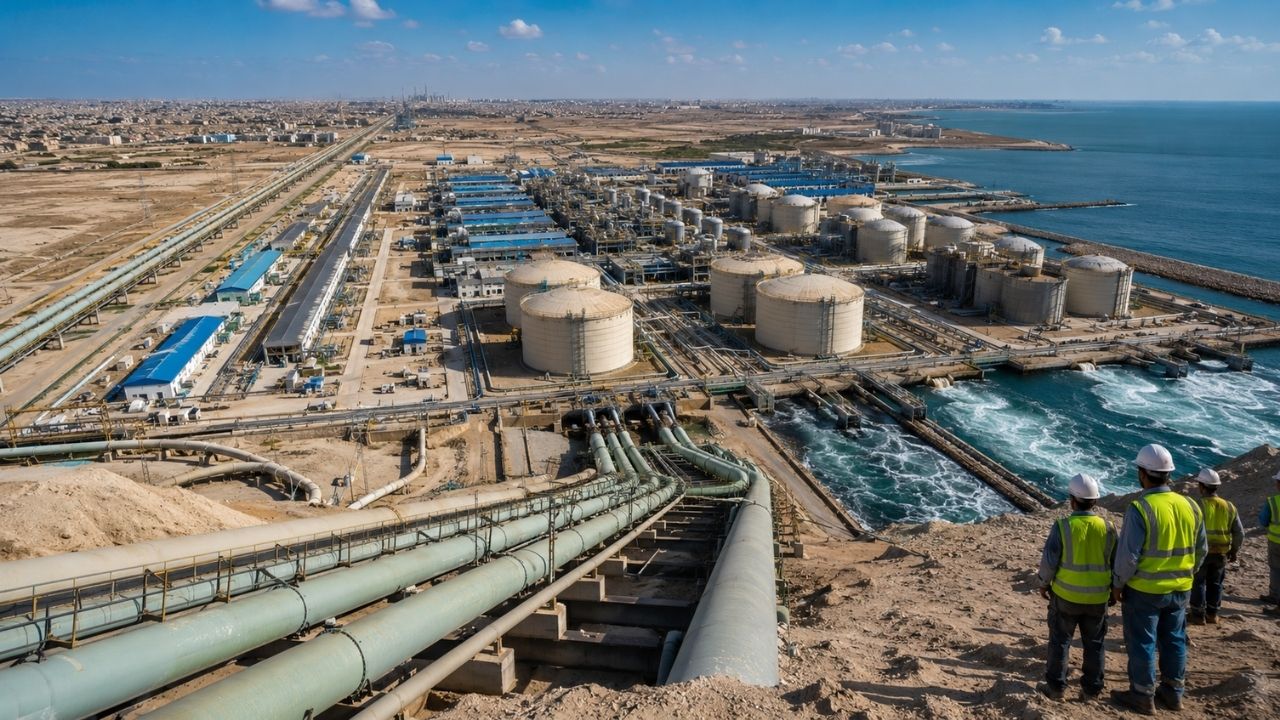
China enters a megaproject in Iraq to build a desalination plant capable of producing 1.1 million m³ of water per day, with giant tanks, 9 distribution stations, and 240 km of pipelines to supply potable water to the province of Basra.

Discussions highlighted that the rapid expansion of satellite constellations necessitates tighter coordination standards. With the entry of new commercial players, the risk of orbital congestion and space debris has become a political priority. For the leaders present, creating interoperable systems is the only way to ensure that the sector’s growth is sustainable in the long term, avoiding duplication of efforts and optimizing the use of limited resources.
The Rise of the Asia-Pacific Region
One of the highlights of the summit was the recognition of the Asia-Pacific region as the new engine of the space economy. Countries in the region are moving from experimental initiatives to robust operational capabilities, focused on practical applications such as environmental monitoring and urban infrastructure planning.
Unlike the Cold War era, the current race is characterized by public-private partnerships and scalable supply chains. Investors and agencies emphasized that to attract private capital, governments must provide clear political frameworks. The transition from purely visual “Earth observation” to actionable data analysis allows, for example, for the precise forecasting of natural disasters and optimization of precision agriculture, turning orbital pixels into tangible economic insights.
Challenges and the Path to Sustainability
Despite the optimism, the summit did not ignore the challenges. Space traffic management and satellite cybersecurity were recurring themes in the panels. The need for data sharing between nations was cited as crucial for global climate resilience.
As we move toward a future where the connection between satellites and terrestrial daily life is absolute, the alignment discussed in Singapore will serve as the instruction manual for this new decade.
The ultimate goal is to ensure that space technology continues to benefit humanity safely; just as the electric car aims to decarbonize our transportation, innovations beyond the atmosphere promise to protect and connect our planet intelligently.
At the conclusion of the Space Summit 2026, it became evident that for the electric car or any other infrastructure to fully function in the future, our gaze must be directed toward the stars.





Be the first to react!