





 Portuguese
  English
  Spanish
  6 min of reading
  0 comments


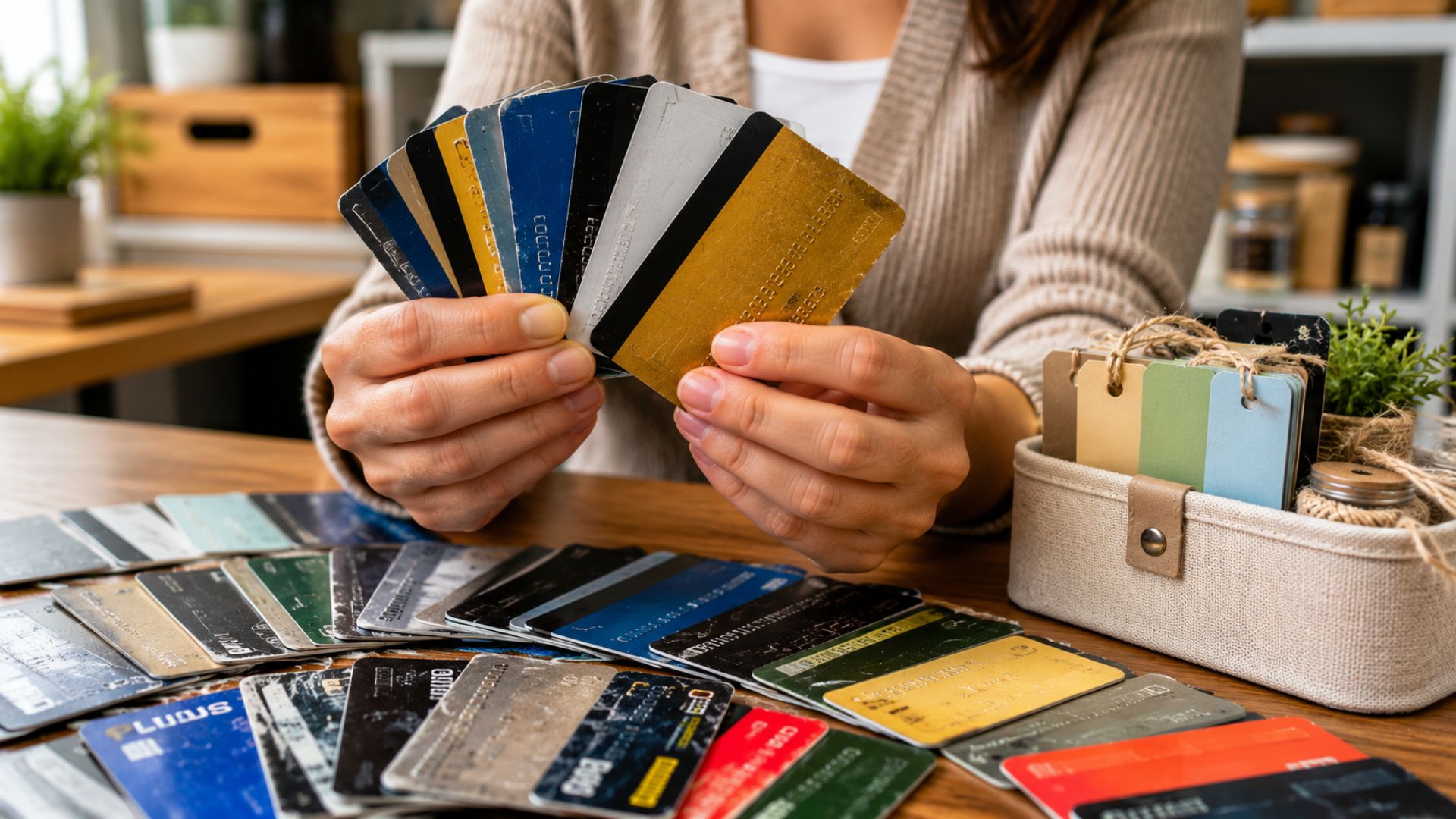
Expired cards can gain new utility in home organization when they are de-characterized and transformed into labels, dividers, and durable identifiers. With simple preparation, the rigid plastic stops occupying drawers without function and starts helping in the separation of containers, cables, keys, and small objects.
Expired credit, benefit, loyalty, and credential cards can stop being just unused plastic and gain practical function in home organization, as long as they are de-characterized before reuse.
Due to their resistance, standardized size, and ease of cleaning, these items serve as durable labels, dividers, and identifiers for drawers, containers, baskets, cables, and small household objects.
Reusing them appears as a simple alternative for those looking to organize spaces without buying new accessories, utilizing materials that often remain forgotten in drawers before going to waste.
-
Beneath the asphalt of a neighborhood in São Paulo, there was a hidden community of fugitive slaves from the 19th century with more than 40,000 sacred objects. The discovery halted the metro construction and added R$ 3.6 billion to the project.

-
The position that no one can explain: why Brazil still spends R$ 8 million per year on elevator operators even after the government officially recognized that the role became obsolete decades ago.

-
La Rinconada, the city at 5,100 meters altitude where 50,000 people challenge the limits of the human body in the Peruvian Andes: gold mining, thin air, extreme cold, and artisanal mining have transformed one of the highest places on Earth into a hub of survival above the clouds.

-
Without money, without machines, and with a sick husband, a family that lived on odd jobs dug a well with a hoe for 3 months under the light of a lantern and turned difficulties into an example of faith and hard work in the countryside of Minas Gerais.




Before any domestic use, however, it is essential to render personal information printed on the plastic unusable, especially when the card was linked to a bank, benefit, loyalty program, or access credential.
Numbers, printed name, expiration date, security code, bank logos, and any identifiable data should be covered, scraped, cut, or completely hidden to avoid undue exposure and give the object a neutral appearance.
Expired cards help organize containers, cables, and drawers
The combination of rigidity and compact size is the main advantage of plastic cards compared to paper labels, pieces of cardboard, or improvised identifiers that wear out easily.
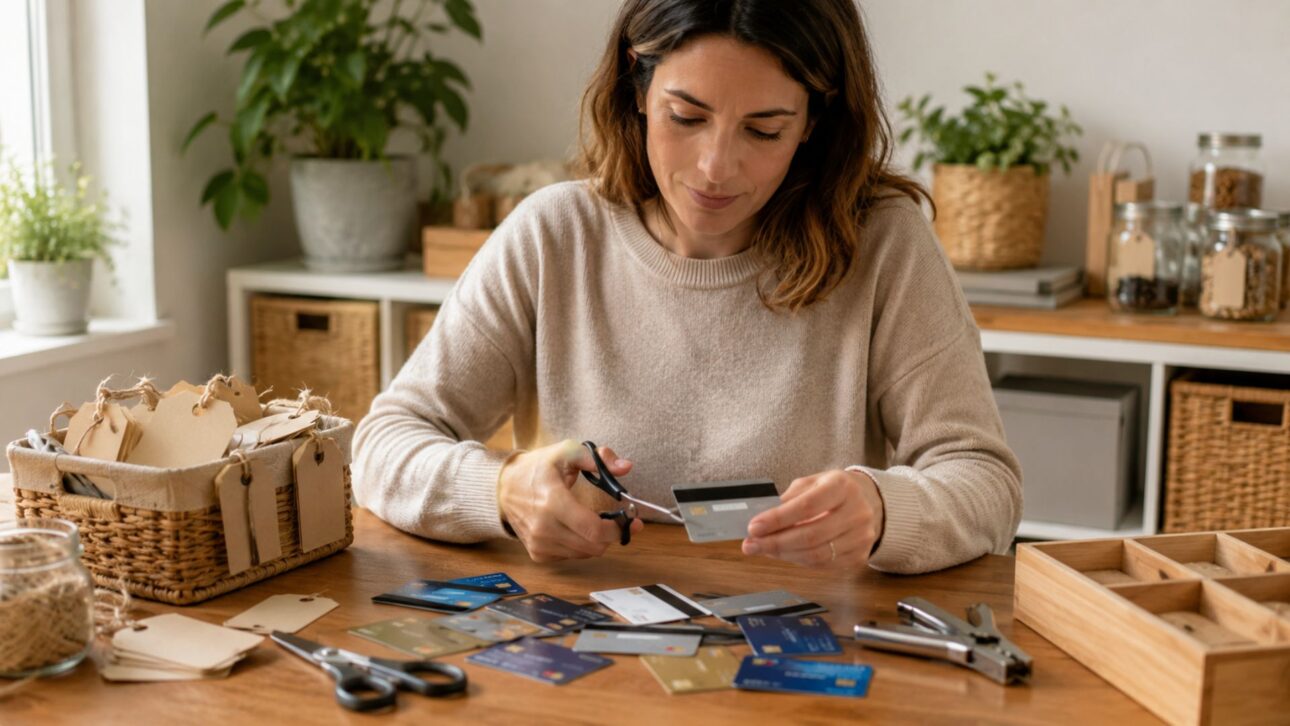
Since most follow similar dimensions, they allow for visually standardized identifiers for different areas of the house, without each label having an irregular shape or the appearance of a hastily made solution.
In the kitchen, the material can identify spice jars, grains, seeds, teas, and supplies stored in transparent containers, especially when organization relies on labels resistant to daily handling.
In baskets and organizer boxes, the cards also function as labels to separate cloths, cleaning products, sewing items, small tools, electronic accessories, or frequently used school supplies.
Inside drawers, the same material can become a simple divider for light objects, helping to keep rubber bands, clips, needles, threads, adapters, chargers, and small pieces in more defined spaces.
There is also an application in identifying cables and keys, two groups of objects that usually accumulate without a clear indication of use, origin, or purpose inside cabinets and drawers.
With a hole at one end, the piece can be attached with string, metal ring, tape, or thin cord, allowing you to indicate the function of each cable, the origin of a key, or the contents of a box.
Personal data must be removed before reuse
Reuse begins with choosing whole cards, without cracks and without broken parts, as damaged pieces can compromise the finish and reduce the durability of the label or divider.
Bank cards, old badges, points program cards, and expired credentials can be used, as long as they no longer have an active function and all sensitive information is removed or covered.
After selection, the format should be defined according to the intended use, taking into account the size of the jar, box, basket, or compartment where the identifier will be placed.
It is possible to keep the card rectangular, round the corners to soften the finish, or cut the piece into smaller sizes, especially when the purpose is to create discreet labels.
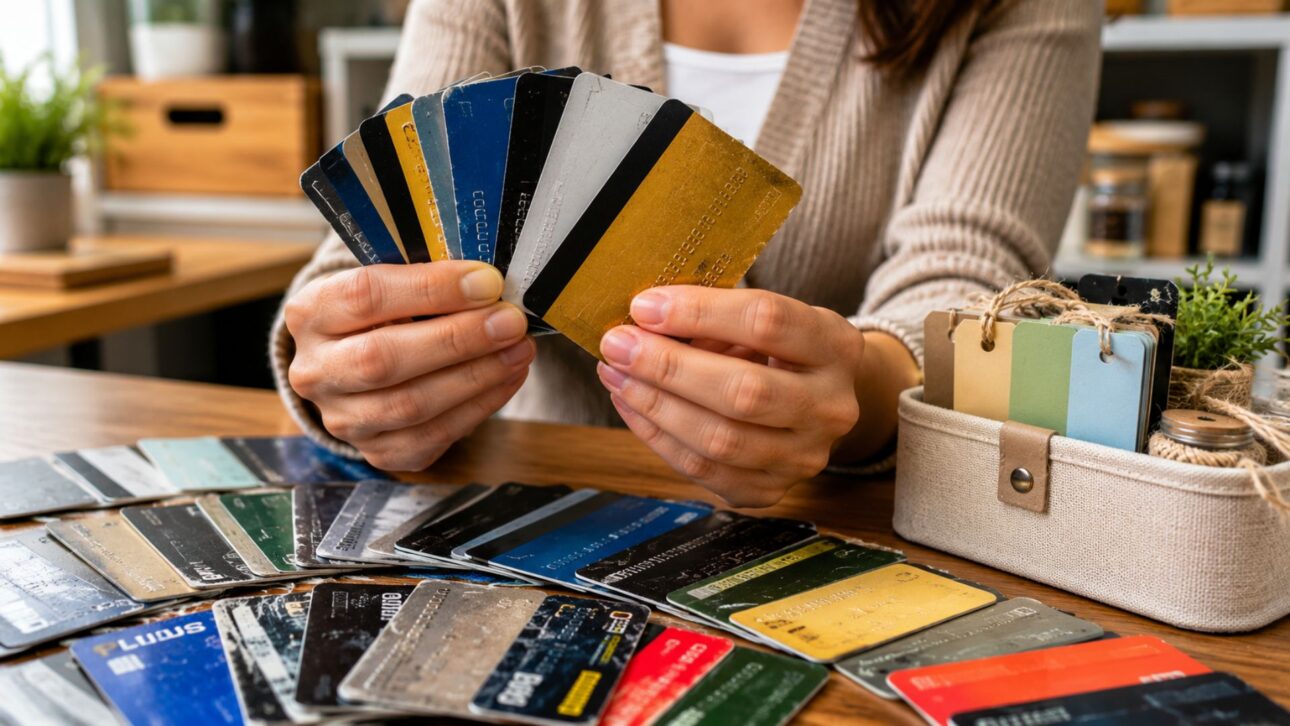
Due to its smooth and shiny surface, the plastic may make it difficult to fix ink, adhesive, or permanent marker when no preparation is done before personalizing the card.
A light sanding with fine sandpaper helps remove part of this shine, without deforming the material, and prepares the piece to receive paint, adhesive paper, self-adhesive vinyl, or manual writing.
Among all the steps, covering the original design deserves special attention, as it affects both the security of the data and the visual result of the repurposed organizer.
In addition to improving appearance, this covering prevents marks, bright colors, and old data from being visible, preventing the piece from looking like just a discarded card placed in another area of the house.
Simple finish transforms plastic into a durable label
For a more uniform result, neutral tones usually work better in home environments, especially when several cards will be used in the same space and will be visible on shelves, countertops, or niches.
White, black, beige, olive green, gray, and earthy colors match different decoration styles and make organizers less visually cluttered, without drawing more attention than the identified content.
Painting can be done with acrylic paint or spray suitable for plastic, always in thin layers and with drying time between applications to avoid marks, drips, or coverage failures.
Those who prefer to avoid paint can cover the card with adhesive paper or self-adhesive vinyl, trimming the edges to keep the finish clean and reduce the appearance of improvisation.
Once the base is dry, the identification can be written by hand with a permanent marker or a pen appropriate for the chosen surface, as long as the ink has good adhesion.
Simple terms, such as “cables,” “keys,” “spices,” “sewing,” “seeds,” “tools,” and “stationery”, make the label objective and easy to understand in daily use, without excess visual information.
For those seeking a more aligned pattern, it is also possible to print words on adhesive paper and apply them over the already prepared card, maintaining the same font on all identifiers.
This solution helps mainly in organizing open shelves, pantries, service areas, or visible niches in bedrooms and offices, where the appearance of the labels influences the overall reading of the environment.
Common mistakes harm the appearance of organizers
Keeping the original design visible is one of the main problems with this type of reuse, because logos, strong colors, and old inscriptions tend to compete for attention with the function of the new label.
When the card preserves the previous visual identity, the result can look improvised and compromise the harmony of the space, even if the organizing function is efficient in daily use.
Another frequent mistake involves writing directly on the shiny surface without preparing the plastic, a practice that reduces ink adhesion and makes the identification more vulnerable to wear.
In these situations, the writing may fail, smudge, or fade over time, especially on pieces handled frequently or exposed to light moisture, such as kitchen containers and laundry baskets.
Poorly made cuts also affect the finish, especially when they leave burrs, crooked edges, or sharp corners on a piece that will be frequently handled during routine use.
The ideal is to use sturdy scissors or a utility knife with secure support, mark the lines with a ruler, and smooth the edges with fine sandpaper after cutting, making the piece more pleasant to the touch.
Drilling must follow the same care applied to cutting, as a poorly positioned hole can weaken the edge and reduce the lifespan of the repurposed label.
Repurposing avoids immediate disposal
The proposal does not eliminate the need for proper disposal when the card can no longer be used, but it expands the possibilities of use before the plastic is permanently removed from the domestic routine.
Even so, delaying disposal through a new function helps reduce small purchases of organizers, labels, and dividers, especially in simple tidying tasks.
Due to the durability of plastic itself, these pieces also prove useful in places where paper labels wear out quickly, lose legibility, or need frequent replacement.
In fabric baskets, plastic boxes, transparent containers, and frequently used drawers, the repurposed card tends to better resist friction and occasional cleaning.
For those who desire a more discreet look, standardization remains the central point, as different cards can appear disorganized when they retain original colors, fonts, and brands.
With the same paint, the same identification font, or the same type of adhesive, varied pieces gain visual unity and start to function as a planned part of the organization.
The repurposing of expired cards depends less on advanced technique and more on attention to preparation, especially in the removal of personal data, choice of finish, and definition of use.
With proper de-characterization, simple finishing, and coherent application, an object usually forgotten in drawers can become a durable solution for organizing small items that easily get lost in daily life.





Be the first to react!