





 Portuguese
  English
  Spanish
  4 min of reading
  0 comments


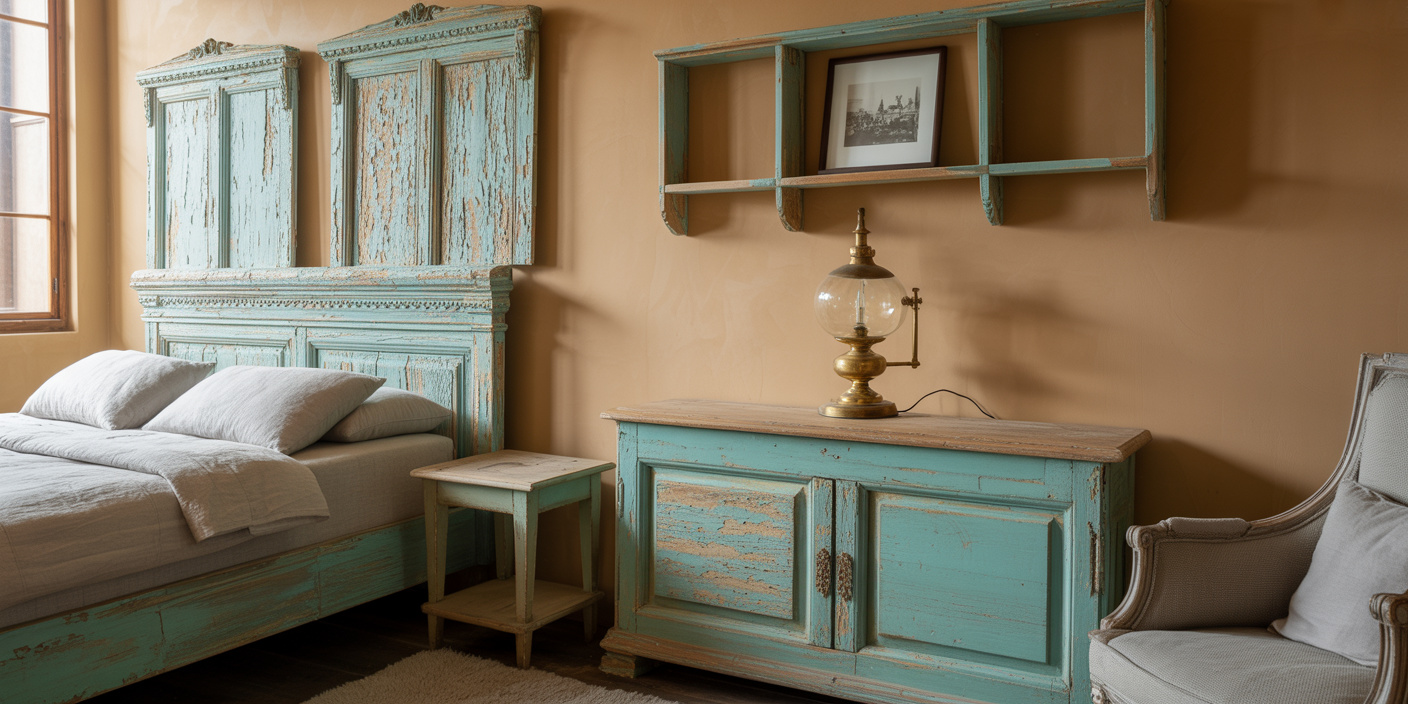
Antique Demolition Doors Are Being Transformed Into Tables And Countertops, Preserving High-Quality Hardwood, Reducing Costs, And Creating Unique Furniture Outside Industrial Standards.
For decades, wooden doors have been manufactured in Brazil using materials that are increasingly rarer in the market today. In old properties, especially those built until the second half of the 20th century, the use of high-density hardwood, such as rosewood, imbuiá, cedar, angelim, and other noble species, was common. As renovations, demolitions, and replacements with lighter industrialized doors advanced, this material began to be discarded, often without proper reuse.
In recent years, architects, carpenters, and construction professionals have started to reclaim these old doors and transform them into tables, countertops, desks, and structural tops, creating functional and aesthetically unique furniture. The practice, widely documented in Brazilian architecture and decoration publications, has ceased to be an exception and has consolidated as a sustainable and economically viable alternative.
The Hardwood That Has Disappeared From The Modern Market
According to reports from Casa Vogue Brasil, a large part of the old doors removed from houses and buildings is made of wood that would hardly be found today in conventional carpentry stores. The environmental and legal cost of extracting these species has limited their commercialization, which has significantly increased the price of hardwood in the formal market.
-
Minha Casa Minha Vida for the elderly: the 80-year rule can double financing installments; see rules and age limit

-
A large part of the Netherlands lies below sea level and remains dry only because an invisible machine of dikes, pumps, and giant gates works nonstop, a system born from the tragedy of 1953, when the North Sea invaded the country and killed 1,836 people.

-
The largest bridge in Finland has just been inaugurated and cars simply cannot pass on it; only trams, bicycles, and pedestrians are allowed to cross the 1.2 km giant with a 135-meter pillar over the Baltic Sea.
-
Larger than Belgium and nestled at the mouth of the Amazon, Marajó Island is a giant that Brazil has forgotten, surrounded by water and energy on all sides, yet still isolated, poor, and dependent on diesel brought by barge.




By repurposing an old door, the professional preserves not only the material itself but also natural characteristics such as grains, knots, signs of aging, and small imperfections that have come to be valued as aesthetic elements. These characteristics differentiate the final piece from industrialized, standardized, and mass-produced items.
From Demolition To Countertop: How The Reuse Works
The transformation process generally begins during residential renovations or controlled demolitions. Doors are carefully removed to avoid cracks or warping. After removal, they undergo a simple structural assessment to identify wear points, the need for reinforcement, or adjustments.
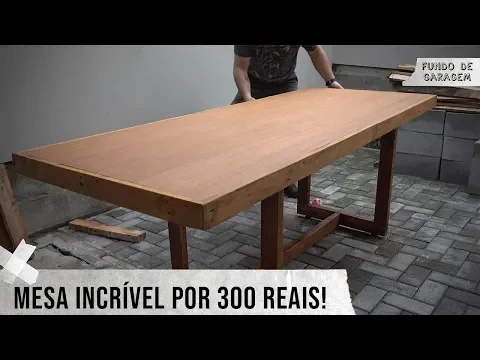

As demonstrated in projects published in ArchDaily Brasil, many doors can be reused almost entirely as tabletops, requiring only the removal of hardware, locks, and hinges. In other cases, sanding, leveling, and the application of sealants or varnishes are performed to protect the surface.
The door is then combined with various bases, such as metal legs, industrial sawhorses, concrete structures, or supports made from reclaimed wood, forming robust tables and countertops with minimal intervention.
Tables And Countertops That Do Not Exist In Stores
One of the main attractions of this type of reuse is its exclusivity. Each door carries unique dimensions, shades, and marks that cannot be reproduced in series. As a result, the tables and countertops created from these pieces do not follow commercial catalogs and cannot be found ready-made in conventional stores.
Specialized magazines point out that this factor has boosted the use of old doors in kitchens, gourmet areas, home offices, and commercial spaces, where visual identity has become a valued differentiator.

Additionally, the thickness and strength of the wood allow it to be used as a functional countertop capable of supporting heavy weights and continuous use, something that many industrial panels do not offer.
Reducing Costs And Smart Use Of Resources
From an economic perspective, repurposing old doors represents a significant cost reduction. While new solid wood tabletops can reach high prices, reused doors are often obtained for low prices or even for free during demolitions.
This logic makes the technique attractive both for professionals and for individuals wanting to create custom furniture without resorting to high-cost traditional carpentry. The investment focuses on finishing and structural base, not on the main material.
Sustainability Applied To Construction And Design
In addition to cost savings, repurposing old doors is directly tied to circular economy practices. Each reused door means less discarded wood, lower demand for new resources, and reduced waste from construction sites.
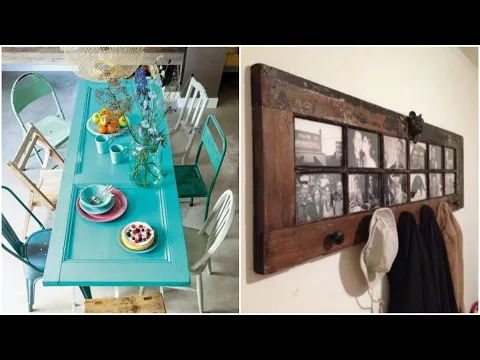
Brazilian architects mentioned in reports from Casa Vogue highlight that this type of solution combines environmental responsibility with aesthetic appreciation, contributing to more conscious projects without sacrificing functionality.
A Practice That Unites Architecture, Carpentry, And Memory
More than just a simple reuse, transforming old doors into tables and countertops preserves fragments of the history of the properties they came from. Elements such as carvings, signs of use, and aged tones become part of the final piece, creating items that carry memory and identity.
What was once seen as debris has now taken a central role in residential and commercial spaces, proving that discarded materials can gain new functions when viewed from another perspective.







-

-

-

3 people reacted to this.