





 Portuguese
  English
  Spanish
  4 min of reading
  0 comments



In a Detailed Simulation of Financing a Car Worth R$ 97 Thousand, with a Down Payment of R$ 53 Thousand, a Term of 36 Months, and an Interest Rate of 1.8% per Month, the Data Show How the Combination of a High Down Payment and a Shorter Term Reduces the Weight of Interest in the Final Cost of the Vehicle
A simulation of car financing presented by content creator Thiago Siqueira details how simple decisions – such as the down payment amount and the contract term – directly influence the final cost of a vehicle.
The example analyzes the purchase of a vehicle valued at R$ 97 thousand, with a high down payment and financing for 36 months, highlighting the reduced impact of interest in this scenario.
Vehicle Value and Down Payment Composition in Car Financing
In the case presented, the car has a total price of R$ 97,000. The buyer offers a down payment of R$ 53,000, equivalent to just over 54% of the value of the asset.
-
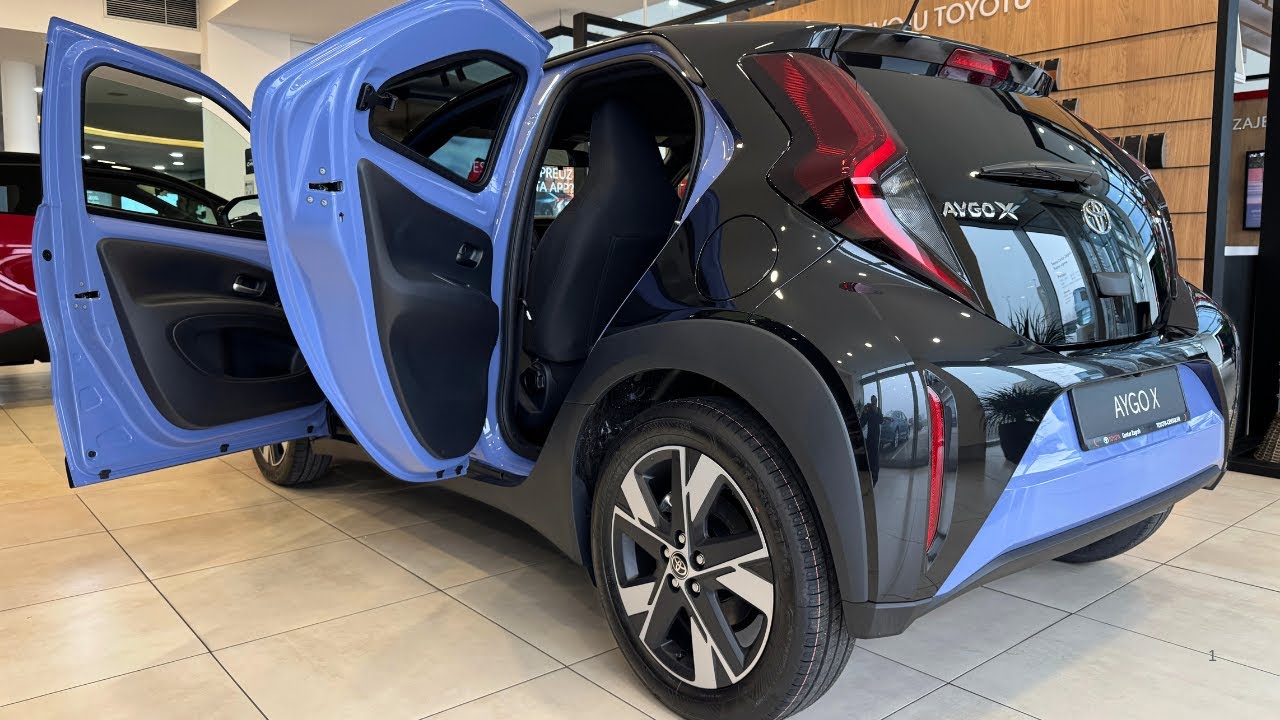
Toyota Aygo X Hybrid arrives with a 1.5 hybrid engine of 116 hp and consumption of up to 27 km/l, more economical than many popular models sold in Brazil; the urban crossover showcases a compact, powerful, and economical Toyota that Brazilians do not find in European dealerships.

-
Toyota Yaris ATIV arrives in the automotive market cheaper, in direct conversion, than Nissan Versa, Honda City, and automatic versions of Onix Plus and HB20S in Brazil; the hybrid sedan has a 1.5 engine, e-CVT, 111 hp, and 29.4 km/l, while the Yaris was discontinued here and continues to be sold in Thailand.
-
Europeans now have a new goal: electric cars with solar panels – they could cover up to 80% of their energy needs.

-
Woman buys lifetime warranties for all parts of her 1964 car and keeps the car running for almost 50 years


As a result, the amount effectively financed drops to R$ 44,000. This figure is central to understanding the final result of car financing, as interest is charged exclusively on the financed amount.
The higher the down payment, the lower the initial outstanding balance. In operations with a reduced down payment, the financed amount increases, and even if the interest rate is similar, the final cost tends to increase significantly over time.
Term of 36 Months and Rate Applied in the Simulation
The term chosen for financing a car in the example is 36 months, or three years.
This period is shorter than what is common in much of the Brazilian market, where financing often reaches 48 or 60 months. The interest rate considered in the simulation is 1.8% per month, used only as a reference.
The content emphasizes that this rate may vary according to the buyer’s credit score, the car’s year, the customer’s financial profile, and the policies of each financial institution. Still, the simulation allows for a clear visualization of the combined effect of a short term and a high down payment.
Installment Amount and Total Paid Over the Term of the Contract
Under these conditions, financing a car results in fixed installments of R$ 1,671.29 over the 36 months. By the end of the term, the total paid just in installments amounts to R$ 60,166.39. Of this amount, R$ 16,166.39 corresponds to the interest charged by the operation.
The interest represents about 27% of the total paid in the installments. When added to the initial down payment of R$ 53,000, the total cost of the vehicle reaches R$ 113,166.39 at the end of the financing, considering all the expenditure made by the buyer throughout the process.
Why Interest Seems Lower in This Car Financing
The simulation draws attention because the absolute value of the interest may seem low compared to other vehicle financings. The explanation lies mainly in two factors: the high down payment and the reduced term.
By financing less than half the value of the car, the buyer limits the base on which the interest is calculated. Additionally, by opting for a term of only three years, the capital remains exposed to monthly interest for a shorter duration.
In longer financings, the compounded effect of time tends to significantly increase the total cost.
Comparison with Longer Financings
In the market, many consumers choose longer terms to reduce the value of monthly installments. However, this decision usually increases the total cost of car financing. Even with seemingly more affordable installments, the final amount paid tends to be significantly higher due to the accumulation of interest over the years.
The simulation reinforces that analyzing only the installment value can be misleading. The most relevant indicator for evaluating financing is the total paid at the end of the contract, summing up down payment, installments, and interest.
Importance of Simulation Before Closing the Contract
The example presented highlights the importance of simulating different scenarios before taking on car financing.
Changing the down payment amount or the term can significantly alter the impact of credit on the budget. For those who can offer a larger down payment and take on higher installments for a shorter time, the financing tends to be less burdensome.
The analysis also helps clarify basic concepts of vehicle credit, showing how choices made at the beginning of the contract directly influence the final cost of a high-value asset.









-

-

-

3 people reacted to this.