





 Portuguese
  English
  Spanish
  3 min of reading
  0 comments



Regulatory Pressure, Global Market Demand, and Operational Gains Place Sustainability at the Center of Industrial Strategies
Sustainability has progressively ceased to be a voluntary differential and has come to occupy a central position in the competitiveness of the Brazilian industry. In January 2025, the pressure for structured environmental management, energy efficiency, and ESG practices redefined the operational logic of industrial companies. Thus, isolated actions gave way to formal systems, consistent metrics, and continuous governance, demanded by increasingly integrated and rigorous supply chains.
In this scenario, manufacturers from different segments began to adopt environmental management systems with recurrent audits and continuous improvement plans. Furthermore, stricter regulations and international buyers increased oversight over emissions, energy consumption, waste management, and occupational safety. As a direct consequence, the Brazilian industrial sector initiated a structural transformation, adopting international standards as a basis for productivity gains and maintenance of global competitiveness.
This movement gained even more strength in 2025 with the holding of COP30 in Belém, which reinforced international commitments related to climate adaptation, energy transition, and resource mobilization. From this milestone, sustainability definitively ceased to be optional and became part of the survival strategy of supply chains. Thus, ESG established itself as an essential component of operational efficiency and industrial positioning in the international market.
-
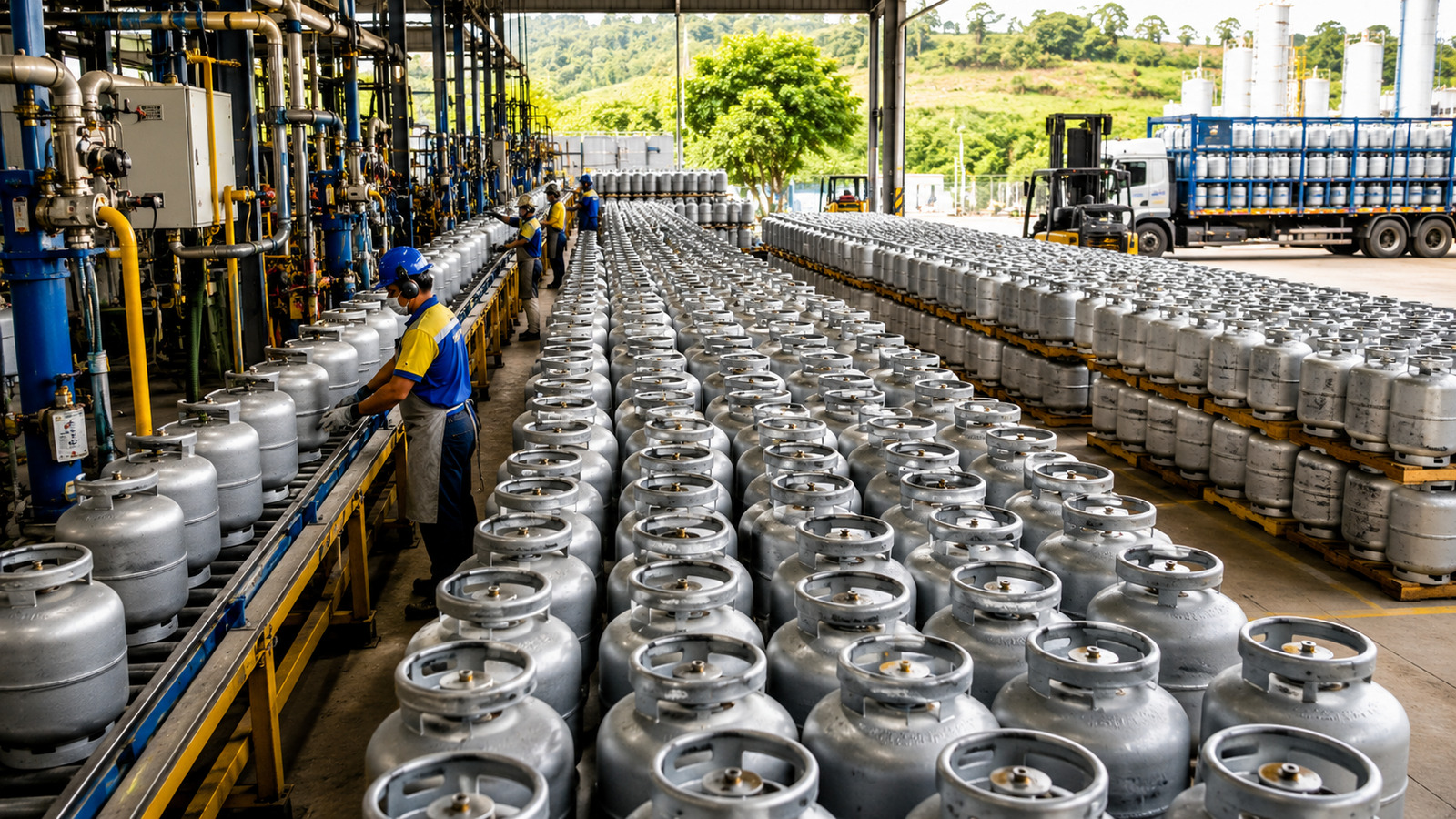
How does Brazil manage to deliver 13 gas cylinders per second?

-
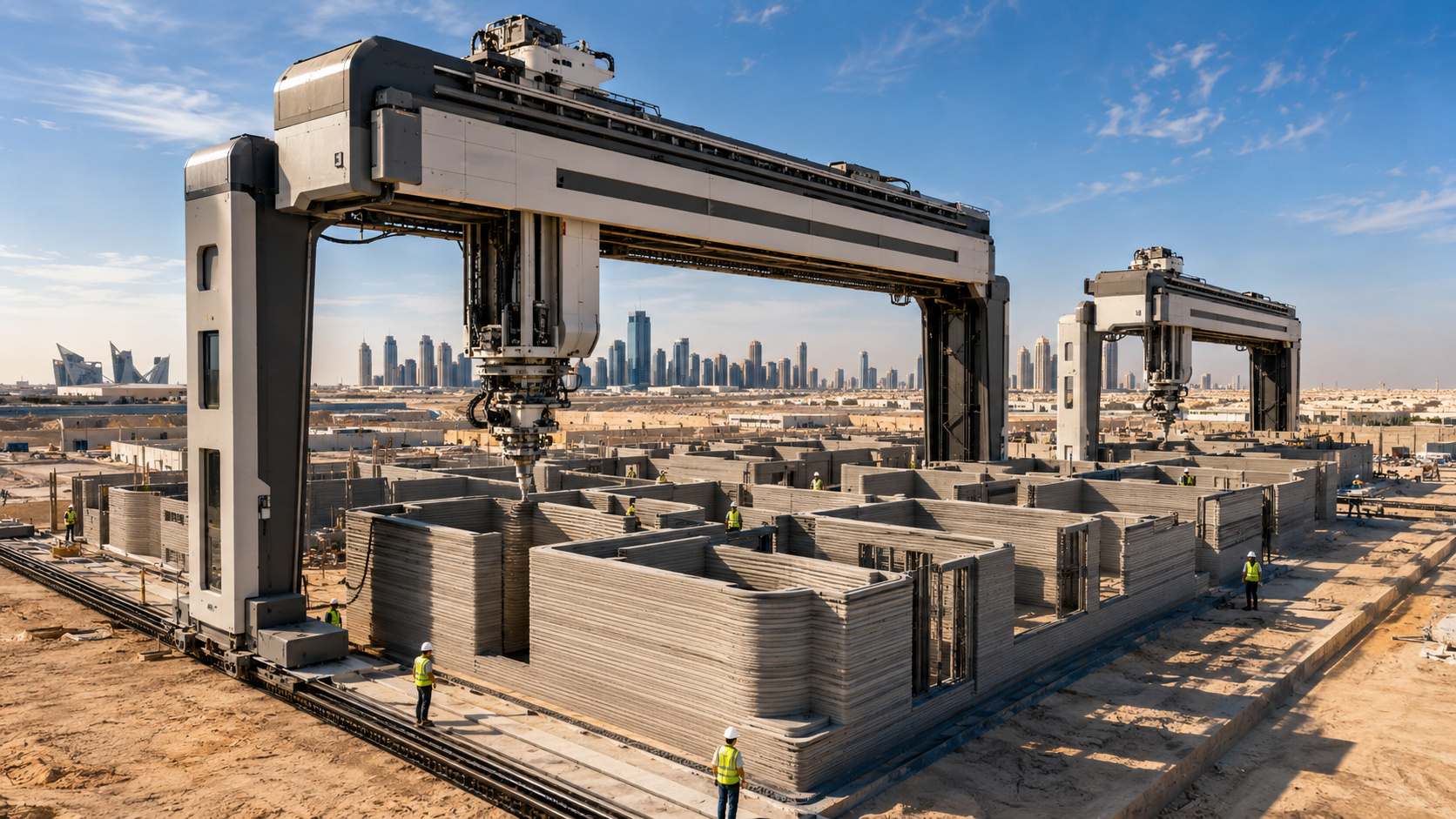
While school construction still relies on months of traditional masonry, in Qatar two 50-meter 3D printers will build entire schools in concrete with machines the size of a construction site.

-
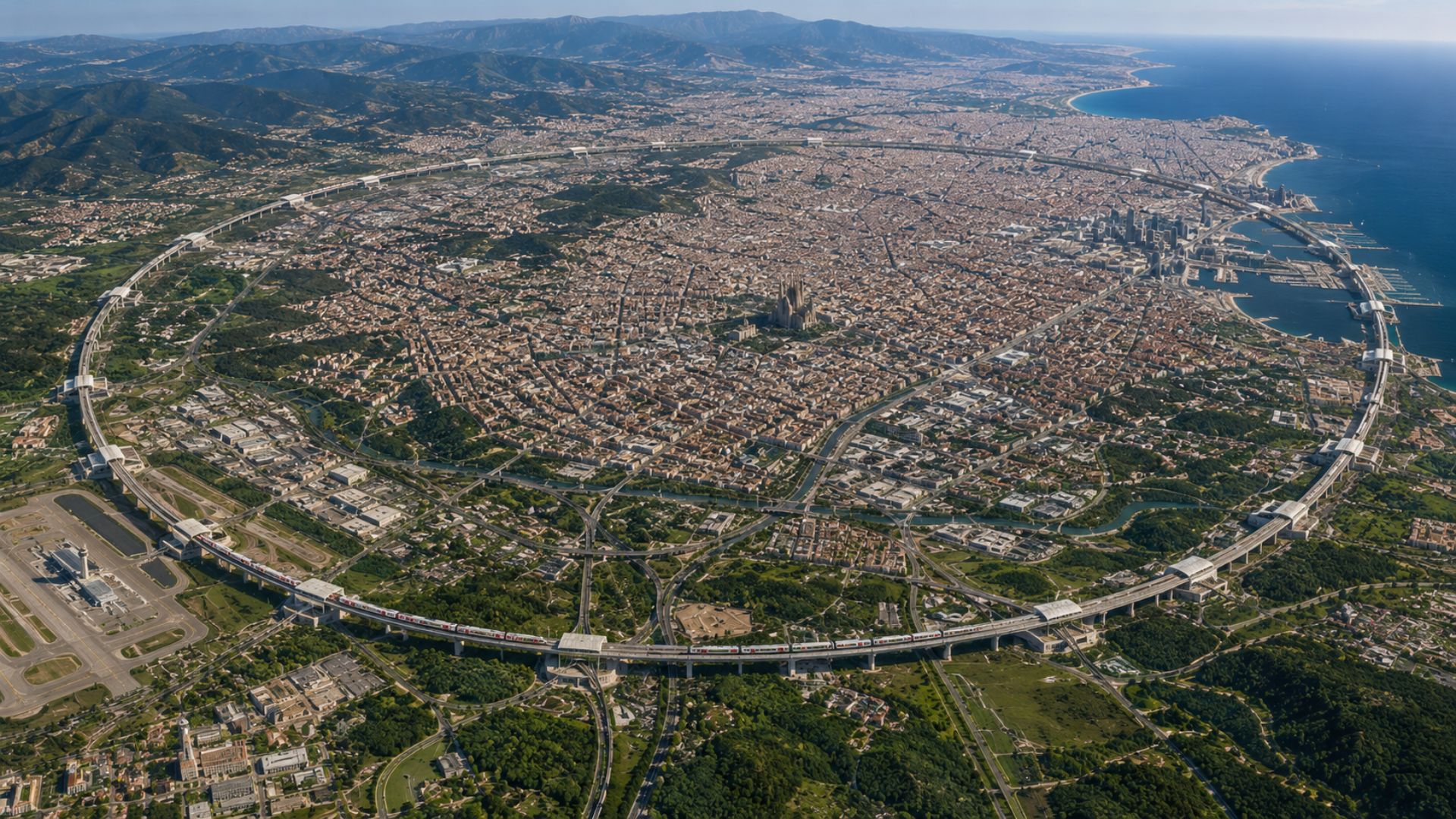
While many footbridges only serve to cross avenues, in Tehran a 270-meter bridge transforms into a suspended square with three levels, connects two parks, and even passes over a busy highway.
-
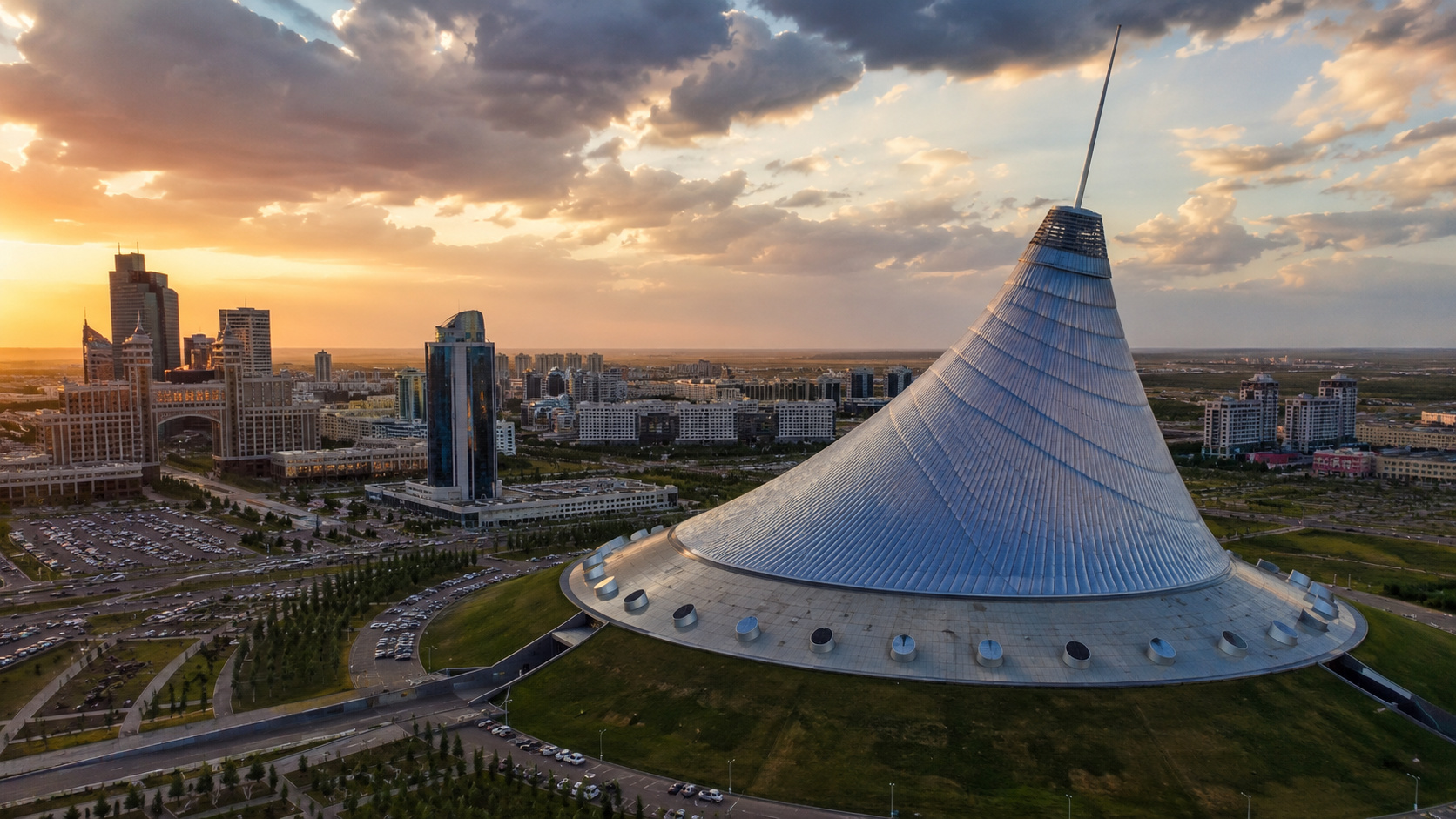
While many regular shopping malls resemble concrete boxes, in Kazakhstan a transparent tent of 150 meters houses an artificial beach, an urban park, and an entire shopping center under a tensioned canopy.

Inserted in this context, Starrett, a global manufacturer of cutting and measuring tools, formalized its environmental processes through ISO 14001 certification, recently obtained. This achievement consolidated structured work over the years, involving operational safety, energy efficiency, and waste governance. During the process, the company revised procedures, expanded training, and reinforced practices aimed at protecting employees. According to Rodolfo Garcia, ESG coordinator, the certification required not only legal compliance but also a cultural shift, demonstrating that all industrial activity generates environmental impact and needs to be controlled systematically.
From an environmental perspective, one of the most relevant advances was the energy efficiency project initiated in 2021. Since then, continuous monitoring of consumption has allowed for a reduction exceeding 40%, making the operation more sustainable and economically efficient. In parallel, improvements in process engineering, such as the adoption of a new oil in grinding machines, resulted in a reduction of 78.2 tons of CO₂e, alongside gains in health and safety. On the social axis, between 2024 and 2025, the company directed investments toward recycling cooperatives, cultural programs, inclusion actions, and support infrastructure. Currently, more than 100 ESG indicators are monitored quarterly, allowing for continuous strategic adjustments and reinforcing the understanding that industrial sustainability is now a direct vector of efficiency, engagement, and competitiveness, but to what extent will the Brazilian production sector be able to accelerate this transformation in the face of growing global market demands?







Be the first to react!