





 Portuguese
  English
  Spanish
  6 min of reading
  0 comments


2-year-old boy used his mother’s phone during a family lunch and made an unexpected purchase on a store app, with card and address already registered. The case drew attention due to the sofa’s price, the surprise delivery, and the necessary precautions for online shopping.
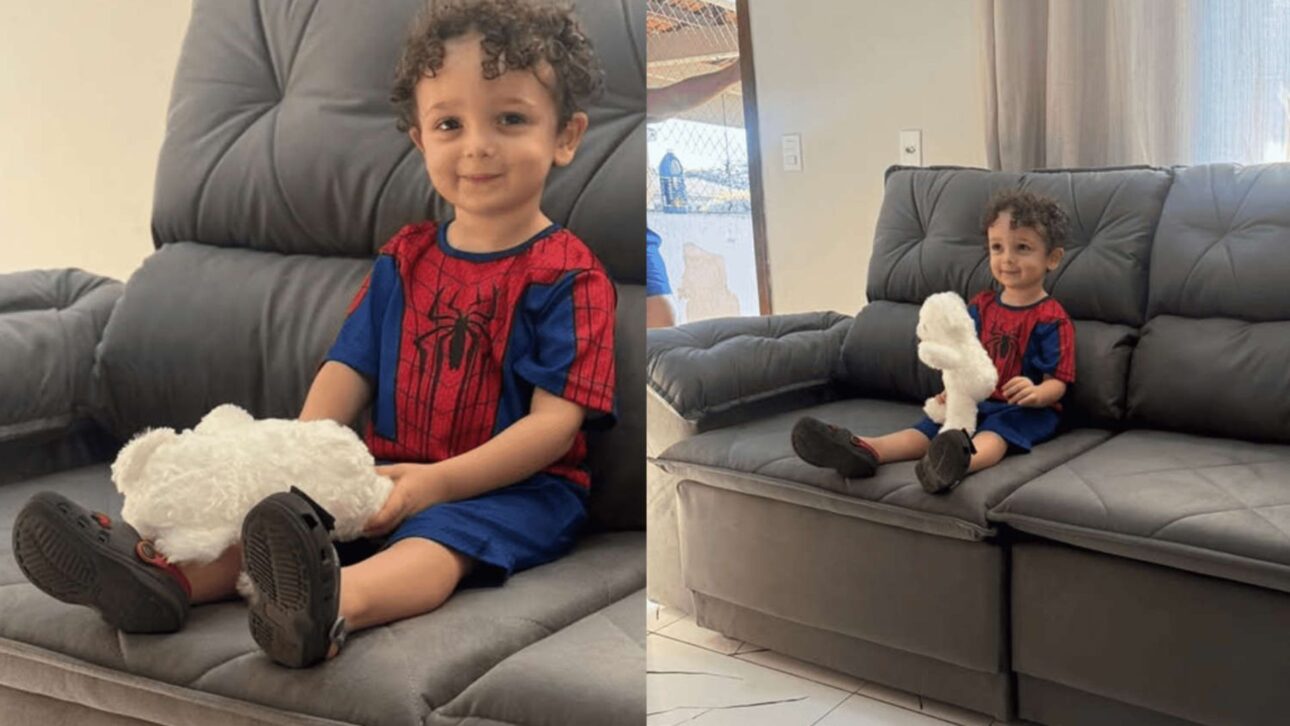
Matias, 2 years old, bought a sofa for R$ 1,957.89 by himself using his mother’s phone during a family lunch in Vila Velha, Greater Vitória.
According to g1, the purchase occurred on May 31, through a furniture and appliance store app, and was only discovered on June 2, when the delivery person arrived at the child’s grandmother’s address in the Santa Mônica neighborhood.
The order was placed through the account of advertising professional Giselle Madeira, the boy’s mother, who already had her credit card registered in the app and the delivery address saved. With these details recorded, the purchase was completed with just one click and split into ten installments.
-
Greek island offers free housing for volunteers, but there’s a condition: you need to take care of rescued cats.

-
A simple project to install light poles in a village turned into a historical mystery when workers dug up the ground and found, buried for decades 230 meters from where it should have been, an intact object that still showed signs of life.

-
After decades of facing roads, sleepless nights, and thousands of kilometers behind the wheel, a former driver discovers that his retirement is far below expectations and reveals the little-known reality behind the CFA and the rules that surprise transportation professionals.

-
Northeastern city surprises in quality of life ranking, scores 67.73 points and surpasses major capitals like Recife, Salvador, and Fortaleza




The family only realized the situation after Giselle received a call from the delivery person, who informed her he was at the indicated location to drop off the sofa. Without suspecting the order’s origin, she informed her sister, small business owner Monike Madeira, to receive the product at the gate.
Sofa purchase was discovered upon delivery
The surprise began when the sisters started questioning the sofa’s origin, according to a report by Giselle on social media and reproduced by g1. Upon arriving at work, the advertising professional found several messages asking who had bought the furniture.
At that moment, Monike believed that Giselle had bought the sofa as a gift for their mother, who was renovating her house. The hypothesis seemed plausible to the family, as Matias’s grandmother was undergoing renovations the previous week.
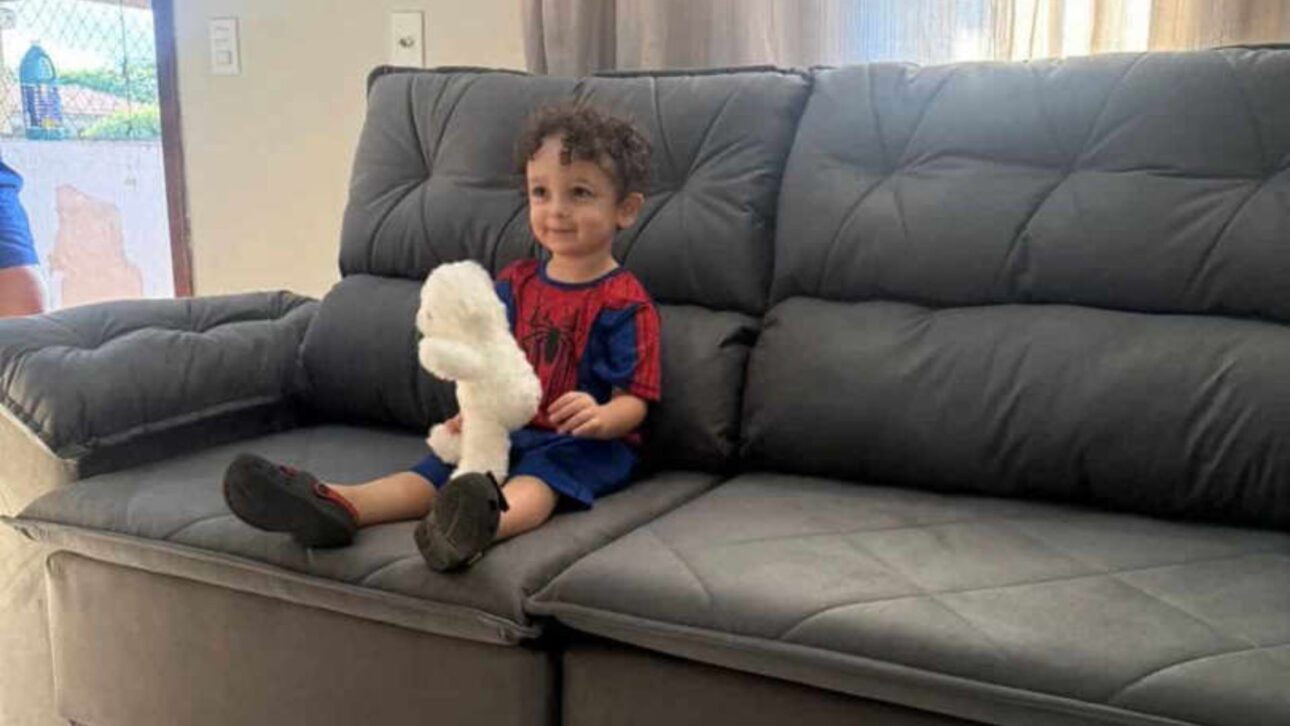
Giselle, however, denied having made any purchase and accessed the store’s app to check the history. It was then that she found out that the order had been placed through her account, with the registered credit card and her mother’s address saved for delivery.
From this check, the sisters tried to reconstruct what had happened and remembered that Matias used his mother’s cell phone during the family lunch to take pictures of the relatives. The comparison between the time of the images and the time of the order helped clarify the case.
From the records, Giselle concluded that the boy had accessed the app and completed the purchase without realizing it. As Monike told g1, Matias usually does not have free access to the cell phone and watches videos only on the television.
Recently, however, the child started asking for the device to take photos. During lunch, he went around the chairs photographing the family members, at which point he must have made the purchase without the adults noticing.
Order was placed with already registered card
The case drew attention because the purchase was completed with a few taps on the screen, without the need to enter new payment or address details. Since the credit card and delivery location were already saved, the order was finalized quickly.
In total, the sofa cost R$ 1,957.89 and was split into ten installments. The delivery was directed to the child’s grandmother’s house, in Santa Mônica, a neighborhood of Vila Velha, in the Metropolitan Region of Vitória.
After identifying the origin of the order, Giselle tried to find a way to cancel the purchase through the app. According to what she reported on social media, the platform indicated that the product could no longer be returned because it was already with the carrier.
The guidance displayed in the system was that, to refuse the delivery, the product should not be received. The impasse arose because Monike had already accepted the sofa at Giselle’s request, before the family discovered that the purchase had been made by Matias.
With the situation clarified, the sisters resolved the issue within the family. Monike decided to keep the furniture and take over the installment payments for Giselle, ending the confusion caused by the unexpected purchase.
Right of withdrawal applies to online purchase
Despite the solution found by the family, g1 consulted civil lawyer Suellen Mendes, a specialist in consumer relations, to explain what the consumer’s rights would be if Monike had not kept the sofa.
According to the lawyer, Giselle could return the product based on the right of withdrawal, provided for purchases made outside physical stores, such as those made through websites or apps. In this situation, withdrawal can occur even without a defect in the product.
The specialist explained that the consumer has up to seven days, counted from the date of receipt, to inform the store of the withdrawal. Within this period, it is possible to request the return of the item and receive a refund of the amount paid.
Suellen Mendes also told g1 that the costs of shipping and returning the product are the responsibility of the supplier. Thus, the store must ensure that the customer can exercise this right when the purchase has been completed online.
Another point highlighted by the lawyer is that the mere receipt of the product does not prevent the right of withdrawal. As the specialist explained, the impossibility mentioned in the app referred to cancellation before delivery, not to return after receipt.
After receiving the sofa, therefore, the consumer could still request a return within the legal period. The rule applies to online purchases even when the product is in perfect condition and exactly matches the item purchased.
Card saved in app requires caution
The episode also raised an alert about the use of cell phones by children and the practice of keeping credit cards registered in shopping apps. Commenting on the case, Giselle stated that she learned two lessons from the situation.
For Matias’s mother, the incident reinforced the importance of not leaving the phone in the hands of children without supervision and avoiding keeping the card saved in apps. The recommendation gained weight because the purchase was completed without additional confirmation barriers.
The lawyer Suellen Mendes emphasized to g1 that an important measure is to activate confirmation mechanisms before any payment. Password, facial recognition, or biometrics can make it difficult for purchases made by children or unauthorized third parties.
In the expert’s assessment, the guidance applies to both store apps and digital wallets and contactless payments on the phone itself. Double verification acts as an extra layer of security before completing a purchase.
Besides the risk of accidental purchases made by children, cards saved in digital environments can also facilitate criminal activity, according to the lawyer. Therefore, the guidance is to avoid storing bank data in apps, even when it makes the purchase faster.
Matias’s case ended without direct loss for the family, as the aunt decided to keep the sofa and pay the installments. Even so, the situation exposed how online purchases can be completed quickly when payment and delivery data are already registered.


Be the first to react!