





 Portuguese
  English
  Spanish
  3 min of reading
  0 comments


Experimental material developed with deactivated baker’s yeast, cellulose, algae, plant sugars, and water can open new possibilities for 3D printed internal parts, but still depends on tests of durability, moisture, acoustic performance, thermal behavior, and industrial-scale production.
Baker’s yeast, a common ingredient in bread, beers, and pizza dough, became the base of a biomaterial created for 3D printing of lightweight architectural pieces, such as panels, partitions, and internal screens capable of softening sunlight.
Biomaterial combines yeast, wood, and algae
The material was developed from a malleable paste with deactivated yeast, wood cellulose fibers, algae alginate, plant sugars, and water.
The mixture forms a homogeneous hydrogel, similar to gelatin, capable of maintaining shapes during digital manufacturing. The proposal combines design focused on circularity, sustainable biomaterials, and 3D printing.
-
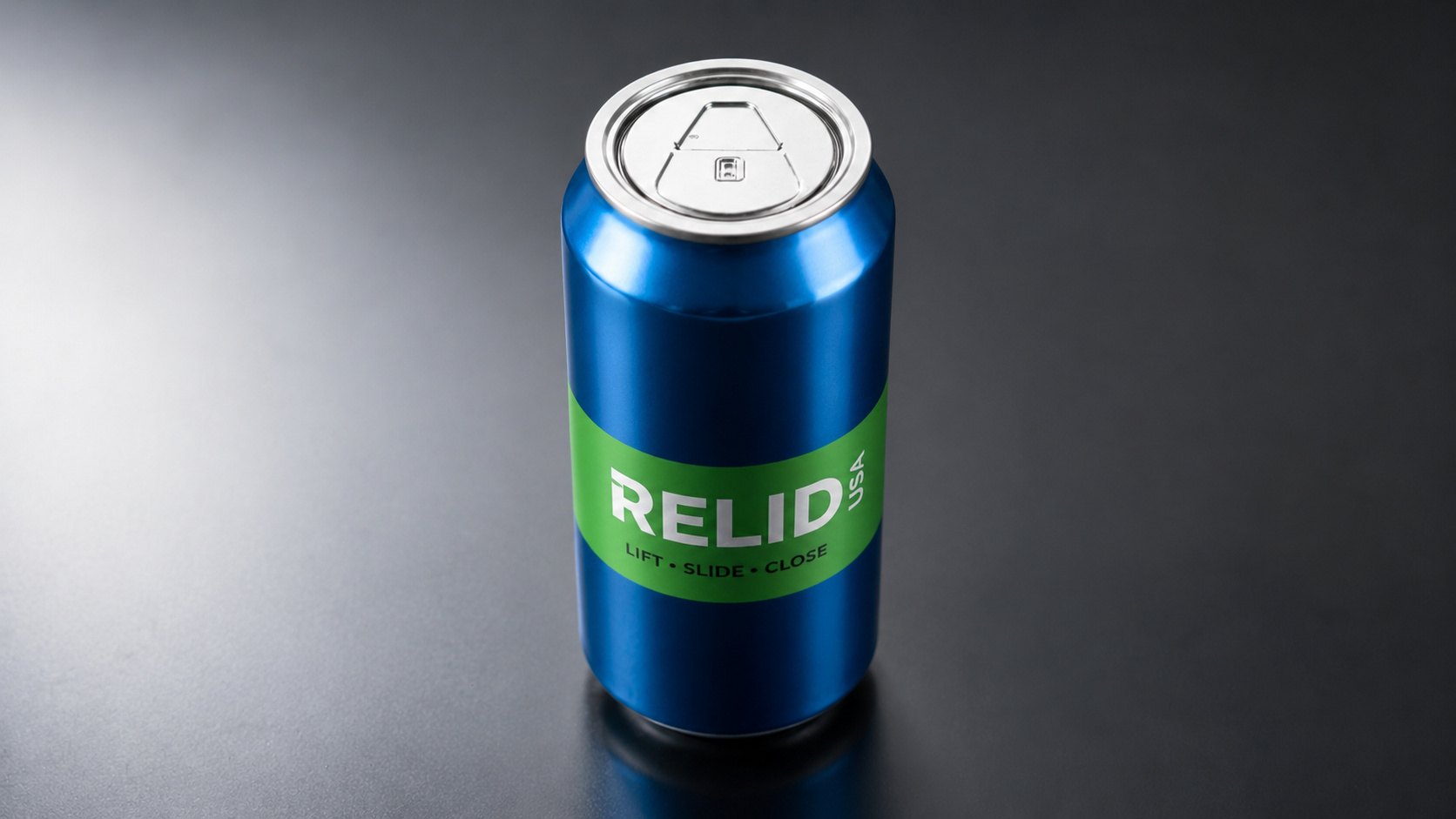
A simple yet impactful innovation can change the global beverage sector: the aluminum can from ReLid USA that opens and closes bets on the circular economy, reduces waste, and offers a sustainable alternative to conventional plastic packaging.

-
Surprising the global technology market, SpaceX closes a $30 billion deal with Google in June 2026 and strengthens the race for advanced digital infrastructure, expanding the integration between space connectivity, artificial intelligence, and strategic services.
-
China tests a 10-megawatt nuclear reactor that fits in a truck and can provide energy for decades to islands, military bases, remote areas, and even artificial intelligence data centers.

-
A meteor shower will occur this week and no one in the world will be able to see it, but they will be able to hear it.



The study was published on March 5 in Frontiers of Architectural Research and involved Malgorzata Zboinska, a professor at Chalmers University of Technology in Sweden.
To produce the biomaterial, researchers first heated the yeast to deactivate it. Thus, the yeast does not remain alive in the final product but continues to contribute to the structure.
The printing was done by pressure at room temperature. The process eliminates the need for high-energy consumption heating and does not require additional structures, important points to reduce impact.
After printing, the pieces dried naturally. With the evaporation of water, the gel hardened and transformed into a light, stable solid capable of retaining its shape.
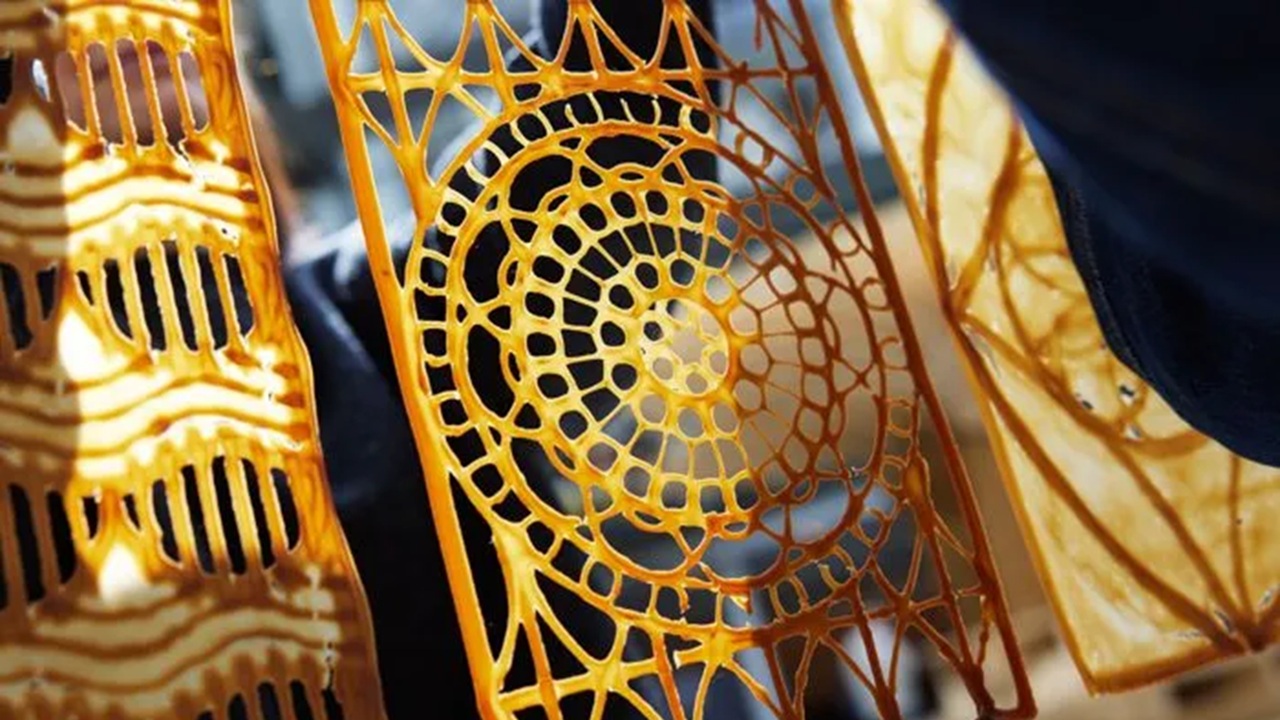
Printed pieces can filter light
The printed prototypes measured 20 by 50 centimeters, or 7.87 by 19.69 inches. Depending on the design, they allowed the passage of 5.6% to 31.6% of light.
This variation was achieved through changes in the recipe and printing pattern. The team managed to alter color, texture, porosity, and translucency, paving the way for internal applications.
The most resistant pieces reached an average tensile strength of 2.7 megapascals, with elongation up to 25.2% before breaking.
The performance does not place the biomaterial in the same field as structural materials like steel and concrete. The proposal is to replace interior products derived from fossil fuels or those difficult to recycle.
Possible uses include wall panels, partitions, light control screens, wallpapers, curtains, synthetic tiles, and plastic panels used in decoration.

Yeast changes mixture behavior
The research showed that yeast contributes in different ways depending on the processing. When yeast cells remain intact, they act as fillers and add volume.
When the yeast is deactivated, it releases internal components that help bind the mixture. This characteristic allows for property adjustments through simple formulation changes.
The goal is to reduce waste with renewable ingredients. In the future, the material could utilize residues from beer production, agriculture, or other yeast-rich processes.
Use still depends on new tests
The biomaterial is not yet ready for real buildings. The team has not tested durability, reaction to moisture over time, thermal behavior, acoustic performance, or possible effects on people with yeast allergies.
It will also be necessary to improve printing precision, expand production methods, and adjust how the pieces bend and shrink during drying.
For Timothy Long, director and professor at the Biodesign Center for Sustainable Macromolecular Materials and Manufacturing at Arizona State University, biomaterials tend to be seen as safer for disposal.
The researcher, who did not participate in the study, warned that waste reduction depends on collection, recycling, and reuse protocols. Even so, bio-based materials can generate safer decomposition than non-biodegradable materials.
Tell us in the comments if you would use a biomaterial made with yeast in walls, partitions, or internal screens today. The proposal still depends on testing and industrial scale, but it raises discussion in the construction sector about disposal, recycling, and sustainable alternatives for interiors.








Be the first to react!