






 Portuguese
  Spanish


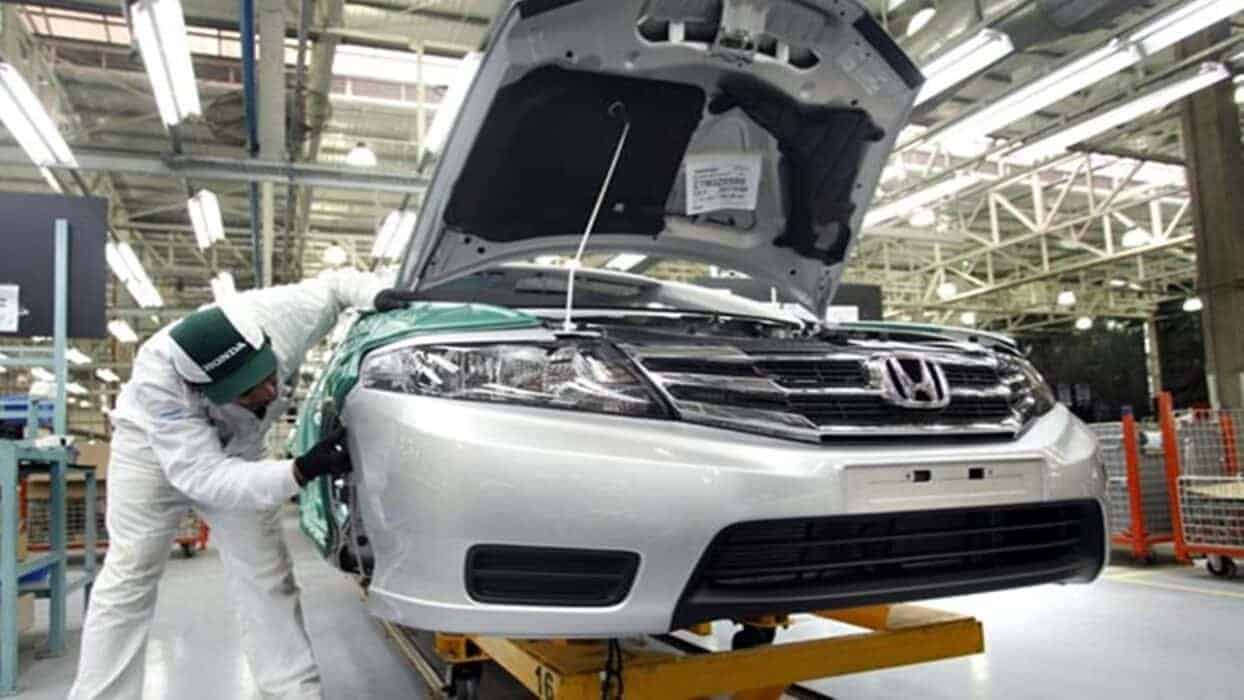

Honda Partners With Global Giant General Motors, Aiming to Produce 2 Million Electric Cars Per Year by 2030, Doubling Tesla’s Output
After American, European, and Asian automakers announced their electrification plans, it’s time for Honda, another global giant, to present its electronic mobility strategy, planning to spend 8 trillion yen (US$ 64 billion). Today, the Japanese automaker more than doubled its target: there will be 30 electric models by 2030. The goals were set in a company presentation on April 12.
Watch The Video Below And Check Out The Ambitious Plans That The Japanese Company Is Planning In The Electric Vehicle Electrification Market
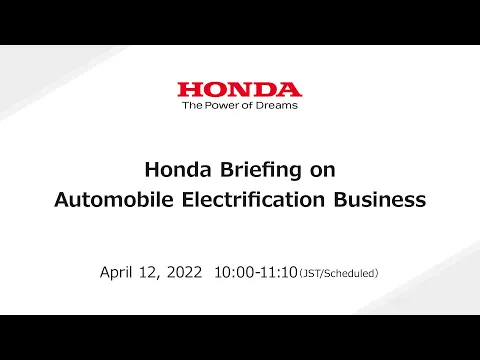

The majority of the 8 trillion yen investment is aimed at electrification technologies and software. This includes about 43 billion yen for a demonstration line for the production of solid-state batteries, expected to start in 2024.
With this, Honda expects to reach a production of 2 million electric cars per year by 2030, double that of Tesla, the segment leader. For comparison, Toyota aims to produce 3.5 million such vehicles per year by 2030, and Nissan wants half of its total production to be electric by that year.
-
Chery Offers Lifetime Battery Warranty and Car Replacement for Major Failures Under New Chinese Regulations

-
Sales of Brazil’s Cheapest Electric Car Halted Before First Deliveries: E-Motors Suspends Emova Easy Due to Import Tax Increase and Rising Freight Costs

-
Nissan Discontinues Qashqai SUV Amid Cost-Cutting, Chinese Competition, and Product Line Review
-
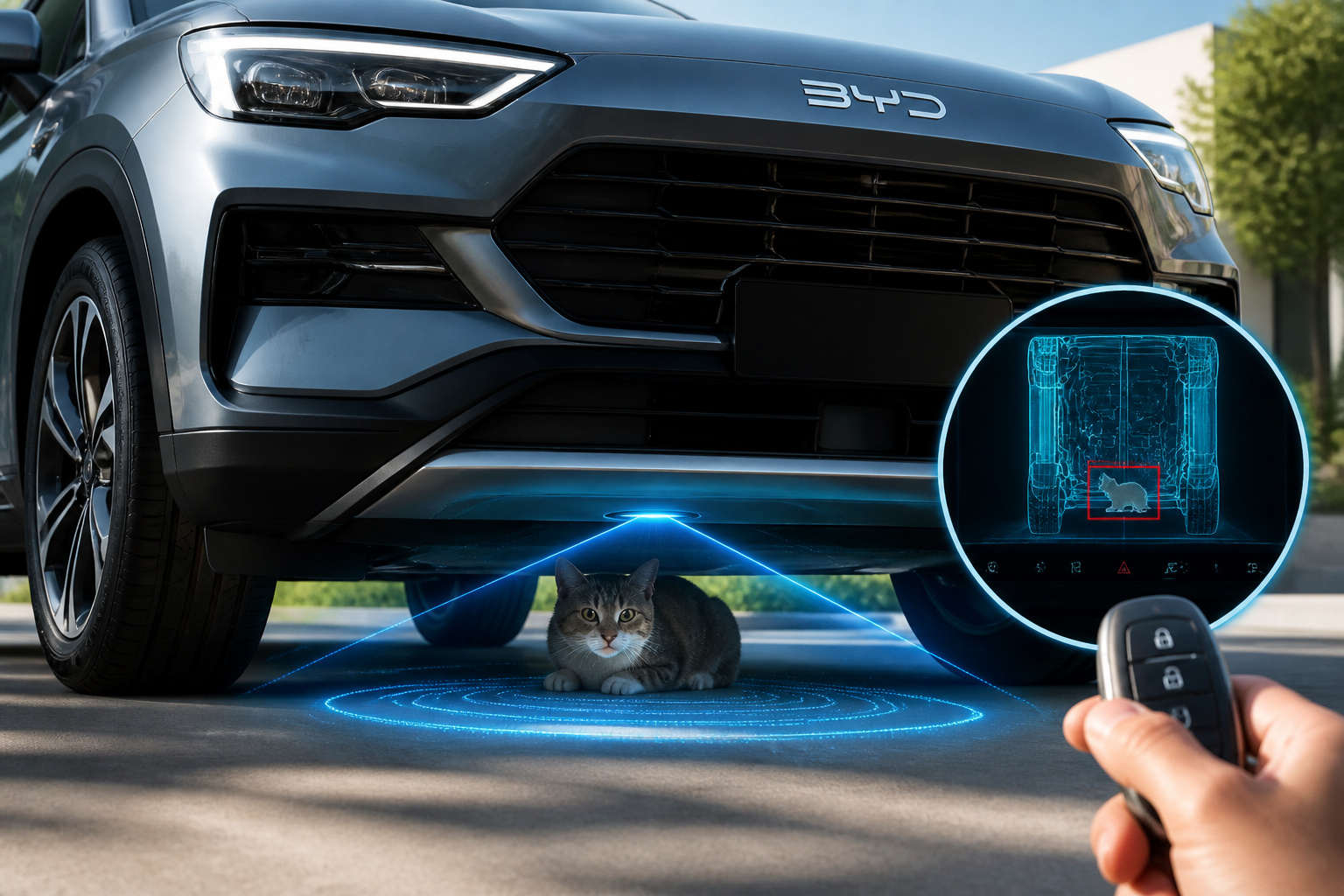
BYD Patents Revolutionary System Using Computer Vision to Detect Animals Under Cars Before Starting, Preventing Tragedies


Like Toyota or VW, Honda Is Planning a Leap in Battery Technologies
This will not be an easy transition for the maker of one of the most powerful and reliable internal combustion engines on the market, which, to fulfill its ambitious plans, recently formed an EV partnership with GM in its Ultium platform, resulting in the first electric Acura. It also aims to develop this unicorn category of electric cars below US$ 30,000, which Tesla has put on the back burner as it juggles an unreleased Cybertruck and Roadster 2.
In respect of the partnership with global giant GM, like Toyota or VW, Honda is planning a leap in current battery technologies and informed the market about its desire to establish a dedicated electric vehicle production line in North America, where it will also source Ultium batteries from General Motors Co. The Japanese brand is also considering a separate joint venture for battery production there, in addition to its partnership with General Motors.
This is quite an ambitious goal, as the largest EV battery maker, CATL, remains skeptical about any timeline for mass production of solid-state batteries before 2030. This is the year that most legacy automakers have set as the crucial moment for the full electrification of their lineups, and Honda is no longer the last one held back, aiming for 30 EV models by then, with two million units in annual production volume.
“This places them in good company with many other manufacturers that have made significant battery announcements […] ultimately, the world will leave internal combustion engines behind,” said Christopher Richter, an analyst at CLSA.
Honda States That It Does Not Intend to Give Up Hybrid Cars, Which Combine Combustion Engines With Electric Batteries
Honda also intends to have an electric vehicle factory in North America, where it will also produce the Ultium batteries developed by General Motors and now being licensed to other automakers.
The partnership with General Motors also includes the development of electric cars, as mentioned above. A second partnership was established with Sony for the same purpose. Plans also include a battery factory, independent of the initiative with GM.
Despite the announcement, Honda states that it does not intend to abandon hybrid cars, which combine combustion engines with electric batteries. “In no way is this the end of hybrids or are we replacing hybrids with EVs,” said CEO Toshihiro Mibe during the announcement. “We will enhance our current hybrids and use them as a weapon in our business,” he declared.


