





 Portuguese
  English
  Spanish
  3 min of reading


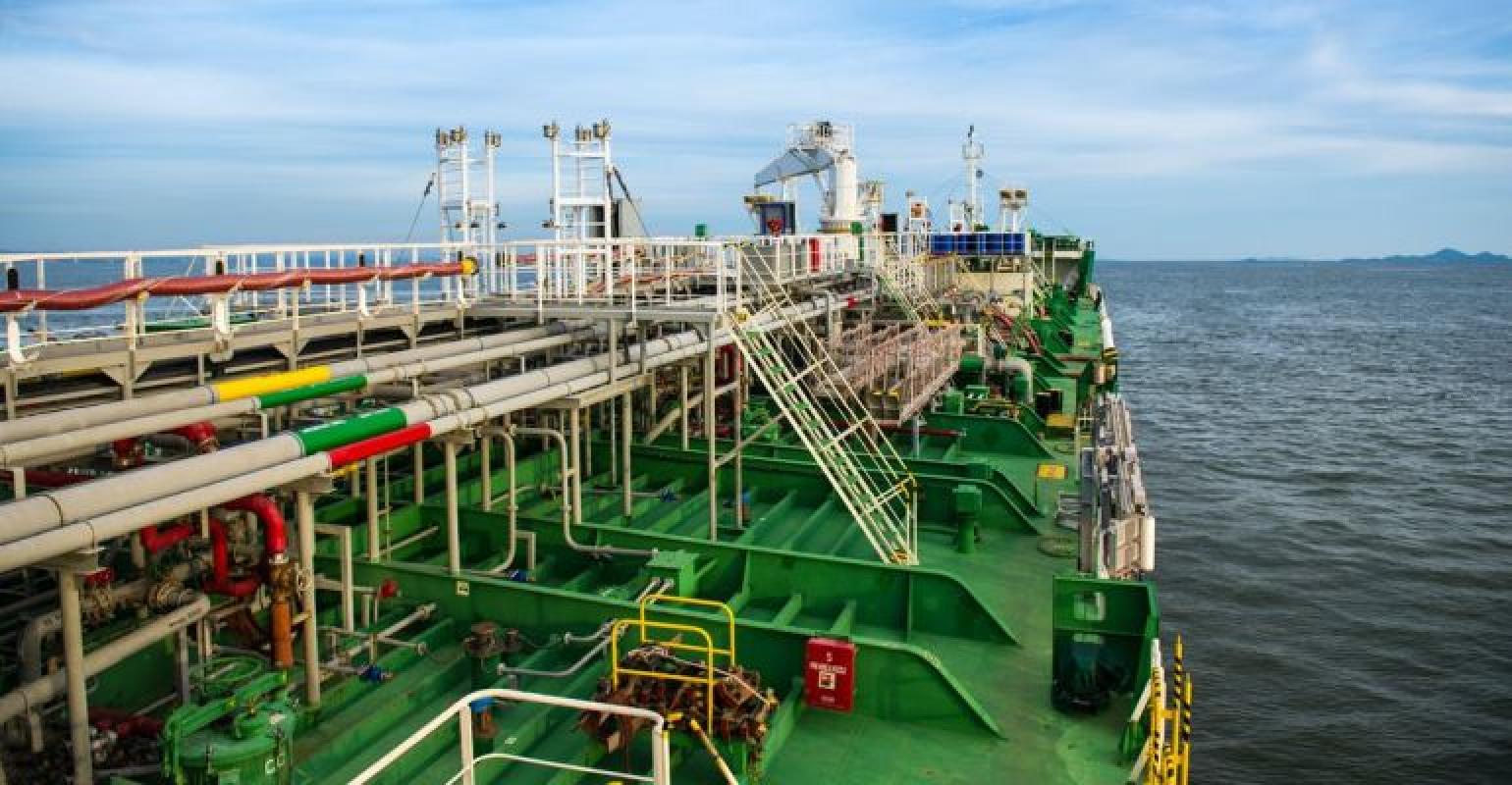
Bunker One Will Support Offshore Bunkering Operations About 50 Nautical Miles Off the Coast of Itaqui in Brazil with the Deployment of a Bunker Vessel
The marine fuel supplier Bunker One has expanded its offshore operations to the north of Brazil with the deployment of a tanker to supply low sulfur fuel oil (VLSFO) and low sulfur marine gasoil (LSMGO).
Read Also
Brazil Is a Strategic Point in the Offshore Industry
“Brazil remains strategically important for Bunker One and the global offshore market. Expanding our presence to the north of Brazil aligns with our ambition to strengthen our position in the Americas. This region is vital for Brazilian commodity exports, and our presence there will provide our clients with more flexibility in terms of bunkering options during their journeys,” said Flavio Ribeiro, General Manager of Bunker One Brazil.
Bunker One Entered Brazil for the First Time in 2017 and Is Present at the Port of Rio de Janeiro
Peter Zachariassen, CEO of Bunker One, commented: “I am very pleased that we can maintain momentum and move forward with our plans to expand our operational reach in the offshore market with the deployment of the tanker. As we continue with our ambitious growth plans, we will, of course, remain dedicated to our business partners and keep our strong focus on providing our customers with the highest quality services.”
-
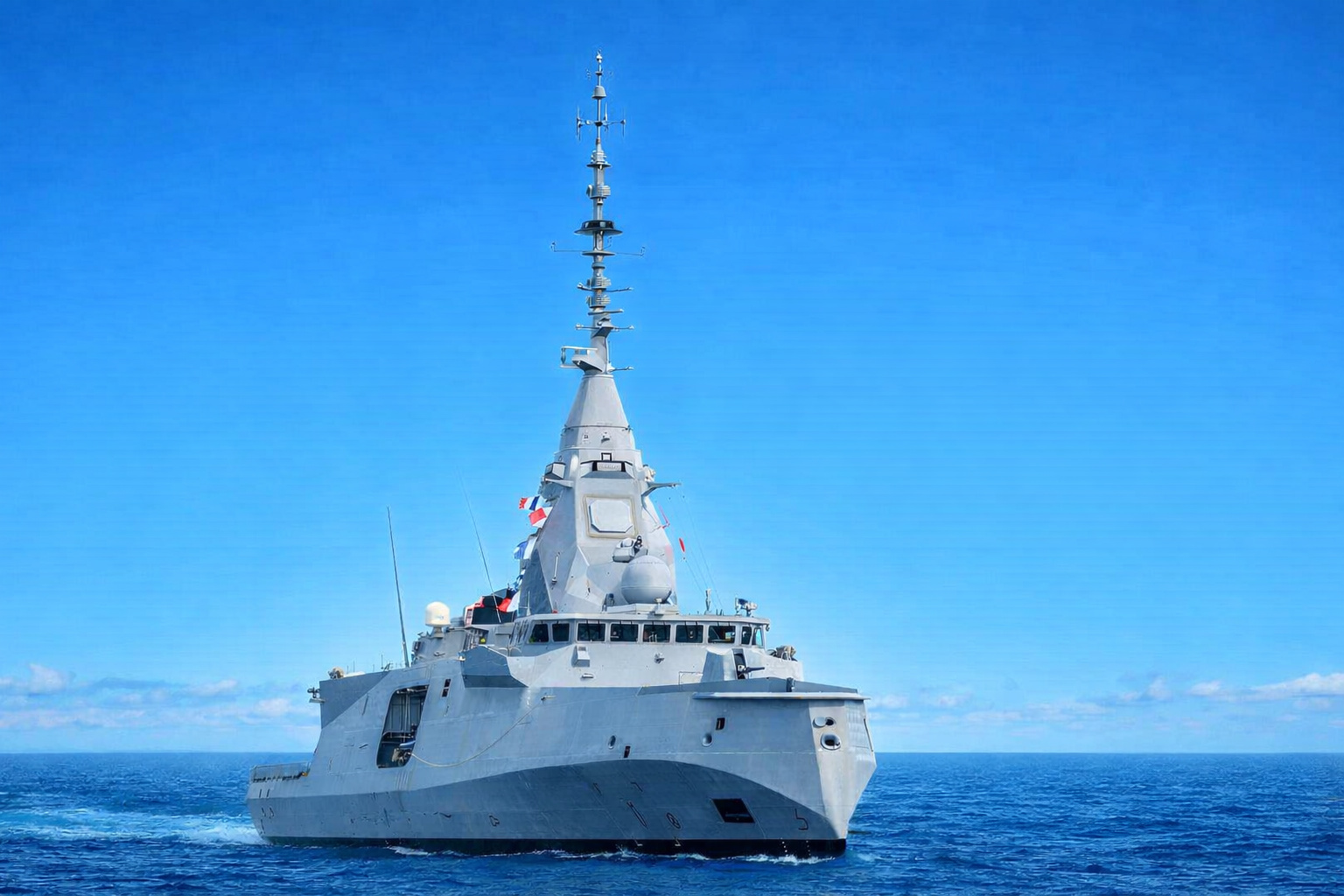
A 4,500-ton frigate with just over 100 crew members, state-of-the-art radar, and cruise missiles is being touted as the new standard of naval warfare in the 21st century.
-
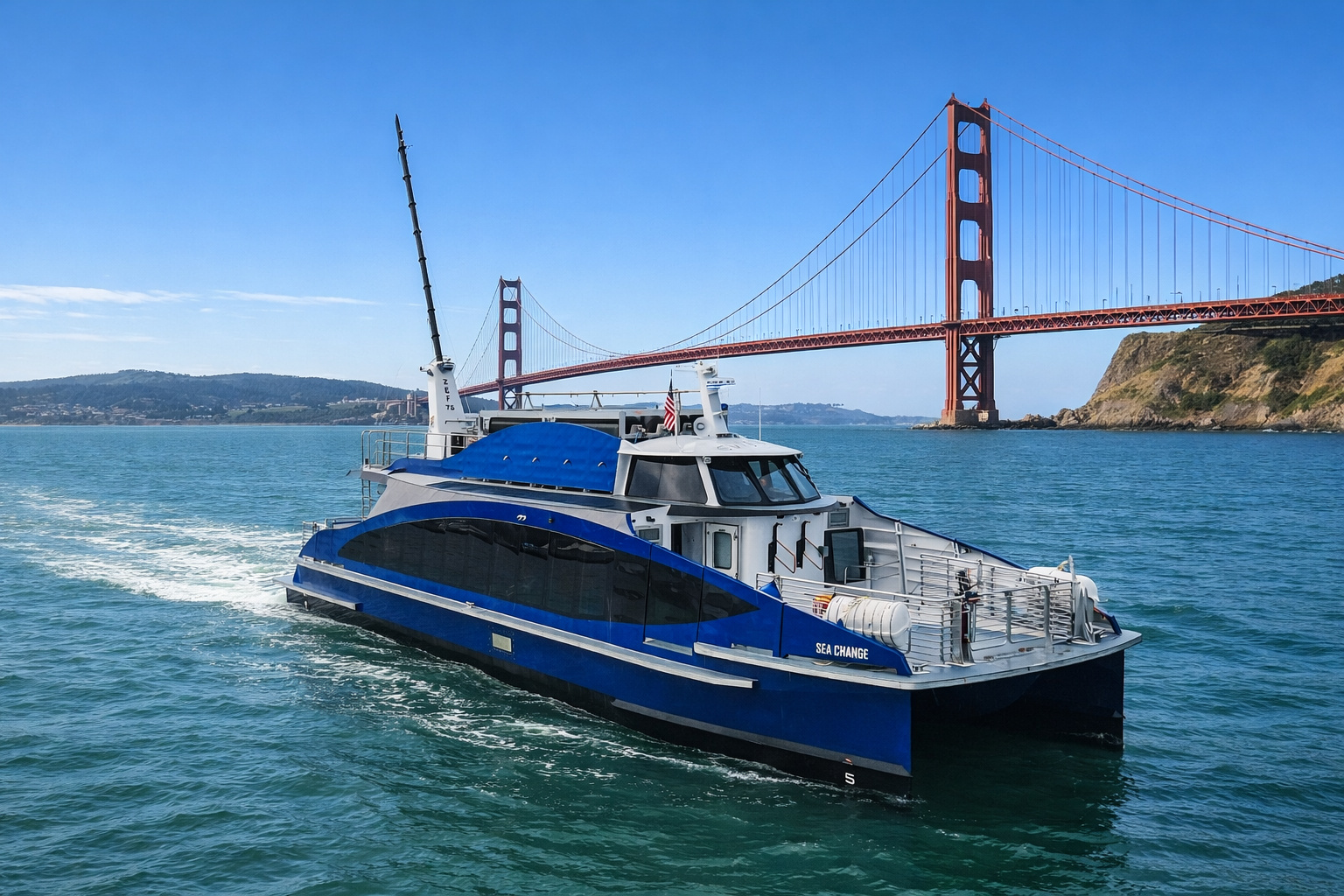
The first commercial hydrogen-powered ferry enters operation in the U.S., eliminates the use of diesel, uses fuel cells to generate clean energy on board, and transforms San Francisco Bay into a landmark of the new era of emission-free navigation.
-
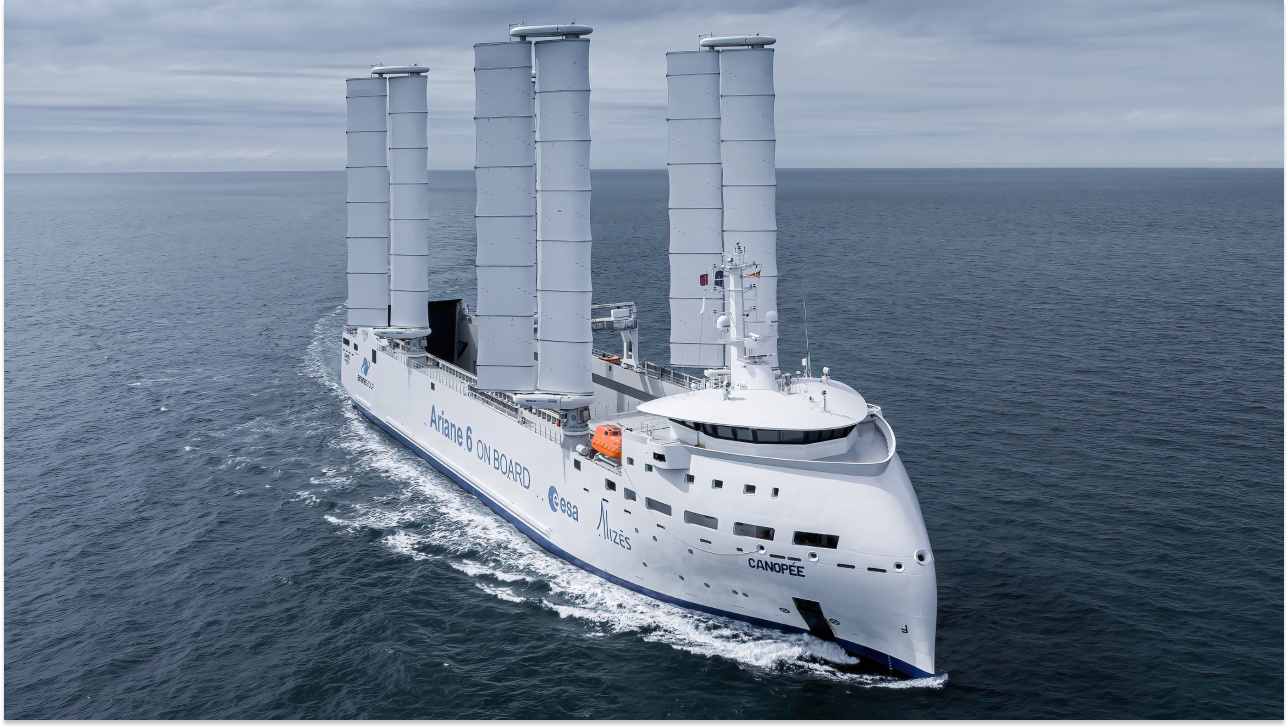
With a length of 121 meters and four rigid sails of 36 meters that automatically rotate to capture the wind, Canopée is the world’s first hybrid industrial cargo ship powered by wind, used to transport rockets and reduce fuel consumption by up to 30% on transoceanic routes.
-
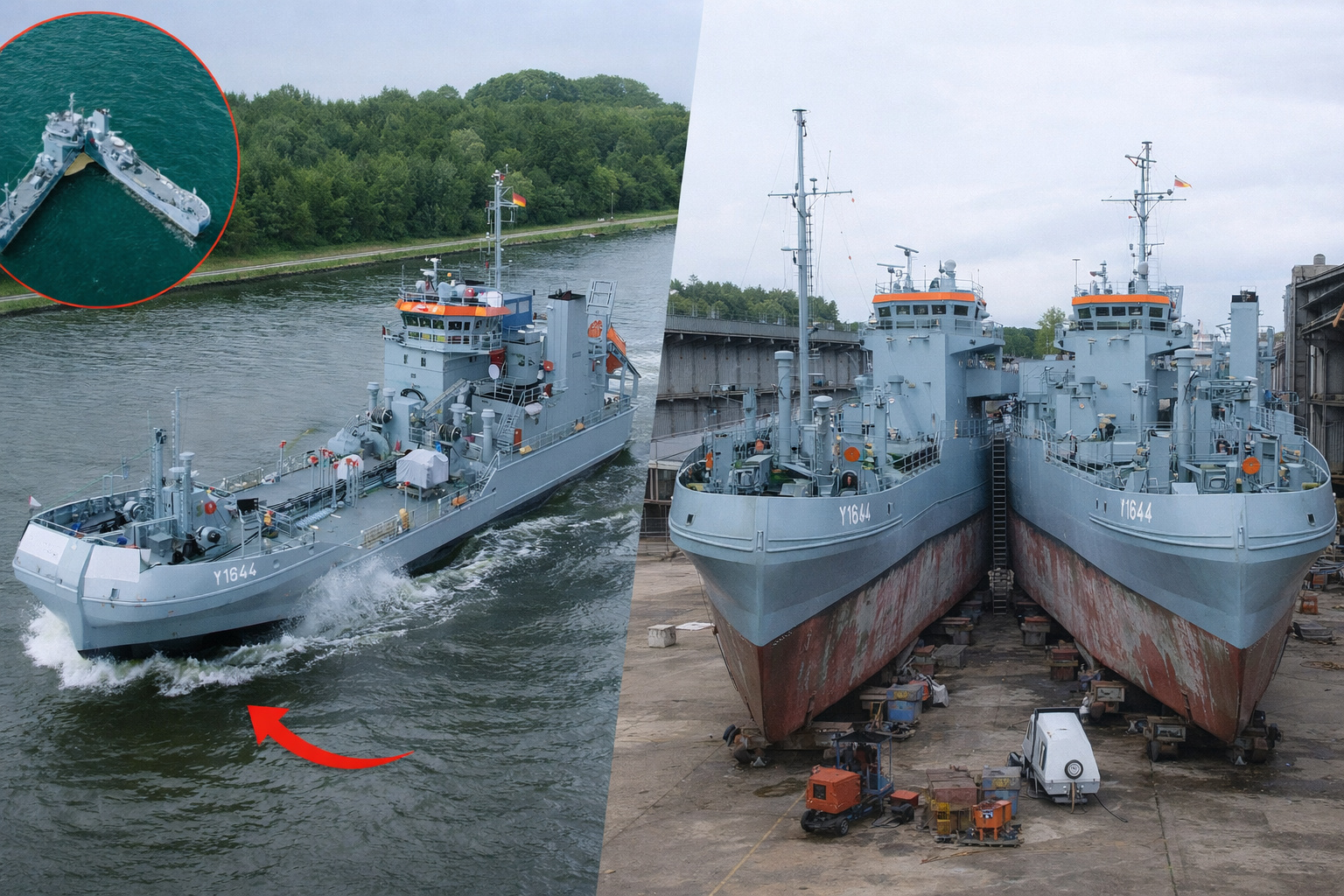
The German ship Bottsand splits its hull in two halves in the middle of the ocean to swallow spilled oil on the surface, separating the oil from the water inside a 790 cubic meter tank and then closing again. It is the only ship in the world factory-designed to split in half as part of normal operations, and the crew of six people who operate everything is civilian.

Tanker in the Brazilian Offshore Market
Oil companies want the inclusion of tankers in BR do Mar. The Brazilian Institute of Oil, Gas and Biofuels (IBP) sent a letter to the Ministries of Economy and Infrastructure asking the government to evaluate the inclusion of tankers in the BR do Mar project, a promise of the Bolsonaro government to encourage cabotage navigation in Brazil.
The IBP, which represents oil companies operating in the country, assesses that the current rules may lead to a bottleneck in the flow of oil and natural gas production, risking a negative impact on the increase of production and exploration in the sector.
Brazil currently produces about 3 million barrels per day, predominantly offshore, with a highlight on pre-salt fields, which already account for more than 60% of total production. In the case of platforms without connection to onshore terminals, such as the large pre-salt fields, this oil is moved by shuttle tankers.








Seja o primeiro a reagir!