Portuguese
  Spanish



Renewable Fuels Research and Support for the Shipbuilding Industry Was the Theme of Current President Lula at an Event on the 100-Day Mandate Report
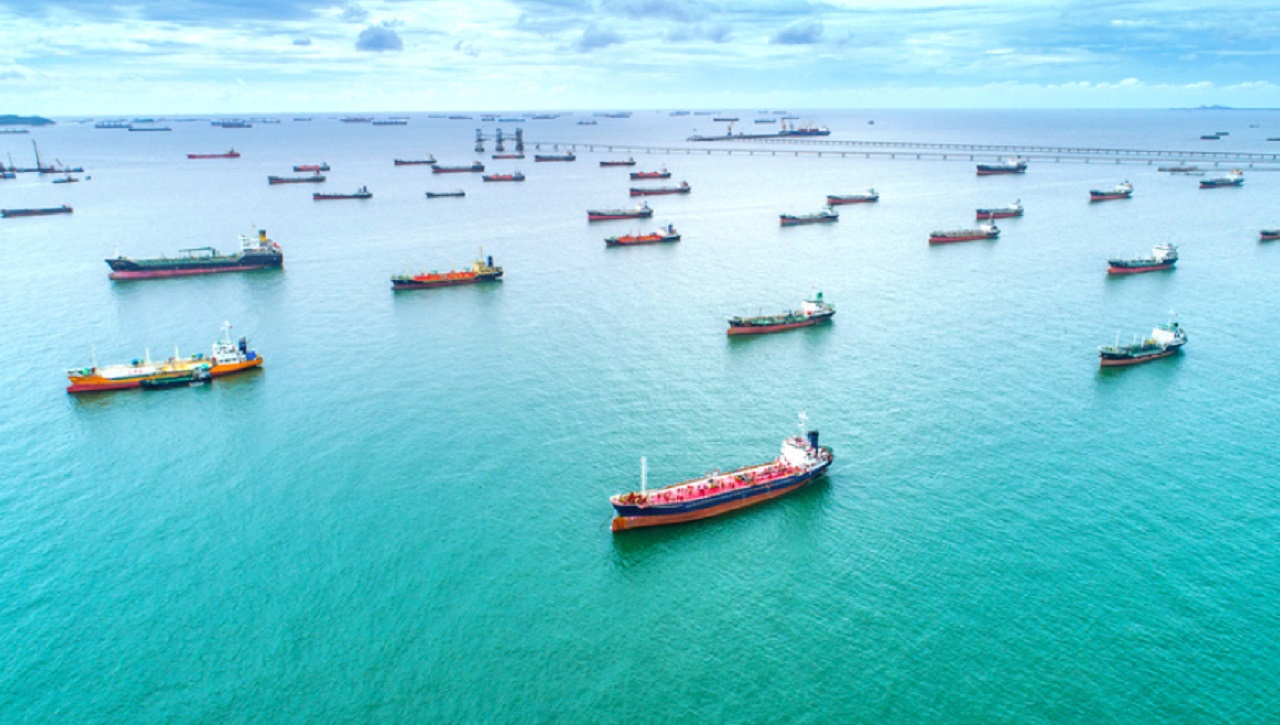
President Luiz Inácio Lula da Silva announced that Petrobras will support research on new renewable fuels and will help boost shipbuilding through the expansion of Transpetro’s fleet. The initiative aims to generate jobs in national shipyards, although it was not specified whether a program similar to Promef will be launched. The statement was made during an event regarding the 100-day mandate report, on Monday (10), in Brasília.
Lula emphasized that Petrobras will finance research for new renewable fuels and will resume its leading role in investments, expanding the fleet of Transpetro’s ships and generating jobs in Brazilian shipyards. The Minister of Mines and Energy, Alexandre Silveira, was present at the event, along with other government members.


Brazil’s Potential as a Global Power in Green Hydrogen
The president stated that the country will not miss the opportunity to become a “global power” in green hydrogen. Lula mentioned that during his previous administrations, Petrobras’ investments in research and innovation increased from R$ 3 billion to R$ 30 billion.
-
Abandoned Factory in Rio’s North Zone Becomes Urban Hazard with Standing Water and Debris

-
The U.S. Navy Conducts Submarine Tests in Idaho Lake to Detect Underwater Noises Hidden by the Ocean

-
British Factory Transitions from Mechanical Parts to Producing 420,000 Electric Power Units Annually, Supplying 70% of Ford’s Electric Cars Sold in Europe
-
France Launches Network to Recycle 20 Million Cookware Pieces by 2027, Accepting All Brands for Aluminum and Coating Separation


The Brazilian shipbuilding industry has faced a demobilization for nearly 10 years, with a shortage of projects and job losses. Sinaval estimates that the sector has lost over 60,000 jobs since the crisis that began between 2014 and 2015. However, the growth of the shipbuilding industry in Brazil resulted in the construction of 605 vessels by 2016, creating over 80,000 direct jobs and 400,000 indirect jobs, and qualifying the workforce in the oil and gas production chain.
Alternatives to Revive the Shipbuilding Industry in Brazil
In December of last year, during a meeting with members of the government transition group (GT), representatives of the shipbuilding industry heard that Lula was interested in discussing alternatives to revive the shipbuilding industry in Brazil. The transition also successfully postponed the definition of two relevant topics for shipbuilding and commercial navigation to this year: the sale of ships from Transpetro’s fleet and the regulation of BR do Mar (Law 14.301/2022).
The Minister of Ports and Airports, Márcio França (PSB), indicated that the government intends to revisit some cabotage program rules that impact the national industry. At the GT meeting, the need for policies that increase local content percentages, as well as offshore wind projects, was also discussed.
Participants reported that the government will focus on incentivizing energy generation projects at sea, and that shipyards will need to be
prepared in case this segment develops within, or even before, five years. Builders suggested that the construction of new support boats could be the best option to reactivate and open pathways for other opportunities for the industry, including the return of orders for merchant ships thereafter.
Positive Impact on the Economy and Job Creation
The revival of the shipbuilding industry in Brazil could bring positive impacts on the economies of the municipalities where shipyards are located, in addition to contributing to the generation of direct and indirect jobs. The expansion of Transpetro’s fleet and support for local shipyards, as announced by Lula, could represent a new boost for the national industry.
Challenges and Perspectives for the Future
Brazil faces significant challenges for the revival of the shipbuilding industry, including the need for investments in infrastructure, skilled labor, and public policies that favor shipbuilding and repair. However, Lula’s announcement about the expansion of Transpetro’s fleet and support for local shipyards brings hope to the sector and may contribute to strengthening the national industry.
In summary, the expansion of Transpetro’s fleet and support for national shipyards, as announced by President Lula, have the potential to generate jobs and boost the Brazilian shipbuilding industry. The revival of this industry can also benefit the economy of the municipalities where shipyards are located, as well as contribute to the development of the oil and gas production chain. For this to happen, a joint effort of investments in infrastructure, workforce qualification, and public policies that promote the national industry is necessary.