






 Portuguese
  Spanish
  2 min of reading


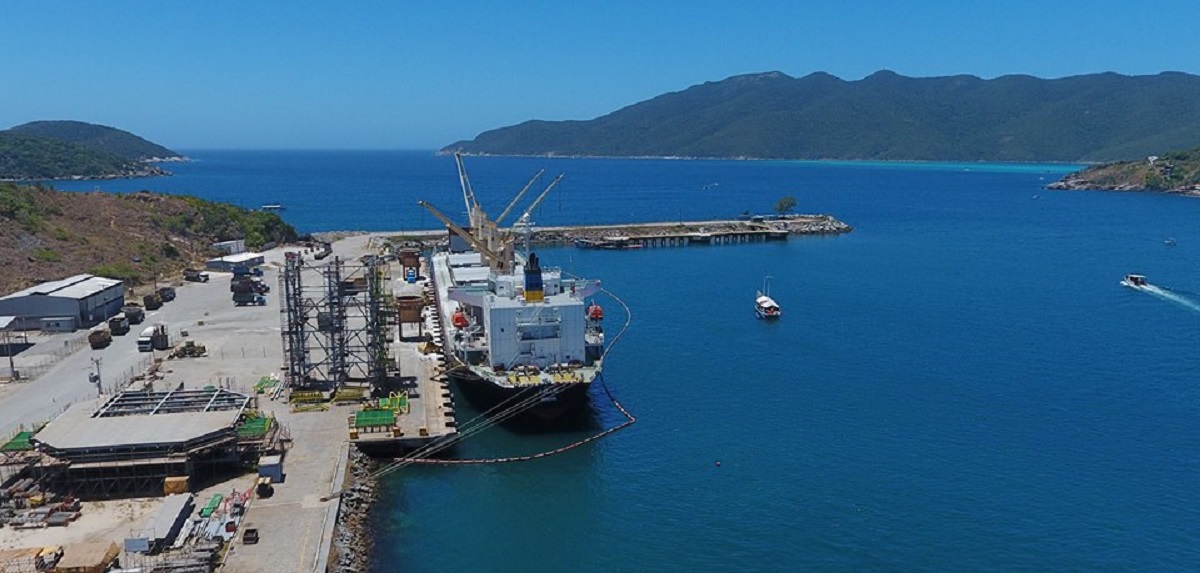
Enterprise Receives Authorization from Ibama, Focusing on the Oil and Gas Sector, Boosting Employment Optimism in Arraial do Cabo, Northern Rio de Janeiro
After a one-year embargo, Ibama has lifted the operations at Porto do Forno in Arraial do Cabo (RJ), which has its main focus on Oil and Gas.
The embargo was lifted after an inspection, with Ibama verifying that all the environmental licensing conditions for the port were being met, opting for release despite some pending issues in Arraial do Cabo.
Task Force for the Release
The parties responsible for implementing the Basic Environmental Programs (PBAs) were Firjan, through the Senai Institute of Environmental Technology, and the Municipal Port Administration Company (Comap), which were outlined in the license but had not yet been executed.
-
The legendary oak that, according to the story, hid Robin Hood from the Sheriff of Nottingham, died at the impressive age of 1,200 years in England, and the first chilling sign of its end was that no leaves sprouted on the tree this spring.

-
While the world looks at forests, the UN warns that the Earth is also threatened by the silent degradation of natural grasslands and savannas, ecosystems that cover half of the planet, support billions of people, and can exacerbate water, food, and climate crises.
-
The future of computers may change sooner than expected: Amazon bets on commercial quantum computing within seven years, while qubits, the Ocelot chip, AI, and scientific simulations take center stage in the new race among big techs.
-
Cheaper than new HB20, Onix, and Argo, this German sedan offers a 510-liter trunk, a 2.0 naturally aspirated engine, a 6-speed Tiptronic automatic transmission, and well-known mechanics; the 2016 Volkswagen Jetta Comfortline still draws attention in the used car market.

With support from UFF (Federal Fluminense University), which resolved outstanding issues related to Ibama’s licensing, including monitoring work, the environmental program was consolidated.
The president of Firjan in Leste Fluminense, Luiz Césio Caetano, spoke about the economic importance of Porto do Forno and the impact of its shutdown, as it was a significant job creator, not only for the city of Arraial do Cabo but also for the entire lakes region.
“A public port that is closed causes enormous damage because it does not serve just the city or municipality but the entire region. There is a loss of jobs, income, and tax revenue, and, of course, there is a direct impact on all its users who had to operate elsewhere,”
However, the port must resolve outstanding issues with the National Health Surveillance Agency (Anvisa) and the Federal Revenue Service, as without these clearances the port cannot receive cargo, whether from abroad or national.




Be the first to react!