





 Portuguese
  English
  Spanish
  3 min of reading
  0 comments


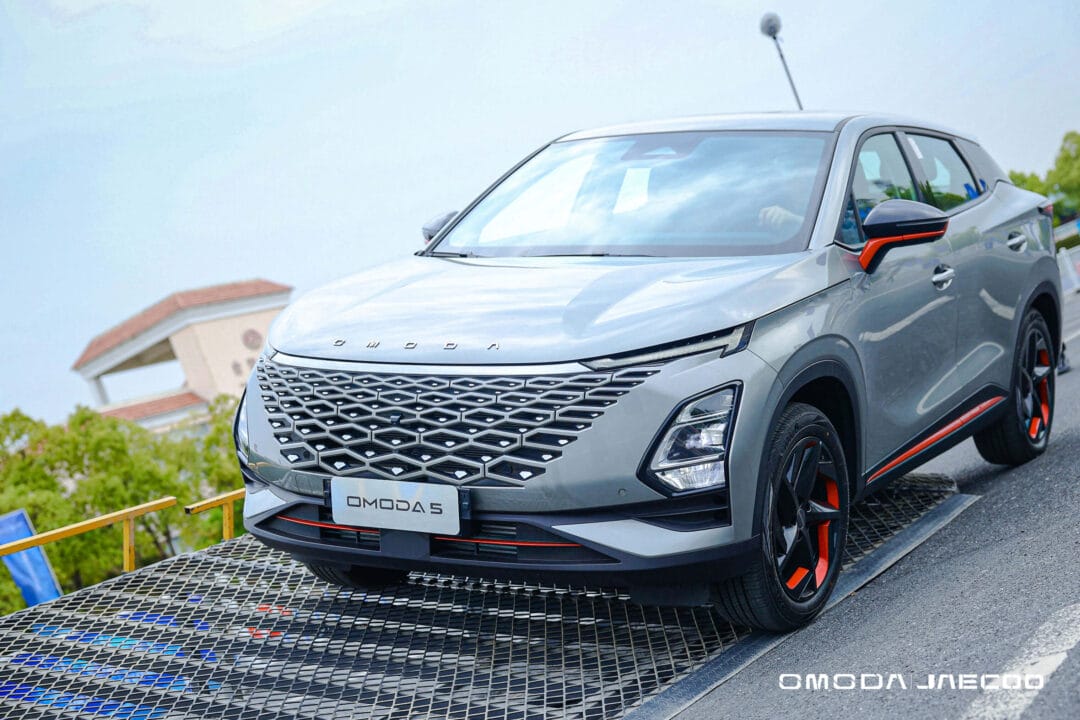
Omoda and Jaecoo, Chinese Automakers, Will Arrive in the Brazilian Automotive Market Soon and Have Promised to Open More Than 50 Dealerships to Compete Directly with BYD.
Belonging to the Chery group, the Chinese automakers Omoda and Jaecoo will soon arrive in the Brazilian automotive market to compete directly with BYD. The brands are coming together but independently from Caoa Chery, with a focus on a more aggressive market strategy; the brands plan to increase the number of dealerships this year.
How Many Dealerships Will Be Opened by Omoda and Jaecoo?
According to information from the Brazilian media, initially, the duo aimed for 40 dealerships in 2024, but they reconsidered and are now focusing on 43 in the second half and 50 by the end of this year.
The change in the number of dealerships for the companies in the automotive market takes into account the new models for sale in 2025, as well as three to be launched this year. So far, Omoda has only confirmed its Omoda 5 in the Brazilian automotive market. It is a mid-size SUV with three versions, including one with a 1.5 turbo hybrid engine and CVT transmission, costing around R$ 160 thousand and R$ 230 thousand (electric version, with an engine between 204 horsepower and 2224 hp).
-
Ports like Santos and Paranaguá are operating at their limits and may block containers as early as 2030, warns a study by Macroinfra; bottlenecks increase costs and delays and push cargo to Rio, Salvador, Pecém, and Suape across Brazil.

-
Lula reveals in an interview that he asked President Xi Jinping three times to invest in a major project in Brazil, the Salvador-Itaparica bridge, which is set to begin in June with the participation of a Chinese consortium and is expected to be extraordinary, according to the president.

-
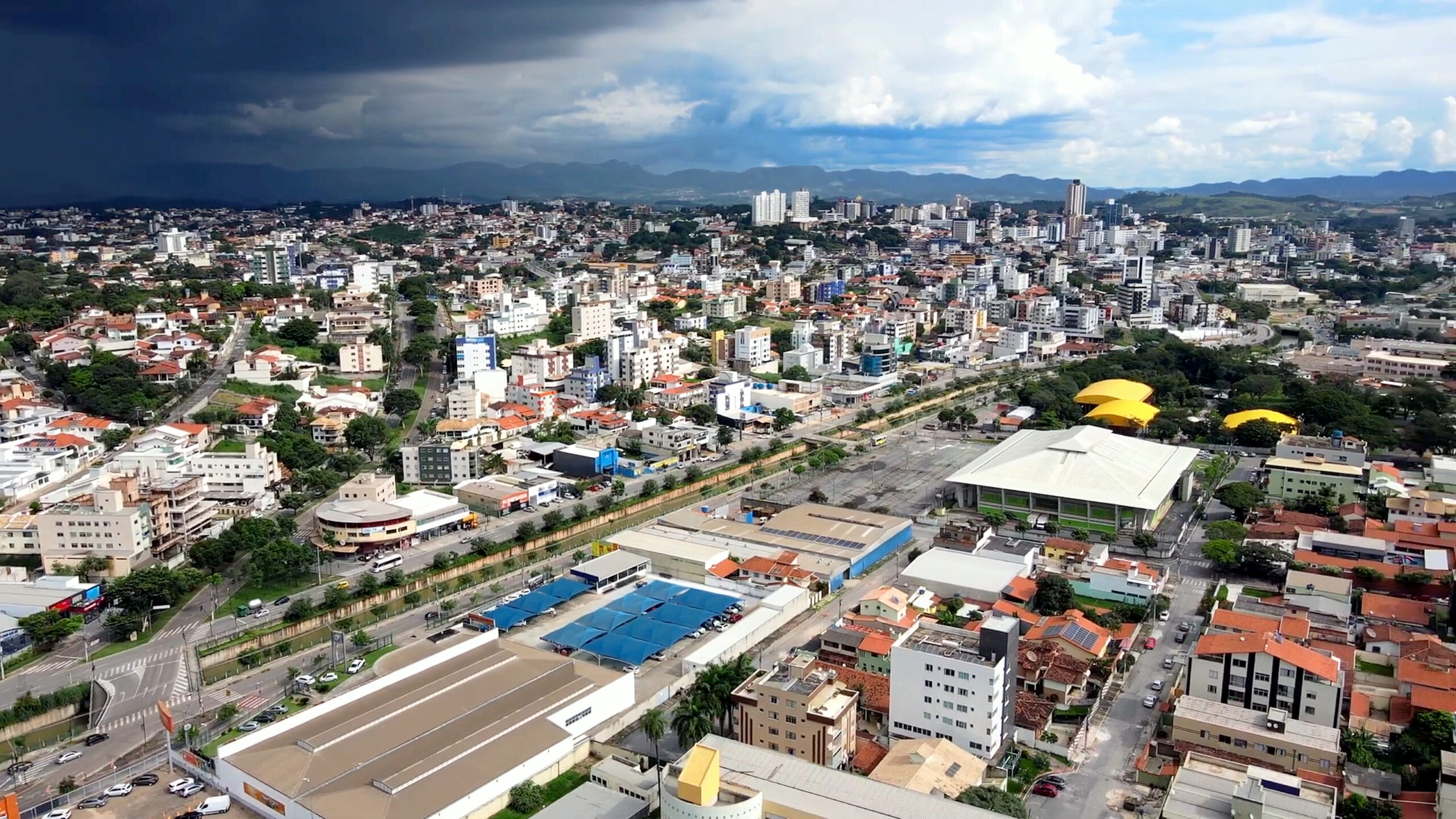
Neighboring city of Belo Horizonte has properties starting at R$ 139,000 with 90 m² and a price per square meter much lower than the capital, even concentrating automotive, petrochemical, and logistics hubs.
-
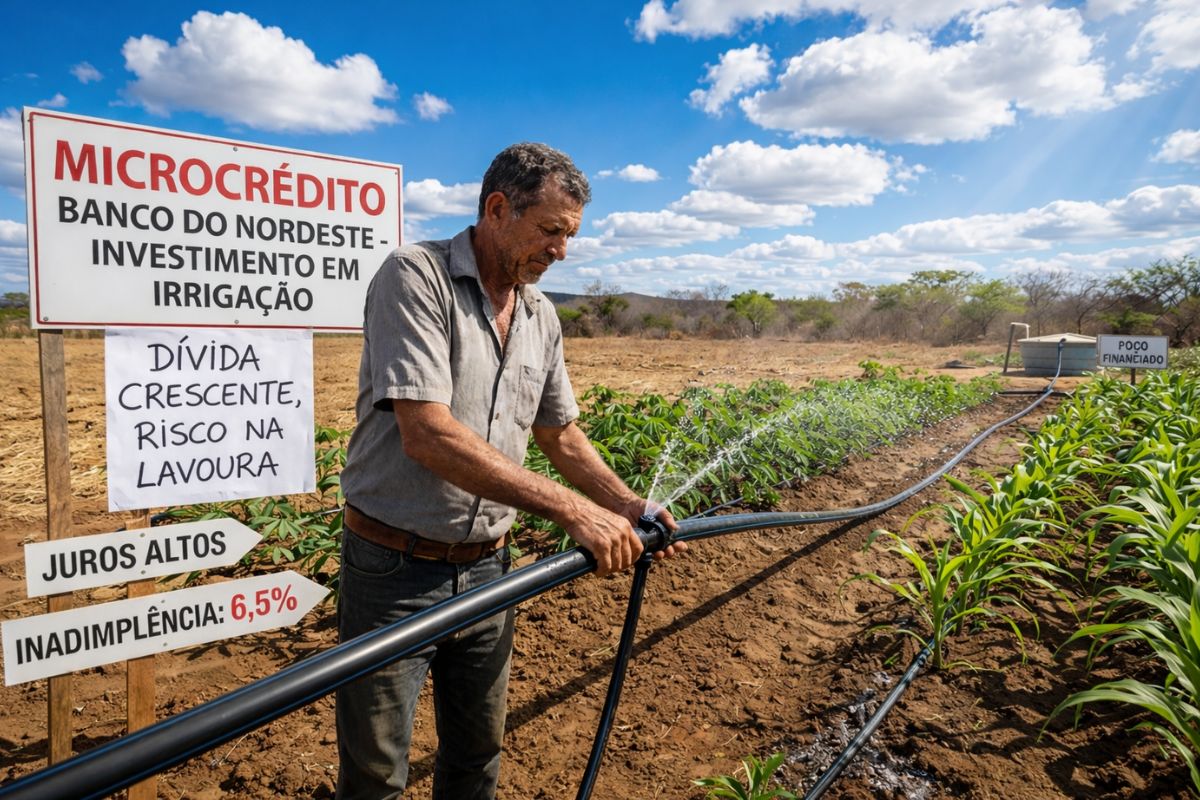
Drought in northern Bahia forces family farmers to invest in expensive irrigation and seek microcredit from Banco do Nordeste; with high interest rates and a default rate of 6.5%, the debt becomes a threat to the crops.
On the other hand, Jaecoo will have two models to compete with BYD, one of which is the Jaecoo J7 measuring 4.5 m in length and 2.67 m in wheelbase. The car will feature a plug-in hybrid version, with a 1.6 Turbo engine and two electric motors that can produce 197 horsepower and 29.6 kgfm. The other model arriving in the Brazilian automotive market has not been disclosed.
Omoda and Jaecoo Speak Out About Investment in Dealerships in Brazil
Initially, Omoda and Jaecoo, which aim to compete with the Chinese giant BYD, will have 25 dealerships, which will be announced in May. According to Felipe Amaral de Souza, head of Sales at Omoda | Jaecoo, the groups being selected are undergoing a rigorous evaluation process that considers several indicators, such as investment capacity, sales performance in previous years, customer satisfaction levels in sales and after-sales services, and identification and presence in local markets. This way, it is possible to ensure the selection of the best business partners.
In the international market, Omoda focuses on the young audience and currently offers vehicles in South Africa, Australia, Qatar, Indonesia, Kuwait, Mexico, and Russia, in addition to China itself. Visually, the brand’s identity is classified as “cross”.
On the other hand, Jaecoo focuses on SUVs with more traditional styles and straight lines. Depending on the market, the company is also referred to as Jetour. Besides China, the manufacturer recently started operations in Russia. By the end of 2024, the goal is to reach at least 10 more markets.
BYD Will Have More Dealerships than Toyota
The BYD was the sensation manufacturer in the Brazilian automotive market in 2023. With just under 18,000 cars sold, it surpassed established traditional Brazilian brands like Kia and closely followed Mitsubishi. The brand also plans to quadruple its points of sale in the country. Currently, the automaker operates with about 60 dealerships spread across 23 states and the Federal District.
By the end of the year, BYD plans to have up to 250 stores distributed throughout Brazil. If this goal is achieved, the Chinese brand will own one of the largest dealership networks in the country. For comparison, Chevrolet, Fiat, and Volkswagen are the leaders, with around 500 dealerships. Next, Renault with 300 stores, while Toyota, Hyundai, and Jeep have just over 200 stores.







Seja o primeiro a reagir!