





 Portuguese
  English
  Spanish
 3 min of reading


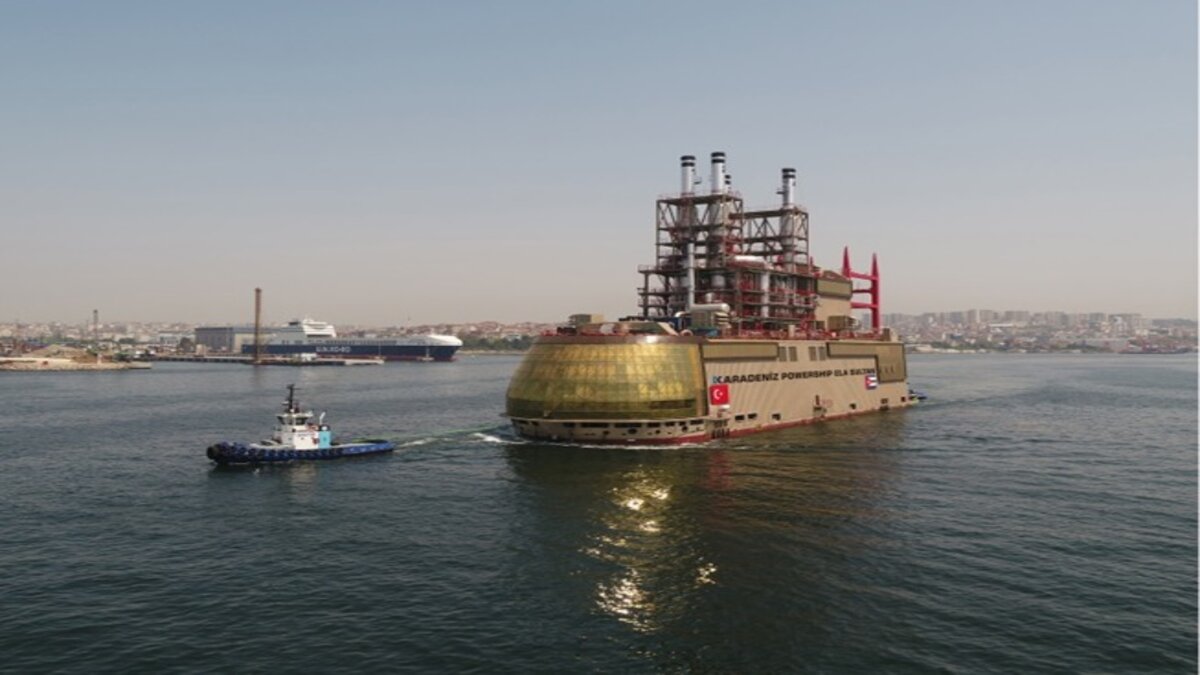
The Port Authority of Rio de Janeiro (CDRJ) Has Formed a Partnership with Karpowership Energy for the Development of a Pioneering Project in the Rio Ports, Involving the Installation of Floating Thermoelectric Plants and Power Transmission Lines in the Region.
With a new partnership established with the energy company Karpowership Brasil Energia, the Port Authority of Rio de Janeiro (CDRJ) continues to advance this Wednesday, (06/22), for the growth of the Rio ports. Thus, the energy company will carry out the installation of floating thermoelectric plants in a pioneering project at the state’s port complexes, in addition to the construction of energy distribution towers and new transmission lines for the resource, aiming to make the energy sector more efficient in the region.
Energy Company Karpowership Forms Partnership with Port Authority of Rio de Janeiro for Project to Install Floating Thermoelectric Plants and Energy Distribution Towers in the Rio Ports
The new agreement by the Port Authority of Rio de Janeiro will ensure a pioneering project in the Rio ports over the coming years, as it will allow the installation of electrical energy distribution towers and the air passage of transmission lines by Karpowership in the port area.
Additionally, the energy company will also install floating thermoelectric plants for the production of the resource, aiming to make the energy production and distribution chain in the region even more efficient.
-
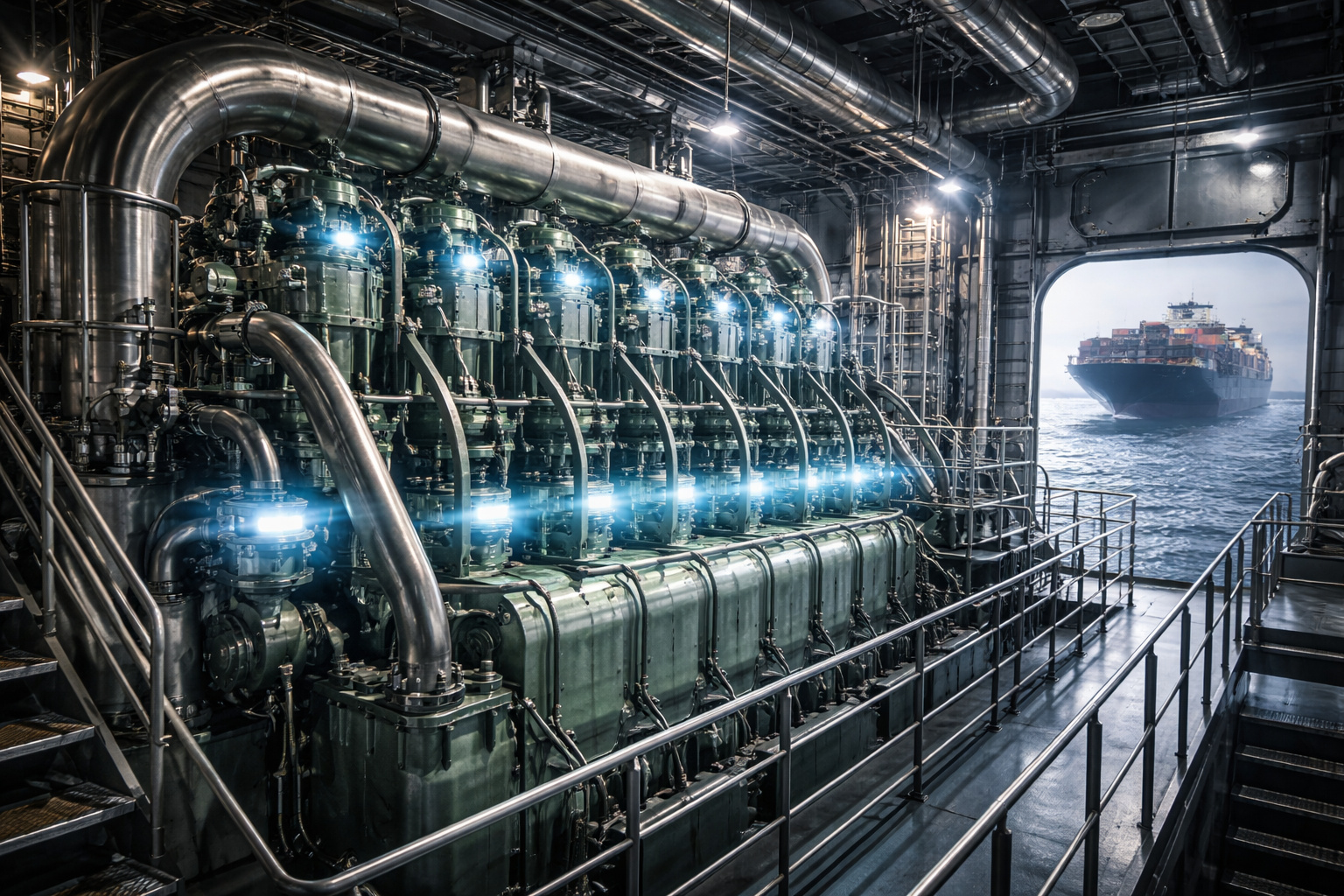
Europe is trying to create an ammonia-powered marine engine without auxiliary fuel, which could unlock the race for giant emission-free ships. The technology aims to eliminate one of the biggest obstacles to clean maritime propulsion.
-
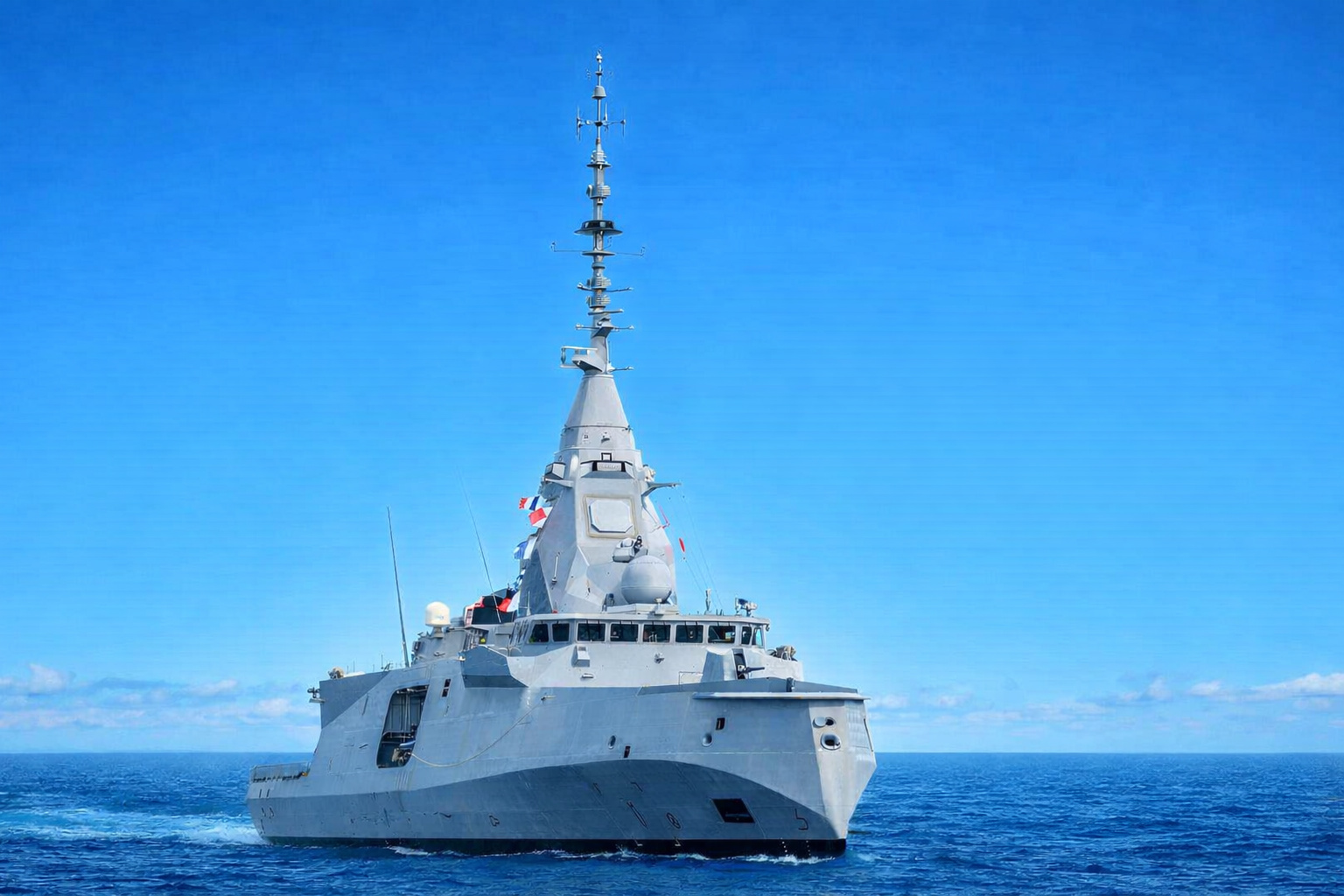
A 4,500-ton frigate with just over 100 crew members, state-of-the-art radar, and cruise missiles is being touted as the new standard of naval warfare in the 21st century.
-
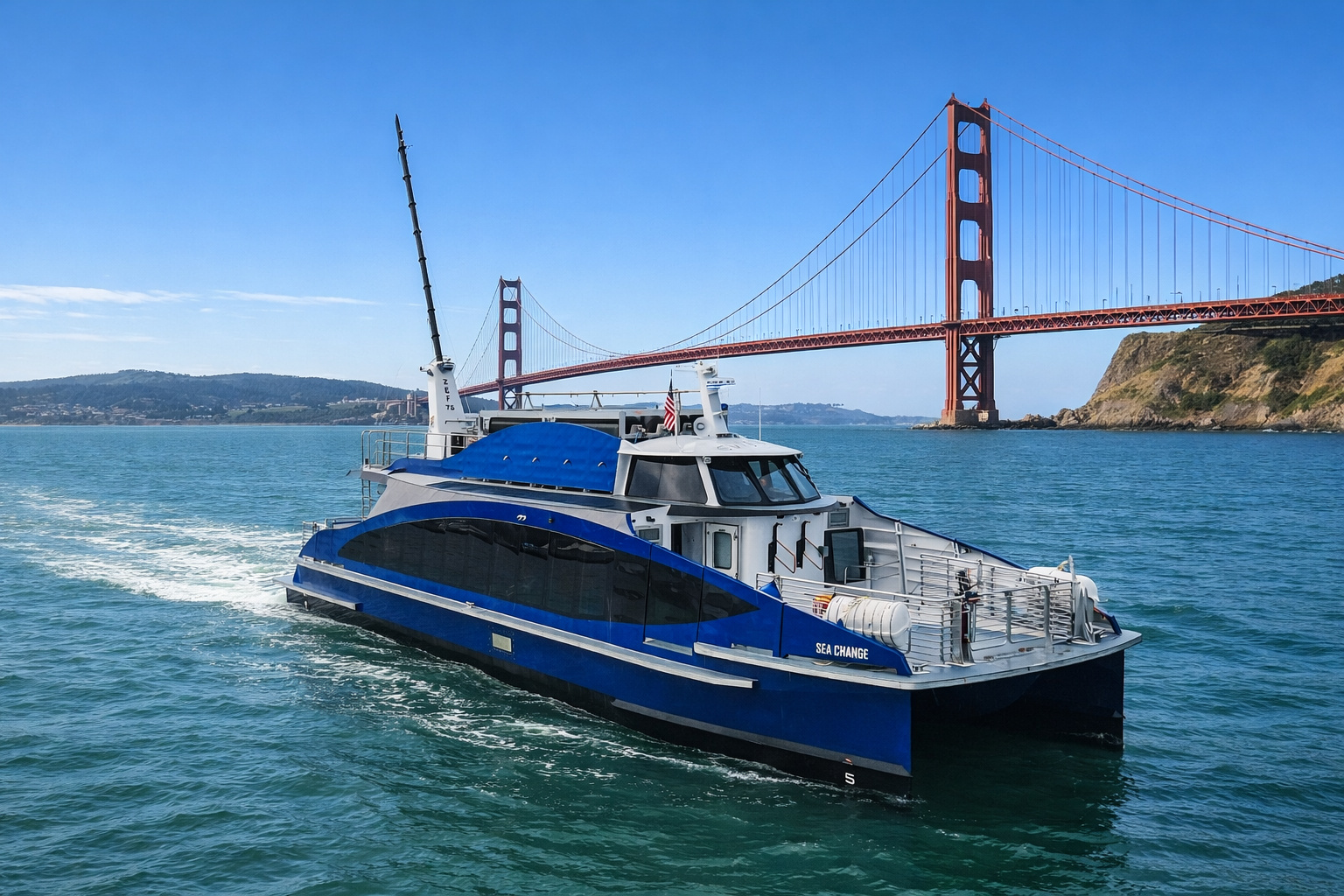
The first commercial hydrogen-powered ferry enters operation in the U.S., eliminates the use of diesel, uses fuel cells to generate clean energy on board, and transforms San Francisco Bay into a landmark of the new era of emission-free navigation.
-
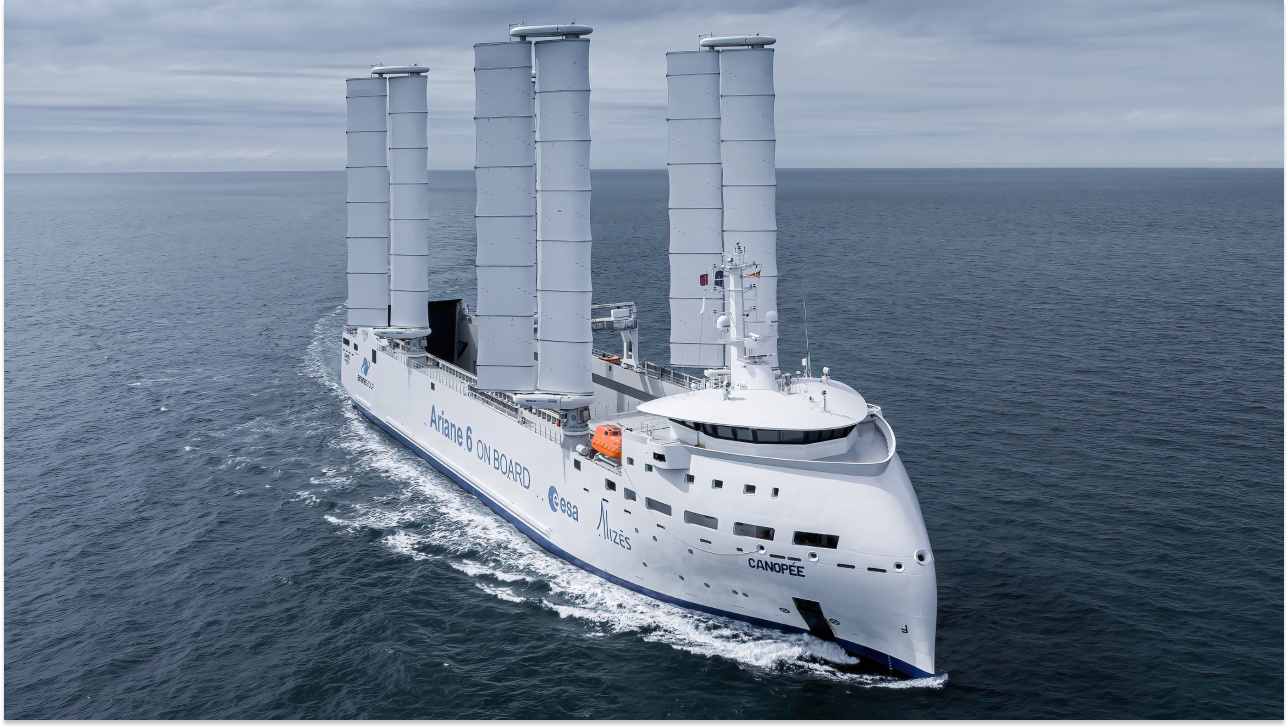
With a length of 121 meters and four rigid sails of 36 meters that automatically rotate to capture the wind, Canopée is the world’s first hybrid industrial cargo ship powered by wind, used to transport rockets and reduce fuel consumption by up to 30% on transoceanic routes.

Karpowership is a Turkish energy company, and with the new project in the state of Rio de Janeiro in conjunction with CDRJ, it aims to bring a pioneering initiative to the national territory and the Brazilian energy market. Thus, the project presented by the company provides for the Bay of Sepetiba to receive the installation of four floating thermoelectric plants, a Floating Storage and Regasification Unit (FSRU) for LNG, as well as the installation of temporary towers for transmitting the energy produced in the Rio ports.
Furthermore, currently, the first two thermoelectric vessels are already in the region and are docked at the Port of Angra dos Reis. Moreover, Karpowership and the Port Authority of Rio de Janeiro’s pioneering project anticipates that the floating thermoelectric plants Porsud I and II and Karkey I and II will have a total installed capacity of 560 MW by the end of the installation project of the structures in the Rio ports.
Thus, Karpowership is advancing in search of growth in the national energy market, while the Port Authority of Rio de Janeiro is looking to bring new investments to the ports of the state of Rio de Janeiro.
The Installation Project for Floating Thermoelectric Plants in the CDRJ Ports Will Ensure Greater Security for the Brazilian Energy Sector in the Coming Years
The year 2021 experienced significant instability in the Brazilian energy sector, due to an exceptional drought period, which resulted in low storage levels in the reservoirs of the country’s main hydroelectric plants.
Therefore, the development of the floating thermoelectric plant installation project by Karpowership will ensure greater security for the energy supply in the state of Rio de Janeiro, preventing crisis moments like this from influencing the transmission of the resource.
In addition, according to Karpowership and the Port Authority of Rio de Janeiro, the project has received the integrated environmental license (LAI) from INEA to begin implementing the small transmission line in the Santa Cruz Industrial District and is now awaiting the decision on the operating license from the licensing agency.
Regulatory agencies in the sector, such as the National Agency of Petroleum (ANP) and the National Electric Energy Agency (ANEEL), are also being engaged to address the technical issues of the project.
Finally, the Port Authority of Rio de Janeiro expects to raise about R$ 32 million during the project period and aims to bring a series of new investments for infrastructure and operational quality of the state’s ports over the coming years.








Seja o primeiro a reagir!