





 Portuguese
  English
  Spanish
  3 min of reading


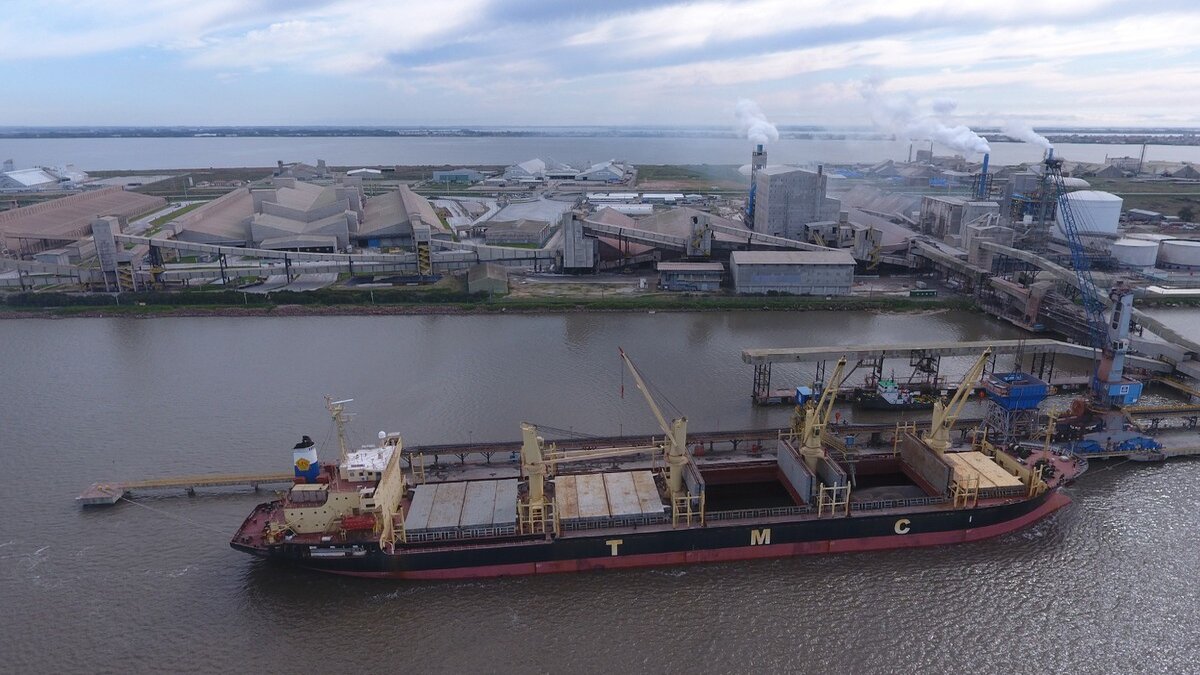
The Start Of Yara’s Cabotage Operation For Fertilizers Will Bring A Series Of Benefits To The Matopiba Region, Which Will Be Supplied With The Company’s Product And Will Be Able To Take Advantage To Boost The Agriculture In The Area.
During last Monday, (01/08), the plant nutrition company Yara started its first cabotage operation for bulk fertilizers in Brazilian territory. Thus, the products left the region of Rio Grande, in Rio Grande do Sul, and will arrive at the Blending Unit in São Luís, located in the state of Maranhão, to serve as a supply source for farmers in the Matopiba region (Maranhão, Tocantins, Piauí, and Bahia).
Yara’s First Cabotage Operation For Bulk Fertilizers In Brazil Will Benefit The Agriculture Of The Matopiba Region With The Arrival Of Products
The company Yara is the largest plant nutrition company in Brazil and took another step in its pursuit of growth in the Brazilian market this week when it carried out its first cabotage operation, that is, transportation of cargo between national ports, with bulk fertilizers. About 15 thousand tons of the special fertilizer line YaraBasa, composed of NP and NPK, left the company’s pier in Rio Grande to reach the Blending Unit in São Luís.
Thus, the ship that is performing the cabotage of bulk loads will travel along the entire Brazilian coast and is expected to arrive in the capital of Maranhão within the next 7 days, to meet the demand of the Matopiba region, especially for soybean production in the region’s agribusiness.
-
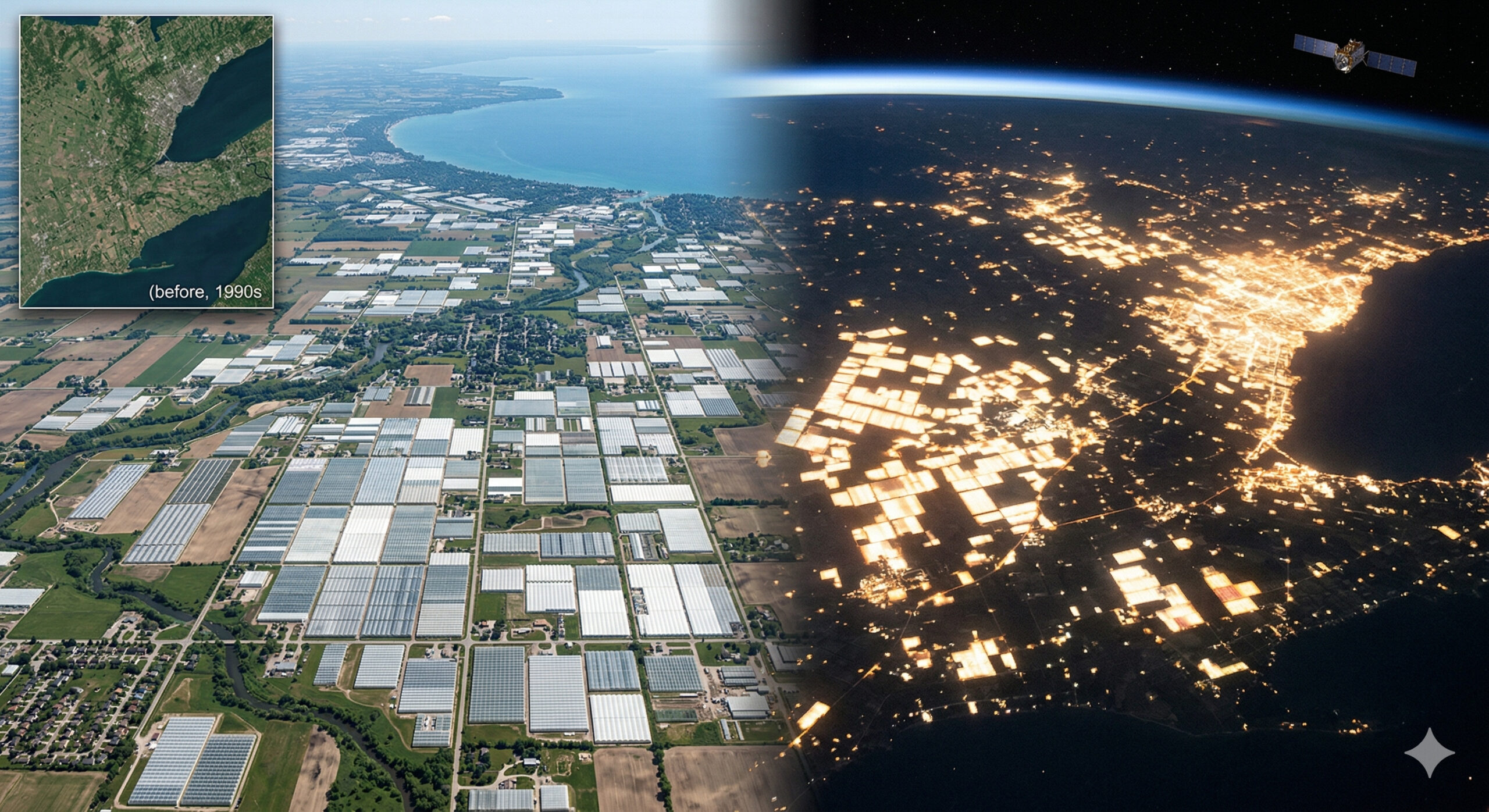
The expansion of greenhouses in southern Canada has become so intense that it has changed the appearance of the soil and even the nighttime glow of the region, transforming Ontario into one of the most visible agricultural hubs in North America from space.
-
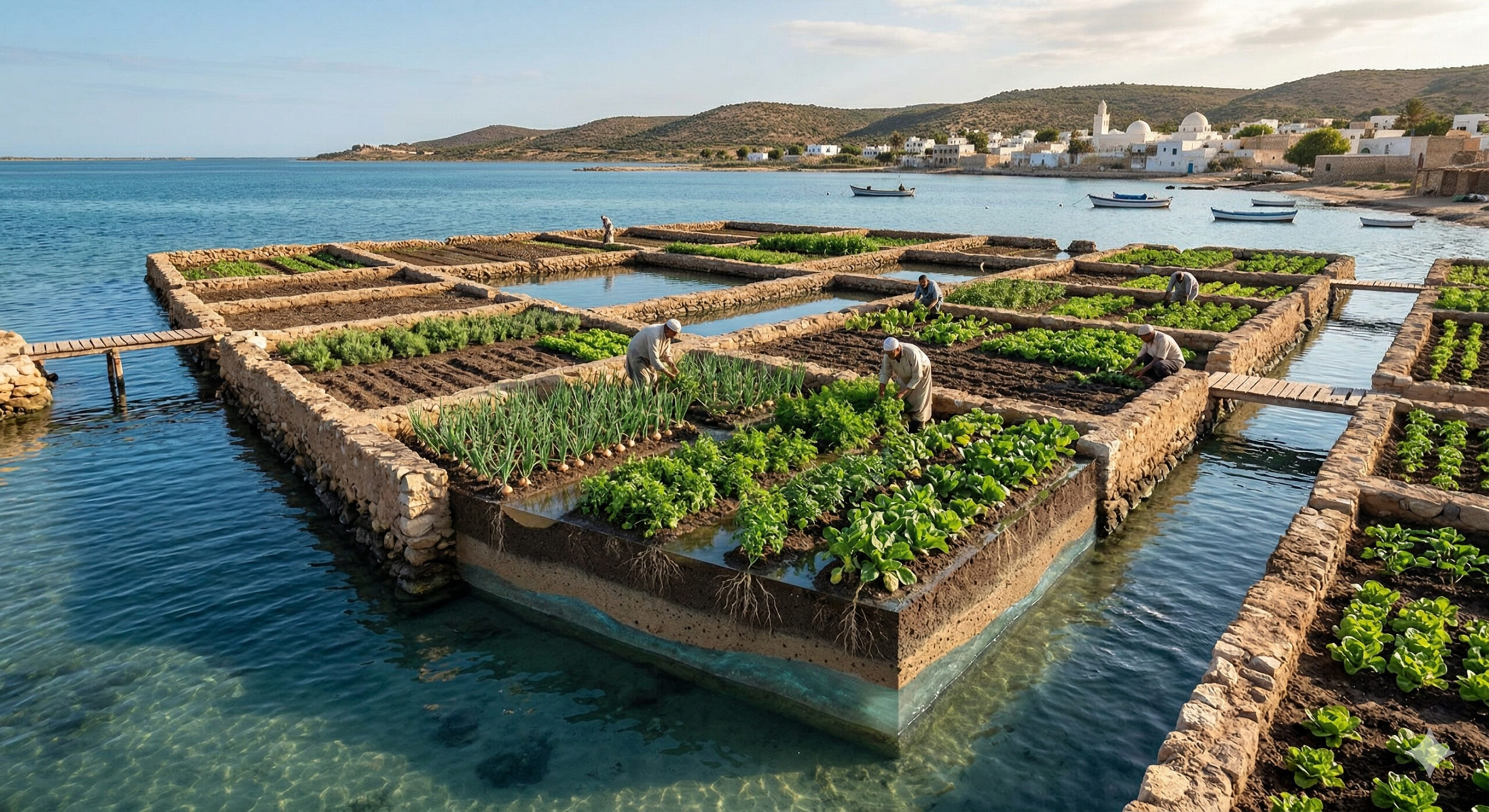
Almost nobody imagines it, but farmers in Tunisia grow food in the sand and make the roots drink fresh water that floats on top of seawater in an agricultural system considered unique in the world.
-
More than 20,000 km² of wheat fields form nearly perfect lines and geometric shapes in Montana, creating an agricultural pattern so symmetrical that the landscape looks like an abstract artwork visible from space.

-
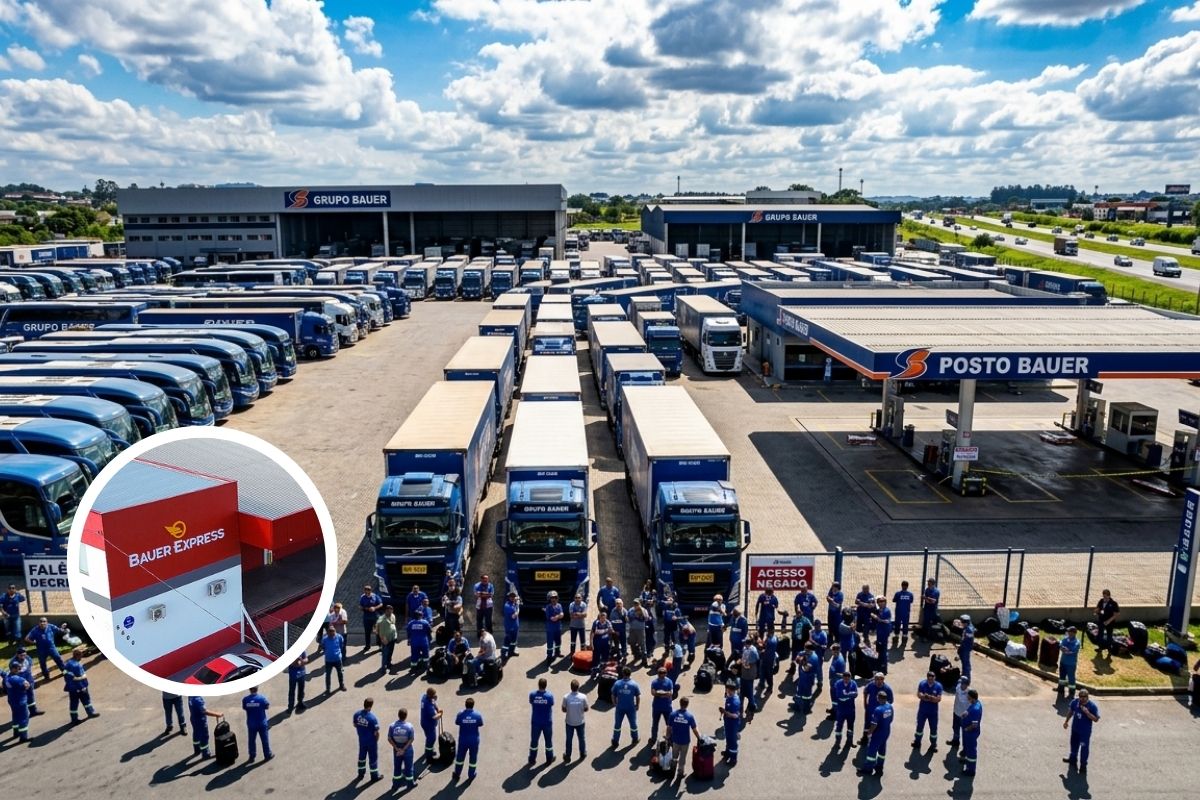
A new law being voted on in Brazil proposes a minimum fare of R$ 10 per trip and R$ 2.50 per kilometer for Uber and 99 drivers, and promises to ensure they earn as well as taxi drivers did during the golden age of taxis in the country.


The Matopiba area planted about 8.2 million hectares in the 2020/21 harvest, according to Conab, and has strong growth projections for these numbers for the next harvest in 2022, thus requiring more resources for planting.
“This shipment of fertilizers via cabotage to Maranhão brings several benefits, such as access for farmers in the North and Northeast regions to Yara’s special fertilizer lines, especially during a critical moment of disruptions in supply chains due to the war. The Northern Frontier market is the fastest growing in terms of planted area in the country, and now we will have another supply option for the region, with a domestic product,” commented Maicon Cossa, Commercial Vice President of Yara Brazil.
Bulk Fertilizer Transportation Operation Via Cabotage Ensures The Company Cost Reduction, Faster Delivery, And Sustainability In The Port Sector
The Matopiba region primarily conducts fertilizer import operations for its internal supply and, with Yara’s operation carried out this week, the market in the area will benefit from a domestic product.
Furthermore, cabotage for the transportation of bulk loads also ensures more quality and operational efficiency, as the logistics between the ports of Brazil becomes more optimized, thus requiring less time to complete transportation.
Thus, Maicon reinforced the issue of speed and stated that a load of 15 thousand tons, for example, following the same route that Yara will take this week, would require 405 trucks to cover the route of more than 3 thousand kilometers via highways, but this operation can be completed in just 7 days with cabotage. Therefore, this transportation also requires lower operational costs and reduces the emission of pollutants as it is faster.
Cabotage is expected to continue expanding in the port sector, especially after the BR do Mar, which ensured the reduction of the AFRMM (Additional Freight for the Renewal of the Merchant Navy), and other regions beyond Matopiba may benefit from Yara’s fertilizers.




Seja o primeiro a reagir!