Portuguese
  Spanish


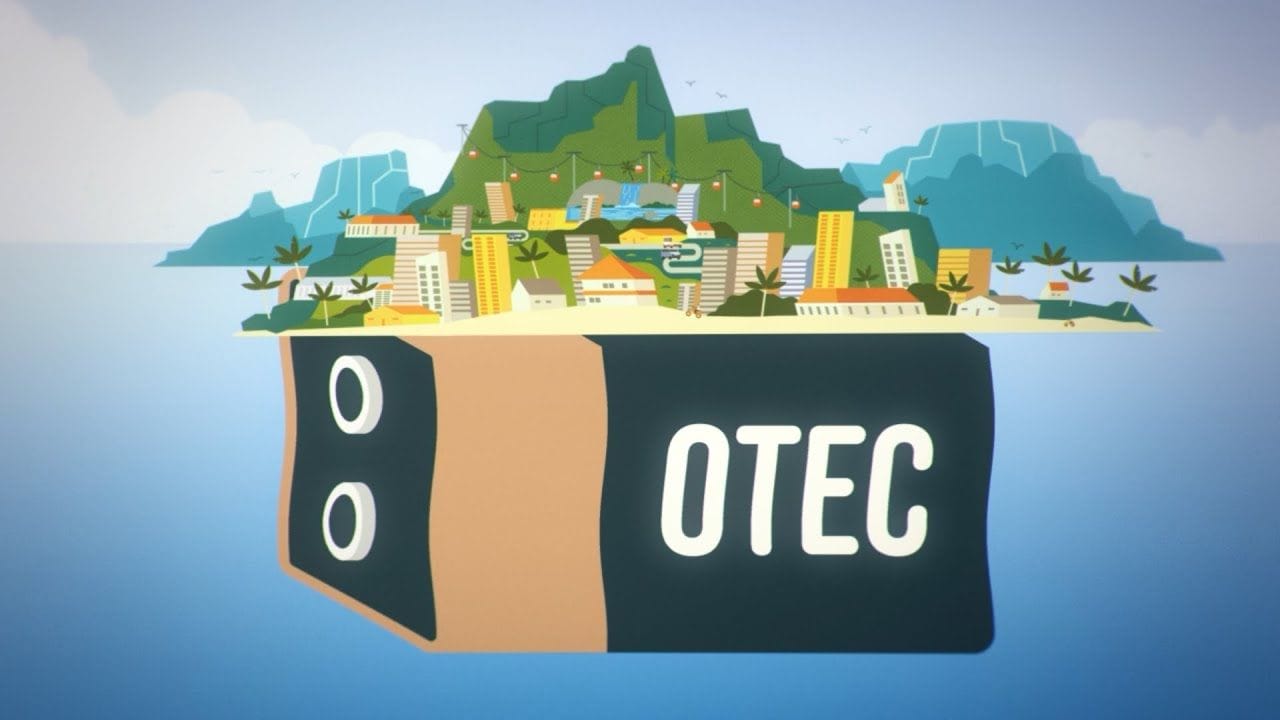

Let’s Dive [Literally] Into the Idea of Turning the Ocean Into a Giant Battery. Come Along to Understand How the Ocean Can Be the Key to an Endless Source of Renewable Energy.
What if we use the ocean as a power plant? The idea is old, but it’s still in its infancy. Ocean Thermal Energy Conversion, or OTEC, takes advantage of the temperature difference between the warm surface water and the cold deep water. It’s simple: warm water evaporates a fluid (like ammonia), generating steam that drives a turbine. Then, the cold water from the depths cools the steam, and the cycle starts again. And the best part: it works 24 hours a day!
Giant Challenges, Pipelines, and Costs
But it’s not as easy as it seems. To start, it needs giant pipes to bring the cold water from the ocean’s depths to the surface. And these pipes have to be stable and flexible at the same time to withstand the force of waves and currents. Not to mention that storms can destroy everything, as happened with one of the first plants back in 1930.

The cost of a 100-megawatt OTEC plant can vary between US$ 780 million and US$ 1.5 billion. And there’s also the environmental issue: the process moves an enormous amount of water from the ocean, which may have impacts that we still don’t fully understand.
-
Brazilian scientists are simultaneously advancing two research projects on clean hydrogen and driving solutions that could transform the energy matrix, enhance industrial competitiveness, and accelerate large-scale emission reduction targets.

-
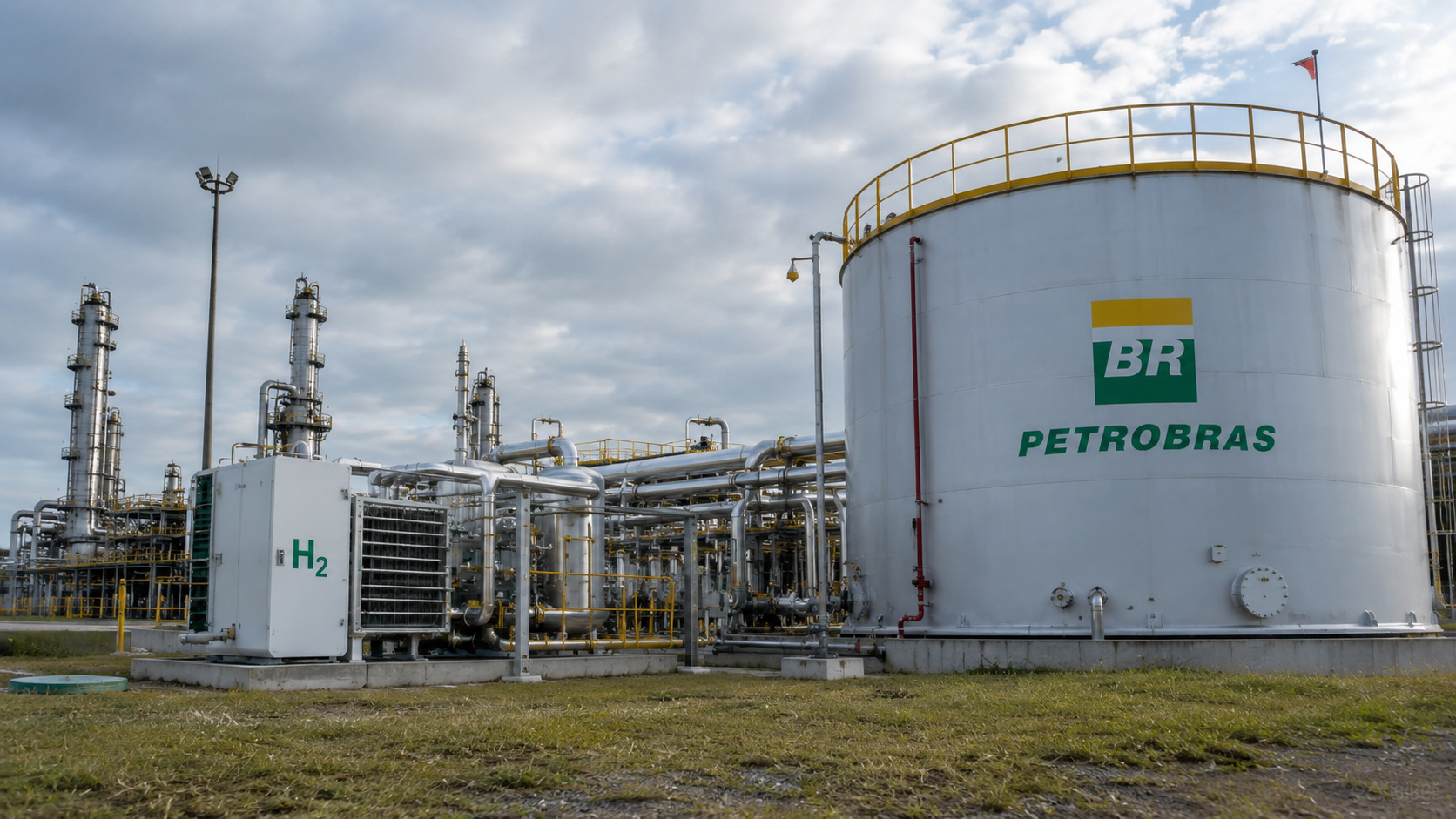
Advancement in renewable energy: A R$ 150 million project launched by Petrobras and Finep aims to create state-of-the-art electrolyzers for green hydrogen, strengthening national research and preparing Brazil to compete in a billion-dollar energy market.
-
Illiterate or semi-literate grandmothers were trained to repair solar systems, open rural workshops, and light up homes that still depended on kerosene.
-
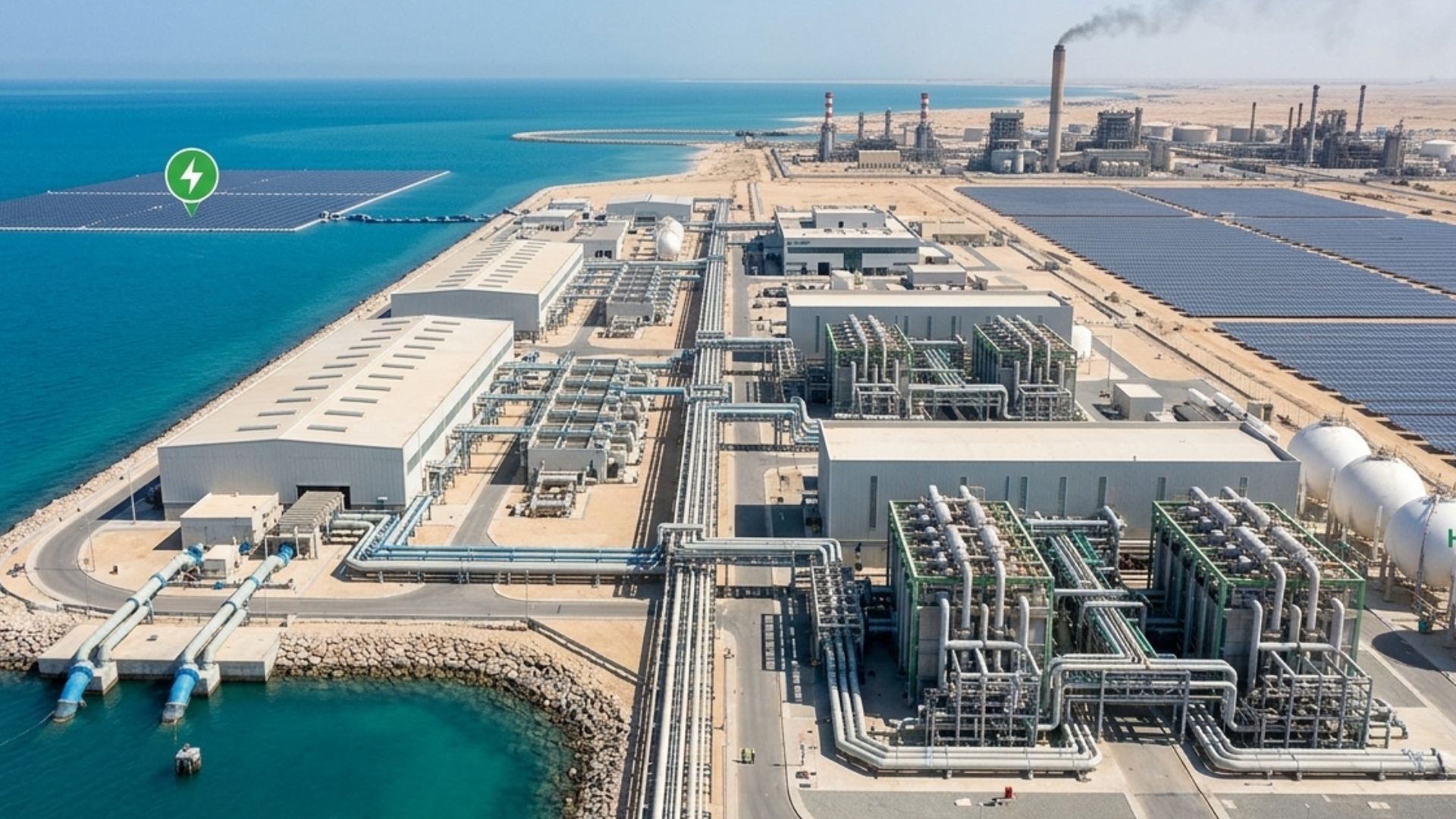
The world has bet on green hydrogen as the fuel of the future, but now faces the side effect: producing 1 kilogram requires about 9 liters of ultrapure water, and the largest projects on the planet are precisely in the driest regions of the Earth, where water is already scarce for people.



The Future of OTEC, Between Hope and Reality
Although OTEC has enormous potential, it still lacks significant investment and research to make this technology take off. Current plants are too small to answer all our questions. And, in the last ten years, progress has been minimal.
So, will the ocean be our next big source of renewable energy? The idea is great, but there’s still a lot of water to flow. For now, OTEC is more promise than reality. But who knows, right? In the world of renewable energy, anything is possible!