Portuguese
  Spanish


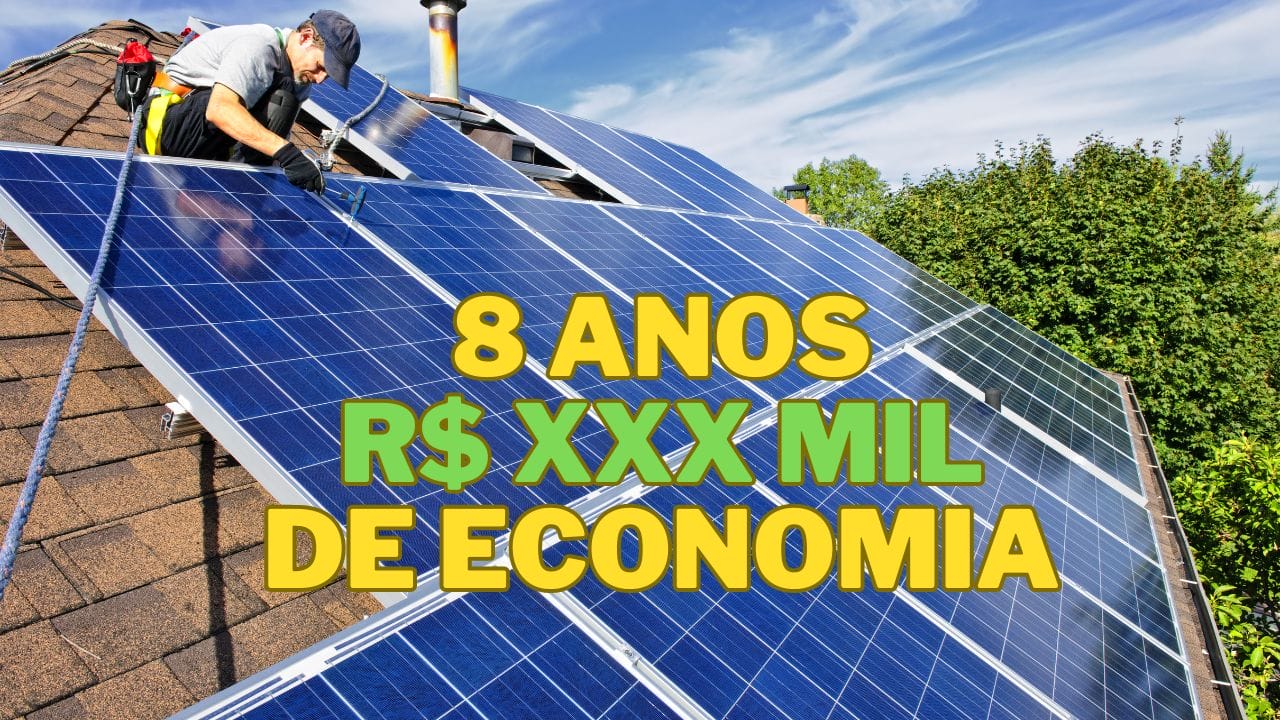

With the growing interest in renewable energy sources, solar energy has stood out as a viable and profitable option. A detailed analysis reveals that a photovoltaic system can generate significant savings over 8 years, demonstrating itself as a profitable investment both for businesses and homes.
A case study of a shoe factory that could have installed a photovoltaic system in 2015 illustrates the potential savings of solar energy. With an estimated lifespan of 20 to 25 years for a photovoltaic system, the long-term benefits are clear. The financial analysis reveals that in 8 years, the payback period would be approximately 2 years and 11 months, considering the conditions of the time.
For a monthly consumption of 10,000 kWh and an energy tariff of 65 cents, without a photovoltaic system, the factory would pay around R$ 6,500 per month. With the installed system, this cost would drop to about R$ 50, representing a monthly savings of R$ 6,350. In 8 years, this would result in total savings of nearly R$ 610,000.
Competitive Benefits of Solar Energy


In addition to the direct savings on energy bills, the adoption of solar energy brings competitive advantages for companies. Reducing operational costs allows for offering products at lower prices or increasing profit margins, making the company more competitive in the market. This aspect is particularly relevant for energy-intensive industries, such as the mentioned shoe factory, where solar energy not only significantly reduces fixed costs but also contributes to a sustainable and responsible stance towards consumers.
-
Green Hydrogen Projects in Northeastern Brazil Stalled for 18 Months Awaiting Government Decree, Delaying Billions in Investments

-
Brazil Concludes Largest Energy Auction in History, Secures 18.97 GW and Mobilizes $12.8 Billion to Ensure Supply Until 2031
-
How Norway Produces More Energy Than It Consumes with Nearly 1,800 Hydropower Plants and Over 1,100 Reservoirs

-
Axia Energia Invests $280 Million in Q1, Increases Investments by 36%, and Turns Loss into $740 Million Profit


Growth and Potential of the Solar Energy Market
The solar energy market has shown steady growth in recent years, with expectations of even greater expansion in the future. Installing photovoltaic systems represents a lucrative opportunity not only for consumers but also for industry professionals.
Although the analysis focuses on a period of 8 years, it is important to remember that the lifespan of a photovoltaic system can exceed two decades, meaning that the benefits and savings can be even greater over time. Investing in solar energy is, therefore, a strategic decision that can provide substantial financial benefits and contribute to a more sustainable future.
Solar energy is not only worth it, but it is a smart choice for those looking to reduce long-term costs and adopt more sustainable practices. With a relatively quick return on investment and significant savings over the years, solar energy is an attractive option for both businesses and homes. As technology continues to advance and the prices of photovoltaic systems become more accessible, it is expected that the adoption of this clean and renewable energy source will become even more common.