






 Portuguese
  Spanish
  2 min of reading
  0 comments


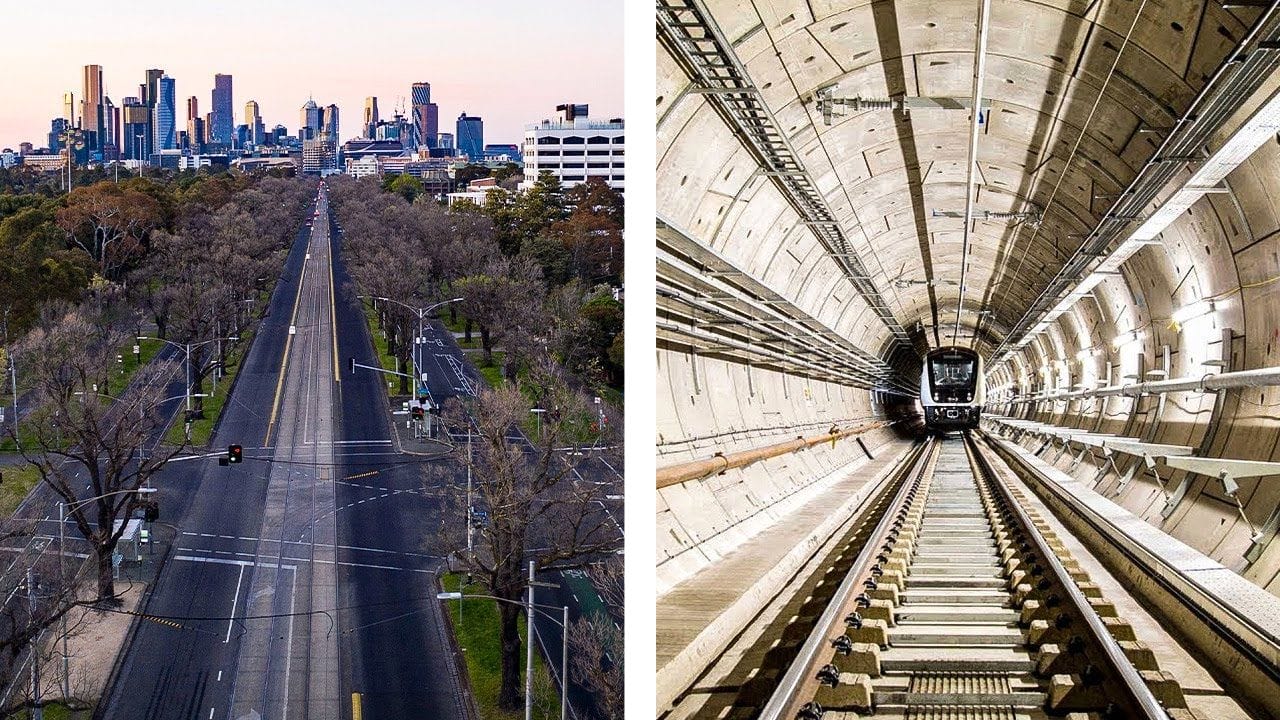
Australia Is Committed to a Colossal Infrastructure Project, with the Construction of a Mega Railway in Melbourne, with an Estimated Investment of US$ 125 Billion.
Australia, known for its robust economy and high quality of life, is now focused on improving its transportation infrastructure. Located in Oceania, the nation is the world’s largest exporter of resources such as diamonds, aluminum, and coal. Melbourne, a prominent city known for its quality of life, is the epicenter of this ambitious project.
The new Suburban Rail Loop (SRL) will cover 90 km, encircling the suburbs of Melbourne. Divided into three parts – SRL East, North, and West – the railway will include multiple stations, tunnels, and other complementary infrastructure. This project aims to reshape the existing subway system, providing a more efficient and comprehensive route.
Background and Need
The public transport system in Melbourne has faced challenges due to its outdated model, with many residents opting for cars. The SRL project aims to modernize the transportation network, offering a faster and more convenient service, significantly reducing travel time.
-
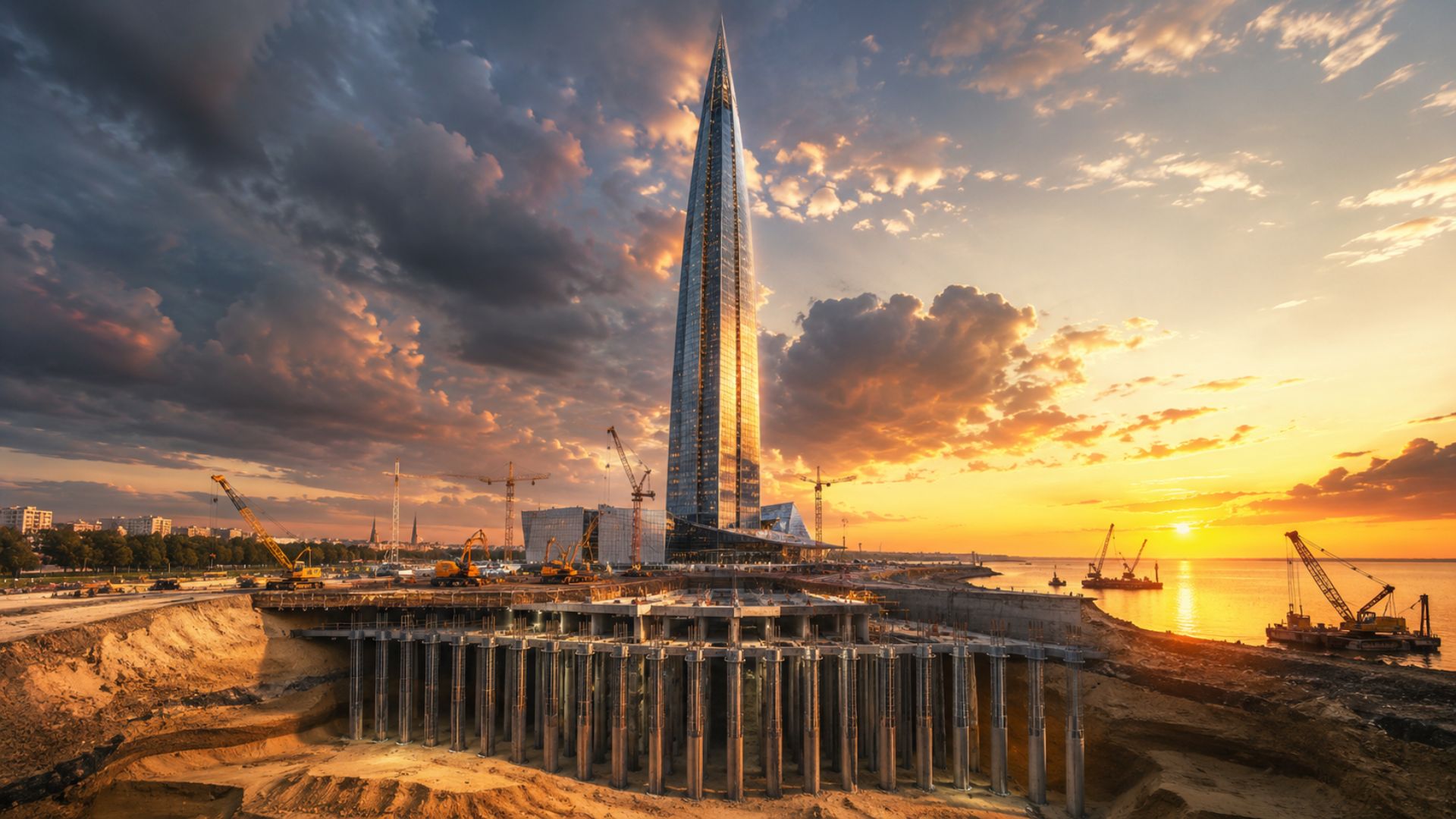
Russia erected the tallest building in Europe on ground as soft as quicksand, on the edge of the Gulf of Finland, with 264 piles of 25 meters, 30 thousand tons of steel, and 16,500 glass panels curved one by one in Saint Petersburg.

-
A mother of four sought a safer family environment, watched tutorials on the internet, built a 325 m² house with her family, and learned foundation, walls, plumbing, and electrical work without any professional experience.

-
Brazilians build modern houses 10 minutes from Disney, with luxury finishes, 3 bedrooms, 3 bathrooms, a $227 condo fee, and potential for Airbnb, targeting investors who want to use the property in Orlando and rent it out when they are not in the United States.

-
A city with fewer than 2,000 residents believed that 3D-printed houses would solve its housing crisis, but the project stalled, walls cracked, the printer disappeared from the site, and the FBI got involved in the case.



Technology and Construction
Using four Tunnel Boring Machines (TBM), the construction of the subway tunnel is advancing about 40 meters below the city’s streets. This project is a crucial step for the reform of transportation infrastructure, aiming to eliminate bottlenecks and increase the capacity of the railway network.


Despite its scale and benefits, the project faces challenges, including financial issues and political debates. The cost of the project has already exceeded the initial budget, raising concerns among citizens and experts.
The SRL is expected to play a crucial role in the development of Melbourne, creating thriving communities and enhancing quality of life. The railway is planned to be operational by 2050, with the first phase expected to be completed in 2024.
The Melbourne railway is a testament to Australia’s commitment to innovation and sustainable development. Although challenging, this project has the potential to transform the city’s transportation infrastructure, fostering a more connected and efficient Melbourne for future generations.





Be the first to react!