






 Portuguese
  Spanish
 3 min of reading


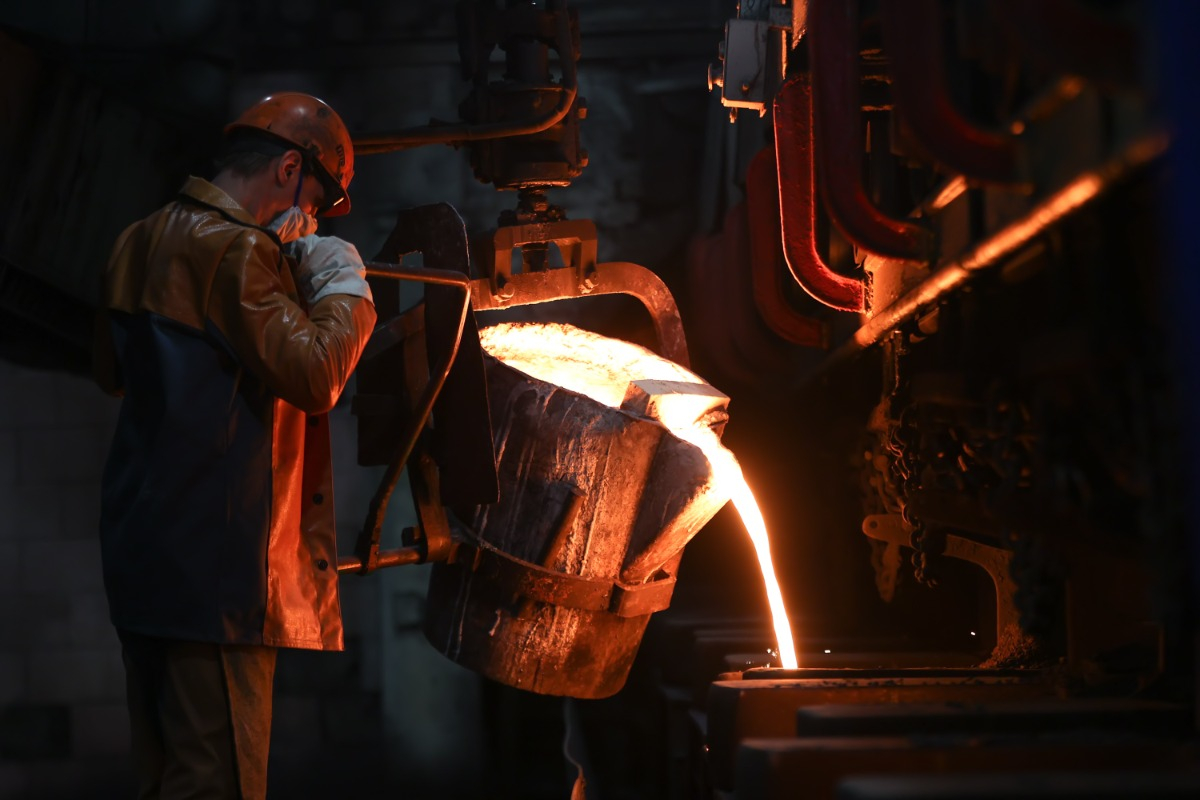
The Expansion of the Steel Mill Is Expected to Generate 1,650 Jobs, in Addition to Allowing Production to Reach 1 Million Tons of Products Per Year
In the coming months, the municipality of Pindamonhangaba (São Paulo) expects to generate more 1,200 indirect jobs and 450 direct jobs there, as well as an increase in production. This forecast is associated with the expansion of the GV do Brasil steel plant, owned by the Simec Group, which had its groundbreaking ceremony this Thursday (30th).
Thus, in the following months, when the construction is completed, it is expected that the steel mill’s production will double from 500 thousand to 1 million tons of products per year. The company produces special steel aimed at the civil construction market.
According to the municipality’s city hall, the steel mill will invest more than US$ 300 million (around R$ 1.5 billion) in the unit, so that the production of rebar in bars and rolls of wire will be doubled.
-
To halt the advance of the Sahara, the 8,000 km Great Green Wall in the Sahel relies on reforestation to combat desertification, but by 2026 it remains far behind the goal of 100 million hectares.

-
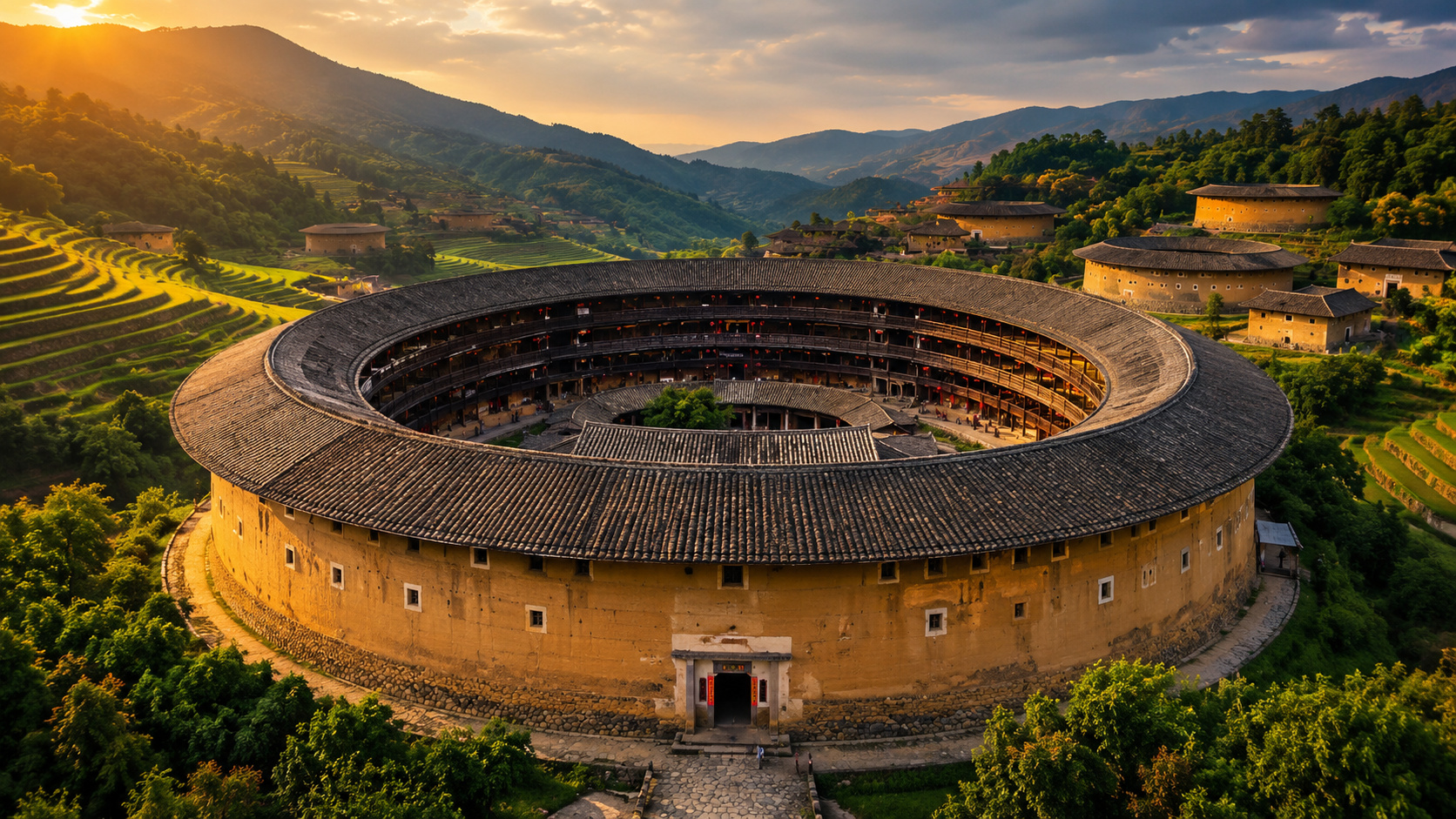
Long before sustainable construction became a trend, China built earthen fortresses with multiple floors, a central courtyard, and the capacity to house up to 800 people living in a community.

-
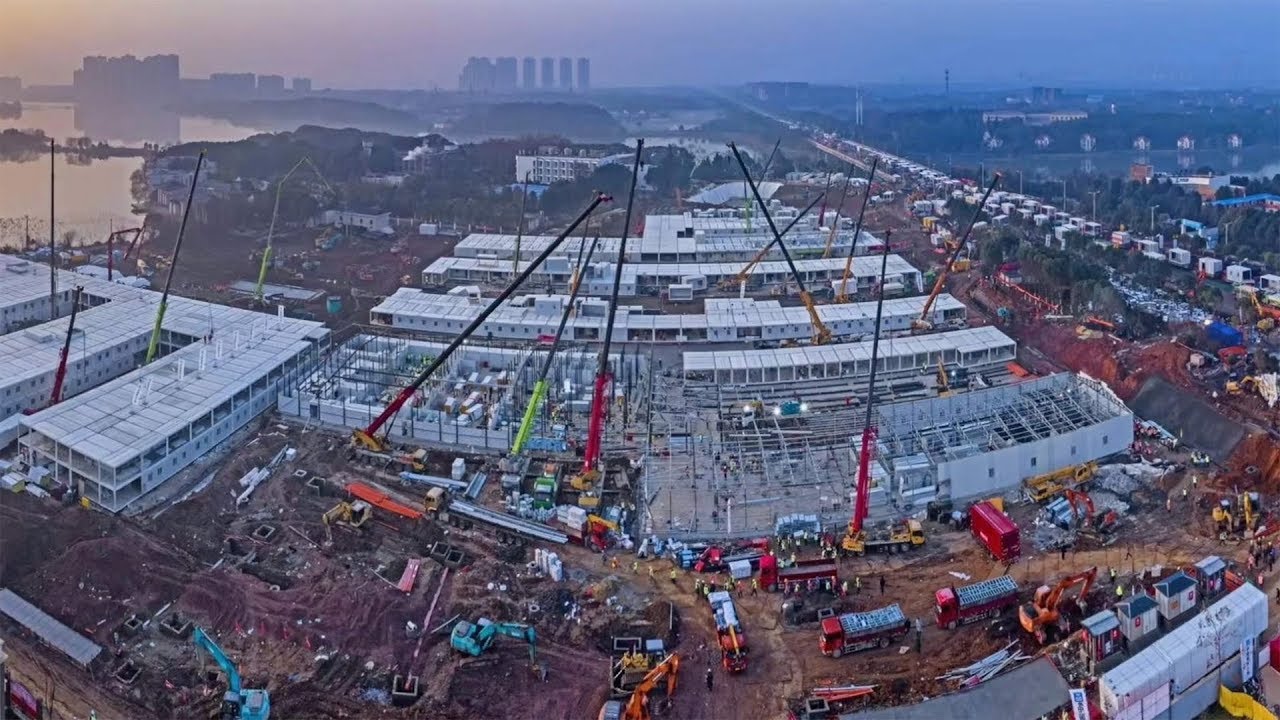
While in the rest of the world building a hospital takes years from design to inauguration, China erected the Huoshenshan Hospital from scratch in just 10 days, with 1,000 beds, foundation, structure, electrical installations, plumbing, and oxygen system ready to receive patients, mobilizing 7,000 workers.

-
Without mortar, grout, or traditional construction: the ClickBrick system assembles brick facades with ceramic pieces held by metal clips, eliminating the need for glue, speeding up installation, and even allowing everything to be dismantled later without turning the construction into expensive permanent debris.


Investment for the Expansion of the Steel Mill, Which Arrived in Pindamonhangaba in 2015, Reaches the Amount of US$ 300 Million
The steel mill’s production in Pindamonhangaba began in 2015, and now, after seven years of operations, the group forecasts an investment of US$ 300 million for the company’s expansion. The expansion will enable, in addition to the generation of new jobs, the capacity of the plant to be doubled from 625 thousand tons per year to 1.25 million tons per year, thereby increasing its entire production of rebar in bars and rolls of wire.
Moreover, the municipality still expects that the steel mill’s growth will provide an increase in ICMS collection.
City Administration Celebrates and Argues in Favor of the Expansion
According to the mayor of Pindamonhangaba, Dr. Isael Domingues, there is a very positive expectation regarding the gain from new jobs, increased ICMS transfers, and social contributions. For him, it is a very bold step, and the groundbreaking ceremony opens precedents for much more development.
The Secretary of Economic Development, Roderley Miotto, also emphasized that the expansion of the steel mill occurs at a very opportune moment, as it allows for the municipality’s economic growth following the fragility caused by the pandemic.
In addition to the plant in Pinda, the Simec Group also operates in plants in the municipalities of Cariacica (Espírito Santo) and Itaúna (Minas Gerais). The company was founded in 1969 in Mexico. In the São Paulo city, the company was inaugurated in 2015.
History of the Simec Group
The Simec Group, which holds the leadership in special steel metallurgy in North America, was founded in 1969 in Mexico, and announced its arrival in Brazil in 2011, when it acquired the construction site of the plant in the municipality of Pindamonhangaba.
The company operates eight units in Mexico, seven in the United States, and one in Canada. As for Brazil, its arrival occurred through the plant in Pinda, and currently, the company has two more plants in the country (Cariacica in Espírito Santo and Itaúna in Minas Gerais).
Contributing to the country’s development with its steel production and job generation, the Simec plant in Pinda is a modern facility built with the most advanced technology in steel production, becoming responsible for supplying the market in the Midwest, Southeast, and South regions.





Be the first to react!