





 Portuguese
  English
  Spanish
 5 min of reading
  0 comments


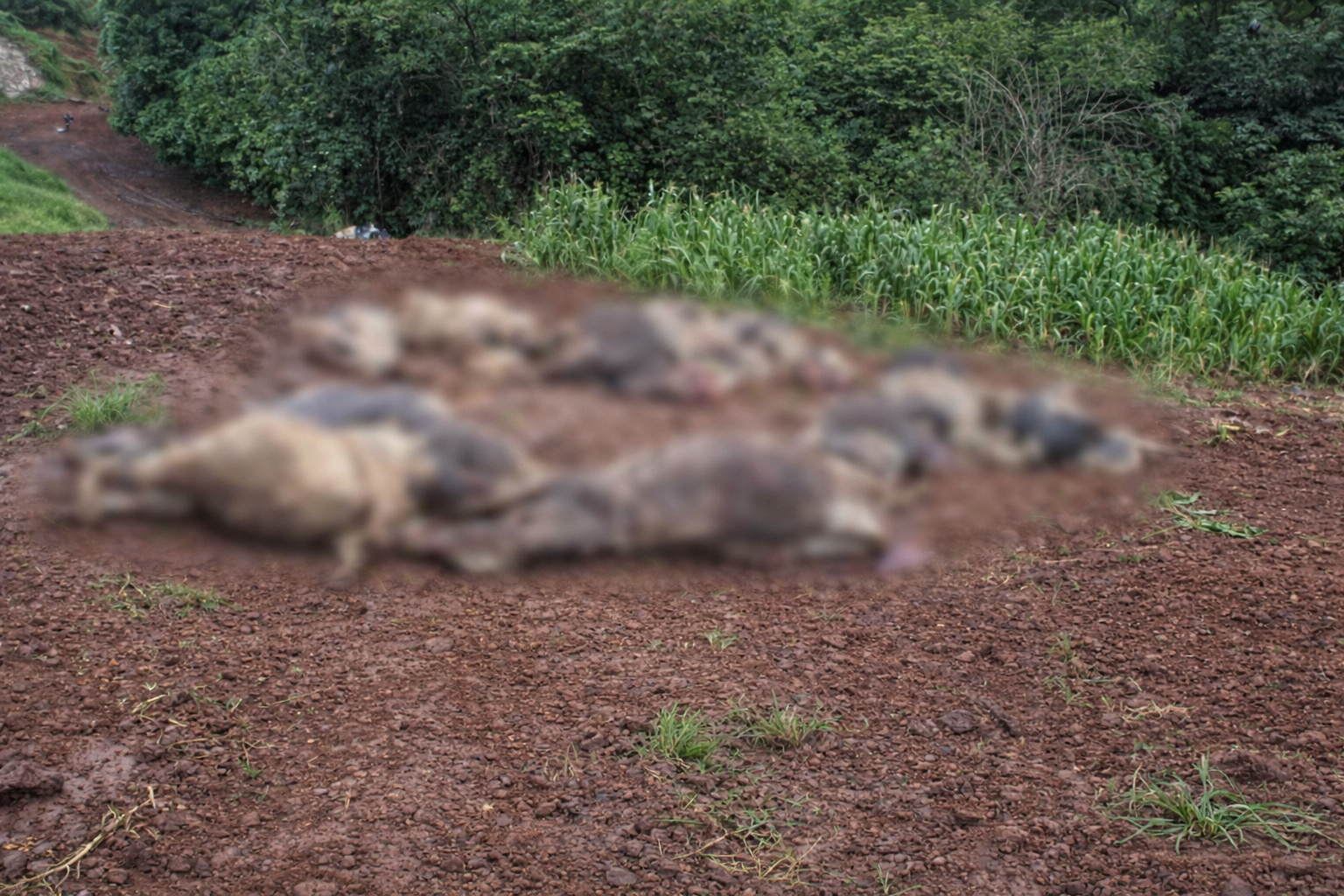
Rural Producer from Novo Xingu (RS) Lost 48 Dairy Cows in Less Than 36 Hours After Nitrate Poisoning in Pasture. Estimated Loss Reaches R$ 600 Thousand and Daily Production of 1,200 Liters Was Interrupted.
The rural producer Ana Paula Winter, from the municipality of Novo Xingu, reported having lived through “anguishing days” after losing 48 lactating dairy cows in less than 36 hours, in early January 2026. The tragedy abruptly interrupted a daily production of approximately 1,200 liters of milk and generated an estimated loss of around R$ 600 thousand. The case was initially reported by the Canal Rural website, which detailed the circumstances of the loss and the economic impact on the family, which has been involved in dairy farming for over three decades.
Loss of 48 Cows in Less Than 36 Hours
According to the producer’s account, the animals began to show clinical signs consistent with food poisoning, rapidly progressing to death. The 48 cows were in the lactation phase, which amplified the immediate financial impact.
The family accumulated over 30 years of work in forming the herd. In just a few hours, the herd was drastically reduced, affecting not only the monthly income but also the productive structure of the property.
-
The sugar-energy sector advances with agricultural technology, but agricultural productivity still raises concerns.

-
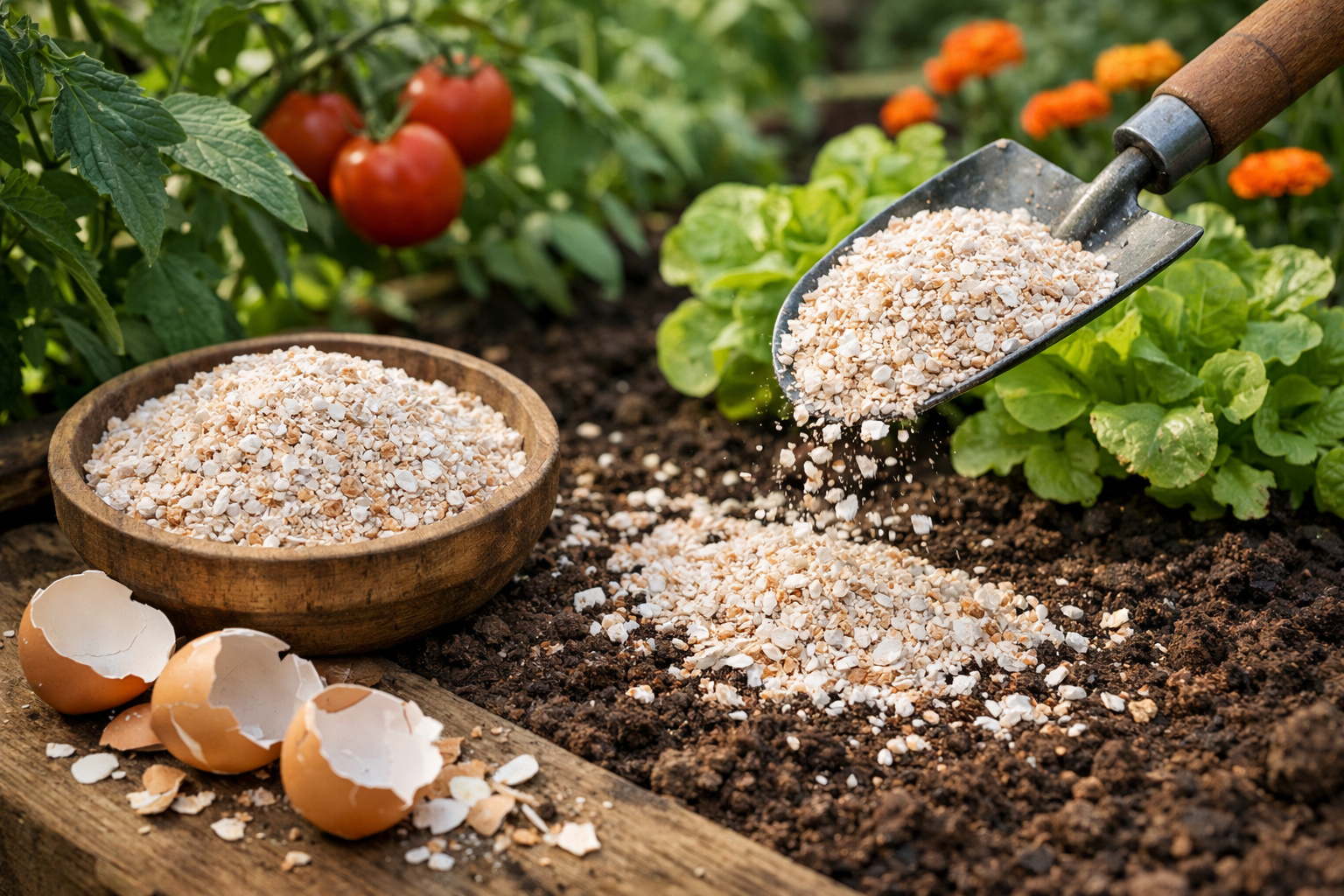
The eggshell that almost everyone throws away is made up of about 95% calcium carbonate and can help enrich the soil when crushed, slowly releasing nutrients and being reused in home gardens and vegetable patches.
-
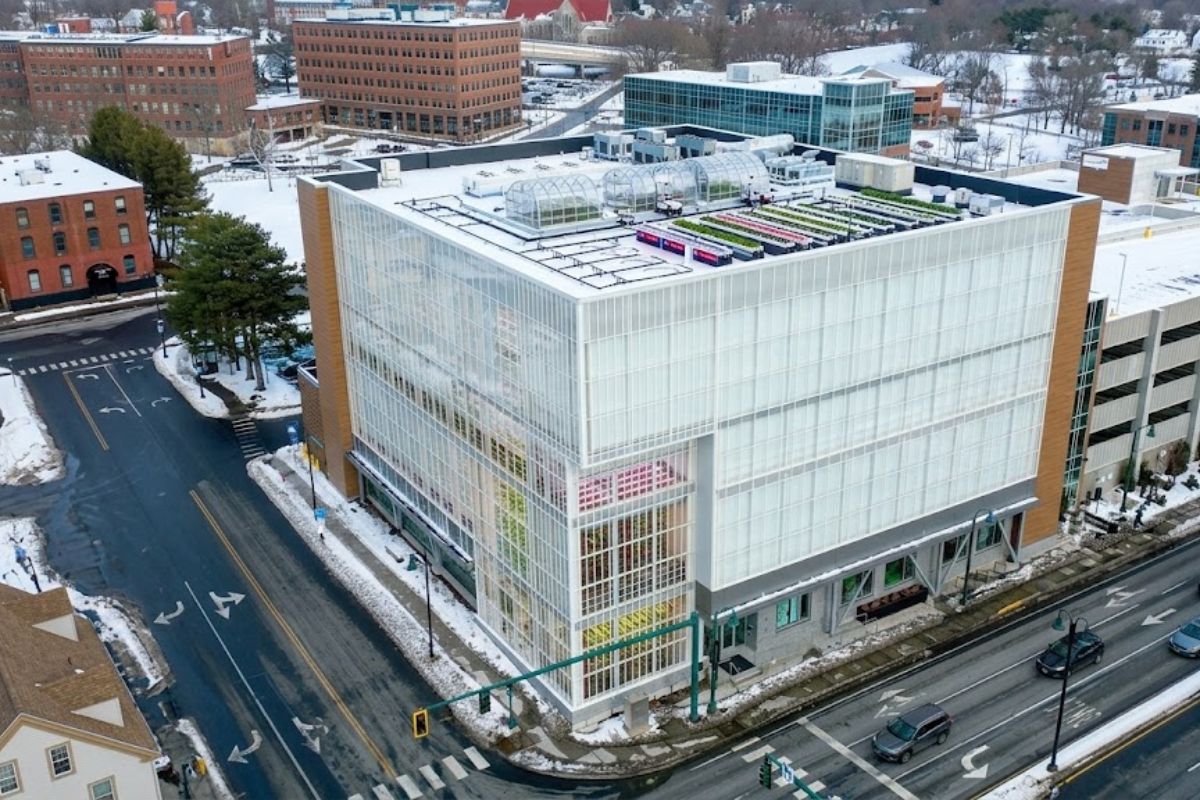
This farm in the United States does not use sunlight, does not use soil, and produces 500 times more food per square meter than traditional agriculture: the secret lies in 42,000 LEDs, hydroponics, and a system that recycles even the heat from the lamps.
-
The water that almost everyone throws away after cooking potatoes carries nutrients released during the preparation and can be reused to help in the development of plants when used correctly at the base of gardens and pots, at no additional cost and without changing the routine.

The production of approximately 1,200 liters of milk per day was almost entirely interrupted after the incident, compromising contracts and cash flow of the activity.
Nitrate and Nitrite Poisoning in Pasture
The information disclosed indicates that the cause of the animals’ deaths was poisoning by nitrate/nitrite present in the pasture.
The problem can occur when forage plants accumulate high levels of nitrate. This phenomenon is more common in situations of:
- Periods of water stress followed by rain
- Reduced photosynthesis
- Accelerated plant growth after adverse weather conditions
- Nitrogen fertilization
When ingested in excess by cattle, nitrate is converted into nitrite in the rumen. Nitrite interferes with the blood’s ability to carry oxygen, causing hypoxia, respiratory distress, and sudden death in severe cases.
The progression is usually rapid, which explains the high number of deaths in a short period of time.
Direct Economic Impact on Farm Production
The estimated loss of R$ 600 thousand considers the individual value of the animals, especially since they are cows in full milk production.
In addition to the value of the herd, the interruption of the production of 1,200 liters daily represents a significant impact on the property’s revenue. Considering average prices practiced in the state, the family’s monthly income was drastically reduced.
In family-owned dairy farms, milk sales represent a continuous cash flow, used to cover animal feed costs, maintenance of the structure, repayment of loans, and household expenses.
Interruption of the Productive Chain
Dairy farming relies on consistency. Unlike seasonal crops, milk is produced daily and delivered continuously.
The death of lactating cows affects:
- Daily production volume
- Reproductive planning
- Herd renewal
- Relationship with cooperatives and dairies
The replenishment of the herd does not happen immediately, as heifers need to reach suitable age and physiological condition to start lactation.
Mobilization of the Novo Xingu Community
After the incident was reported, producers in the region and residents of Novo Xingu began mobilizing to assist the family.
Fundraising campaigns, donations via Pix, and contributions of animals were organized. In early February, the property received about 23 donated animals, including heifers and lactating cows.
Some of these cows have already started producing, while others are in the final stages of gestation, gradually contributing to the resumption of dairy farming.
Gradual Resumption of Production
With the arrival of the new animals, the family began the process of rebuilding the herd. The resumption does not occur immediately at the previous volume, but allows for part of the daily production to be reestablished. The replenishment involves:
- Adjustment of the new animals
- Nutritive adjustments
- Reproductive planning
- Reorganization of the milking structure
The complete reconstruction may take years, especially considering the genetics and productivity of the original herd.
Climate Context and Agronomic Risk
Nitrate poisoning is associated with specific climatic conditions. In Rio Grande do Sul, fluctuations between drought and intense rainfall can favor nitrate accumulation in certain forages.
Plants under stress can accumulate nitrates in leaves and stems, especially when the soil’s nitrogen absorption rate exceeds the plant’s ability to metabolize it.
In intensive dairy systems, where nitrogen fertilization is used to maximize pasture productivity, the risk can be heightened if there is no appropriate monitoring.
Technical Aspects of Poisoning in Cattle
The ingested nitrate is converted into nitrite in the rumen. Nitrite reacts with hemoglobin, forming methemoglobin, which reduces the blood’s oxygen-carrying capacity.
The symptoms include:
- Respiratory difficulties
- Tremors
- Weakness
- Sudden death
The rapidity of the clinical picture can prevent effective intervention when there is no immediate diagnosis.
Emotional Damage and Family History
In addition to the financial dimension, the producer reported significant emotional impact. The herd represented more than three decades of family dedication.

In family-based properties, the animals result from genetic selection, management, and continuous investment. The simultaneous loss of dozens of lactating cows undermines a productive history built over years.
The reconstruction of the herd requires:
- Acquisition or donation of new breeding stock
- Dietary adjustments
- Health monitoring
- Reproductive planning
The average productivity of a dairy cow depends on genetics, management, and nutrition. Replacing animals does not automatically guarantee a return to the same previous level of production.
Importance of Pasture Monitoring
Cases like this reinforce the relevance of forage analysis and agronomic follow-up.
The evaluation of nitrate levels can be performed through laboratory tests, especially during periods of climatic transition. Monitoring helps reduce the risk of ingestion of forage with potentially toxic levels.
Rio Grande do Sul is one of the main milk-producing states in Brazil. Small and medium family farms represent a significant portion of the state’s production.
Episodes of collective herd loss impact not only the affected family but also the regional productive chain.
Current Situation of the Property
With community support and the gradual arrival of donated animals, Ana Paula Winter’s family has begun to resume production.
Although the volume has not yet returned to the 1,200 liters per day prior to the incident, the reconstruction process is underway.
The complete replenishment will depend on time, investment, and sanitary and climatic stability.
The loss of 48 dairy cows in less than 36 hours in Novo Xingu (RS) represented one of the most impactful episodes experienced by the family of producer Ana Paula Winter.
With an estimated loss of R$ 600 thousand and interruption of the daily production of 1,200 liters of milk, the case highlights the risks associated with nitrate poisoning in dairy systems and the vulnerability of family properties in the face of unexpected events.
The mobilization of the community allowed the beginning of the herd reconstruction, but the full resumption of activity will depend on a gradual process of productive replenishment over the next few years.










-

-

2 pessoas reagiram a isso.