Portuguese
  Spanish
 Naval Industry
Latest news and job openings regarding the shipbuilding industry, ports, and shipyards in Brazil and worldwide, with daily updates.



Naval Industry
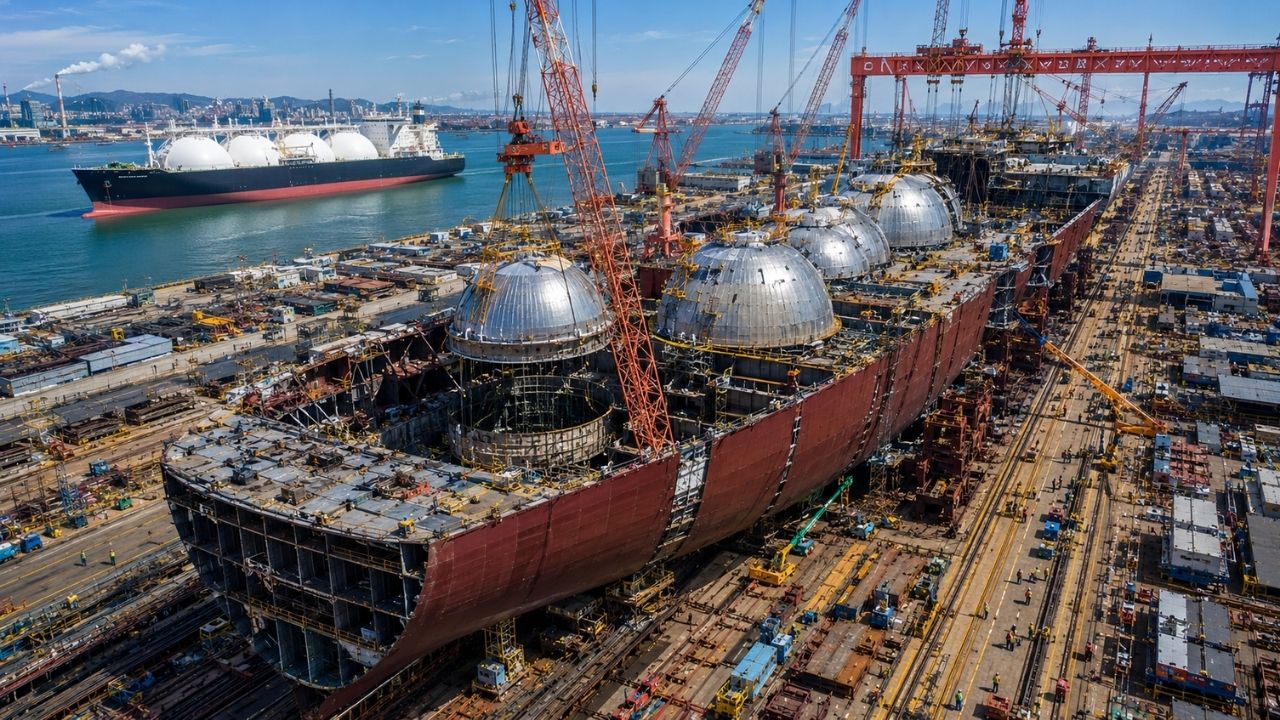
China is designing a container ship with a thorium nuclear reactor that will operate for 40 years without refueling, and the 25,000-container giant from Jiangnan Shipyard will cross oceans without emitting carbon in an industry that burns 300 million tons of fuel per year.
Débora Araújo 05/06/2026 at 12:32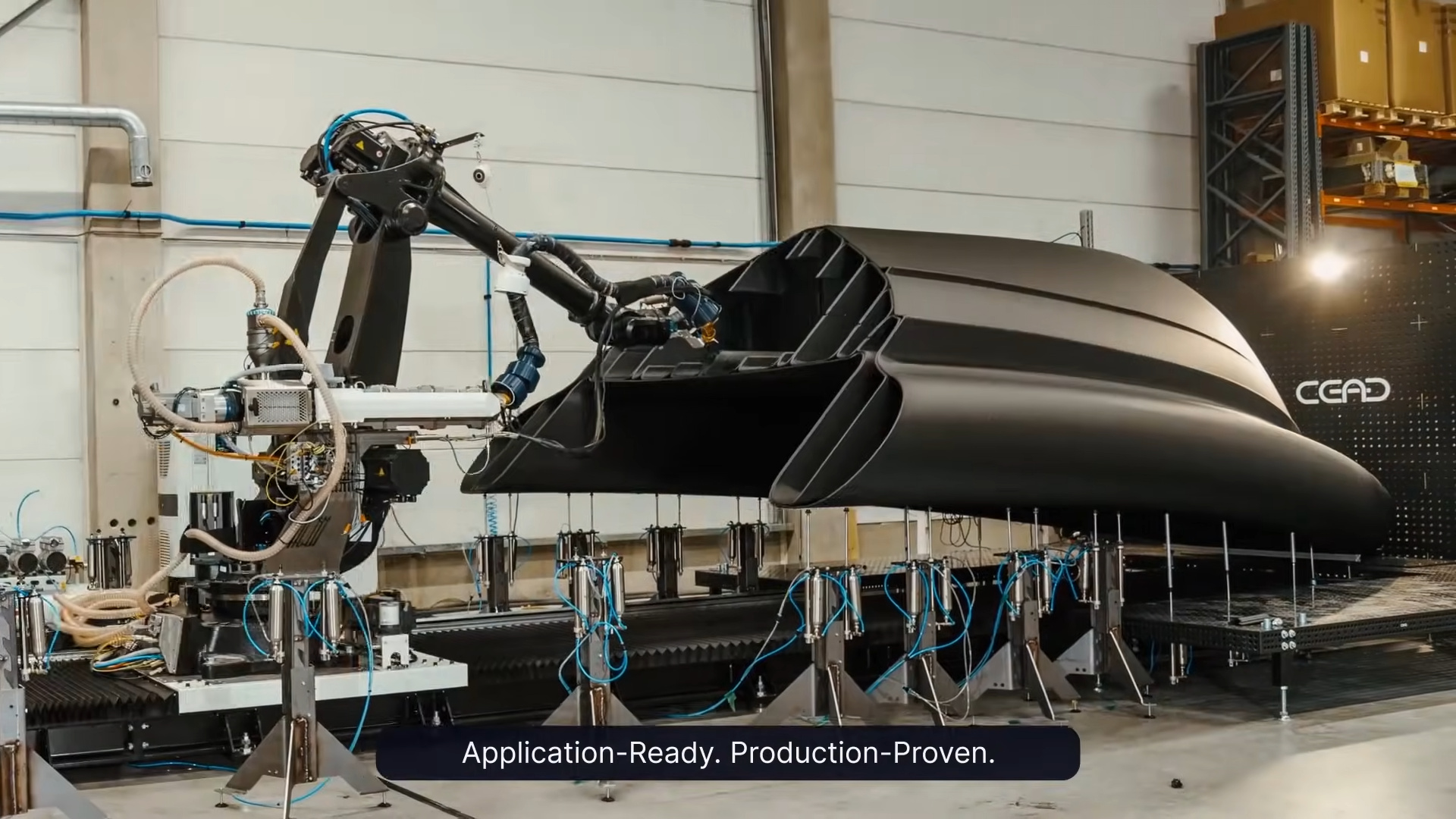
Naval Industry
An entire boat came out of the 3D printer without a mold and without seams: CEAD’s giant robot creates hulls up to 12 meters in a single piece, replacing months of shipyard work with code and putting shipbuilding on the brink of a turning point that seems like science fiction.
Valdemar Medeiros 05/06/2026 at 11:17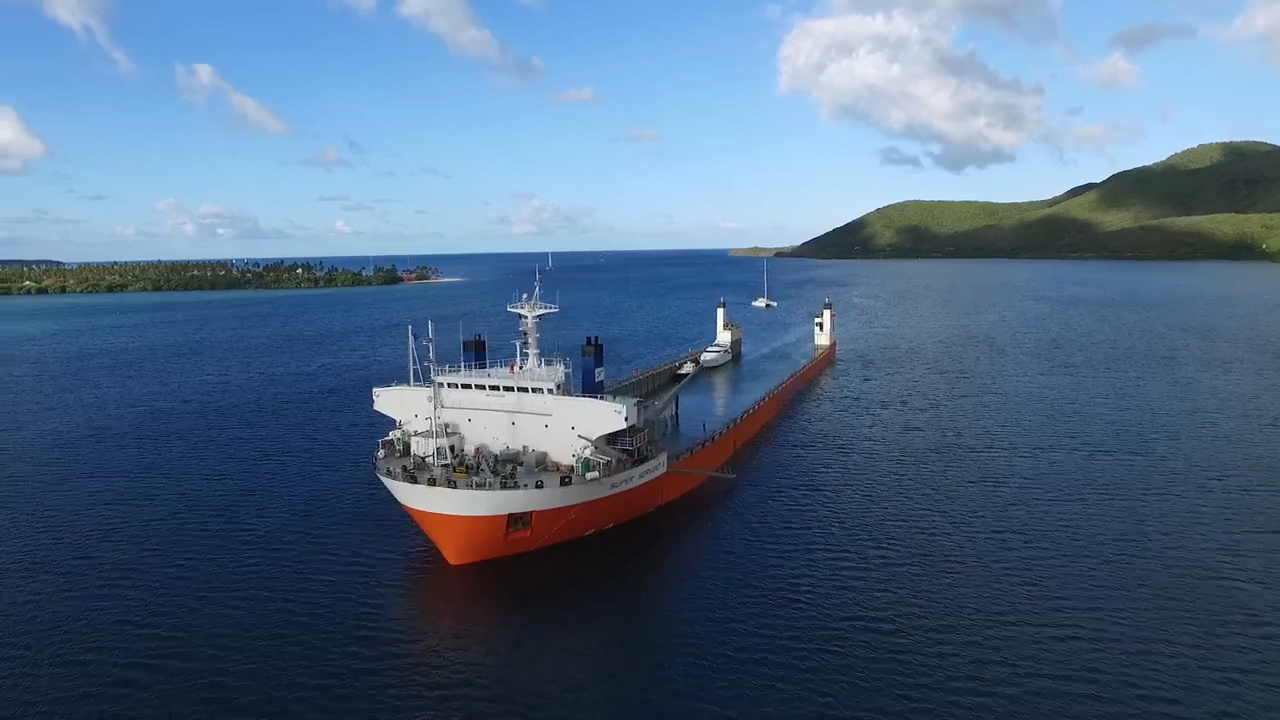
Naval Industry
The “dock ship” that deliberately sinks to swallow superyachts like toys: Yacht Servant is 214 meters long, 46 meters wide, has a 6,380 m² deck, and uses float-on/float-off operation to transform maritime luxury into a semi-submersible parking lot.
Valdemar Medeiros 04/06/2026 at 19:19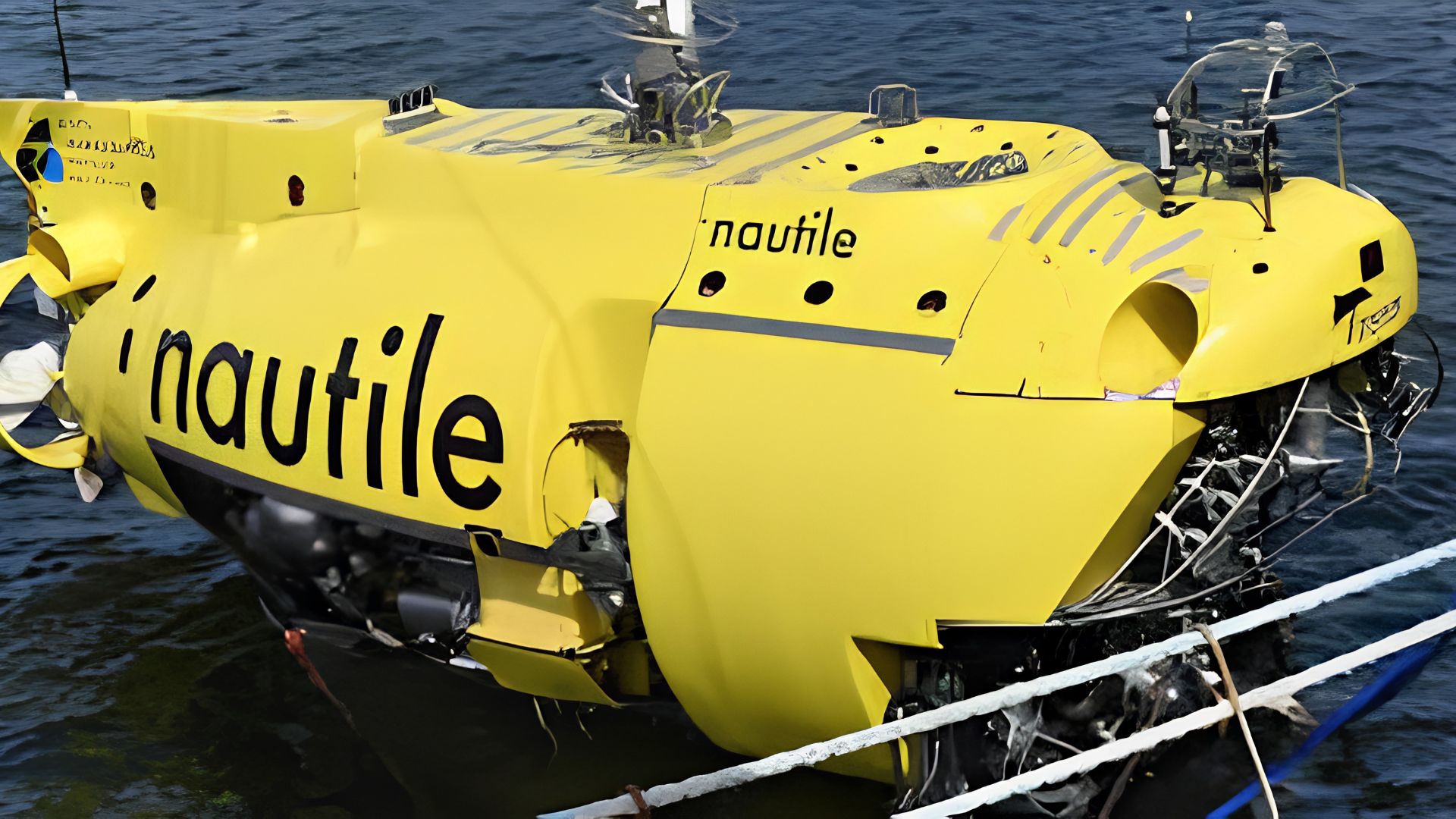
Naval Industry
The French titanium submarine that descends where the light disappears: Nautile carries three people to a depth of 6,000 meters, reaches 97% of the ocean floor, and has already investigated the Titanic, underwater volcanoes, and regions that remain inaccessible to most vessels on the planet.
Valdemar Medeiros 04/06/2026 at 17:13
Naval Industry
Around 7,000 jobs are expected to emerge in Navegantes with a new billion-dollar order from Petrobras, which closed R$ 11 billion in contracts to build four hybrid propulsion vessels equipped with underwater robots for the pre-salt layer at the Santa Catarina shipyard.
Bruno Teles 25/05/2026 at 23:17
Naval Industry