





 Portuguese
  English
  Spanish
  4 min of reading
  4 comments


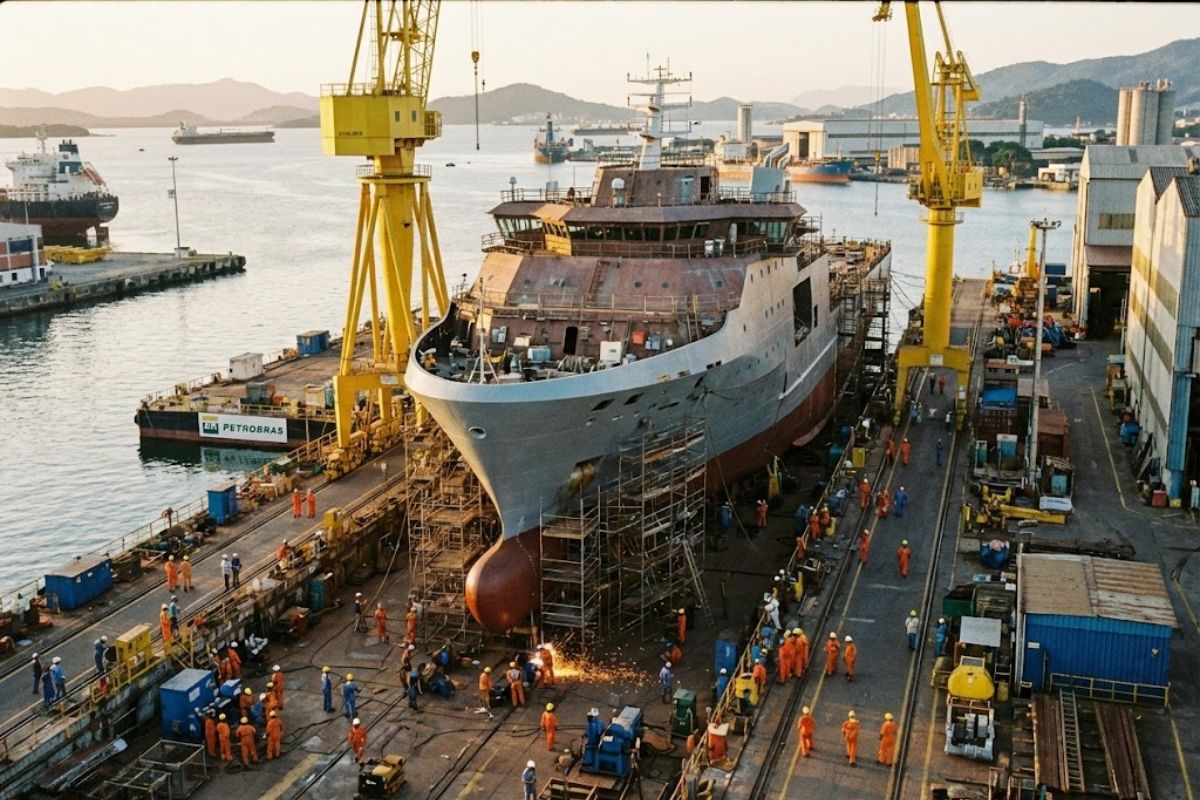


The Federal Government Confirmed in Navegantes, Santa Catarina, Investment Over R$ 2 Billion for Six Hybrid PSV Vessels Chartered by Petrobras with Funding from the Merchant Marine Fund via BNDES. R$ 134 Million Have Already Been Contracted, and There Is an Expectation of 1,200 Direct Jobs in the Initial Construction of the Most Critical Phase
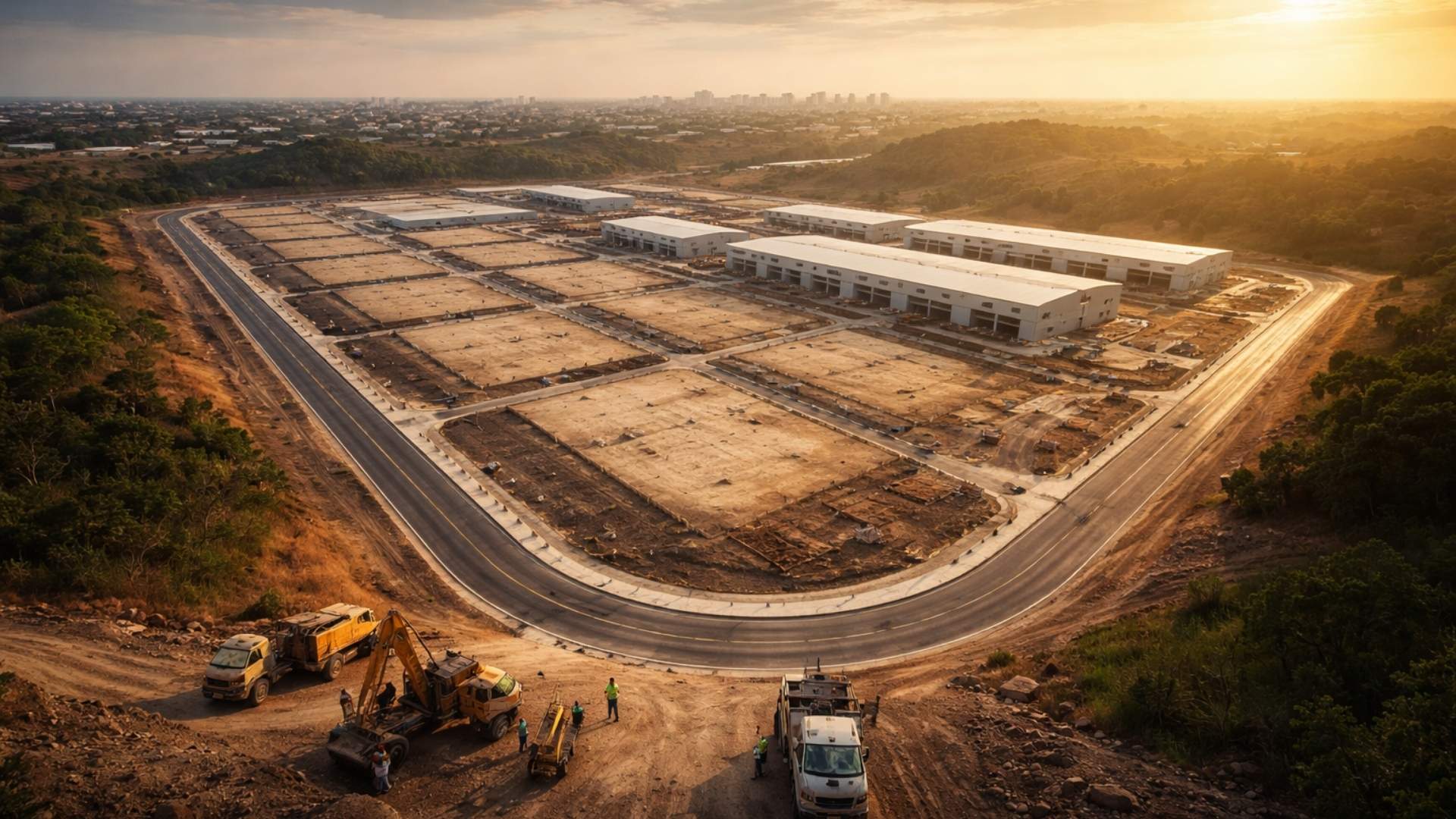
The federal government brought to Santa Catarina an announcement with numbers that reorganize the shipbuilding industry map in the short term: over R$ 2 billion to build six hybrid offshore support vessels that will be chartered by Petrobras, with about 1,200 direct jobs expected during the construction phase. The announcement was made in Navegantes on Wednesday (21) by the Minister of Ports and Airports, Silvio Costa Filho.
In practice, the movement targets two fronts at the same time: industrial capacity and immediate regional employment. By linking the package to the Merchant Marine Fund and BNDES, the federal government frames the project as structured financing, and not just as a one-off order, in an attempt to provide predictability to the shipyard, suppliers, and labor who come first.
What Was Announced in Navegantes and Why Santa Catarina Becomes a Naval Hub
The announcement detailed that the federal government intends to enable, in Santa Catarina, the construction of six PSV vessels, the abbreviation for Platform Supply Vessel, aimed at supplying platforms for offshore oil and gas production.
-
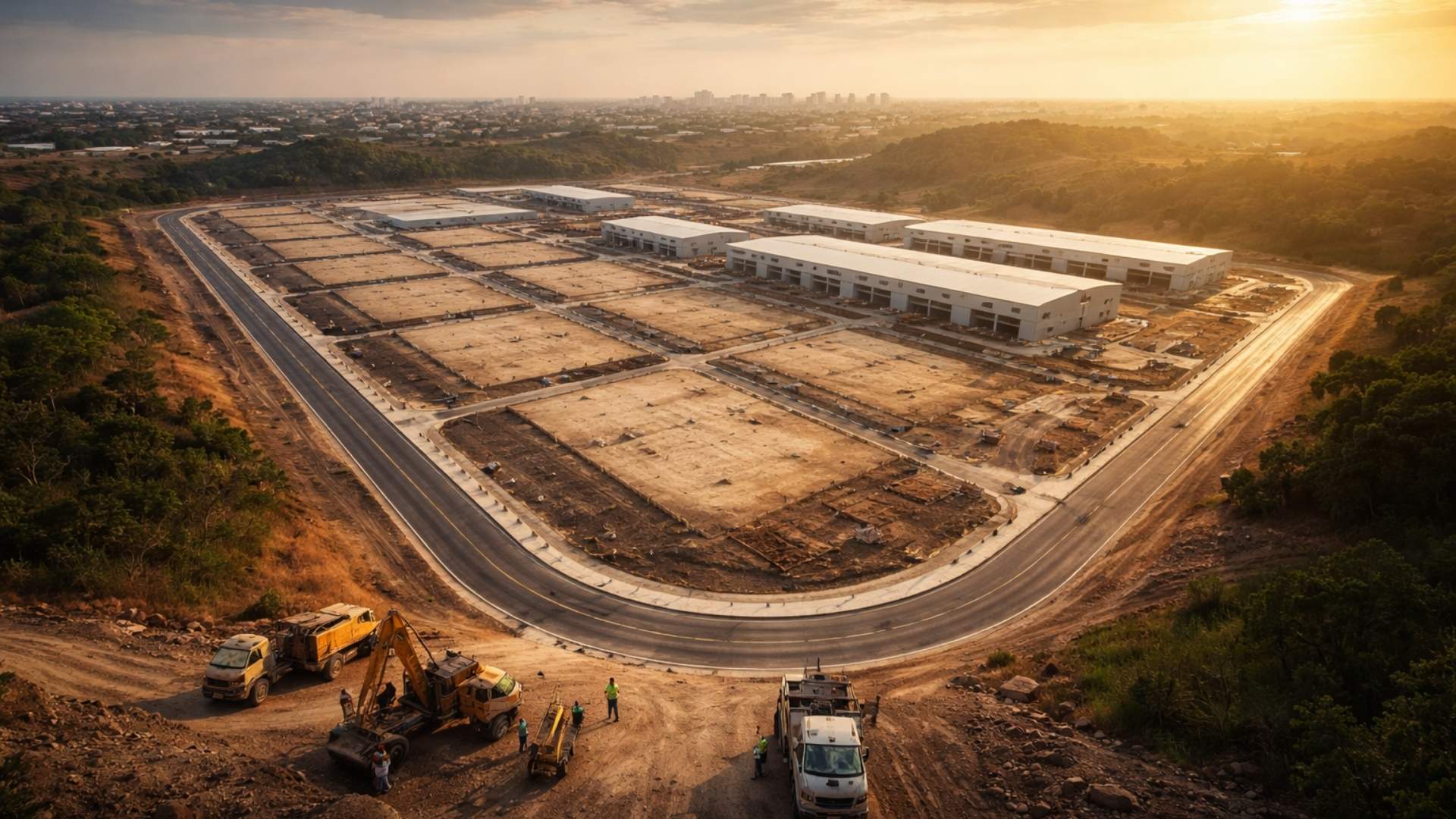
Brazilian city gains industrial hub for 85 companies that is equivalent to 55 football fields.
-
Peugeot and Citroën factory in Argentina cuts production by half and opens a layoff program for more than 2,000 employees after Brazil drastically reduced purchases of Argentine vehicles.

-
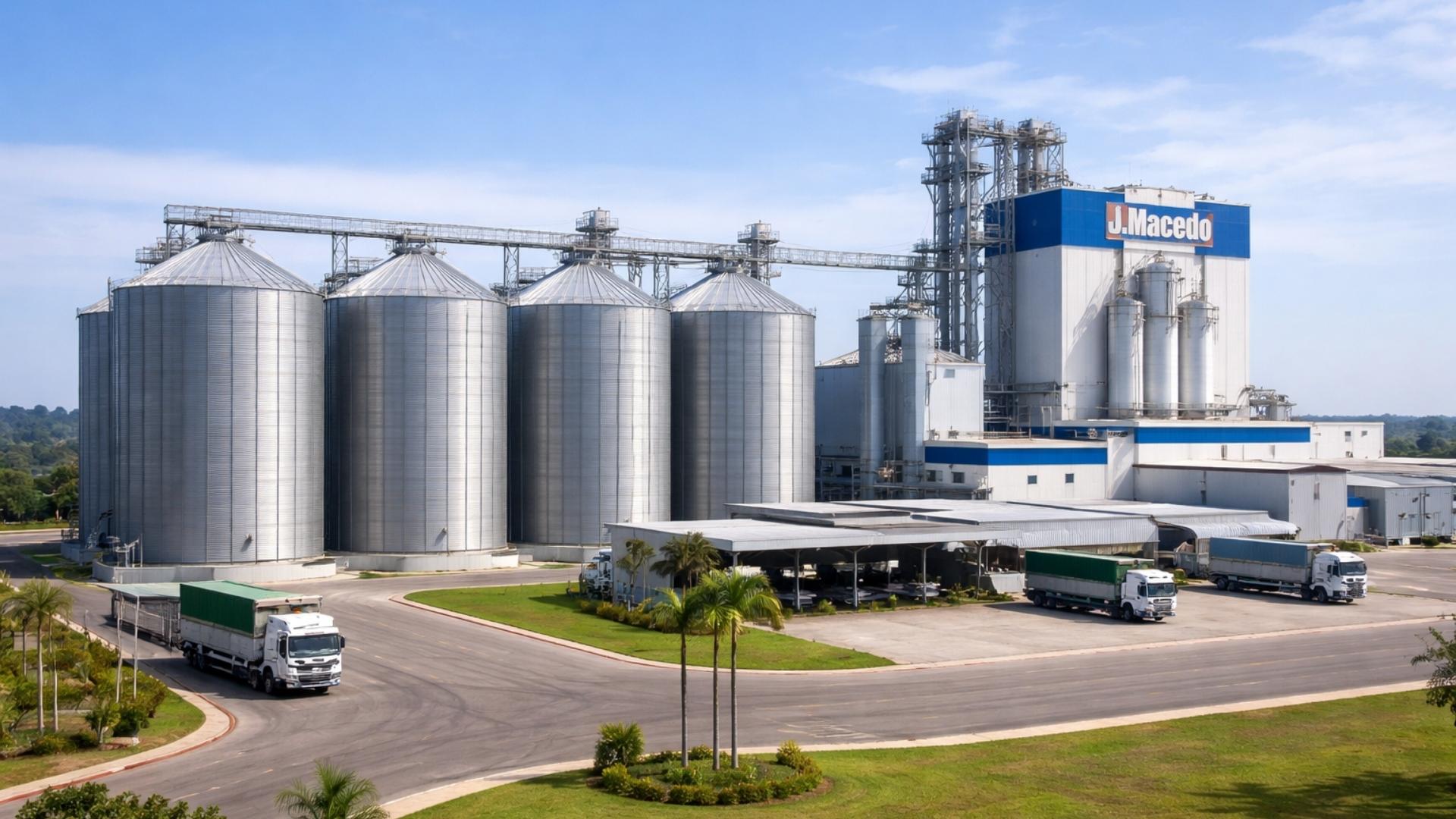
A Brazilian city gains a factory worth R$ 300 million with the capacity to process 200 thousand tons of wheat per year, a mill of 660 tons/day, silos for 42 thousand tons, and an industrial area of 276 thousand m².
-
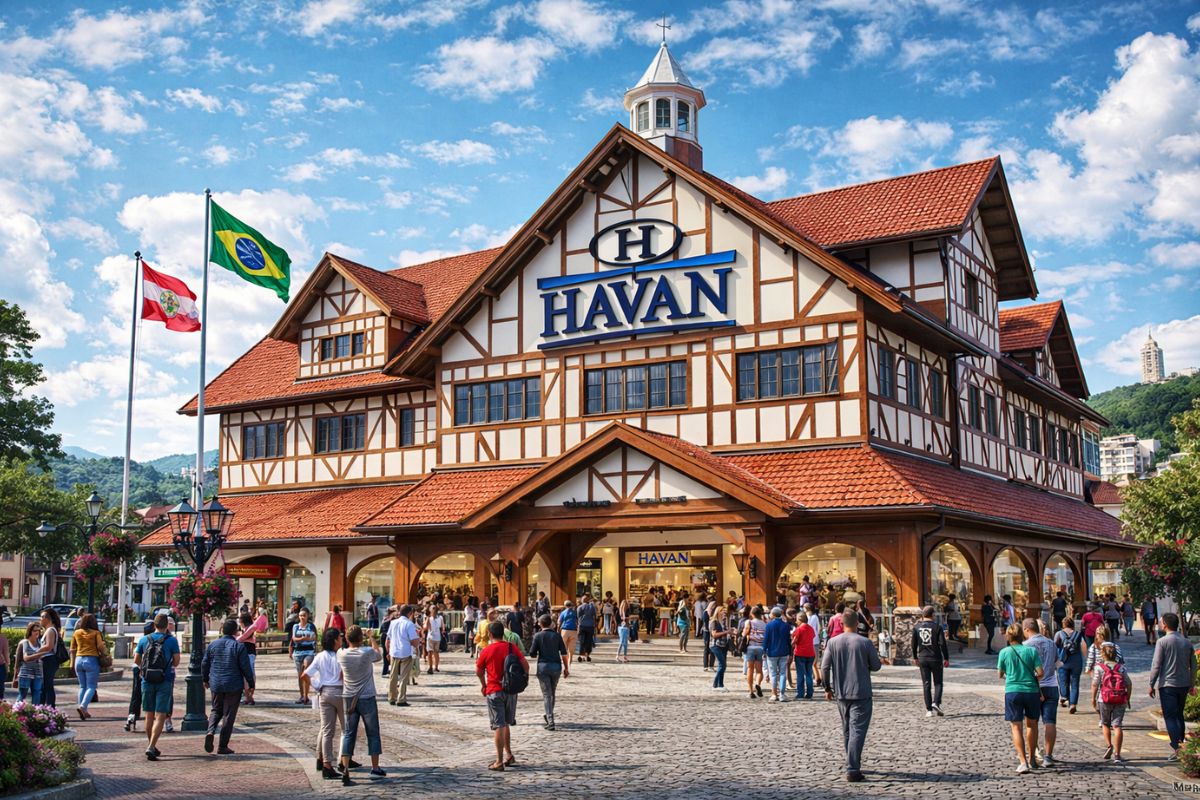
Havan will leave the shopping mall in Blumenau to inaugurate something that the chain has never done before: a megastore in half-timbered style in the Historic Center of the city, which is expected to be completed in May and change the landscape of local retail.

These vessels will be chartered by Petrobras, which gives the project a clear operational anchor, connecting the shipyard to the logistics routine of offshore operations.
The location and timing also matter.
By citing Navegantes as a public presentation point, the federal government signals the state as a showcase for an initial stage that requires factory floor, assembly teams, and supply chain coordination, exactly where the pressure for hiring typically appears first, even before the fleet is ready.
How Much Money Comes In, Where It Comes From, and How the Financing Was Designed
The central value presented was more than R$ 2 billion for the construction of the vessels.
Within this total, experts indicate that R$ 134 million have already been contracted, while the Merchant Marine Fund confirmed the allocation of R$ 2.3 billion in resources for the project, pointing to the financial scale that the federal government wants to impose on the initiative.
The design goes through the Merchant Marine Fund, with financing contracted through BNDES, according to the statement from the Ministry of Ports and Airports.
This arrangement is relevant because the federal government places the project on a credit and disbursement track that tends to organize stages, production targets, and contractual requirements, directly affecting the pace of hiring at the shipyard and among suppliers.
What Changes with Hybrid Vessels and Flexible Fuel Systems
The most sensitive technical point of the announcement is the promise of hybrid technology, with flexible fuel systems and energy storage solutions.
In the federal government’s view, the goal is to reduce carbon emissions and enhance the operational efficiency of the vessels, aligning the project with a narrative of modernizing offshore support.
In the operation of a PSV, the intended gain appears on two levels: energy efficiency and compliance with increasingly stringent environmental demands.
By describing energy storage and fuel flexibility as part of the package, the federal government suggests a vessel designed to vary consumption profiles and respond better to the routine of supply and logistical support in open water, without relying on a single solution.
Immediate Regional Employment and Effects on the Production Chain During the Initial Phase
The reported projection was for about 1,200 direct jobs during the construction phase, with an impact on the local economy and the state’s production chain.
In practical terms, this type of job tends to concentrate in industrial roles and services associated with the shipyard, especially at the beginning, when the yard needs to scale shifts and production routines.
This is the point where the federal government tries to transform an industrial project into a measurable social outcome.
By tying the narrative to regional employment, the announcement creates a clear metric for public accountability: hiring happening or not happening, and at what speed, while the vessels are still on paper and in the first production cuts.
The Federal Government’s Discourse and the Political Weight of Measuring Development by Jobs
Silvio Costa Filho associated the project with a “historical cycle of investments” and stated that, in the shipbuilding industry, jobs have more than doubled in less than three years, arguing that job and income generation would be the largest social program.
It is a political reading that prioritizes the created job as evidence of public policy, especially in labor-intensive sectors like shipping.
At the same time, the very format of the announcement leaves an implicit tension: success depends on execution, schedule, and the real capacity to absorb workers in the region.
That’s why the federal government’s choice of hybrid vessels and a structure via FMM and BNDES is not only technical, it is also an industrial coordination test with deliveries that need to appear early.
In your municipality, would an announcement from the federal government with 1,200 jobs truly change something in the local job market, or do you think this type of investment remains concentrated and doesn’t reach the grassroots? Which sector there would feel the impact first: industry, services, or professional training?









Lula levando riqueza a um estado que o detesta. Se fosse eu, deixaria a míngua. Povo bitolado e mal agradecido, preconceituoso e cruel
É melhor ter vistas boas prá ler essas postagens de **** sobre lula do que ser cego, misericórdia é cada um que aparece..
O governador Jorginho Melo não deve estar gostando disso. Governo federal criando empregos em SC é tudo que ele não quer
Claro, vai ter que baixar a cabeça.