





 Português
  Inglês
  Espanhol
  3 min de leitura
  0 comentários


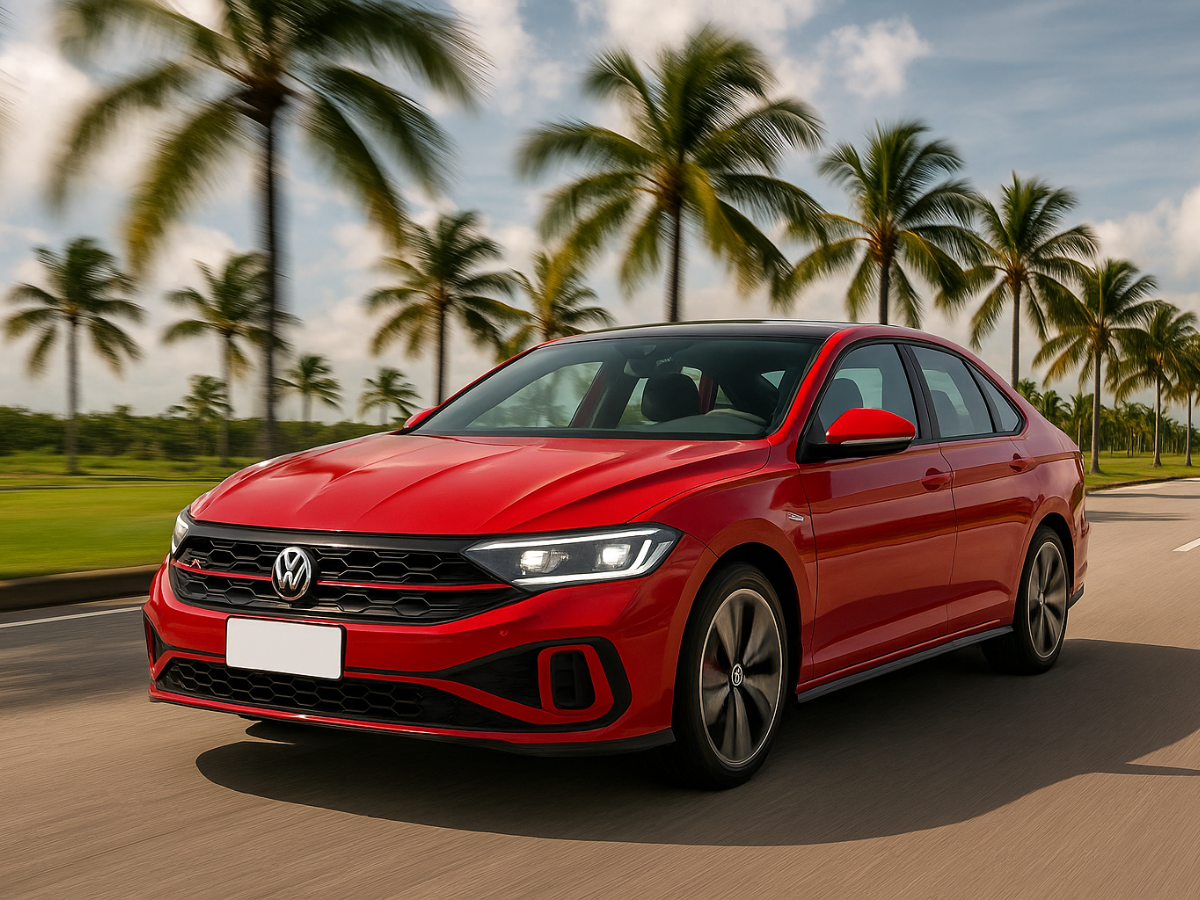
Caution! Some Brazilian Cars With Chronic Problems (and Other Popular Cars in Brazil) Hide High-Cost and Difficult-to-Repair Defects. Discover 10 Models to Watch Out For Before Buying
Buying a used car in Brazil can turn into a financial nightmare if the chosen model has chronic problems. Many popular vehicles in the national market, including some Brazilian cars with chronic local manufacturing issues, hide persistent flaws that are difficult and costly to resolve.
Understand the warning about 10 of these models. We present the defects that challenge mechanics and wallets, so you can make an informed choice and avoid future headaches.
Why Do Some Cars in Brazil With Chronic Problems Become “Ticking Time Bombs”?
Chronic problems in vehicles are persistent defects that are difficult to fix. In Brazil, this situation is exacerbated by the growing technological complexity versus the not always universal technical training of the repair network. The lack of affordable replacement parts for some models and design flaws or inappropriate “tropicalization” also contribute. Unfortunately, the culture of “passing the problem along” and the neglect of maintenance by some owners perpetuate the cycle, turning cars into true “ticking time bombs.”
-
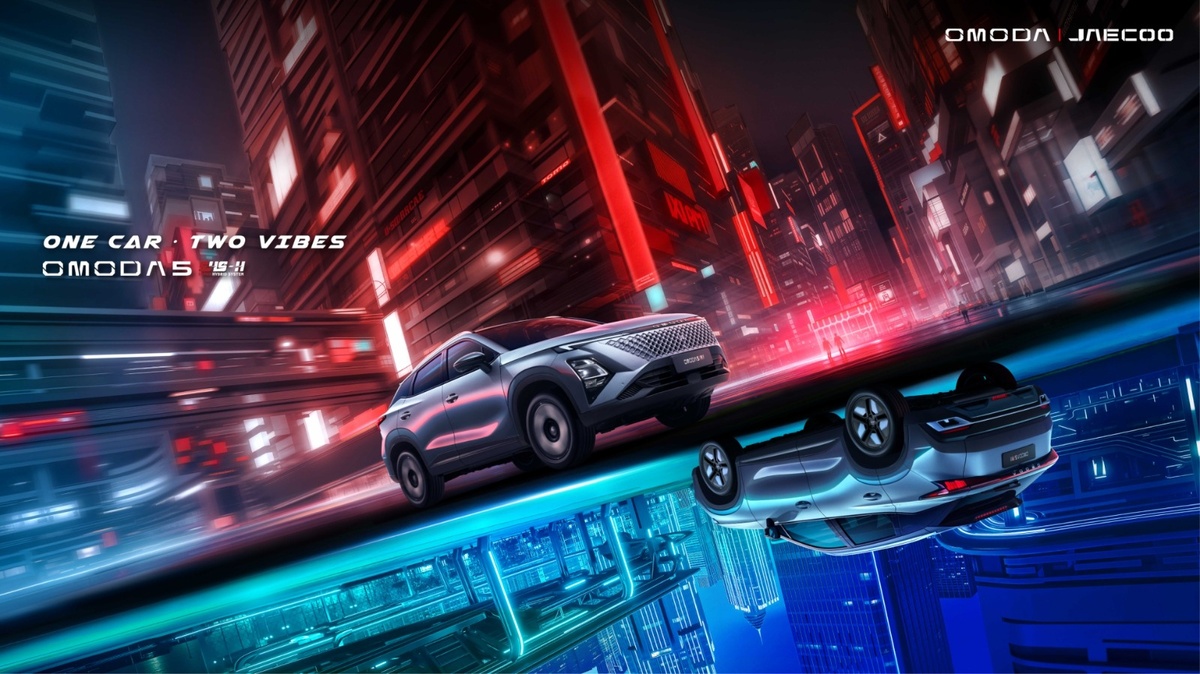
OMODA & JAECOO grows in Europe in 2026 with an integrated strategy of sales, innovation, local production, and technological advancement in the United Kingdom, Italy, and Spain.
-
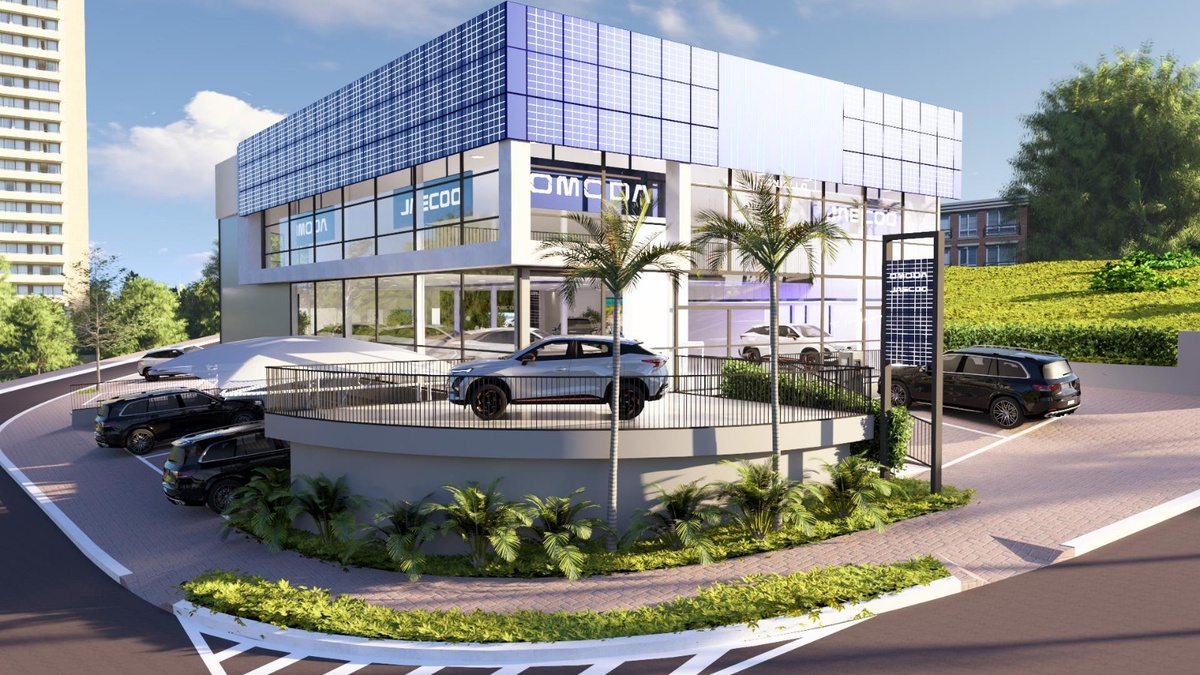
OMODA & JAECOO expands after-sales service in Brazil with competitive maintenance, a 7-year warranty, and high availability of parts for technological SUVs.
-
OMODA & JAECOO appoints Alessandra Souza as executive marketing director in Brazil and accelerates brand expansion with a focus on innovation, networking, and hybrid portfolio.

-
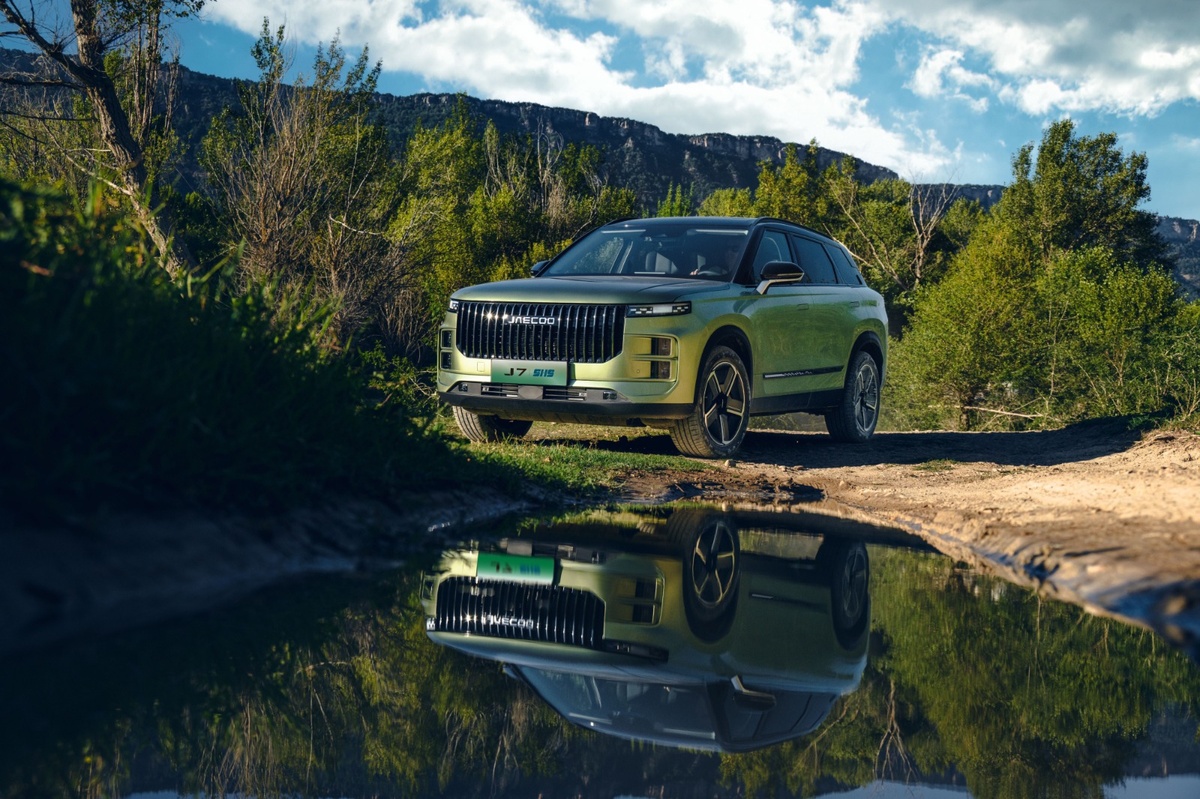
Jaecoo 7 with super hybrid SHS system exceeds 1,200 km of combined range with a 1.5 turbo engine, high-density battery, and intelligent energy management.

Ford Powershift and Volkswagen 09G in Popular Cars in Brazil
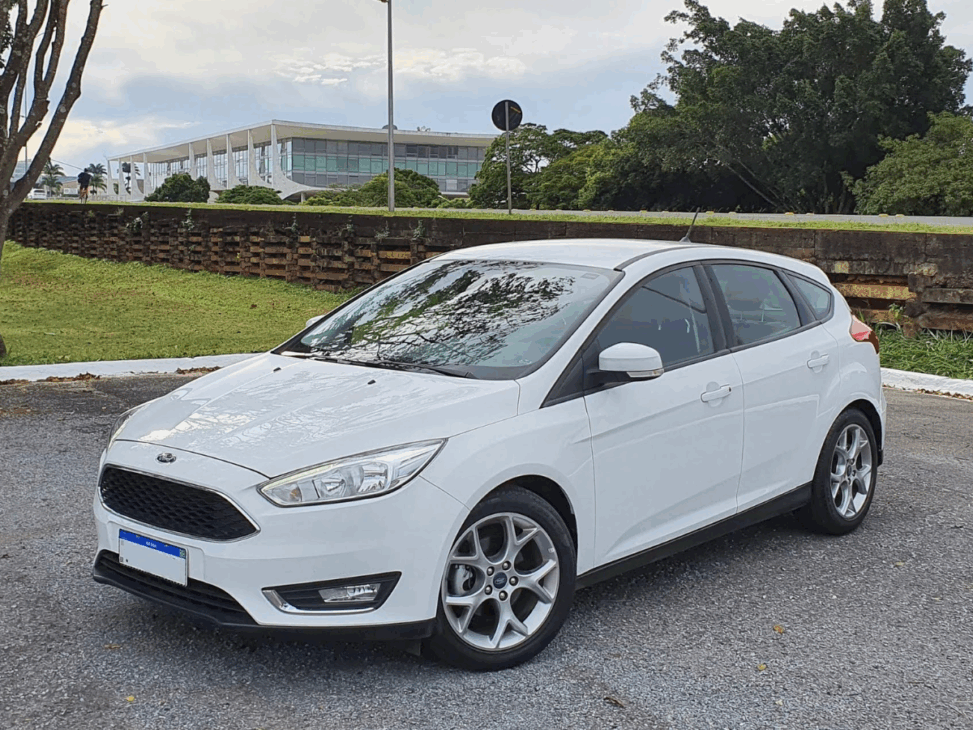
Ford Focus, New Fiesta, EcoSport (with Powershift Transmission): The automated transmission Powershift (DPS6) is notorious for shaking, overheating, TCM module failures, and premature clutch wear. The inadequate design for Brazilian use, the difficult diagnosis, and the high cost of parts make repairs a challenge, often without a definitive solution.
VW Jetta, Golf, Passat, New Beetle, Mini Cooper (with 09G/TF60SN Automatic Transmission): This transmission experiences strong jolts, especially when hot, due to premature valve body wear. Effective repairs require specialized machining and imported parts, making common solutions expensive and sometimes unsustainable.
Peugeot 207, Renault Fluence, and Citroën C4 Pallas
Peugeot 207 (and legacy of the 206) / Citroën C4 Pallas: They share problems with rear suspension with torsion bar (bearing wear and camber changes) and the problematic AL4 automatic transmission (jerking, overheating, solenoid failures). Repairing the suspension may require axle replacement, and the AL4 transmission demands specialists. The C4 Pallas also suffers from complex and intermittent electrical problems.
Renault Fluence: Known for failures in the electric steering column, with noises and prohibitively expensive repair costs, and for structural noises in the central column due to welding failures.
Chevrolet Captiva V6, Volkswagen Amarok, and the Challenges of Luxury Imports
Chevrolet Captiva V6: The automatic transmission 6T70 is the main culprit, with a failure of the internal spring disc, fluid contamination, and burning of the TCM module. The repair is complex and very expensive.
Volkswagen Amarok: It has recurring defects in the EGR valve, premature timing belt breakage (due to dirt accumulation), and failure of the high-pressure fuel pump, with high parts costs for the diesel injection system.
Land Rover Discovery (and others from the brand): Famous for issues with air suspension (leaks, compressor failures) and generally astronomical maintenance and repair costs, requiring highly specialized labor and tools.
Renault Kwid and Chery Celer as Examples of Warning
Renault Kwid (especially first years): Accumulates complaints of deficient brakes, steering column mount breakage, manual transmission failures, cooling system problems, and general fragility of components and finish.
Chery Celer (and other first-generation Chinese models): The biggest chronic problem is the critical lack of replacement parts, making any repair, even simple ones, a logistical nightmare and costly due to deficient after-sales service.
To protect yourself when considering Brazilian cars or other used models in the national market, thorough research on chronic problems is essential. Conduct a detailed pre-purchase inspection with a trusted and specialized mechanic if possible. Check the maintenance history and recalls. Information is power to avoid letting the dream of a car turn into a nightmare.









-

-

2 pessoas reagiram a isso.