





 Portuguese
  English
  Spanish
  3 min of reading
  0 comments


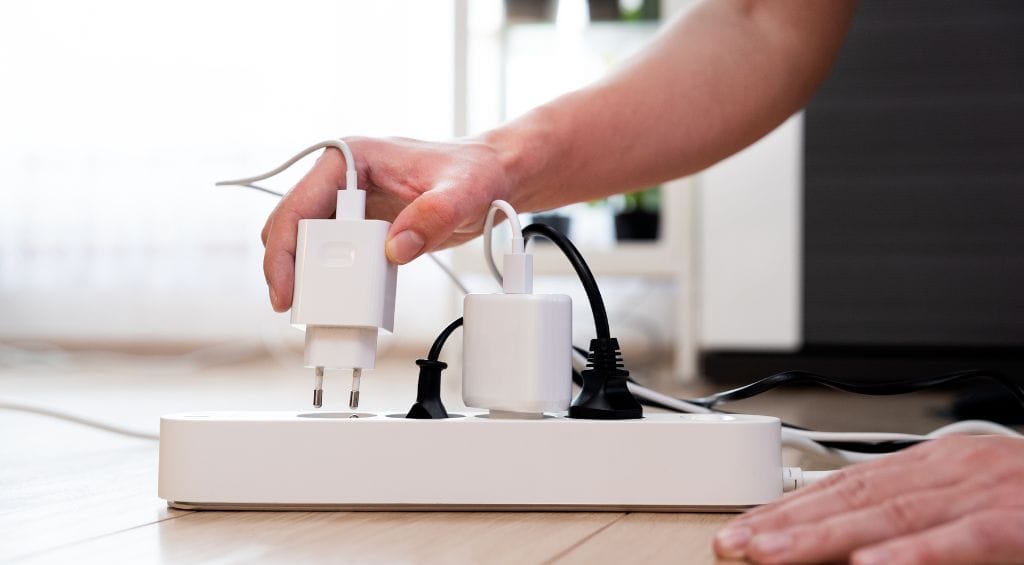
Discover Effective Ways to Reduce Consumption and Increase Sustainability in Your Home.
Saving energy at home is essential not only to reduce costs but also to promote sustainability and efficiency. Simple changes in daily routines can lead to a significant reduction in energy consumption.
Turning off the lights when leaving a room and using appliances consciously are examples of practices that help save energy. Additionally, hiring specialized services, such as a plumbing servicehttps://ajaxsolucoes.com.br/desentupidora, can ensure an efficient plumbing system, contributing to savings.
These measures not only benefit financially but also favor a more sustainable future.
-
The government requests the Federal Revenue Service for a new system to automate the income tax declaration, reducing errors, time, and bureaucracy for millions of Brazilians.

-
Pix in installments, international Pix, and contactless payment without internet: the Central Bank revealed the new features coming to the tool that is already used by almost every adult in Brazil.

-
Mercado Livre has just started selling medications with delivery in up to three hours to your door, and this move could completely change the way Brazilians buy medicines on a daily basis.

-
In Dubai, rising tensions from the war in the Middle East are causing super-rich individuals to leave the Gulf and direct their fortunes to a new financial refuge in Asia.


Understanding Energy Consumption at Home
Understanding how energy consumption occurs is the first step to saving energy efficiently. Analyzing the electricity bill in detail reveals where and when consumption is highest. Many devices consume energy even when turned off, a phenomenon known as vampire energy.
Installing smart energy meters is an effective strategy because they help identify consumption patterns and indicate areas for savings. Replacing old appliances with more energy-efficient models may be costly initially, but it brings substantial savings in the long run.
Saving energy benefits both your wallet and the environment, contributing to a more sustainable future.
Tips on How to Save Energy in Lighting
Lighting is a major contributor to energy consumption, but there are many ways to save. Replace traditional bulbs with LEDs, which consume less and last longer. Make the most of natural light during the day by opening curtains and blinds.
At night, make it a habit to turn off lights in empty rooms. Small steps like these can lead to considerable savings in the long run. Installing motion sensors in areas where lights are often left on, such as hallways, is an effective measure to prevent energy waste.
How to Save Energy with Appliances
Choosing the right appliances is crucial for saving energy. Look for appliances bearing the Procel Energy Efficiency seal, designed to be more efficient. When replacing an old appliance, consider not only the price but also the energy consumption of the new model.
Use appliances efficiently. For example, wait until you have a full load to use the washing machine or dishwasher, reducing the number of cycles and saving energy. Keep appliances in good condition by performing regular maintenance and cleaning.
Unplug appliances when not in use, as many continue to consume energy in standby mode.
Reducing Energy Consumption in Heating and Air Conditioning
Reducing energy consumption in heating and air conditioning can significantly impact your electricity bill. In winter, opt for warmer clothing and blankets instead of turning up the heat. In summer, use curtains and blinds to block sunlight and keep the house cool, reducing the need for air conditioning.
Ceiling fans are more efficient options for cooling spaces. Regular maintenance of heating and air conditioning systems is essential, as dirty filters and poorly maintained systems consume more energy.
Installing a programmable thermostat allows you to adjust the home’s temperature for different times of the day, saving energy without sacrificing comfort.
Ways to Save Energy in the Kitchen
There are several ways to save energy in the kitchen. Use the oven intelligently by avoiding opening the door while it is in use. Cooking several meals at once is also a good practice. Use a pressure cooker, which cooks food faster, saving energy.
For the refrigerator, avoid opening the door unnecessarily and do not place hot foods directly in it. If you have a dishwasher, use it only when it’s full, saving water and energy compared to washing by hand.
Conclusion
Saving energy at home is an ongoing process that requires awareness and action. The strategies discussed, from understanding energy consumption to implementing savings methods in lighting, appliance use, heating, air conditioning, and the kitchen, are effective steps in this direction.
Every small change can have a significant impact over time, not only in reducing the electricity bill but also in contributing to a more sustainable future. As technology advances, new savings opportunities arise. Continuing to learn and adapt is essential to integrate energy savings into daily domestic life.
Source:
| Gabriel Raposo |









Seja o primeiro a reagir!