





 English
  Francês
  Alemão
  Italiano
  Japonês
  Norueguês
  Portuguese
  Spanish
  3 min of reading


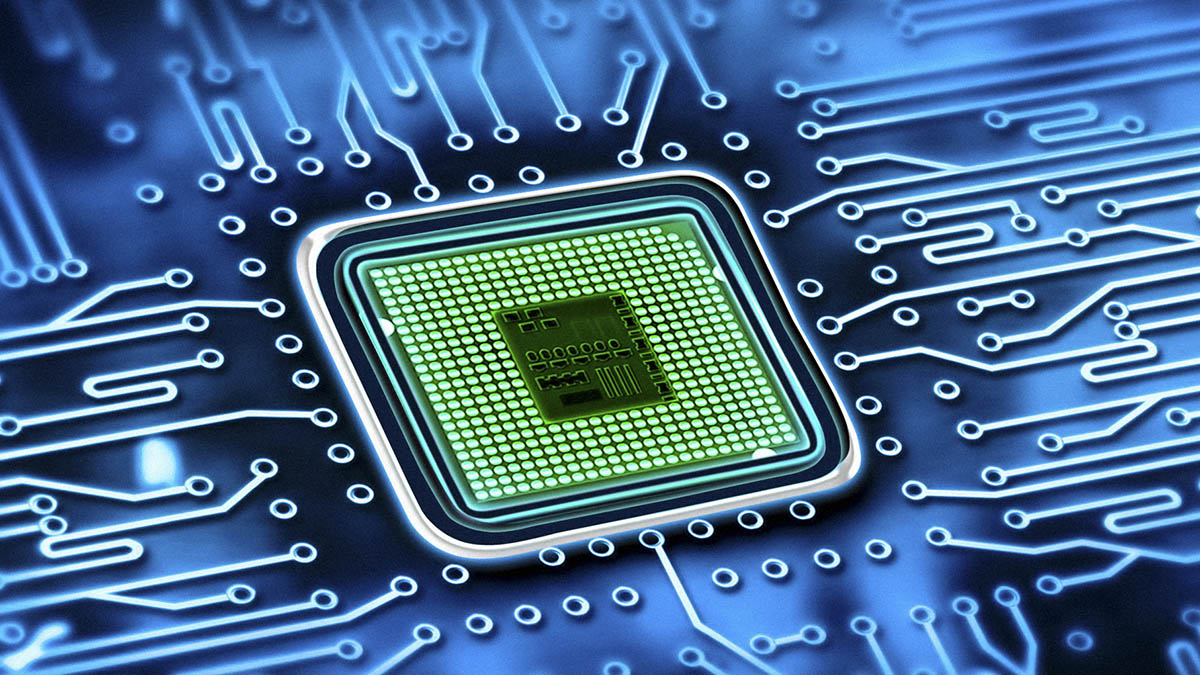
The Lack Of Chips To Meet The Demand Of The Electronics Industry Is Affecting Production In Brazil
The global chip shortage has been forcing electronics manufacturers in Brazil to implement partial shutdowns in their production for some time. Last month, 15% of manufacturers of devices such as cell phones, laptops, and televisions had to interrupt part of their production due to a lack of electronic components.
Read Also:
- Aker Solutions Selects For Job Openings For Interns And Engineering Analysts For Rio de Janeiro And Paraná
- “BR do Mar”: After All, What Is It? Learn About The Project That Promises To Encourage Special Cabotage Operations In Brazil
- Sollar Sul Network, A Company In The Solar Energy Sector, Will Open A New Headquarters In The City Of Taquari (RS)
According to a survey conducted by Abinee (the association representing the sector) and revealed last month, this number corresponds to the highest percentage of forced shutdowns since the association began monthly inquiries to its members about the impacts of the chip supply crisis and other components.
Additionally, considering that another 36% of companies reported production or delivery delays due to the shortage of chips and electronic components, it can be said that half of the industries were affected in December by the supply of the input that did not meet demand.
-
Chinese giant worth nearly R$ 4 billion that manufactures cables for electric cars, solar energy, and robotics wants to open a factory in SC.
-
Many employers do not know, but the law guarantees domestic workers a 25% increase in salary during trips, 50% for overtime, 20% for night shifts, and 17 additional benefits that can lead to labor lawsuits if not paid.

-
Gasoline prices soar and the question arises: is ethanol more advantageous? The 70% rule reveals the limit with gasoline.

-
The government has made a decision and is starting a test with more ethanol in gasoline, anticipating a mixture of up to 35%, diesel with 25% biodiesel, and a study to assess the impacts on engines.

Seven out of ten electronics manufacturers that use semiconductors in production, or 73% of them, are having difficulty finding chips in the market. Half of this number expects that, by the end of 2022, the supply of inputs will be regularized.
In the case of automakers, the lack of semiconductor chips has proven to be the biggest bottleneck in the production lines of electronic devices. However, unlike in 2021, when automakers had to completely halt their production on several occasions, so far this has not been necessary for any company in the segment.
Consequences Of The Lack Of Chips
According to Abinee’s survey, 26% of electronics manufacturers currently have components and raw materials in stock that are below normal levels. Furthermore, 76% of companies have reported higher-than-usual pressure on material costs, which affects the segment more broadly.
Abinee’s survey also highlights the difficulties faced by 35% of companies in obtaining clearance for imported goods due to standard operation by revenue auditors. Inspectors are delaying the customs clearance process at ports, as the performance bonus that was paid to these workers has resumed, resulting in exacerbated production delays in a sector highly dependent on imported components.
The association also stated that the disorganization caused by the Covid-19 pandemic in production chains will continue to require attention in 2022, considering that the shortage of semiconductor chips and other components has no expected resolution. Additionally, there are logistical challenges such as high freight costs and difficulties in reserving both containers and space on cargo ships.
Despite the challenges, most manufacturers still express optimism regarding sales growth this year. According to a survey conducted by Abinee in November, 69% of companies expected to do more business in 2022 than in 2021; currently, 67% of them maintain this forecast.








Seja o primeiro a reagir!