





 Portuguese
  English
  Spanish
 3 min of reading


The Health Network, Which Already Has Solar Plants in Ceará, Plans to Increase the Use of Solar Energy in Its Units
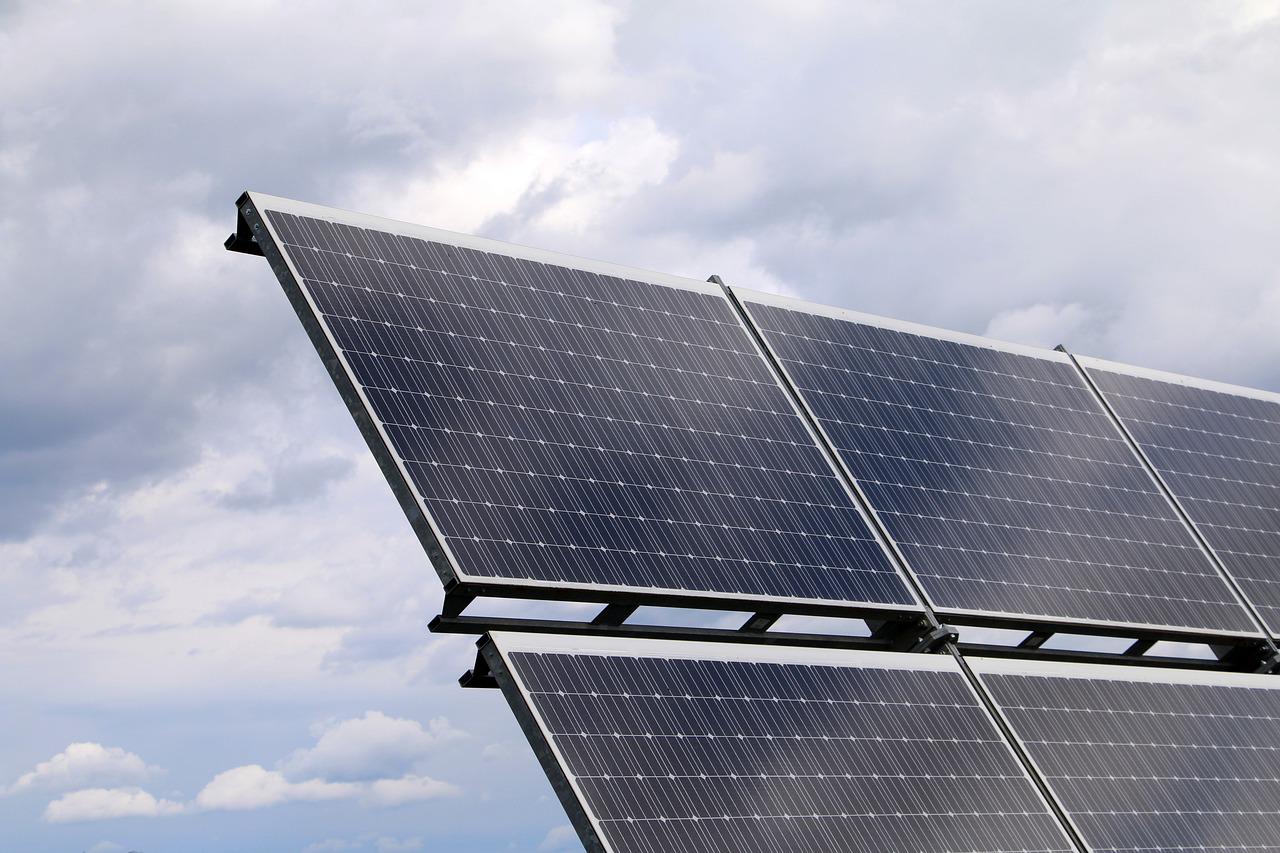
Dasa, one of the largest integrated healthcare networks in Brazil, will build 17 new solar plants, scheduled for delivery throughout 2022, in order to supply the company’s units in the country with solar energy.
Currently, the partnership with E1 Energias Renováveis already has one of the first solar plants operating, installed in Ceará. The other solar plants will be built in the states of São Paulo, Rio de Janeiro, and Bahia.
According to Dasa’s Vice President of Strategy, Legal and ESG, Sérgio Ricardo, in recent years the company has been increasingly seeking innovations that contribute to the environment, and the construction of these solar plants is part of Dasa’s sustainable goal.
-
Renewable energy advances over protected areas in Brazil, and a survey by the Energy Transition Observatory reveals silent impacts that challenge environmental conservation and pressure sensitive traditional territories.

-
Rio Grande do Sul accelerates energy transition: State invests in renewable technologies and consolidates decarbonization strategies and pathways to attract billions in new industrial investments.

-
With 160,000 m² of collectors, an area larger than 20 football fields, Silkeborg, in Denmark, hosts a solar thermal plant that heats 19,500 homes and could become the largest solar heating plant in the world.

-
A study reveals the expansion of renewable energy procurement in Brazil and shows how companies are taking advantage of opportunities to reduce expenses, ensure energy efficiency, and strengthen strategic environmental commitments.


The health network has been presenting a new management standard that aids in the sustainability of the sector in all aspects, including the construction of new solar plants. Dasa’s emblem is to be the healthcare that people aspire to and that the world needs, through an ecosystem that assists its consumers in a fluid, active, and competent manner for predictive, preventive, and personalized healthcare.
Brazil Ranked 4th in 2021 for Solar Energy Development
According to a survey conducted by Absolar (Brazilian Association of Photovoltaic Solar Energy), based on data reported by the Aneel (National Electric Energy Agency) and the recent publication by Irena (International Renewable Energy Agency), Brazil was the fourth country that most increased its solar energy capacity in 2021, globally, reaching 5.7 GW.
Moreover, Brazil also ranks 13th among countries with the highest installed solar plant capacity.
Solar energy stands at 15 GW in the country, with over R$ 78.5 billion in accumulated investments, in addition to generating over 450,000 since 2012, preventing the release of 20.8 million tons of CO2 in the generation of solar electricity produced by solar plants.
Companies Invest in Solar Energy Subscription to Lower Electricity Bills
With electricity bills rising during most of 2021, due to the severe drought that developed in Brazil that year, businessman Fredy Rodrigues, owner of two bakeries in Santos, on the coast of São Paulo, sought an alternative to reduce costs with electricity.
“We budgeted to install solar panels on the roof. But our property is not owned, and the investment would be too high,” comments Rodrigues, owner of the bakeries.
Faced with rising material costs to make bread and rental prices driven by inflation, as well as declining profits due to universities and commercial buildings closing during the pandemic, Fredy then learned about solar energy subscription.
With the signing of the solar energy service, he has saved an average of 12% per month on his electricity bill.
Amid the rising electricity costs, some companies found an opportunity to offer a new service to consumers in Brazil: solar energy subscription.
Such was the case of Sun Mobi, established in 2016 to operate in the sector, which currently serves 300 clients in 27 municipalities in the State of São Paulo.
Sun Mobi generates energy for the distributor, and this energy is sold in the form of credits that can be deducted from any electricity bill, provided it is within the same distribution company’s license area,” explains one of the company’s partners, Alexandre Bueno.
For example, a residence with an average monthly consumption of 200 kilowatt-hours (kWh/month), in the operational area of Cemig, the electric utility operating in Minas Gerais, buys credits from a solar energy subscription company that also operates in the Cemig region.
The contracted company inputs the generated solar energy into the grid, and the credits are applied to the consumer’s bill. In this model, the consumer does not pay the tariff flag, a benefit established by Aneel to stimulate the production of clean energy generated by solar plants.








Seja o primeiro a reagir!