





 Portuguese
  English
  Spanish
  4 min of reading
  24 comments


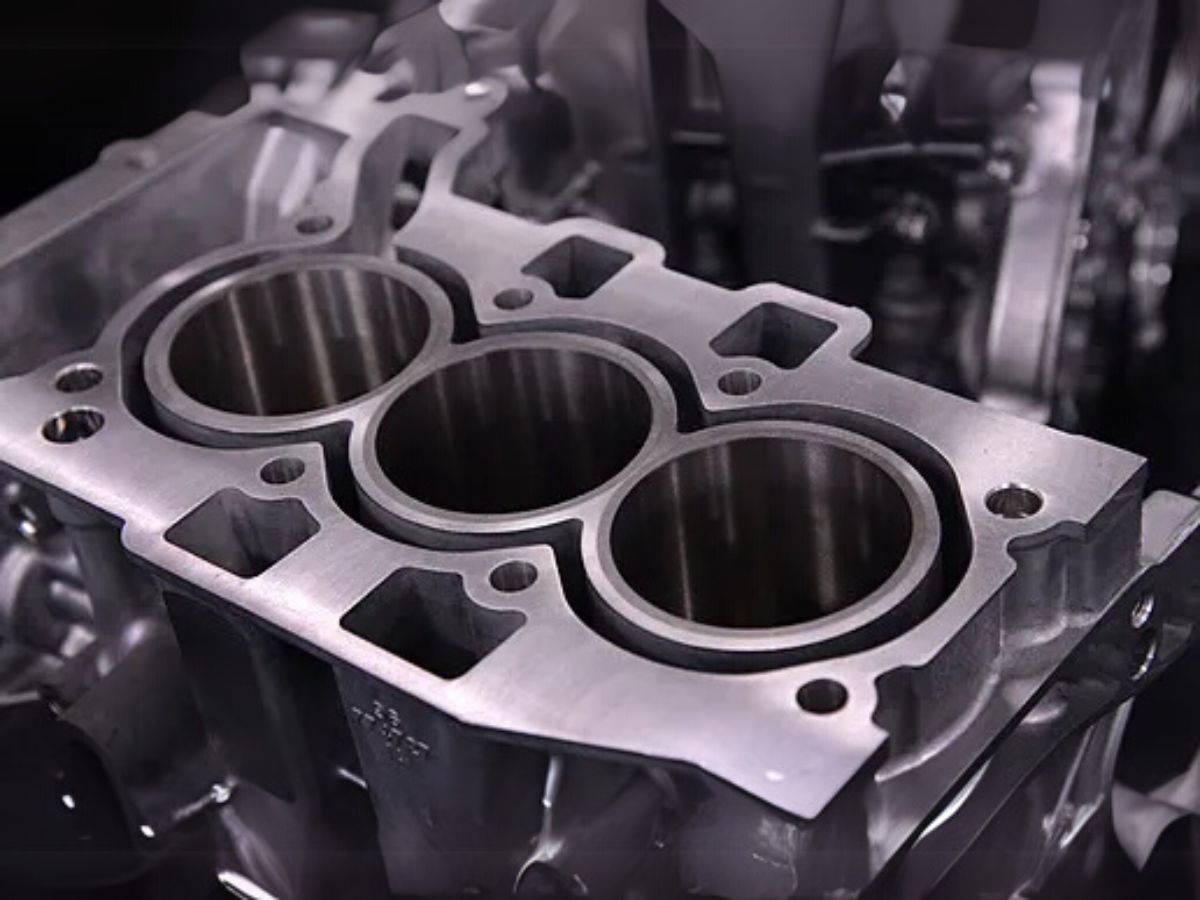

1.0 Turbo Three-Cylinder Engines Are Everywhere, But Are They Really Good? See What Experts Say About Fuel Consumption, Vibration, Maintenance, and Direct Injection
Although they have been common on Brazilian streets for more than a decade, turbocharged three-cylinder engines still generate distrust among some drivers. For many, it represents a modern and efficient solution. For others, it is a certain source of headaches. After all, are these engines really reliable, or do they still pose a mechanical risk?
In this article, we uncover the main myths and truths about 1.0 turbo three-cylinder engines, exploring their performance, durability, and cost-benefit. Follow the details and draw your own conclusions.
Are Turbo Three-Cylinder Engines Reliable?

Yes, and this is a consensus among experts. The reliability of these engines is comparable to that of any other internal combustion engine. The automotive industry applies the same engineering standards, durability testing, and quality control regardless of the number of cylinders. Today, turbo technology is widely spread, successfully applied in popular models and even in high-performance vehicles.
-
A French brand placed a car on four huge red balloons to prove that its suspension made the vehicle “float,” and the surreal scene became one of the most iconic and unusual images in automotive history.

-
Jeep Avenger begins production in Brazil, debuting as the brand’s new entry-level SUV and inaugurating an unprecedented phase by becoming the first national Jeep manufactured outside of Goiana, as part of a R$ 3 billion plan.
-
Costing R$ 12,490, the new Shineray Urban Lite 150 “cheap one” arrives in Brazil with a CVT transmission, digital dashboard, and LED lights, making it more affordable than the Biz and targeting those who want to abandon the bus.
-
Ducati brings to Brazil the Superleggera V4 Centenario: 228 hp that become 247 with a track kit, carbon fiber and carbon-ceramic brakes, estimated price between R$ 1.5 and 2 million, deliveries only in 2027.

The durability of these engines is closely related to proper maintenance. As highlighted by Pedro Scopino, an automotive mechanics expert and professor at Senai, a large part of the problems reported arises from the use of improper lubricants or negligence in maintenance checks. “The secret is to follow the maintenance schedule indicated in the manual and refuel with reliable fuel. That is what ensures the engine’s health,” he states.
Lower Durability Than Naturally Aspirated Engines?
Myth. There is no technical evidence that supports the idea that turbo three-cylinder engines have a shorter lifespan than naturally aspirated ones. The design of these engines considers strict durability criteria, from material selection to thermal and pressure testing, applying the same demands seen in larger engines.
What really impacts the engine’s longevity is the owner’s behavior: periodic maintenance, timely oil changes, and care with components like spark plugs and fuel injectors are determining factors. In general, well-maintained turbo engines can exceed 200,000 km without significant failures.
Fuel Consumption: More Efficient Than Larger Engines?
True, with caveats. The 1.0 turbo engine was created with the premise of delivering performance similar to that of larger engines, such as 1.5 or 1.6, but with lower fuel consumption. This is possible due to the turbocharger, which increases fuel combustion efficiency by compressing the air admitted into the engine.
However, driving style has a significant influence. Aggressive drivers who constantly demand high RPMs tend to lose the fuel economy benefits. Therefore, learning to interpret the tachometer and keeping the engine operating in ideal torque ranges makes all the difference.
According to data from the ANP (National Agency of Petroleum), some models with 1.0 turbo engines can exceed 13 km/l in the city and reach up to 15 km/l on the highway — values higher than many models with naturally aspirated 1.6 engines.
Oil-Bathed Belt is More Problematic?

Partially true. There are three main types of timing drive: metallic chain, dry timing belt, and oil-bathed belt. Each has its advantages and disadvantages.
The metallic chain, widely used in Japanese engines, is the most durable but also the noisiest and most expensive to replace. The dry timing belt has a lower cost but requires more frequent changes. The oil-bathed belt, found in some modern turbo engines, offers low noise levels and less vibration, but its durability depends directly on the quality of the oil used.
If the lubricant is out of specifications, premature degradation of the part may occur. Therefore, strictly following the preventive maintenance schedule is essential.
Do Three Cylinders Vibrate More?
Yes, and this is a physical characteristic of the design. The operation of engines with an odd number of cylinders creates a natural imbalance of forces, resulting in greater vibration than in engines with an even number of cylinders, such as four-piston engines.
To mitigate this effect, manufacturers apply hydraulic mounts, balancing systems, and structural improvements to isolate vibrations and noise. With these resources, the vibration perceived inside the cabin is virtually imperceptible in well-designed vehicles.
Direct Injection and Ethanol: Problematic Combination?
Partially true. Turbo engines with direct injection show faster wear in components like fuel injectors when using hydrated ethanol, which has a high water content. This can accelerate oxidation and corrosion processes, especially in vehicles with neglected maintenance.
However, newer generations of engines already feature more resistant materials and self-cleaning systems, reducing the risk. Using fuel from reliable sources and performing preventive checks minimizes potential issues.
Final Verdict: Is the 3-Cylinder Turbo Worth It?
The answer is yes, as long as the driver understands its particularities. The 1.0 turbo three-cylinder engine offers superior performance compared to traditional naturally aspirated engines, with greater energy efficiency and lower pollutant emissions. Additionally, it is reliable, provided it is properly maintained.
Therefore, before falling for rumors or misinformed opinions, it is important to analyze the usage history, the care applied, and the quality of the design. When well cared for, these engines are anything but a bad deal.










Esclarecedora, porém não aprecio as vibrações e gritaria desses motores, e pior ainda com essas caixas CVT. Uma empulhação para diminuir os custos de produção e aumentar significativamente o lucro das montadoras às nossas custas, vendendo essas **** por 100 mil ou mais.
Motores eficiente para o bolso
Custa três mil reais para trocar a correia
Motores quatro cilindro custa 700 reais para fazer a substituição
Sem contar o custo do óleo pode chegar 100% em relação a um motor quatro cilindro sem contar o resto
Os motores VW AP600,800 e 2000 duravam na média 350.000 km rodados.