





 Portuguese
  English
  Spanish
  5 min of reading
  0 comments


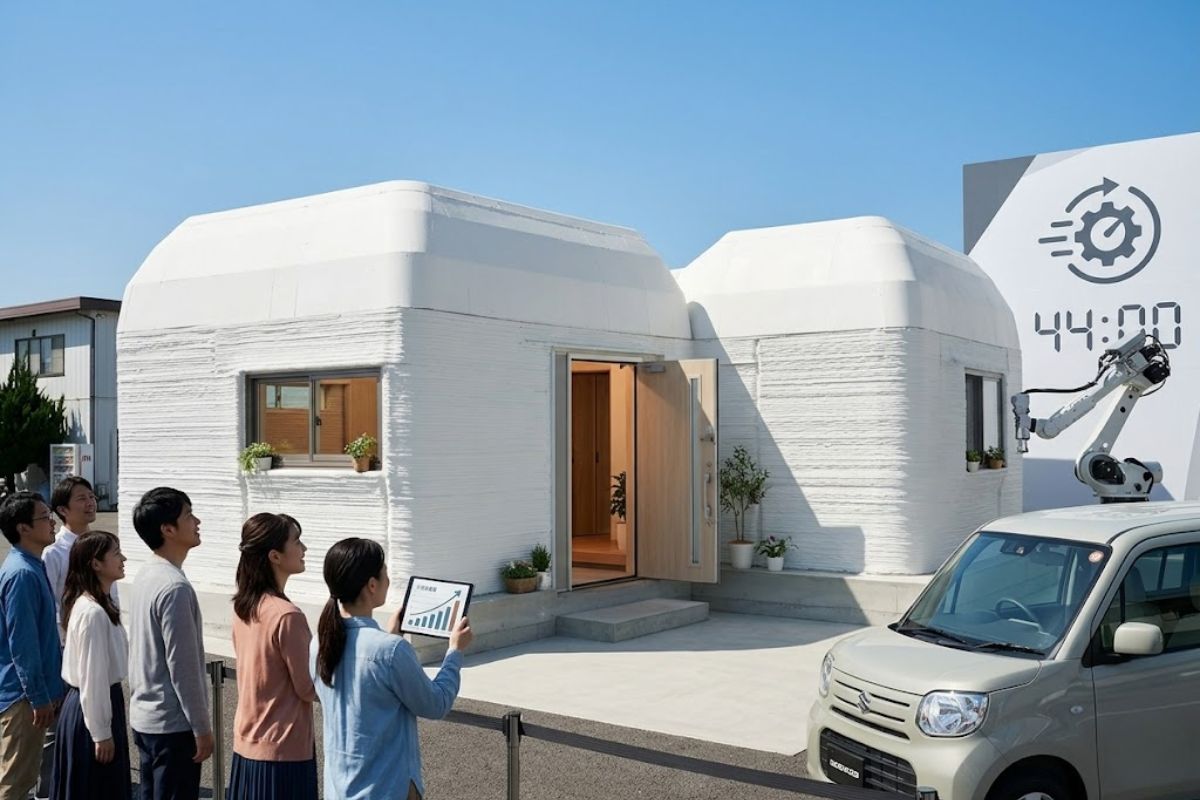
In the prefecture of Okayama located in Japan, 3D printed houses are being sold with external walls produced by a printer and interiors finished by outsourced teams. The package includes a 1LDK with a bathroom and lavatory, can be ready in 44h30, and costs 5.5 million yen, attracting purchases and thousands of inquiries at an accelerated pace.
The 3D printed houses have entered the housing conversation for a simple reason: they combine, in the same sentence, a deadline that seems impossible and a price described as affordable when compared to the traditional cost of a house. When this happens, the subject ceases to be curiosity and becomes a decision.
At the same time, this proposal appears in a scenario where housing is treated as a source of long-term insecurity, whether due to the burden of extensive financing or the fear of spending a lifetime paying for a place to live. And it is at this point that time and price become more than just numbers: they become promised freedom.
How these houses are made and what “ready” means

The model presented in Japan is based on a very objective division of labor: the 3D printer produces the external walls, while the internal finishing is done by outsourced professionals. In practice, this positions the 3D printed houses as a hybrid between automation and conventional construction, with separate tasks to accelerate specific stages.
-
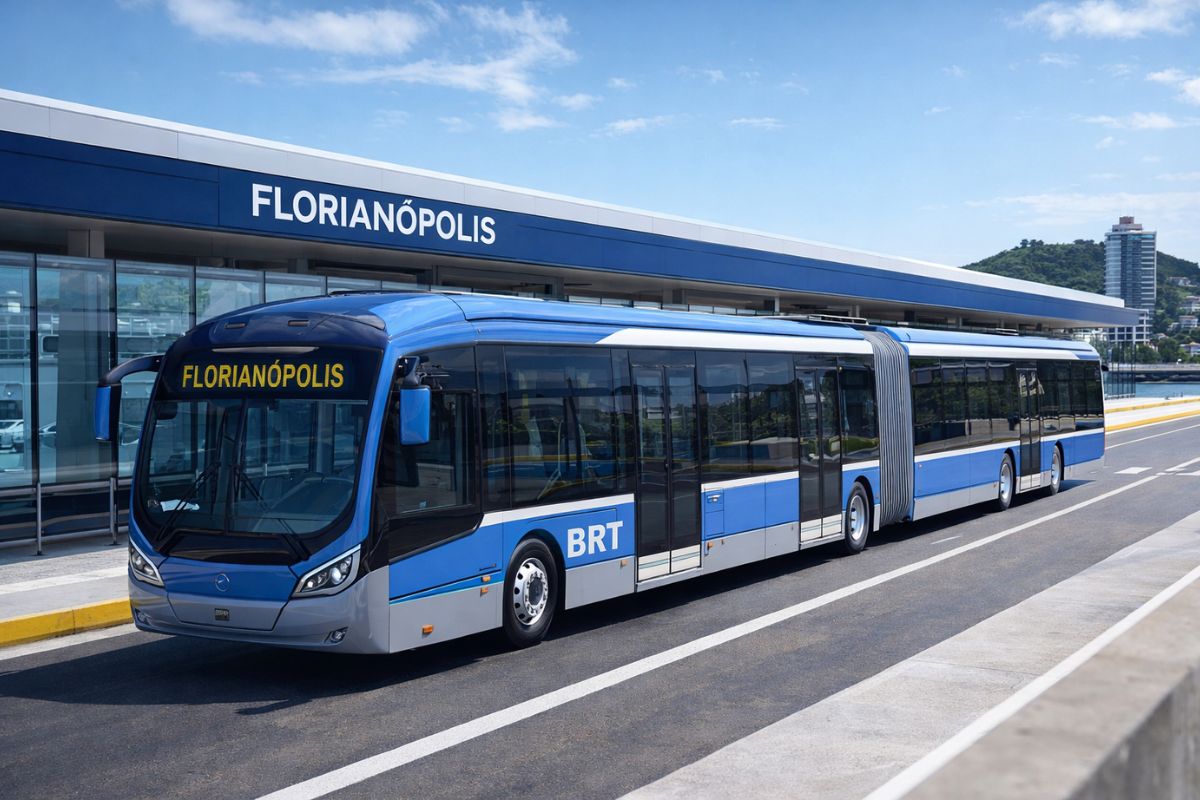
Florianópolis will receive a million-dollar BRT that will begin construction in 2026 with nearly 400 million in funding from the federal government and the Inter-American Development Bank, and the map already shows the routes for the exclusive bus corridors.
-
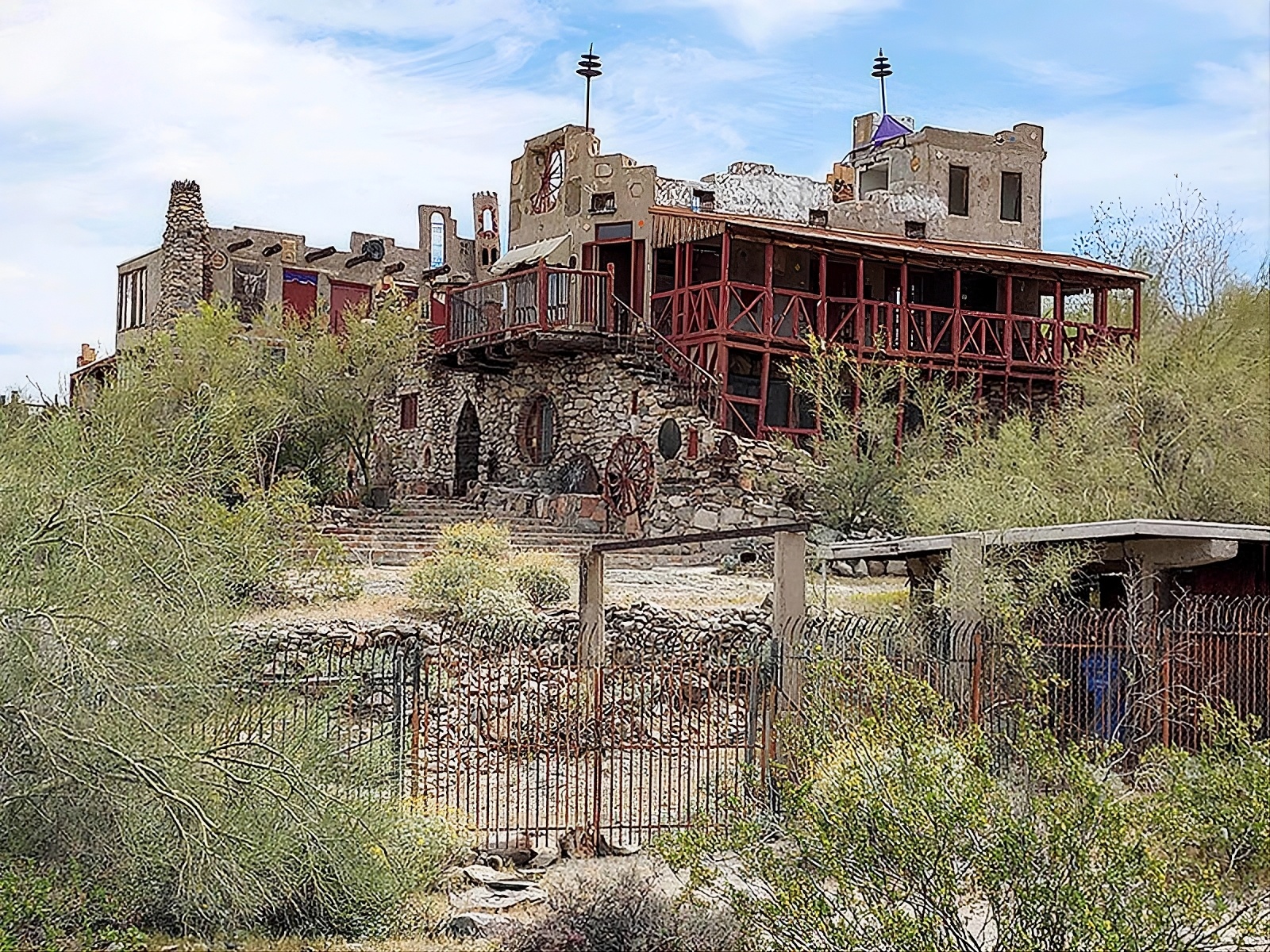
Without a blueprint, without an engineer, and using scrap from the dump, a father spends 15 years building an 18-room castle for his daughter, featuring tram tracks, 13 fireplaces, and over 700 m², which may now be demolished.
-
A megaproject worth R$ 89 billion is advancing in Iraq and promises to change the game in global trade by creating a new corridor between Asia and Europe, reducing traditional routes and repositioning the country as a logistics powerhouse.

-
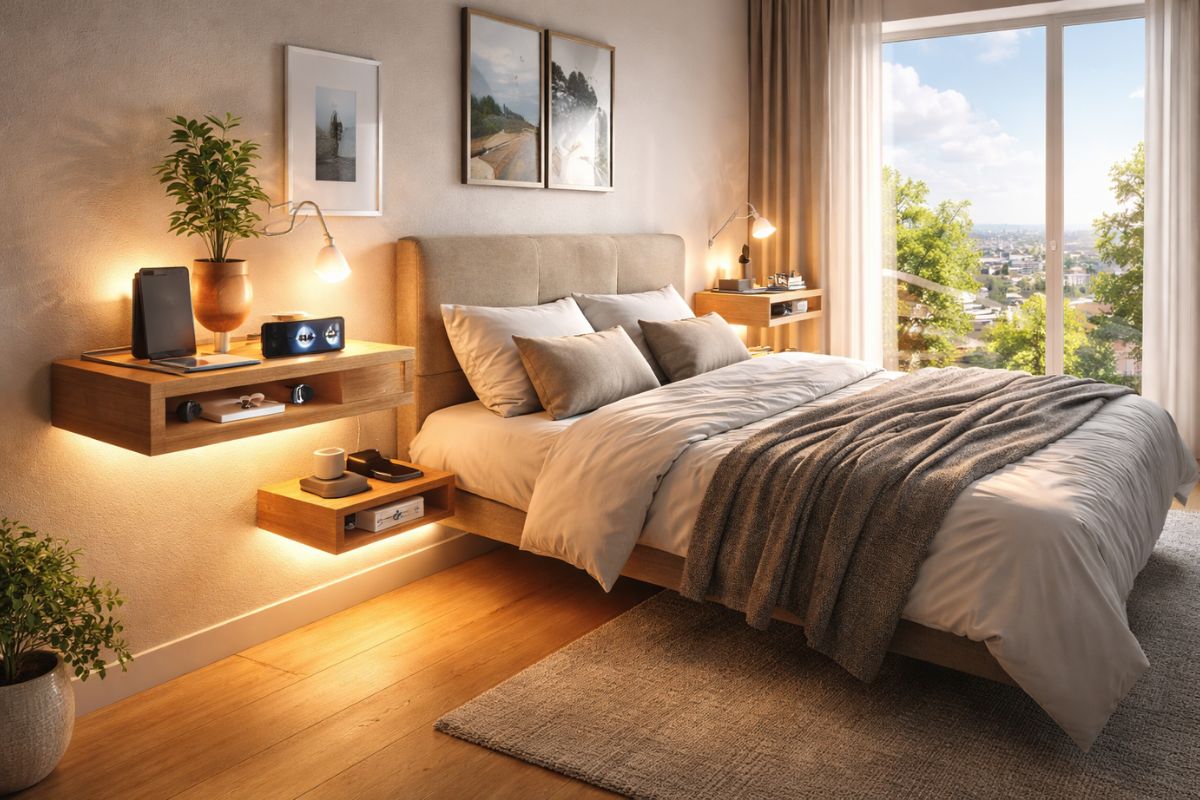
Goodbye bedside table: floating shelves become a trend in 2026 by freeing up space in the bedroom, improving circulation, bringing visual lightness, and integrating technology without taking up floor space.

The mentioned format is a 1LDK, with one bedroom, living room, and kitchen, as well as a bathroom and lavatory. The reported time for assembly and completion is 44 hours and 30 minutes. The key to understanding the promise is realizing that the speed depends on a “chain” process, not a single technological click.
The price of 5.5 million yen and the comparison with a popular car
The value of 5.5 million yen (about R$181,897.43) appears as the number that makes the public stop and recalculate plans. The comparison with “the price of a popular car” helps translate the proposal for those who have already normalized that buying a house means taking on decades of financial commitment, often with a direct impact on quality of life.
This logic also places the 3D printed houses at the center of a larger discussion: the total cost of living. When the price drops to a level seen as “possible,” the conversation shifts from being just about the real estate market to involving personal choices, aging, autonomy, and even family planning. The value, here, acts as a trigger for hope, but also for distrust.
Automation, labor, and waste: promises that change the calculation

The company associated with the project claims that the technology can reduce the number of workers needed by 97% compared to a normal installation method. If this reduction holds up in practice across different scenarios, it represents a strong change in the organization of the construction and the execution cost, with a direct impact on the model’s viability.
It was also highlighted that there would be no material waste and that construction could be done on-site, reducing construction time and transportation costs.
Additionally, there is an indication of a double-layer structure to ensure insulation, with insulating material on the inside. It is a package of promises that aims to tackle three pains at once: deadlines, logistics, and predictability.
Why so many people are seeking and why the elderly appear strongly
The reported numbers indicate nearly 1,050 people who have already purchased and almost 6,000 registered inquiries. More important than the quantity, however, is the reported pattern: interest is growing among people over 60, a group that tends to make housing decisions focused on stability, future costs, and security.
It is at this point that harsh reports come in: people who, even after paying off a long mortgage, face the prospect of spending 10 million yen on renovations; and individuals who believed they could rent for a lifetime but saw doors close when they reached 60, as landlords began to refuse contracts.
When old age becomes an obstacle to renting, “buying quickly and cheaply” ceases to be a trend and becomes financial survival.
The background: housing, inequality, and the idea of a “society without poverty”
The debate about 3D printed houses gains weight when it touches on a directly cited social fact: 40% of Japanese people would be in a situation where they will never own a home throughout their lives. It was also mentioned that this number has increased by 10% in the last 10 years, suggesting a gradual and ongoing worsening of the problem.
The proposal has been connected to the agenda of the Sustainable Development Goals, focusing on sustainable cities and human settlements and the eradication of poverty. In this framing, technology is presented as a tool to reduce the burden of housing on the budget and, with that, decrease vulnerabilities that accumulate over time. When the house becomes inaccessible, exclusion is not only economic but also emotional and social.
The 3D printed houses draw attention because they put two powerful symbols in dispute: the time of 44 hours and 30 minutes and the price of 5.5 million yen.
The promise is seductive, but what really decides the future of this model is what happens after the novelty: durability, maintenance, insulation, finishing quality, and the ability to repeat the process consistently.
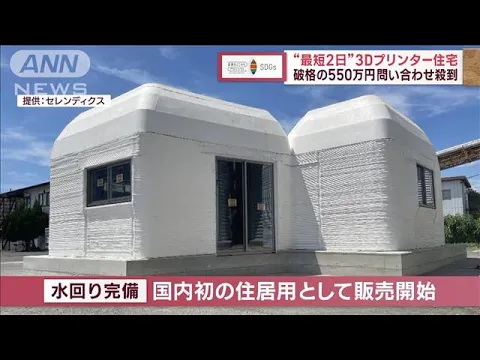

With information from the Channel ANNnewsCH.
If housing is the expense that most confines choices, any alternative that seems to cut this burden at the root will attract people of all profiles, especially those who have already felt the market closing doors. Would you buy a house like this to live in for many years?
What would need to be proven for you to trust: cheap maintenance, thermal comfort, quality of finishing, or the assurance that the price does not hide invisible costs?








Seja o primeiro a reagir!