





 Portuguese
  English
  Spanish
  3 min of reading
  0 comments


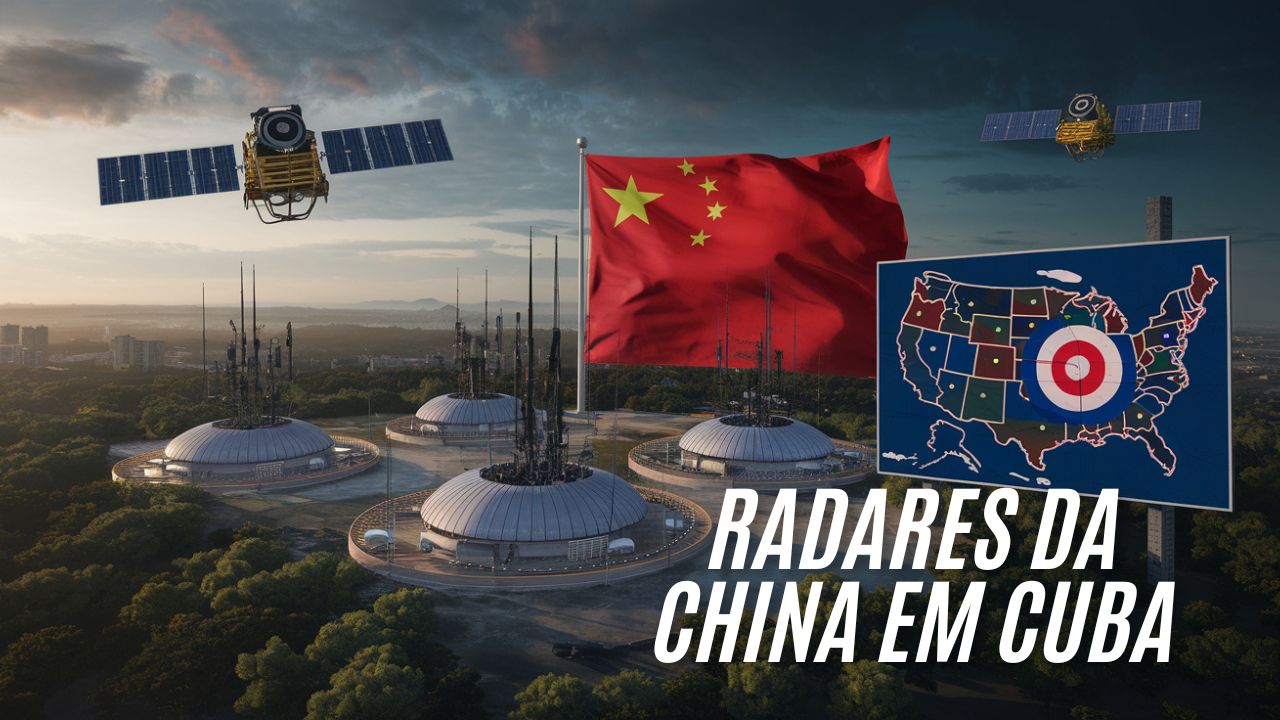
Chinese Radar Installations In Cuba Are Allegedly Spying On US Military Activities Just 145 Km From Florida, Bringing Back Memories Of The Missile Crisis And Reigniting Global Tensions With New Threats Of Sanctions.
Have you ever thought about how history has a curious way of repeating itself? The recent discovery of alleged Chinese radar installations in Cuba is reigniting memories of a critical moment in the Cold War: the Cuban Missile Crisis of 1962. This new chapter in the dispute between great powers puts into perspective the delicate balance of global geopolitical power.
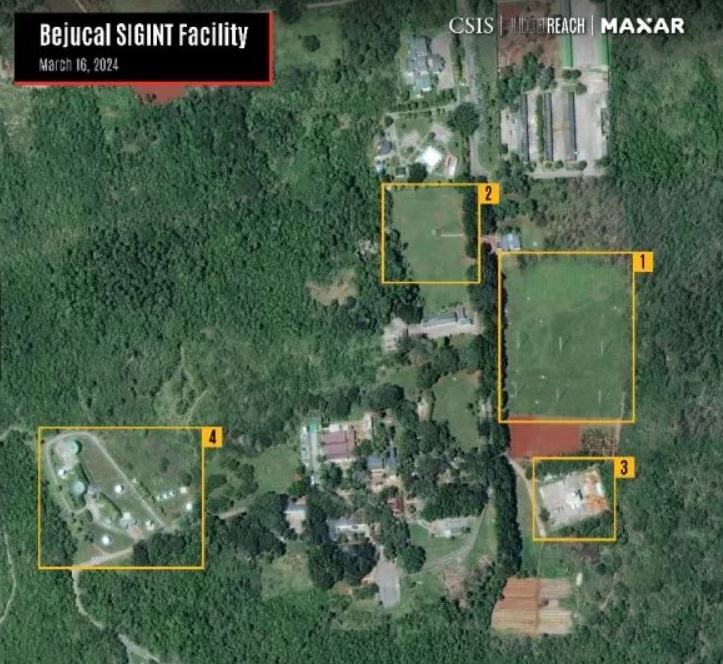
Four locations in Cuba have been identified as potential Chinese spying bases: Bejucal, El Salao, Wajay, and Calabazar. Bejucal, for example, is known to host advanced radar equipment, while El Salao is strategically located near the US naval base in Guantánamo. This proximity is a real “trump card” for China, allowing it to intercept communications and monitor American military movements.
These installations would aim to gather strategic information on US military operations, including signal interception and confidential communications. The proximity to Florida, where Cape Canaveral is located, is a bonus for monitoring NASA’s space and military activities.
-
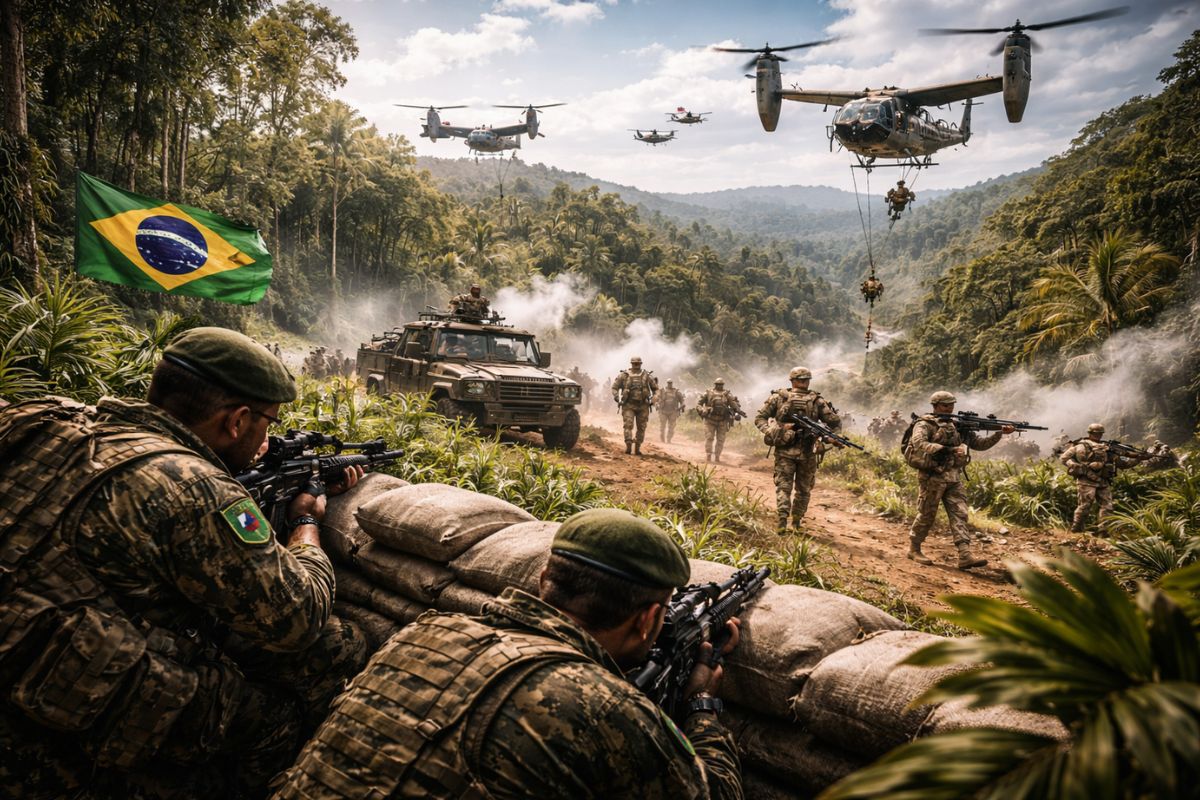
If the USA were to go to war with Brazil, Washington’s greatest fear would not be the attack itself, but facing a vast territory, prolonged resistance, and a costly, chaotic, and unpredictable occupation.
-
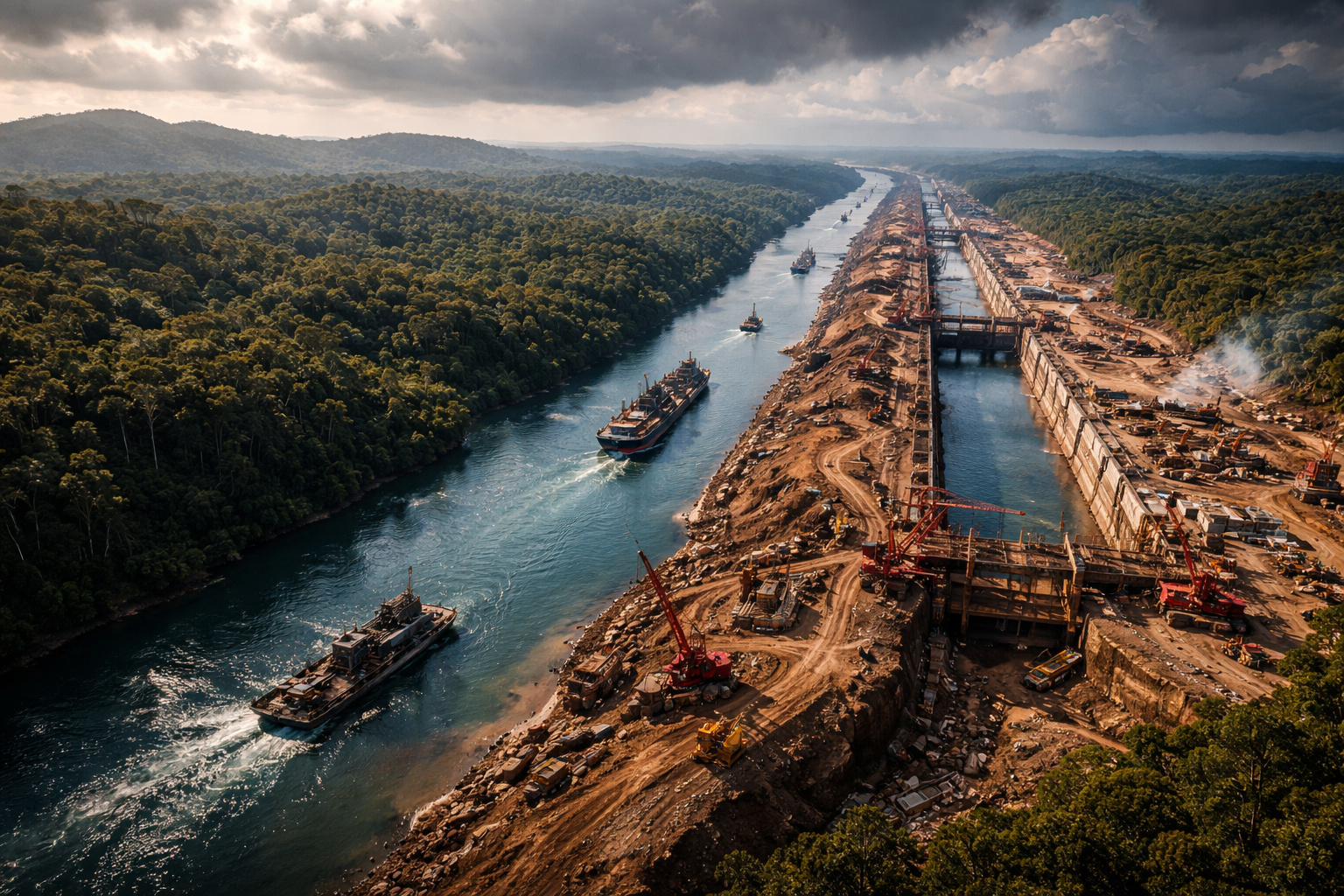
In 2013, Nicaragua sold the concession for a canal to rival Panama to a Chinese billionaire who lost 85% of his fortune, disappeared, and was declared bankrupt. Now the project resurfaces with a new route, a new Chinese partner, and a cost of $64.5 billion.
-
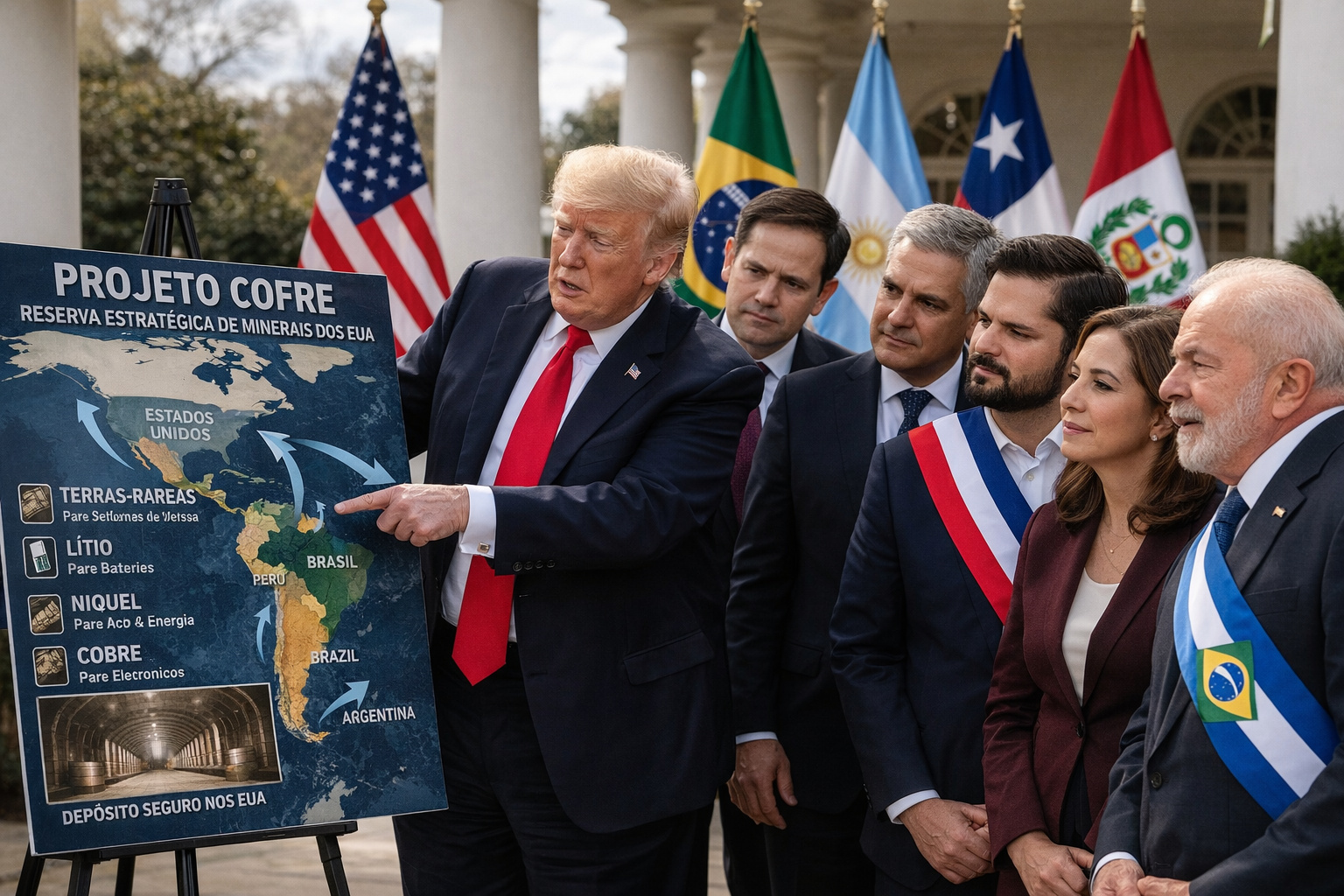
The USA announces a mysterious billion-dollar vault project to store critical minerals, but what intrigues experts is not just the plan itself, but why Latin America, including Brazil, has entered the center of this global dispute against China.
-
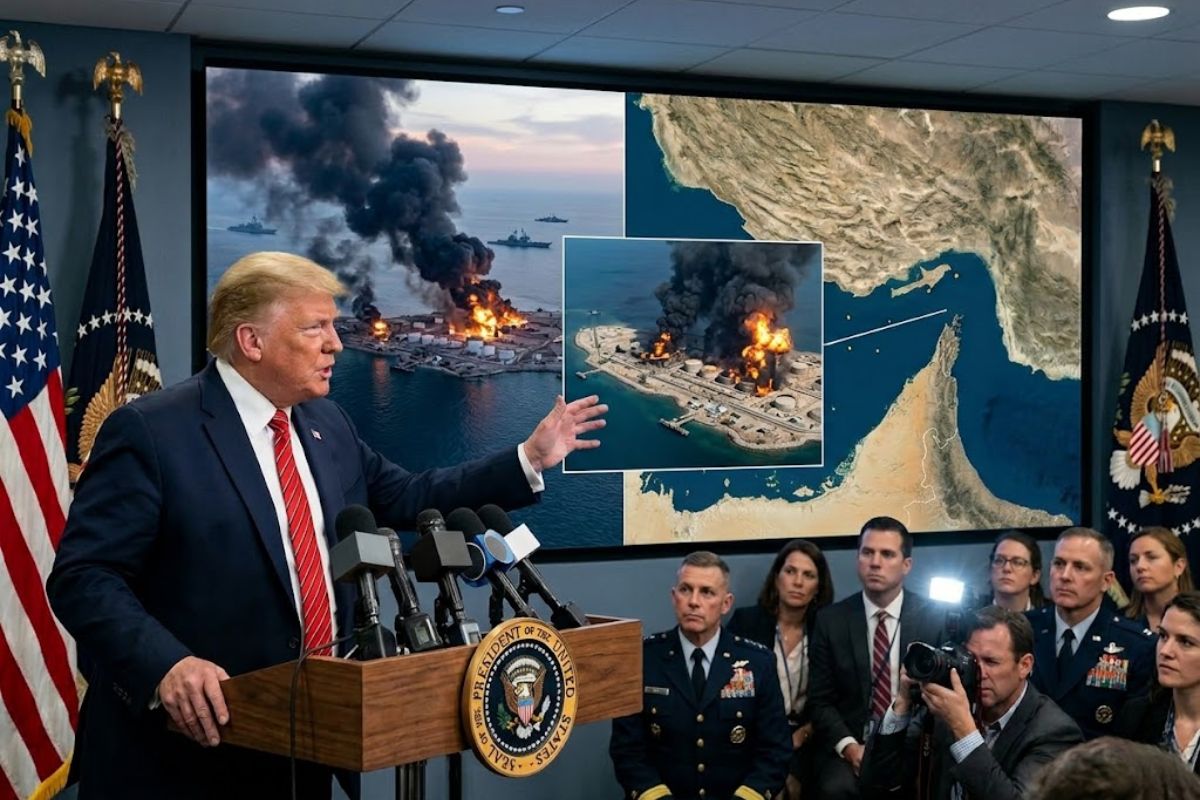
Trump Announces Bombing of U.S. Military Targets on Iranian Island Responsible for About 90% of Iran’s Oil Exports, Warns of Further Attacks if Navigation in Strategic Strait of Hormuz Is Threatened

Comparing To The Cuban Missile Crisis Of 1962
Just like in 1962, when Soviet missiles were installed in Cuba, the alleged Chinese radar bases represent a strategic threat due to their proximity to the US. The capacity for espionage so close to home disturbs the US government, just as Jupiter missiles disturbed the Soviet Union at the time.
The Missile Crisis was a moment of extreme tension, with the world on the brink of nuclear war. Today, while there are no missiles pointed at the US, the escalation of espionage creates a new layer of distrust between superpowers. The historical agreement to remove missiles from Cuba and Turkey is a reminder that dialogue can be a way out of similar crises.
The Geopolitical Game Between China And The US
The US has already expressed concern over Chinese activities, such as in the case of the spy balloon. With the radar bases in Cuba, it is likely that stricter measures, such as sanctions or military reinforcement in the region, will be considered. Reapproaching allies in Latin America may also be a strategy to contain Chinese influence.
While criticizing China’s presence in Cuba, the US maintains military bases near China, such as in South Korea, Japan, and Guam. This posture reflects a mirror game, where both powers use similar strategies to expand their influence.
Global Geopolitical Implications
Cuba’s collaboration with China could further exacerbate tensions between Havana and Washington. New sanctions or diplomatic actions may arise, complicating any attempts to normalize bilateral relations.
American allies in NATO and Asia are likely to push for firmer responses to Chinese actions. On the other hand, China’s partners may adopt similar strategies, creating a domino effect of surveillance and espionage.
The discovery of the alleged Chinese radar bases in Cuba is a powerful reminder of how geopolitics is a delicate and ongoing game. Just as in the Missile Crisis of 1962, the solution requires balance, dialogue, and smart strategies.





-

Uma pessoa reagiu a isso.