





 Português
  Inglês
  Espanhol
  5 min de leitura
  0 comentários


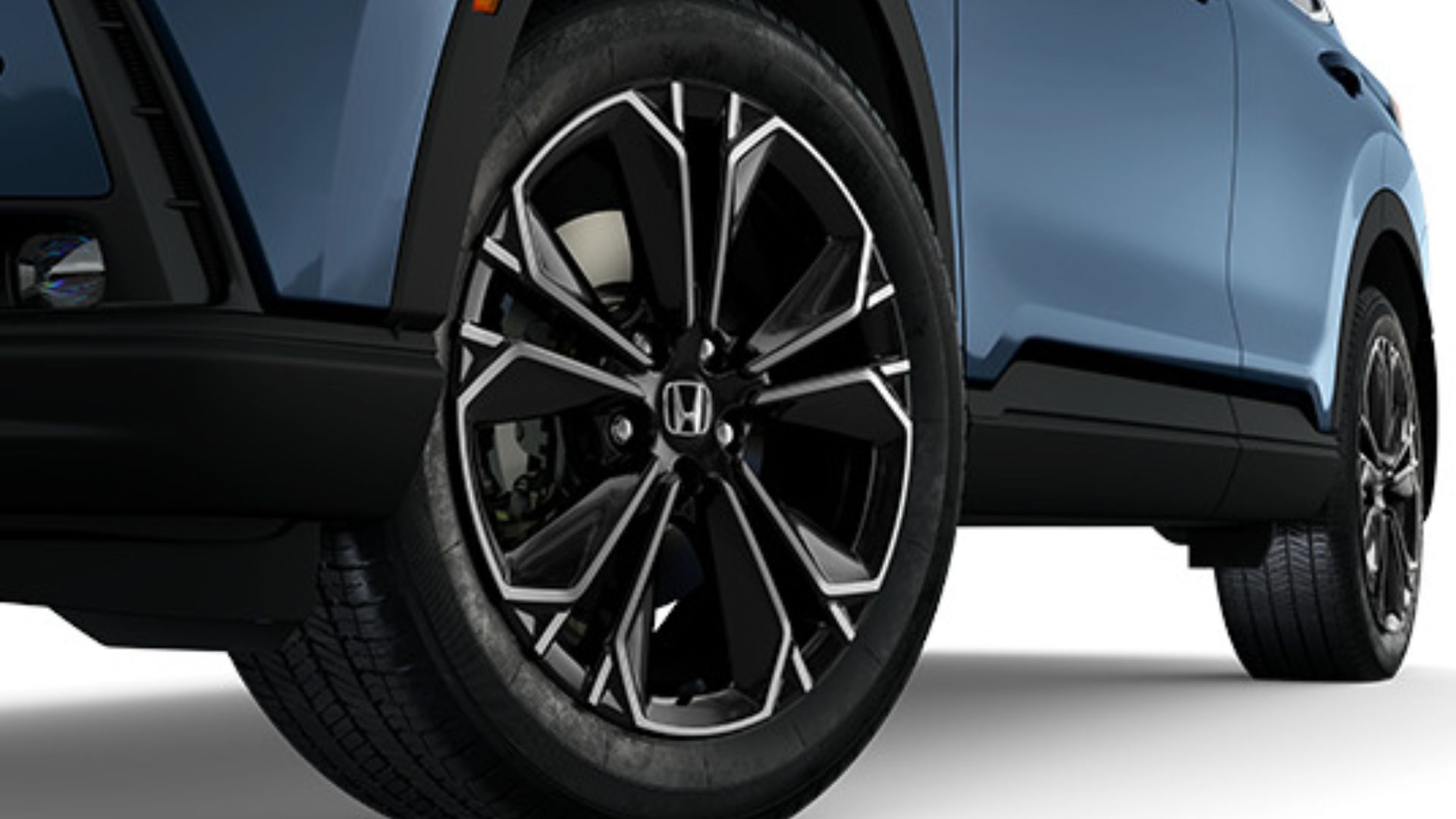
Hybrid SUVs That Impress with Economy, Comfort, and Technology, Showing That It Is Possible to Have Performance, Space, and Low Consumption in the Same Car. Discover Which Models Stand Out in the Brazilian Market.
Four hybrid SUVs sold in Brazil — Kia Niro, Toyota Corolla Cross Hybrid, Honda CR-V Hybrid, and Toyota RAV4 Hybrid — register official urban consumption higher than compact cars like Onix, HB20, and Argo.
According to measurements from the Brazilian Vehicle Labeling Program (PBEV/Inmetro), these utilities achieve averages of up to 19.8 km/l to 27.2 km/l in the city, while hatchbacks vary around 13 km/l to 14 km/l with gasoline in urban cycles.
In other words, despite their size and space, there are electrified SUVs that effectively consume less fuel in everyday use.
-
OMODA & JAECOO grows in Europe in 2026 with an integrated strategy of sales, innovation, local production, and technological advancement in the United Kingdom, Italy, and Spain.

-
OMODA & JAECOO expands after-sales service in Brazil with competitive maintenance, a 7-year warranty, and high availability of parts for technological SUVs.

-
OMODA & JAECOO appoints Alessandra Souza as executive marketing director in Brazil and accelerates brand expansion with a focus on innovation, networking, and hybrid portfolio.

-
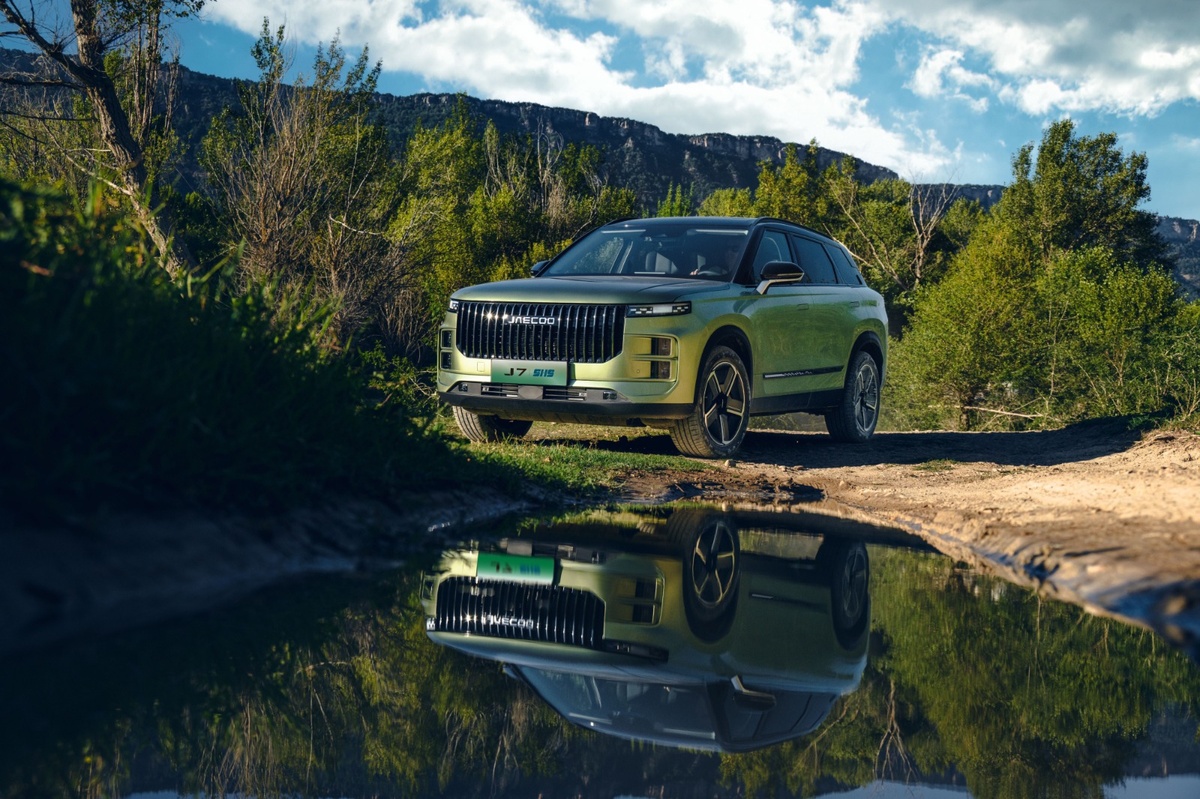
Jaecoo 7 with super hybrid SHS system exceeds 1,200 km of combined range with a 1.5 turbo engine, high-density battery, and intelligent energy management.

Consumption: How We Make the Comparison
To avoid distortions, the comparison considers the official Inmetro numbers with gasoline.
In urban traffic — where hybrid systems operate with more intensity — electrified SUVs have the advantage.
The Corolla Cross Hybrid registers 17.8 km/l in the city, the RAV4 Hybrid marks 14.5 km/l, the CR-V Hybrid records 14.2 km/l, and the Kia Niro ranks among the leaders with 19.8 km/l per PBEV.
In hatchbacks, the Chevrolet Onix 1.0 appears at around 13.3 to 13.6 km/l, the Hyundai HB20 1.0 at 13.5 to 13.6 km/l, and the Fiat Argo 1.0 at approximately 13.3 km/l in the city.
This data confirms that the four SUVs selected consume less in urban cycles than the three best-selling hatchbacks.
Kia Niro: Highlighted Efficiency and Current Package
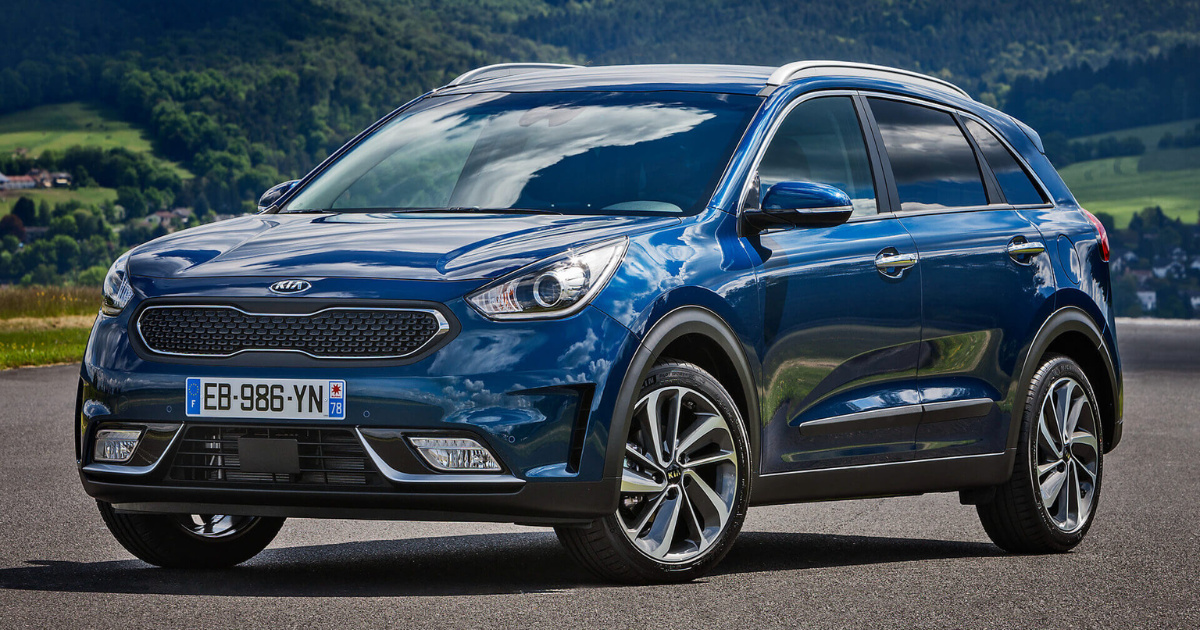
With non-plug-in hybrid technology, the Kia Niro positions itself as one of the most efficient SUVs in the country.
According to PBEV, it registers 19.8 km/l in the city and 17.7 km/l on the highway, numbers that place it among the best in the national market.
There are also independent evaluations that record up to 27.2 km/l in urban routes, reinforcing its reputation for “drinking little.”
In addition to consumption, the Niro offers good interior space and competitive trunk space for the category.
Toyota Corolla Cross Hybrid: Popularity and Predictable Maintenance
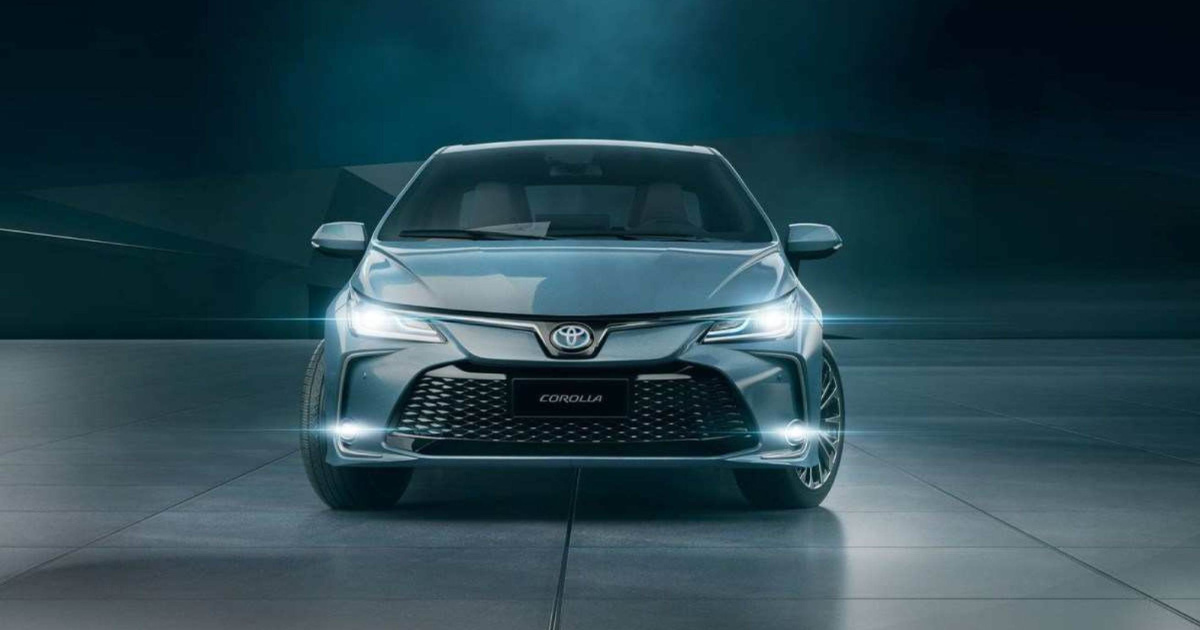
Produced in Brazil and one of the most remembered hybrids by the public, the Corolla Cross Hybrid combines a 1.8 combustion engine with electric propulsion, prioritizing efficiency in stop-and-go traffic.
The homologated consumption is 17.8 km/l in the city and 14.7 km/l on the highway, performance that surpasses the average of hatchbacks in urban routes.
The extensive network of dealerships, the brand’s reliability history, and the scheduled maintenance plan usually weigh in favor of the model, especially for those seeking cost predictability.
Honda CR-V Hybrid: Return to the Country with Solid Numbers
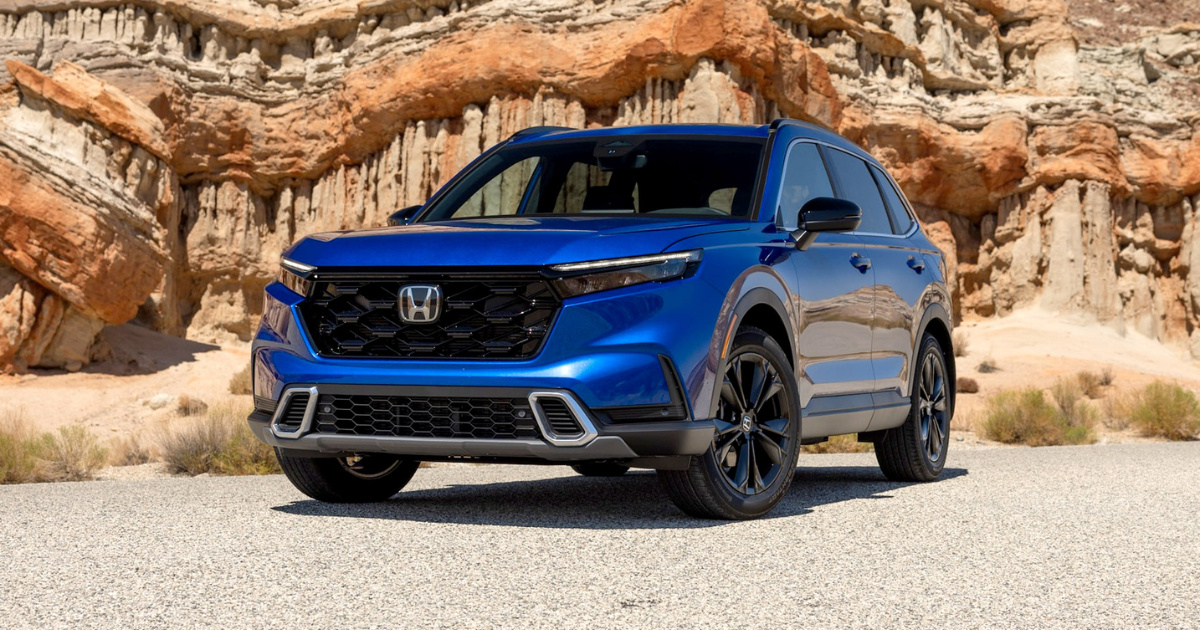
Re-launched in Brazil with the e:HEV system, the CR-V Hybrid focuses on comfort and primarily operates with the electric motor at low speeds, which helps reduce fuel consumption in urban traffic.
According to Inmetro, it achieves 14.2 km/l in the city and 11.6 km/l on the highway.
Although highway averages are closer to those of combustion SUVs, urban performance is enough to surpass Onix, HB20, and Argo under the same conditions.
Among the attractions are the interior space and the good list of safety and driving assistance equipment.
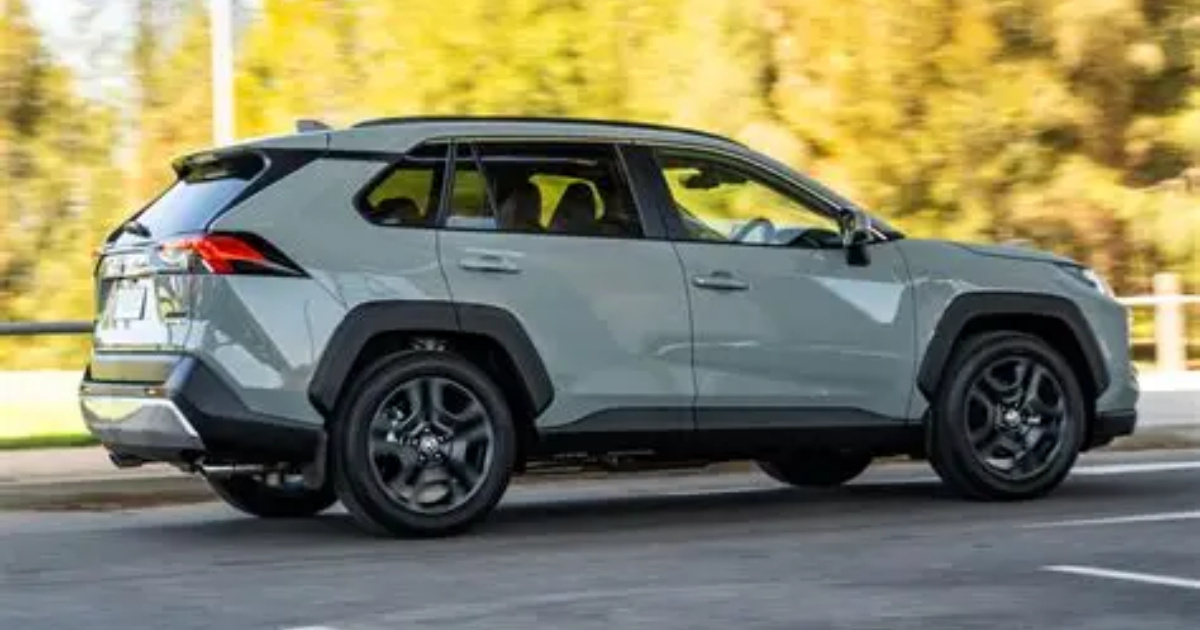
Toyota RAV4 Hybrid: Medium SUV Size with Controlled Consumption
Even larger and more powerful, the RAV4 Hybrid maintains respectable efficiency for a medium SUV.
According to PBEV, the utility registers 14.5 km/l in urban cycles and 17.1 km/l on the highway with gasoline.
The performance confirms its suitability for long trips, without compromising city economy.
For families needing more trunk and cabin space, the RAV4 stands out as a rational alternative, preserving good resale value and a reputation for durability.
Hatchbacks Versus Hybrids: Clear Difference in the City
Although Onix, HB20, and Argo are recognized for their economy among combustion cars, hybrid technology shows a clear advantage in urban use.
In official averages with gasoline, the Onix 1.0 sits around 13.3–13.6 km/l, the HB20 1.0 at 13.5–13.6 km/l, and the Argo 1.0 at about 13.3 km/l.
In contrast, the electrified SUVs above accumulate 14.2 to 19.8 km/l under the same conditions, opening a significant difference in heavy traffic routes.
This occurs without requiring external charging and maintaining similar or superior autonomy.
Space, Safety, and Maintenance: The Complete Package
In addition to consumption, the four models offer benefits that align with family use.
Interior space, higher driving position, and larger trunks increase versatility in everyday life.
Assistance systems, such as autonomous braking, adaptive cruise control, and maintenance alerts, are increasingly present in hybrid versions.
In the after-sales sector, Toyota, Honda, and Kia offer extended warranty for hybrid components and scheduled maintenance, which tends to reduce cost surprises over the usage cycle.
Although the purchase price is higher than that of 1.0 hatchbacks, urban efficiency helps to offset part of the difference, especially for those who drive a lot in the city.
Use Defines the Result: Understand the Consumption Variations
The consumption advantages are concentrated in the city.
On constant highways, the superiority diminishes and, depending on the pace and conditions, efficient hatchbacks can come close to hybrids or even surpass them in some specific situations.
Thus, the choice should consider the usage profile.
For routines marked by congestion and short trips, the tendency is that Niro, Corolla Cross, CR-V, and RAV4 deliver lower fuel consumption compared to Onix, HB20, and Argo.
What to Observe Before Buying
When making a decision, it’s worth comparing Inmetro labels, warranty periods for hybrid systems, and maintenance schedules.
It’s also prudent to evaluate the trunk, rear space, and the availability of active safety features in each version.
Finally, monitor any production and supply adjustments in the country — in 2025, for example, Toyota had to reprogram local operations and prioritize the assembly of Corolla and Corolla Cross hybrids, which may affect delivery times.
Given your daily commute, which of these four hybrid SUVs would make the most sense to reduce fuel consumption without sacrificing space and comfort?









Seja o primeiro a reagir!