





 Portuguese
  English
  Spanish
  4 min of reading
  0 comments


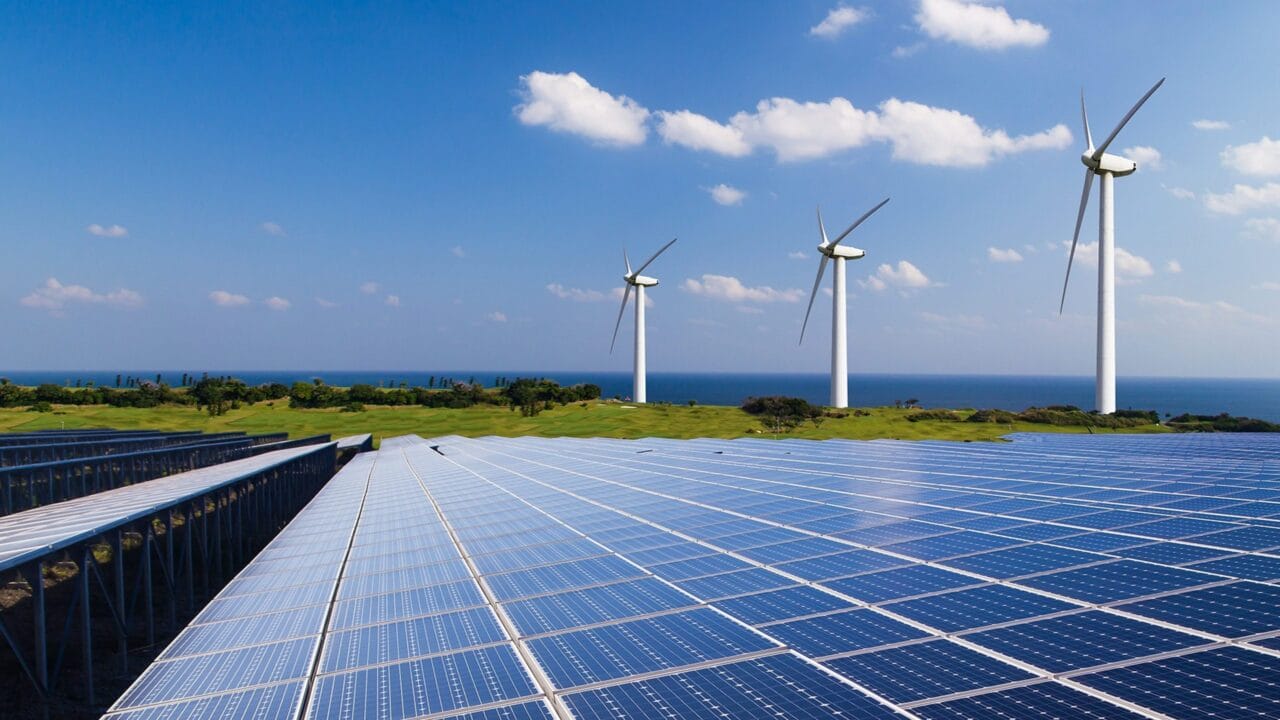
A Recent Survey Revealed That More Than 80% Of Established Industries In Brazil Are Implementing Actions To Reduce Waste, Energy Consumption, And Water Usage. This Demonstrates A Significant Commitment To Environmental Sustainability And The Country’s Sustainable Development.
It Is Necessary To Understand That The Initiative Is A Measure That Complements Other Green Agendas, Such As Increasing The Use Of Renewable Energies, Reinforcing The National Biofuels Policy, And, Above All, Reducing Illegal Deforestation.
The Authorization Of A Controlled Carbon Market, Discussed In The Chamber Of Deputies, Is Seen As Something ‘Important Or Very Important’ By 78% Of The Participants In The Survey.
“The Creation Of A Regulated Carbon Market That Includes, For Example, The Participation Of Companies In Decision-Making And Does Not Incorporate Excessive Penalties And Fines, Will Help The Country Achieve The Climate Goals Established In The Paris Agreement In The Long Term,” Declared The Director Of Institutional Relations Of The National Confederation Of Industry (CNI), Roberto Muniz.
-
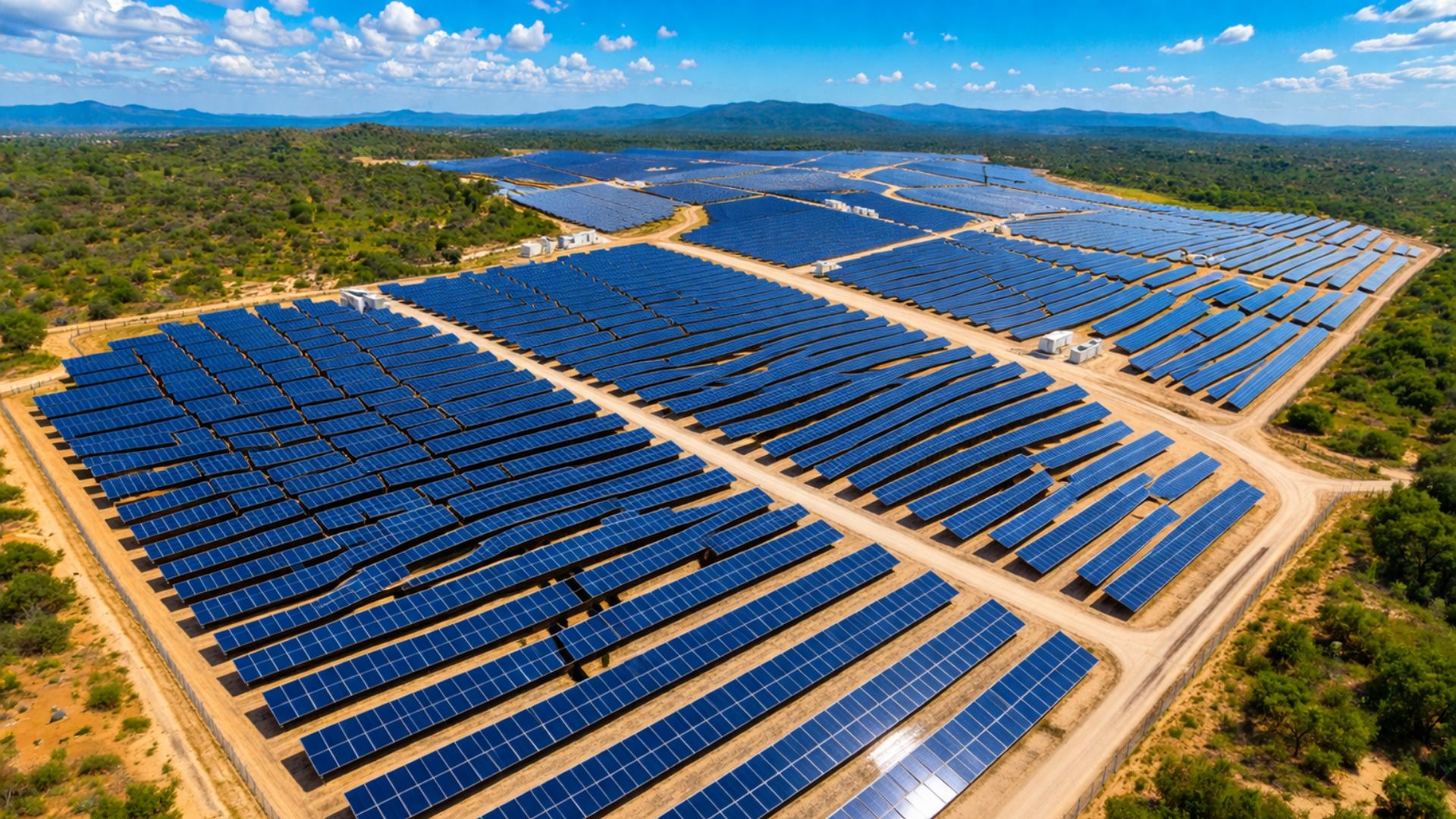
The Sol do Agreste Photovoltaic Complex begins operations in Pernambuco and accelerates the expansion of solar energy in Brazil, directly impacting the reduction of emissions and strengthening the sustainable energy matrix.
-
The Sol do Agreste Photovoltaic Complex begins operations in Pernambuco and accelerates the expansion of solar energy in Brazil, directly impacting the reduction of emissions and strengthening the sustainable energy matrix.
-
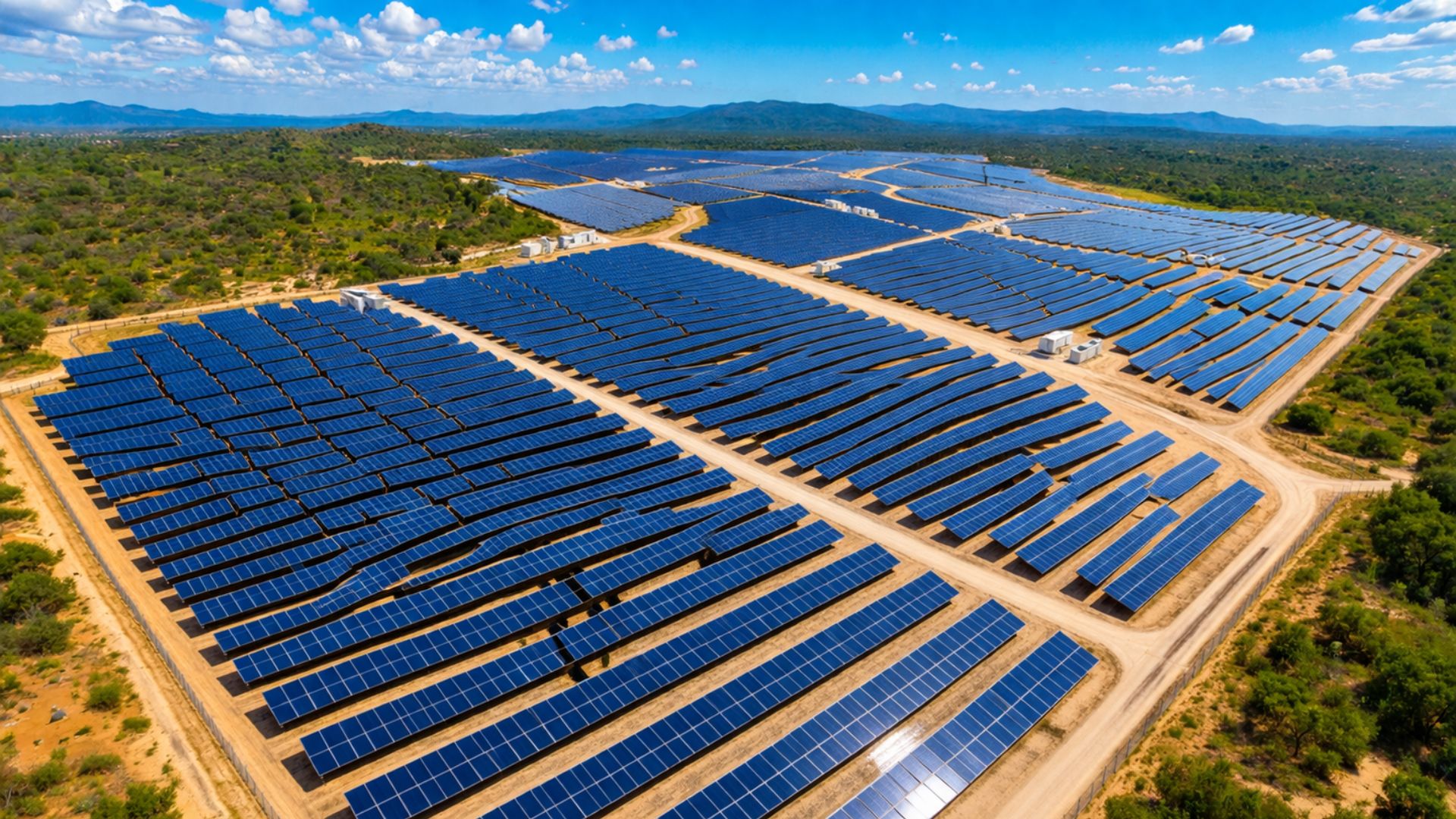
Renewable energy advances over protected areas in Brazil, and a survey by the Energy Transition Observatory reveals silent impacts that challenge environmental conservation and pressure sensitive traditional territories.

-
Rio Grande do Sul accelerates energy transition: State invests in renewable technologies and consolidates decarbonization strategies and pathways to attract billions in new industrial investments.


Interest In Sustainable Technologies In Factories
When It Comes To Sustainable Production In Industrial Facilities, 75% Of Companies Expressed Interest In Obtaining Credit Lines To Implement New Green Technologies.
Another 66% Stated The Need To Acquire New Low-Carbon Technologies, While 59% Expressed Interest In Modernizing Their Equipment To Achieve Decarbonization Goals.
In This Sense, Most Companies (88%) Consider The Public Sector’s Action Insufficient, As They Believe There Is A Lack Of Tax Incentives To Promote This Type Of Transition.
Private Financing Has Proven To Be More Viable For Business Owners: 24% Sought It And 15% Obtained It. For 62% Of Respondents, Obtaining Funding For Sustainable Ventures Is Considered Difficult Or Very Difficult.
The Difficulty Of Accessing Credit Or Financing Is Listed As The Third Largest Barrier To Implementing Sustainable Actions (Mentioned By 22%), Behind Only The Lack Of Government Incentives (51%) And The Absence Of A Sustainability Culture In The Consumer Market (39%).**
Sources Such As Biomass (5%), Wind Energy (3%), And Low-Carbon Hydrogen (1%) Are Being Studied By Companies Seeking Sustainable Alternatives.
According To CNI’s Analysis, It Is Essential To Expand Access For Industries To Financing Options In Order To Boost The Low-Carbon Economy And Promote The Scaling Of Green Technologies.
Although 67% Of Respondents Have Expressed Interest In Obtaining Credit Lines For This Purpose, Not Everyone Has Concretized This Intention. Only 16% Sought Any Type Of Public Credit Support For Sustainable Projects, And Only 6% Were Successful.
The Solar Energy Source Is The One That Evokes The Most Interest Among Industrial Business Owners, According To A Survey. In The Overall Sample, 75% Of Respondents Demonstrated A Great Deal Or Some Interest In Adopting This Type Of Energy Source.
In Second Place, Interest Falls On Green Or Low-Carbon Hydrogen, With 19% Interest, Followed By Wind Energy, With 13% Interest.
The Survey Also Reveals That More Than Half Of The Industries, That Is, 53%, Already Have Projects Related To The Use Of Renewable Energy Sources, With Solar Energy Being The Most Prominent, Accounting For 91% Of Ongoing Projects.
Ricardo Alban Highlights The Leadership Of The Brazilian Industry In Sustainability
According To The President Of CNI, Ricardo Alban, The Industry In Brazil Is Ahead Of Other Countries In Terms Of Initiatives Related To Sustainability And Adaptation To Climate Change.
He Highlights That “Our Industry, Especially Those That Consume A Lot Of Energy, Such As The Cement Industry, For Example, Has Already Done Its Part And Has Much To Share With The World. The Greenhouse Gas Emissions From Cement Factories In The Country Are 10% Lower Than The Global Average. In The Aluminum Sector, About 60% Of All Materials Consumed In The Country Are Recycled”, As An Example.
In Addition To Ongoing Strategies To Improve Energy Consumption, Nine In Ten (89%) Are Focused On Reducing The Generation Of Solid Waste, While 83% Are Implementing Measures To Conserve Water Usage.
These Actions Are The Top Three In A List Of Nine Measures Identified In The Survey. Among The Industries That Participated In The Research, 36% Are Adopting Between 5 To 6 Actions, And 22% Are Implementing Between 7 To 8. Only 3% Of Industrial Companies Are Not Taking Any Measures Related To Sustainability.
The Effort Of Companies To Invest In Sustainable Practices Is Notable, Seeking Not Only To Reduce Costs But Also To Contribute To Environmental Preservation.
When Asked About The Most Important Actions For The Industry To Contribute To The Decarbonization Of The Country, Business Leaders List The Modernization Of Equipment (27%), The Use Of Renewable Energy Sources (23%), And Investment In Low-Carbon Technologies (19%).
Other Measures Mentioned Included Investment In Innovation (14%) And Access To Financing (10%).
The Survey Consulted 1,004 Executives From Small, Medium, And Large Industrial Companies Across All Federative Units Of The Country. The Research Was Conducted By The Reputation And Image Research Institute, Part Of FSB Holding, Between November 3 And 20.
A Study Conducted By The National Confederation Of The Industry (CNI) With Business Owners Across The Country Found That 86% Of Industrial Groups Are Implementing Actions To Make Energy Use More Efficient.
For The Next Two Years, The Investment Priority Is The Utilization Of Renewable Energy Sources, Mentioned By 42% Of Respondents, Followed By Equipment Upgrades (36%) And The Implementation Of Measures To Optimize Energy Consumption (32%).
These Data Indicate A Growing Concern In The Industrial Sector With Energy Efficiency And The Search For More Sustainable Alternatives In Their Operations.
Source: EPBR










Seja o primeiro a reagir!