





 Português
  Inglês
  Espanhol
  6 min de leitura
  0 comentários


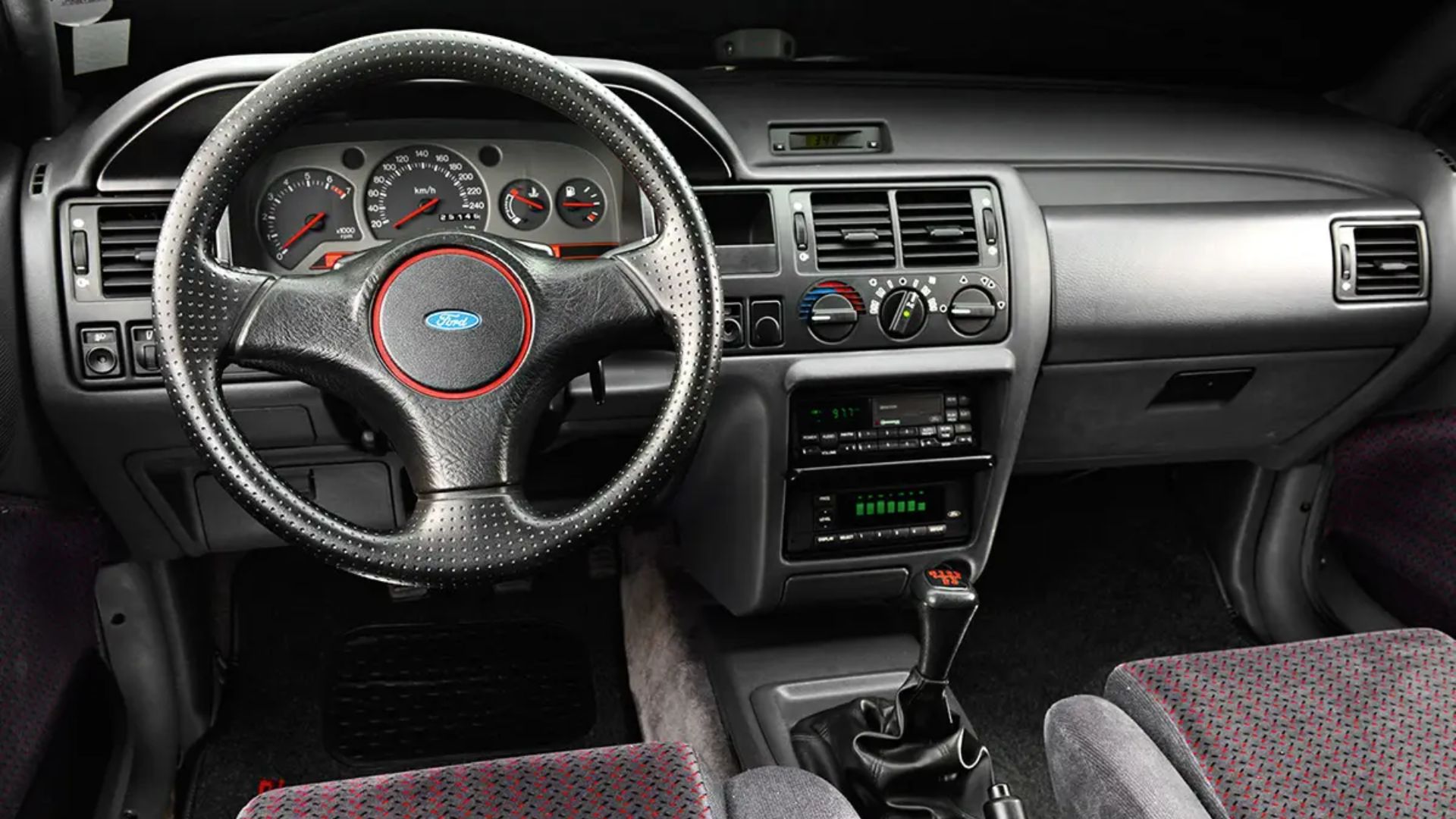
Five Icons of the 1980s Continue to Catch Attention in the Brazilian Used Market, with Technologies That Were Rare at the Time and Still Arouse Fascination Among Collectors and Classic Car Enthusiasts.
Eight decades after the arrival of innovations that shaped Brazilian taste for sedans, hatches, and station wagons, five models from the 1980s continue to generate interest and appear with relative frequency in the used market.
They are domestic cars that introduced items that were uncommon at the time — from sunroofs to digital dashboards — and that, in good condition, can still offer occasional use with period charm.
The prices mentioned were verified on Mercado Livre during the investigation in September 2025.
-
OMODA & JAECOO grows in Europe in 2026 with an integrated strategy of sales, innovation, local production, and technological advancement in the United Kingdom, Italy, and Spain.
-
OMODA & JAECOO expands after-sales service in Brazil with competitive maintenance, a 7-year warranty, and high availability of parts for technological SUVs.
-
OMODA & JAECOO appoints Alessandra Souza as executive marketing director in Brazil and accelerates brand expansion with a focus on innovation, networking, and hybrid portfolio.

-
Jaecoo 7 with super hybrid SHS system exceeds 1,200 km of combined range with a 1.5 turbo engine, high-density battery, and intelligent energy management.

Ford Escort with Sunroof and Global Project
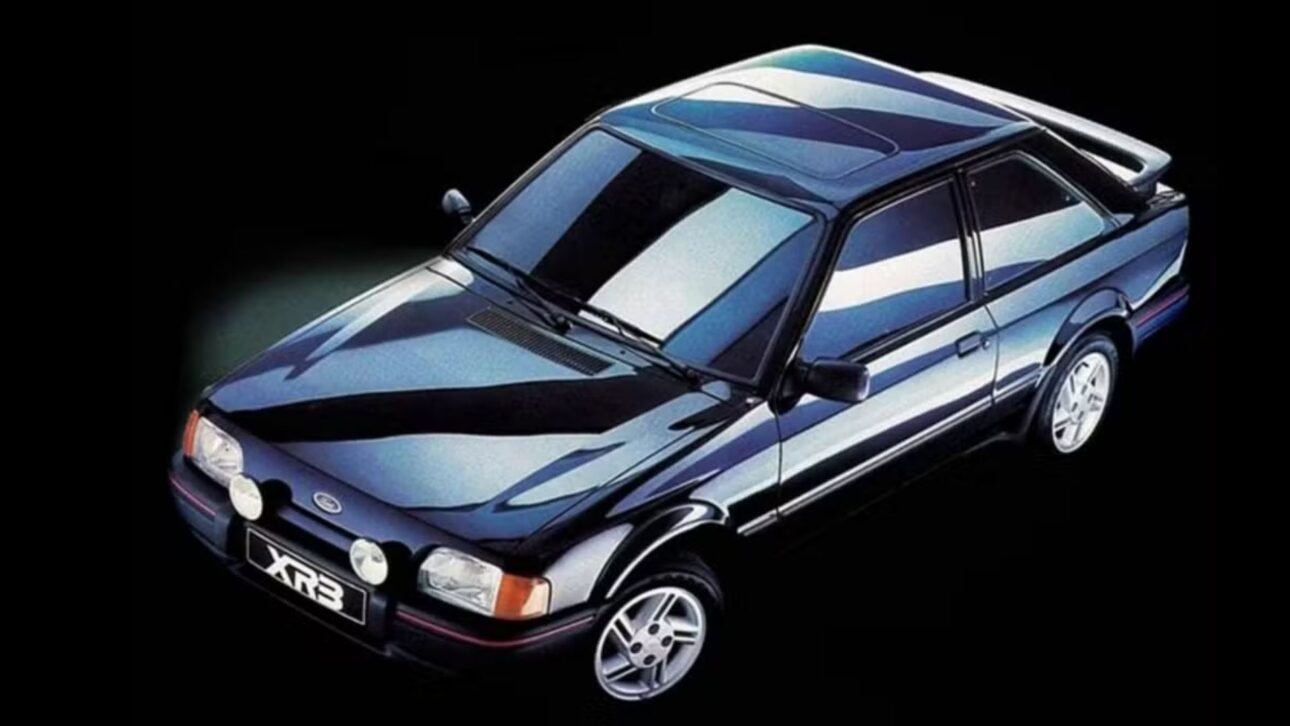
Launched in 1983 in Brazil as a derivative of the European project, the Ford Escort introduced here the idea of a “world car” from the brand, combining technical solutions from British and German Ford.
The hatch body, clean lines, and modern ergonomics helped shift the market reference, then dominated by older projects.
By the end of the decade, the arrival of versions with the AP 1.8 engine — a result of the Autolatina phase — raised performance compared to the old CHT 1.6 and consolidated the image of an agile hatch.
On Mercado Livre, there are listings starting at R$ 13.5 thousand.
Among the features that stand out in the more complete versions are air conditioning, alloy wheels, sporty designed seats, and, in some units, a sunroof, a feature that remained rare in the country.
Due to the balanced set of drivability, still modern visual, and historical relevance, the Escort remains valued among novice enthusiasts and collectors more attentive to originality.
Volkswagen Parati and the Robust Station Wagon Formula
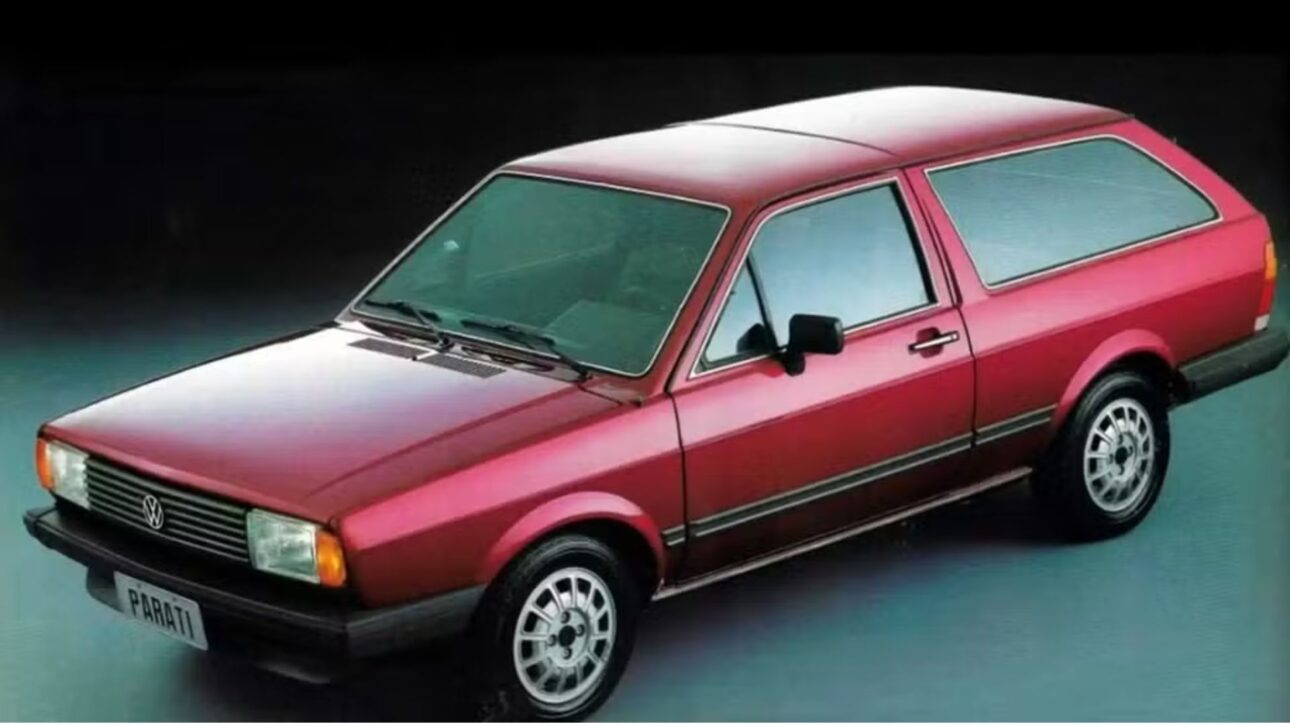
Launched in 1982 as the station wagon derived from the Gol, the Volkswagen Parati quickly gained space for uniting a generous trunk and simple maintenance.
The CL versions with AP 1.6 and 1.8 engines became known for their robustness, while the suspension tuning tolerated the irregular asphalt of large cities and state roads well.
The interior, even in the basic configurations, offered an adequate driving position and correct finishing for the standards of the time.
Listings start at R$ 15 thousand.
In entry-level vehicles, it’s common to find radios and reclining seats; above that, alloy wheels and sporty designed seats are available.
In good condition, the Parati can perform everyday commutes with dignity, although today it is more sought after as a classic for moderate use, especially by those looking for a family car from the 1980s with a focus on maintenance cost.
Ford Del Rey and the Gala Sedan Comfort
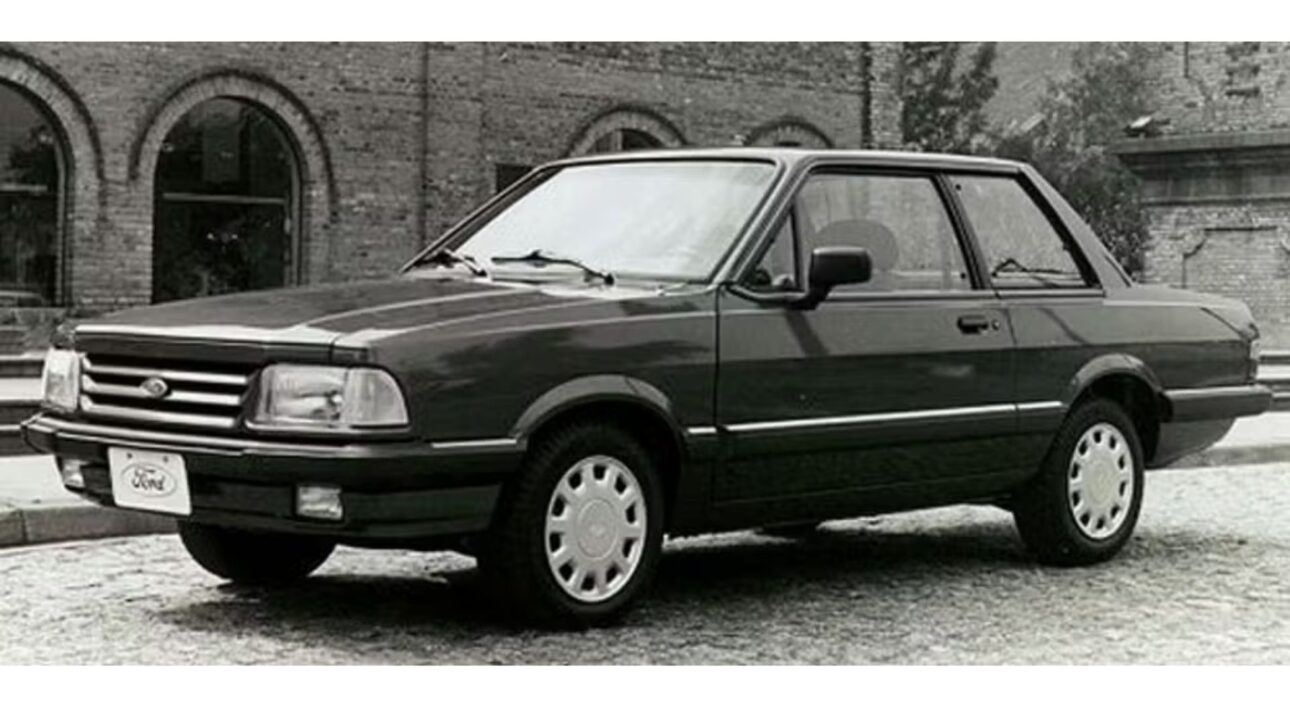
The Ford Del Rey was born as a luxury version of the Corcel II and quickly gained its own identity.
With a discreet design, good glazed area, and spacious cabin, the model positioned itself as a comfortable alternative for families and executives who prioritized smooth rides.
The 1.6 and 1.8 engines comfortably met the usage profile of the segment, and the above-average acoustic insulation gave the car a superior category feel.
On Mercado Livre, prices start at R$ 19 thousand.
The more equipped versions usually gather power steering, air conditioning, electric windows, velvet or leather seats, and tape players, a package that at the time put it in a highlighted position.
When preserved, the Del Rey delivers a smooth driving experience, typical of a sedan from the 1980s, as well as an image of elegance associated with the period of its production.
Volkswagen Santana with 2.0 Engine and German Project DNA
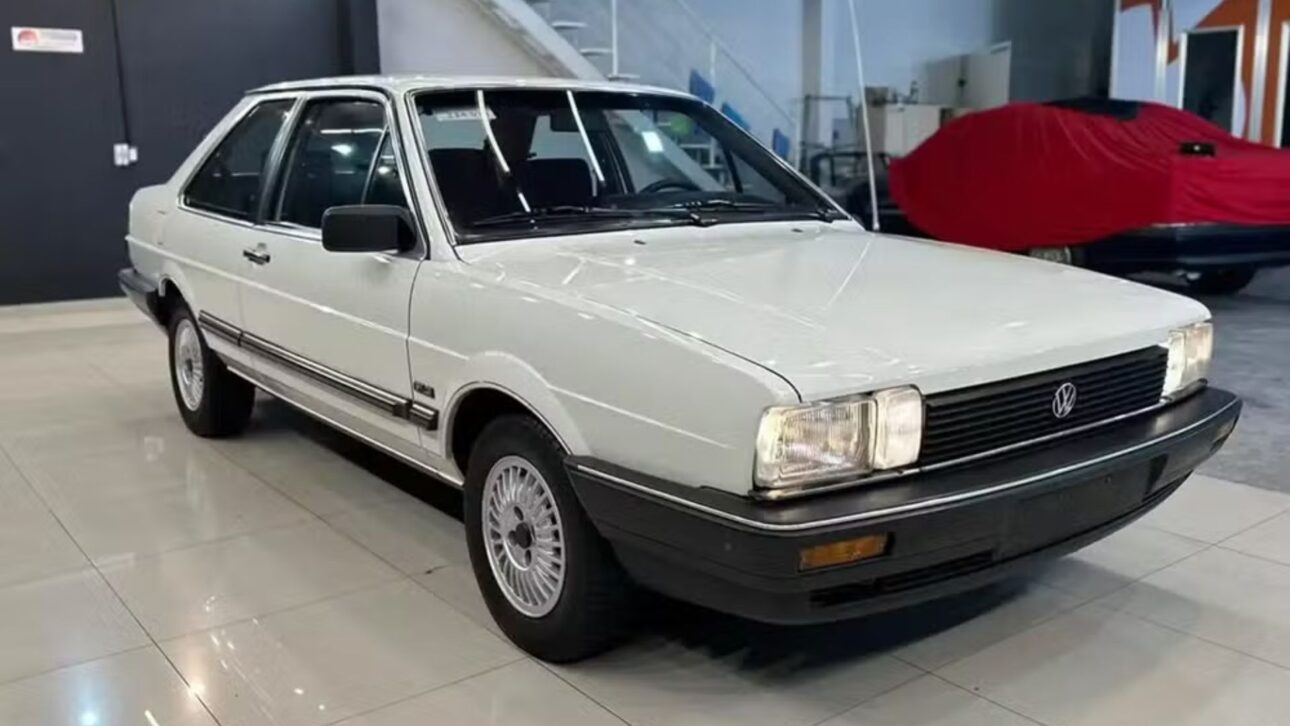
Arriving in 1984, the Volkswagen Santana brought to the national market the B2 platform developed by Audi, focusing on solid structure and ride comfort.
The GLS 2.0 version gained a reputation for superior performance and the feeling of solidity of a medium sedan that sounded sophisticated by local standards.
The advanced ergonomics for the time, with correct driving position and well-placed controls, added points for daily use.
On Mercado Livre, it is possible to find units starting at R$ 21.9 thousand.
Among the equipment, there are power steering, air conditioning, electric windows and locks, good density velvet seats, and alloy wheels.
The reputation of being a “respectable” sedan has accompanied the Santana since the 1980s, and the combination of 2.0 engine with consistent chassis tuning keeps it as a reference among classic nationals from that period.
Chevrolet Monza with Digital Dashboard in Special Editions
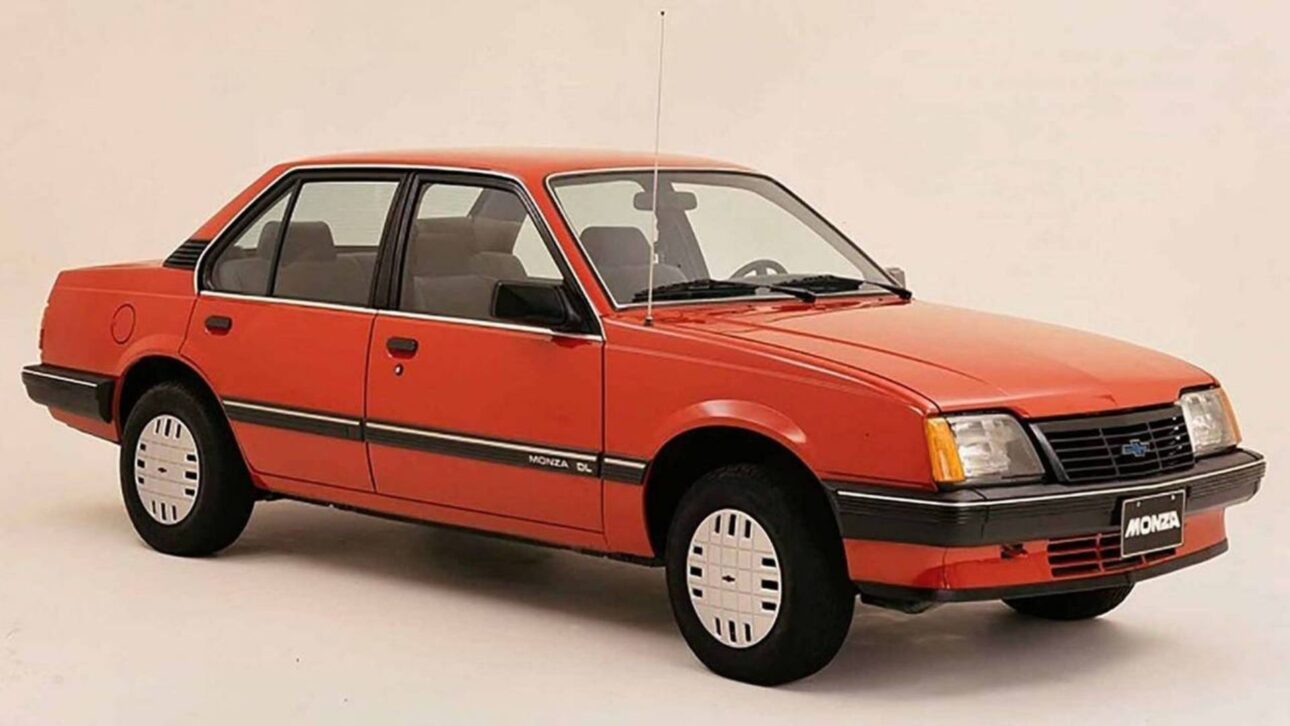
Launched in 1982, the Chevrolet Monza quickly became a reference among medium sedans.
The model led the market in the mid-decade and consolidated the proposal of comfort, space, and above-average finishing for the segment.
The SL/E versions with 1.8 or 2.0 engines combined a smooth ride with convincing performance, explaining the car’s appeal in large capitals and on highway trips.
Ads for the SL/E version start at R$ 23.9 thousand.
The usual package includes air conditioning, power steering, electric windows, tape player, and velvet seats.
In some special editions, the Monza offered a digital dashboard, technology that became a symbol of modernity in the early 1990s and currently adds interest among collectors attentive to electronic rarities.
The good supply of parts and the well-known mechanics make maintenance relatively simple for a classic sedan.
How to Choose an 1980s Classic
The decision inevitably comes down to state of conservation.
Cars from this period vary greatly depending on usage and maintenance history.
Prioritizing originality, the absence of corrosion, and up-to-date documentation often avoids high expenses shortly after purchase.
Rare period items — like the sunroof of the Escort or the digital dashboard of the Monza — increase the vehicle’s value but require a thorough verification of functionality, as replacement can be challenging.
It also helps to consider the intended use.
Those looking to drive regularly tend to prefer the Parati and Monza for their comfort characteristics and component availability.
Meanwhile, a collector who prioritizes technological uniqueness might aim for a well-preserved Santana 2.0 or a Escort with an accurate set from the Autolatina phase and original accessories.
In any scenario, preventive maintenance, appropriate tires, and attention to the cooling system are prudent measures to preserve the investment.
How Much Do They Cost and What to Expect from Ownership Cost
The values cited give an initial reference for cars advertised in September 2025, but the variation is broad depending on origin, mileage, and level of originality.
Units with factory paint, intact interiors, and complete manuals may command significantly higher prices.
On the other hand, examples requiring bodywork, interior refurbishment, or repair of rare items tend to demand relevant additional budgets.
In ownership costs, shared mechanics with other models from the era favor the availability of wear parts.
However, rare equipment — sunroofs, digital dashboard modules, first-generation electric window and lock controls — require extra attention.
Pre-purchase evaluation with a specialist and test drives on urban and highway routes help reveal suspension noises, transmission irregularities, and intermittent electrical failures that may not show up in quick inspections.
Finally, the point that unites the five models is their ability to translate what the national industry was in the 1980s: advancements in project quality, gradual adoption of technologies, and a dose of daring in uncommon equipment here.
Among these options, which one best represents the combination of history, rarity, and use that you are looking for in your garage?








-

-

-

-

-

-

50 pessoas reagiram a isso.