





 Portuguese
  English
  Spanish
  3 min of reading
  4 comments


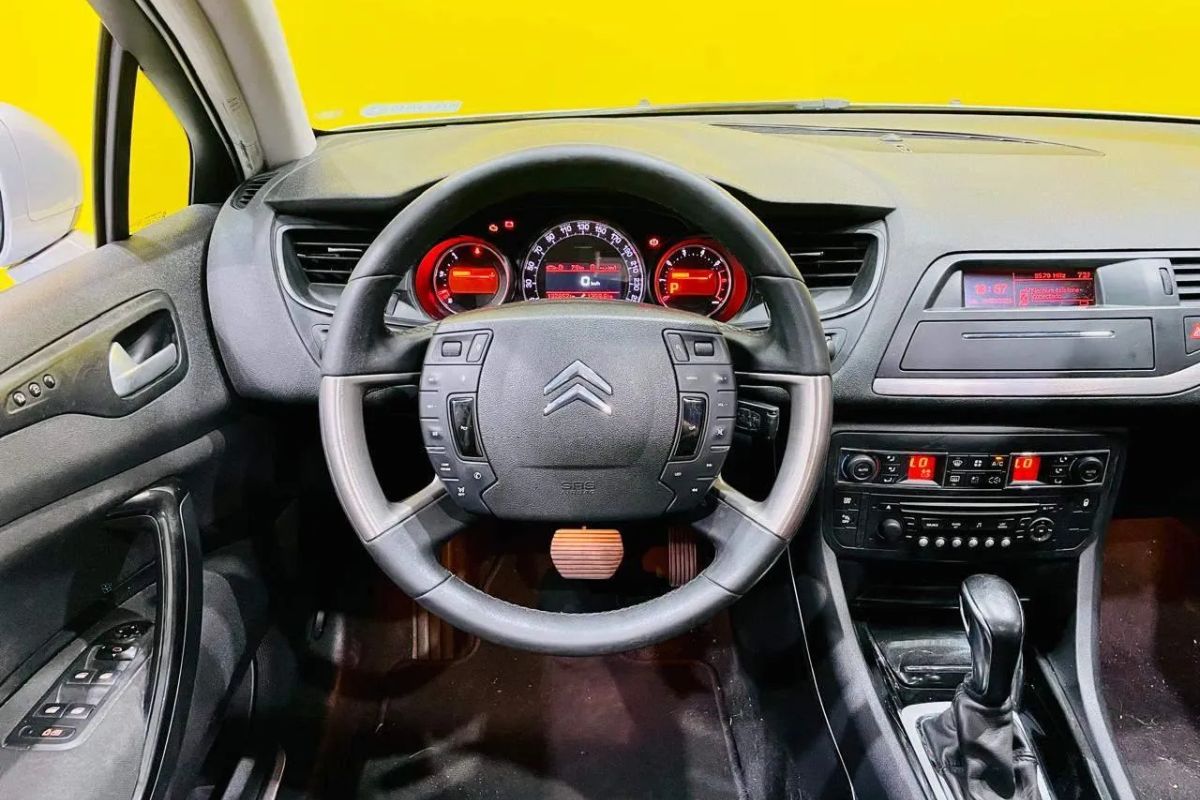


According to Fernando Dupas, some models that were born with expectations of success ended up becoming classic examples of rejected cars in Brazil.
The national automotive market does not forgive vehicles that combine high consumption, expensive maintenance, and a reputation for chronic defects. Over the past few decades, several models entered the market with great advertising, but became commercial failures and true traps in the used car market.
Experts like Fernando Dupas emphasize that the cars rejected in Brazil often did not fail in design or technology, but rather in reliability, maintenance costs, and reputation. Below, see five emblematic cases that explain why some models became unwanted even today.
Ford EcoSport 1.0 Supercharger
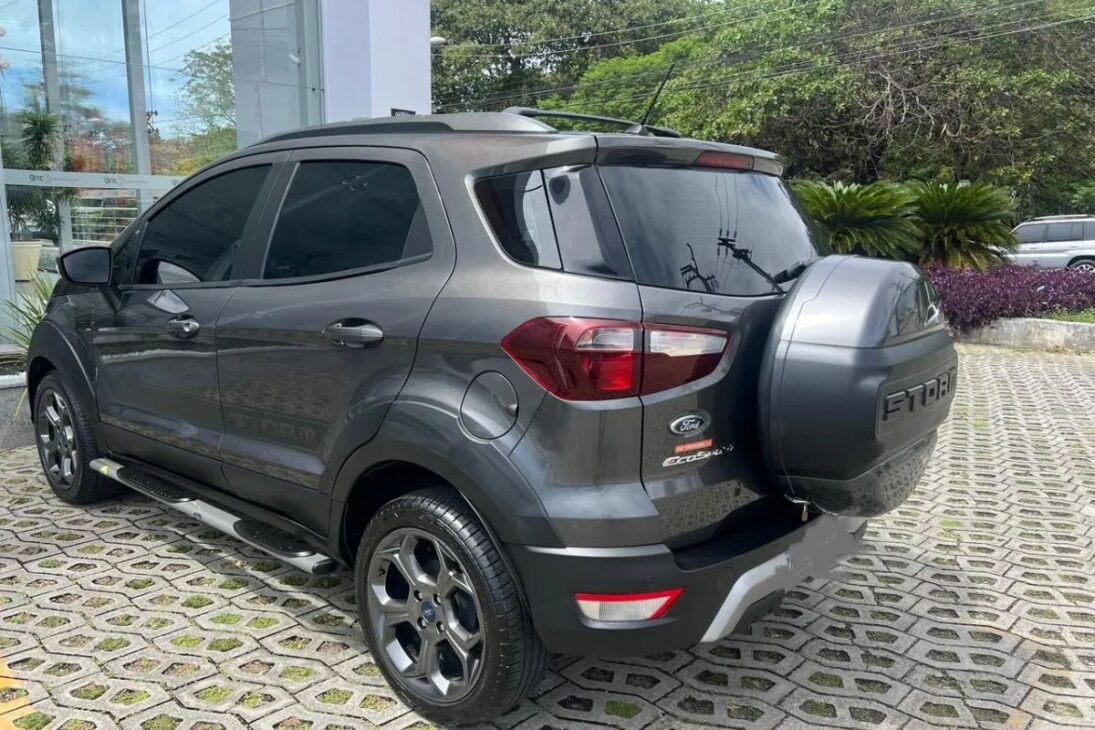
The EcoSport 1.0 Supercharger emerged as an innovation, inaugurating the category of compact SUVs in the country.
-
OMODA & JAECOO grows in Europe in 2026 with an integrated strategy of sales, innovation, local production, and technological advancement in the United Kingdom, Italy, and Spain.

-
OMODA & JAECOO expands after-sales service in Brazil with competitive maintenance, a 7-year warranty, and high availability of parts for technological SUVs.

-
OMODA & JAECOO appoints Alessandra Souza as executive marketing director in Brazil and accelerates brand expansion with a focus on innovation, networking, and hybrid portfolio.

-
Jaecoo 7 with super hybrid SHS system exceeds 1,200 km of combined range with a 1.5 turbo engine, high-density battery, and intelligent energy management.

The proposal was interesting: small supercharged engine to deliver power with economy.
However, the execution disappointed.
The car was too heavy for the engine, resulting in weak performance and high consumption.
The supercharger accumulated complaints of defects, raising maintenance costs.
Today, the version is remembered as one of Ford’s biggest disappointments in Brazil.
Citroën C5
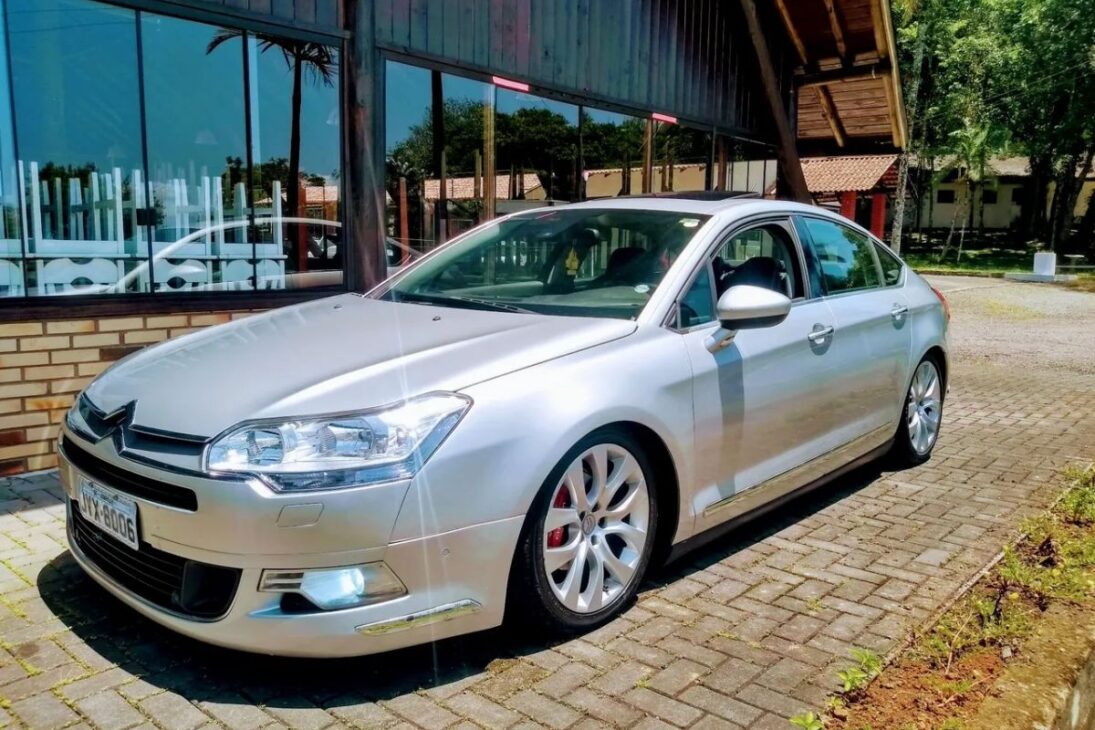
The Citroën C5 offered cutting-edge technology, including the famous hydropneumatic suspension.
Despite the comfort, the system gained a reputation for being fragile in Brazil, where the pothole-ridden streets took their toll.
The “glass suspension” became synonymous with headaches.
The car accumulated electronic problems and hard-to-replace parts, which drove away buyers in the used market.
Even with 2.0 engines and V6 versions, the C5 was marked by expensive maintenance and fear of post-sale issues.
Fiat Tempra SW
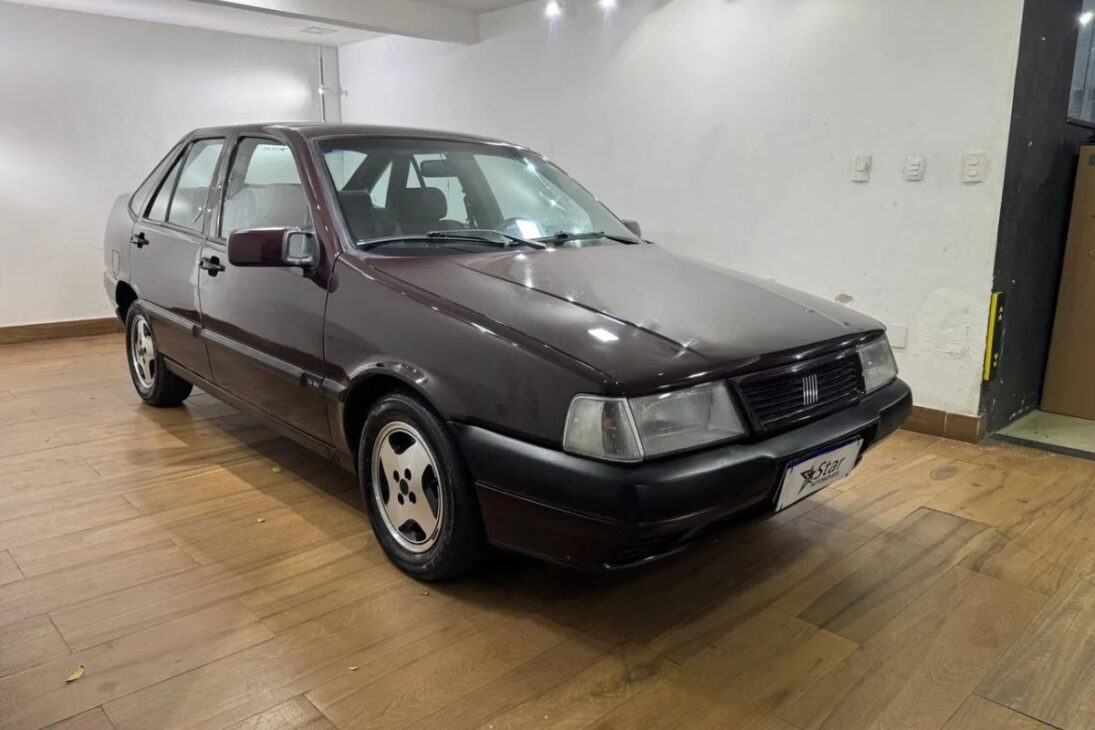
The Fiat Tempra SW, nicknamed “funeral car” due to its elongated and square design, never gained popularity.
The bad reputation of the Tempra family, combined with that of the Fiat Tipo, harmed the model from the start.
Reports of defective digital displays and constant electrical problems consolidated its rejection.
Today, it is rare to find a specimen in good condition, and when it does appear, most buyers prefer to avoid it due to the complexity and cost of maintenance.
Fiat Tipo
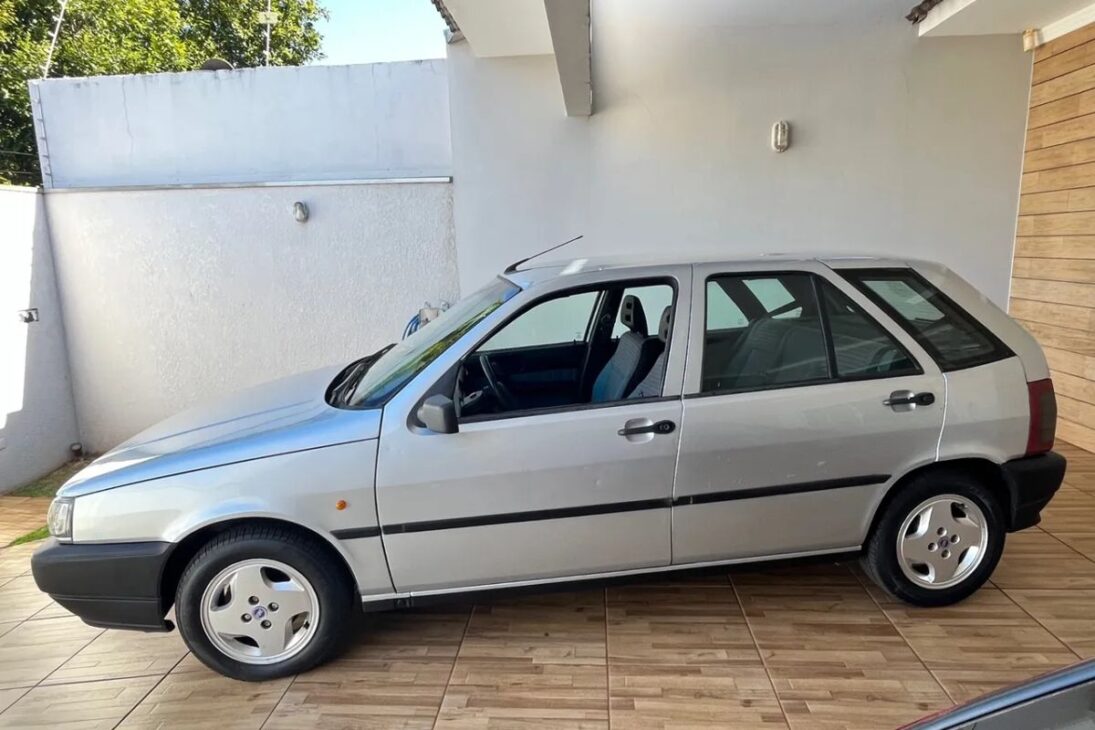
The Fiat Tipo could have been a modern and competitive car, but was a victim of serious reputation problems.
The model gained a bad reputation due to alleged fire cases and recurring electrical failures, which destroyed its image in the country.
Even in well-equipped versions, the Tipo never recovered from the initial bad impression.
In the used car market, it became synonymous with concern, driving consumers away.
Mercedes-Benz Classe A
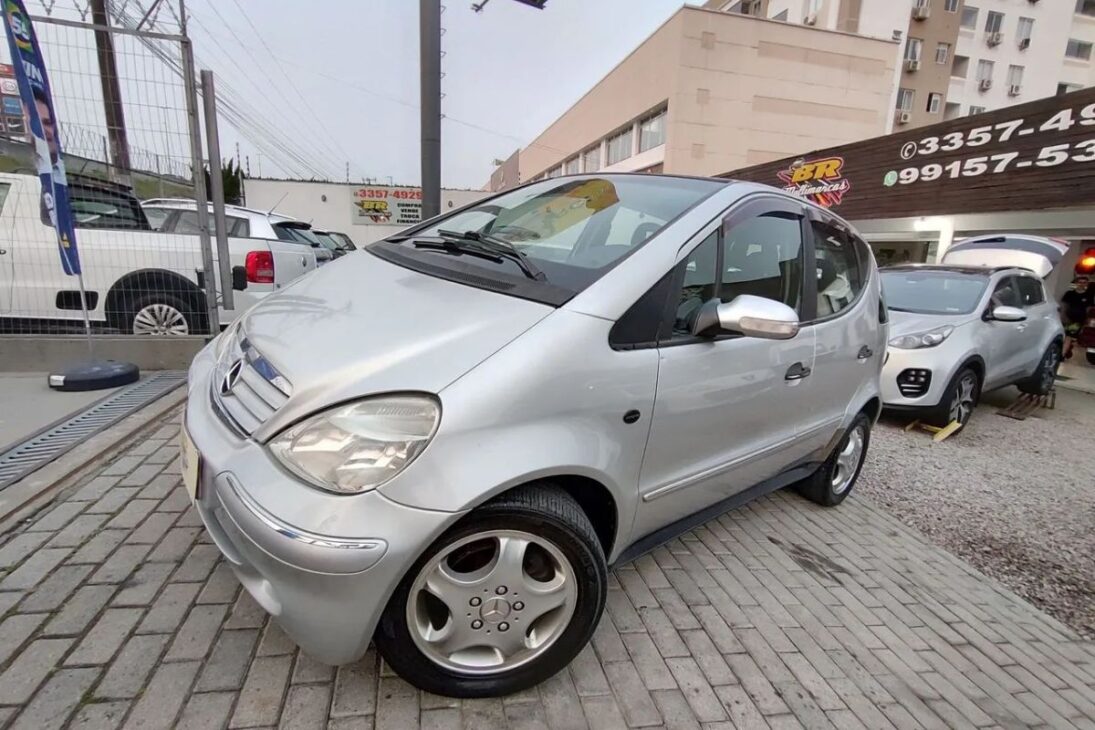
Launched in the late 1990s as an accessible luxury bet, the Mercedes Classe A brought important differentiators for the time, such as airbags, ABS, and air conditioning in a compact.
However, the years revealed its weaknesses.
The model presented chronic problems with the power steering pump, which is costly and frequent to repair.
Original replacement parts are very expensive, making the car unfeasible for most owners.
Today, the Classe A can be found at low prices, but scares buyers away due to the high maintenance cost of a “cheap imported”.
These five models — EcoSport 1.0 Supercharger, Citroën C5, Tempra SW, Fiat Tipo, and Mercedes Classe A — show how negative reputation can destroy a car’s value.
What seemed like innovation or luxury at launch ended up becoming a problem in the daily lives of owners and a failure in the used market.
In your opinion, which of these cars was the biggest failure in Brazil? Do you believe that some of them were wronged or that the reputation for problems is deserved? Leave your comment — we want to hear from those who have experienced (or avoided) these models in practice.






Será que o editor não sabe a diferença entre sedam e perua , ou não tem a foto da SW ?
As fotos mostram que quem escreveu a matéria não conhece os carros. O Ecosport Supercharger nunca foi lançado na geração da foto e a foto do Tempra é do sedan e não dá SW…
Todos foram uma decepção, mas o CLASSE A , além de uma manutenção muito cara, foi caro e peças de difícil reposição.