





 English
  Francês
  Alemão
  Italiano
  Japonês
  Norueguês
  Portuguese
  Spanish
  3 min of reading
  0 comments


The reduction was motivated by the decrease in the prices of solar panels and batteries. Only lithium batteries account for a 97% reduction in value over nearly three decades
The solar energy storage system, which is already in advanced use in countries like the USA and Europe, is starting to arrive in Brazil with the trend of becoming more accessible to consumers. Just in the last year, the reduction in the value of the complete solar storage system was, on average, 50%, according to the multinational SolaX Power.
What contributed to this scenario was the decrease in the price of modules by almost 50%. It is worth noting that modules make up almost 70% of the storage system, as explained by the executive director of the multinational SolaX Power, Gilberto Camargos.
-
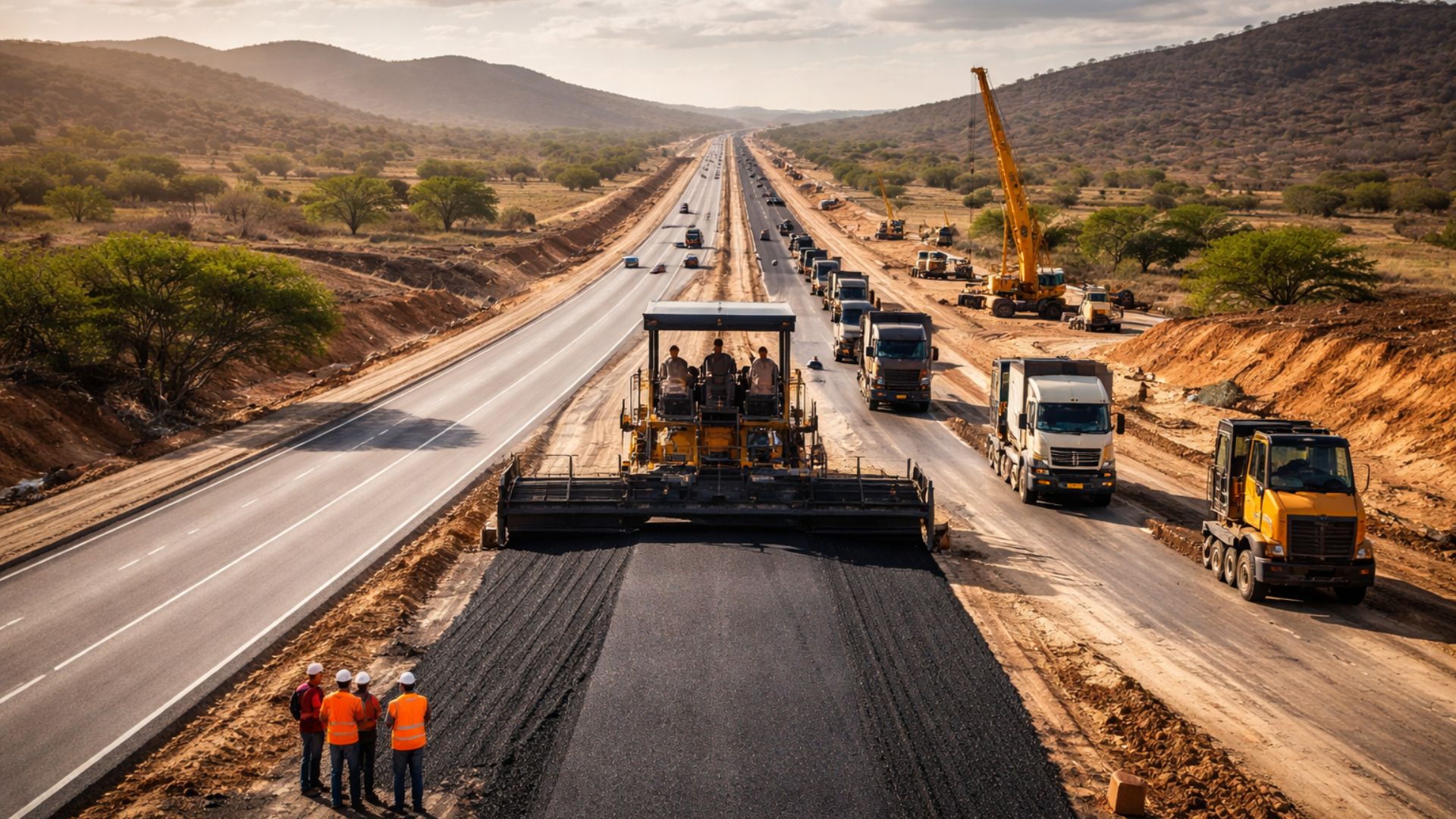
Government unlocks R$ 554 million for a highway that has been requested for decades and accelerates the duplication of BR.
-
Without bricks, without cement, and without endless construction: the cardboard house that is assembled in modules and can be moved.

-
Billions of barrels on the equatorial margin could lead Amapá to double its oil production in Brazil — the state aims to enter the route of companies in the Campos Basin, attract investments, and boost jobs and businesses in the oil and gas sector.

-
Without bricks, without cement, and without endless construction: the cardboard house that is assembled in modules and can be moved.
Furthermore, the reduction in the value of batteries also boosted this decline in the storage system. Lithium batteries, which are traditionally used in photovoltaic systems, experienced a 97% reduction over nearly 30 years, according to a study by Our World in Data, and only between 2022 and 2023, this drop in battery prices was 14%, according to Bloomberg NEF.
“This scenario has made the value of storage systems with hybrid inverters more accessible, which today are equivalent to what was paid for the traditional solar energy system three years ago,” points out the executive.
How Do Storage Systems Work?
Conventional solar systems are connected to the grid and inject energy directly into the electrical grid. Therefore, during blackouts, these systems do not guarantee power supply. To solve this issue, the photovoltaic system has evolved. Hybrid inverters are the ‘brain’ of the system, meaning they are solar system equipment that can operate simultaneously with a power source (solar panels) and a battery bank. This equipment allows solar energy to be stored in batteries for use during blackouts, at night, or during rainy periods, for example. In other words, one of the main advantages of the storage system is that during the day, instead of injecting unused energy into the grid, it is directed to the battery and can be used later. SolaX Power was the first manufacturer to introduce a three-phase hybrid inverter to the European market in 2015.
“In this way, there will be no dependence on the electrical grid, as well as substantial savings on the electricity bill, which means that the storage system with batteries pays for itself in 6 to 8 years,” emphasizes Gilberto Camargos.
About SolaX Power – It is a multinational founded in 2012 with headquarters in Hangzhou, China, and subsidiaries in various countries, including the Netherlands, Germany, the United Kingdom, Australia, Japan, and the USA. With more than 2,000 employees worldwide, the company is recognized for its work in research and development: there are over 100 international patents and more than 500 market certifications. Its portfolio consists of photovoltaic inverters, energy storage solutions, vehicle chargers, and advanced energy management systems. Its inverters are known for their efficiency, reliability, adaptability, and intelligent control. SolaX Power is committed to sustainability, innovation, and customer satisfaction. Its global expansion aims to contribute to the global transition to a greener future.
Press Information
Simone Cesário – Responsible Journalist
Contact – 61 99911.7059
simonelovicesario@gmail.com







Seja o primeiro a reagir!