





 Português
  Inglês
  Espanhol
  6 min de leitura
  0 comentários


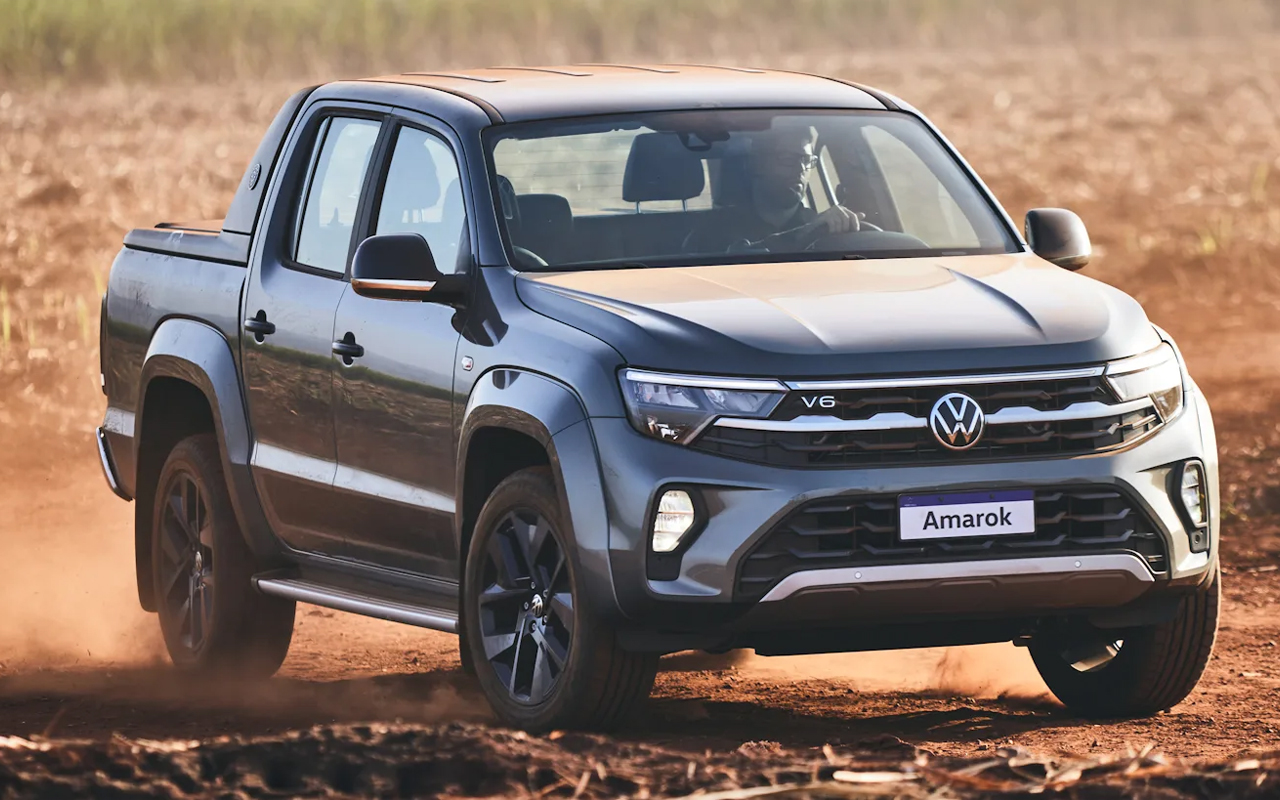
From The Tarok Pickup That Missed The Timing To The ID. Buzz Offered Only By Subscription, Volkswagen Gave Valuable Showcases To Rivals. While The Taos Struggled Against The Compass And Corolla Cross, The Amarok Fell Behind In The Region.
Volkswagen Brazil maintains strength and reach, but the last decade exposed product and channel choices that came at a cost in high-growth segments. In times when the market demanded speed and focus, the brand hesitated, prioritized less scalable formats, or poorly calibrated the positioning of some models, opening space for rivals.
The window for the monocoque pickup competitor to the Toro was identified early with the Tarok, but it remained on paper; the electric showcase of the ID. Buzz came by subscription, with little presence on the streets; the pioneering spirit of the Taigun was aborted when the country was still crawling into subcompact SUVs; the Taos did not establish itself among the leaders of its segment; and the region continued with the old generation of the Amarok while competitors advanced.
Now the manufacturer is accelerating a new cycle of products in Brazil, with significant investments, a focus on electrification and flex hybrid engines, along with regional projects to regain competitiveness in pickups and SUVs. Mapping where the brand stumbled helps understand the adjustments underway and what consumers can expect from the upcoming releases.
-
OMODA & JAECOO grows in Europe in 2026 with an integrated strategy of sales, innovation, local production, and technological advancement in the United Kingdom, Italy, and Spain.
-
OMODA & JAECOO expands after-sales service in Brazil with competitive maintenance, a 7-year warranty, and high availability of parts for technological SUVs.
-
OMODA & JAECOO appoints Alessandra Souza as executive marketing director in Brazil and accelerates brand expansion with a focus on innovation, networking, and hybrid portfolio.

-
Jaecoo 7 with super hybrid SHS system exceeds 1,200 km of combined range with a 1.5 turbo engine, high-density battery, and intelligent energy management.
Missed The Timing Of The Monocoque Pickup Rival To The Toro: The Tarok Case
VW presented the Tarok as a concept at the São Paulo Motor Show in 2018, aiming at the “intermediate pickup” niche that the Fiat Toro successfully opened. The product excited the public and the press, even in the United States, but it never went into production, leaving Volkswagen out of a segment that grew with new rivals.
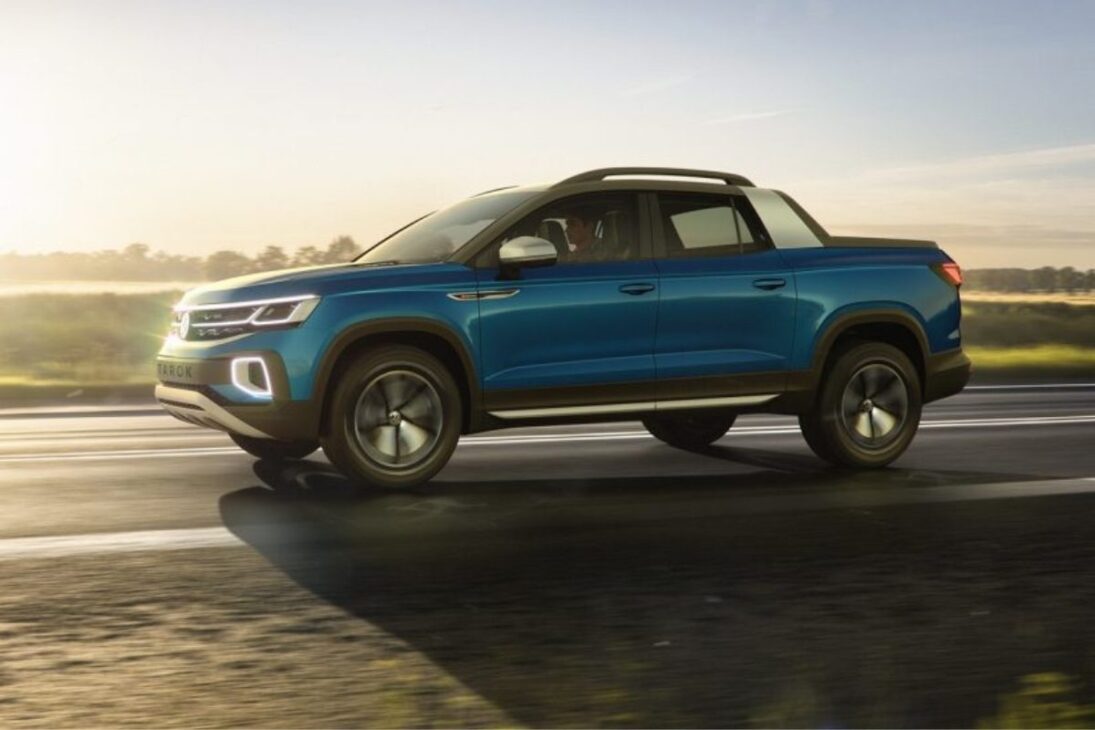
Later reports indicate that the project cooled off during the crisis of 2020 and the impacts of the pandemic, without a launch schedule, while competitors consolidated their position. Result: loss of scale and visibility on the streets in a segment of high consumer interest.
By hesitating, the brand ceded ground just when the market demanded new offerings in the space between compact and medium vehicles. Some publications even treated production as canceled, reinforcing the perception of a missed opportunity.
ID. Buzz Arrived As An Electric Kombi Only By Subscription
Few icons have the emotional appeal of the Kombi. When the ID. Buzz landed in Brazil, Volkswagen chose to offer the model only via subscription in the Sign&Drive program. Monthly fees announced at the time started at R$ 12,990 and reached higher levels, with limited lots. The visibility was great, but the commercial scale was small.
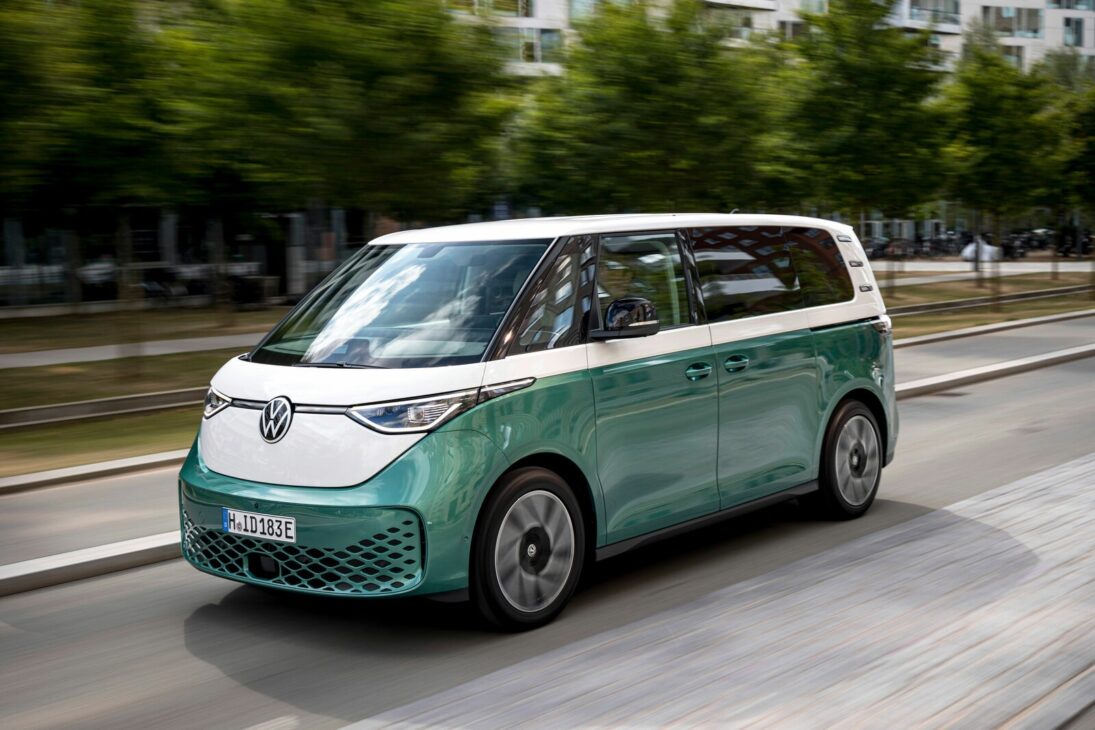
It is true that the rental includes a complete service package and reduces friction for those who just want to use, not own. Still, for such an aspirational product, there was a lack of direct sales to consumers, even in limited quantities, which could have placed more units on the streets and consolidated the image of electric leadership.
In terms of positioning, the message to the market was ambiguous: innovation exists, but access is restricted. In a maturing electrification scenario, channel and pricing choices can define initial adoption and the building of technological reputation.
Canceled The Taigun And Delayed In Having A National Subcompact SUV
In 2012, VW showcased the Taigun, a concept based on the up! that anticipated the boom of subcompact SUVs. The project would be a pioneer among elevated hatches and urban crossovers, but was canceled for size and strategy, according to the communication at the time.
By giving up that pioneering role, Volkswagen made room for rivals to occupy the “core” between hatches and compact SUVs, a niche that today includes models like Pulse, Nivus, and Kardian. The opportunity was there and was identified early, but it did not become a national product in time.
The course correction came later with a robust cycle of investments and the promise of new products and hybrid technologies, albeit with years of delay compared to the initial insight. Timing was again the factor.
Taos Did Not Take Off As Expected In The Medium SUV Segment
Launched in 2021, the Volkswagen Taos aimed squarely at the Jeep Compass and Toyota Corolla Cross, but rarely led the segment. By 2025, market data shows the Corolla Cross breaking records and taking the lead, with the Taos frequently trailing behind the two leaders.
From a technical standpoint, the national Taos is offered with a 250 TSI engine (1.4 turbo flex with 150 hp), which meets everyday use well, but lacks a more “emotional” version with a 2.0 TSI, something that helped the Tiguan in terms of performance perception. On the official website, the line is presented as 250 TSI in the Comfortline and Highline trims. Fact: a narrower portfolio limits arguments.
Another factor cited in evaluations is the finish and package configuration, initially less competitive compared to rivals with more aggressive positioning and features. VW made adjustments, but the initial image damage weighs in competitive markets.
The Amarok Saga: The Region Stayed With A Facelift While The World Advanced
The second generation of the Amarok debuted in 2022, sharing a platform with the Ford Ranger, produced in South Africa and aimed at markets outside South America. Here, VW maintained the previous generation with local updates, which created a perception of delay compared to competitors.
On April 3, 2025, the official turnaround: Volkswagen confirmed a new Amarok for South America starting in 2027, with a US$ 580 million investment in the Pacheco plant, Argentina. Clear message: product developed and produced in the region to meet local preferences.
For the consumer, it matters to know that the brand recognized the gap and announced a concrete plan for product and regional production. Timeline is 2027, which requires keeping the current generation competitive until then.
Arrived Late To The Hybrid Party In Brazil
The Toyota launched in the national market, in 2019, the world’s first flex hybrid with the Corolla and, in 2021, took the formula to the Corolla Cross, which today yields significant volumes and strengthens the lead in 2025. Volkswagen took a long time to have a local response with scale.
The correction came with the announcement of R$ 16 billion by 2028 for Brazil, involving 16 launches and a platform for hybrids. Industry literature and brand executives detail that the strategy prioritizes flex hybrid technologies and gradual electrification in the country. It is the largest cycle in local history, according to recent communications.
In parallel, there are industrial movements to enable engines adapted for hybrid use in Brazil, like the new-generation 1.5 TSI mentioned by the sector. Signal that VW is looking to regain ground in the energy transition with solutions compatible with ethanol.
What Changes Now
The set of these episodes shows a Volkswagen Brazil that got the reading of trends right but missed the timing and execution at key moments. On the positive side, the investment plan announced in 2024 points to more products, new engines, and electrification with a local focus, including a relevant regional product like the Amarok 2027.
Consumers expect hybrid innovations and portfolio updates throughout the 2024–2028 cycle, while the brand tries to rebalance its presence in crucial segments. If it delivers on its promises, VW can reduce the gap created by these six mistakes and compete at the top with more consistency.









-

Uma pessoa reagiu a isso.