





 Portuguese
  English
  Spanish
  3 min of reading
  0 comments


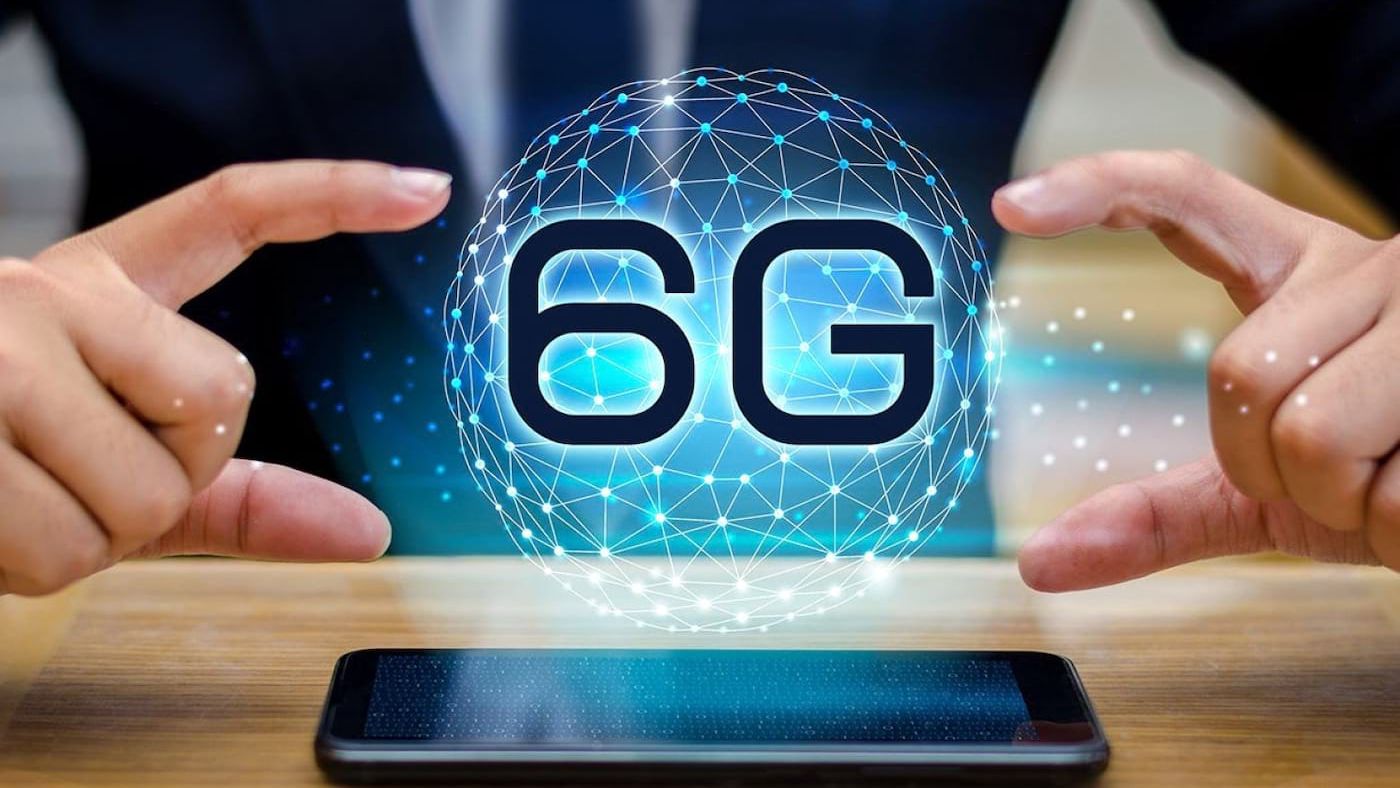
This Technology Promises to Play a Crucial Role in Future 6G Internet Networks, Designed to Automatically Correct Possible Failures
The full implementation of 5G internet in Brazil is still underway, but the country is already preparing for the future with the development of 6G technology. Ericsson, a renowned Swedish multinational in the telecommunications sector, has taken a significant step by patenting a revolutionary self-healing solution for telecommunications antennas, called “self-healing.” This technology promises to play a crucial role in future 6G internet networks.
The Potential of Self-Healing Technology in the 6G Era
In an official statement, Ericsson revealed that self-healing technology will be part of Radio Stripes, an innovative solution still in development. The idea behind Radio Stripes is to connect up to thousands of flexible micro antennas via adhesive tape. The goal is to employ this technology in environments with high population density, such as transportation (buses, trains, planes), soccer stadiums, and concert halls.
Self-healing is designed to automatically correct possible failures in the tape or micro antennas that could compromise the quality of mobile service. This automatic repair capability is essential to ensure that users enjoy a stable and reliable connection in busy and demanding environments.
-
A “silent skill” is allowing Brazilians to earn up to R$ 22,000 per month without a degree and become indispensable for companies that rely on millions of data to survive.

-
Researchers at the Toyota Research Institute found that if a human uses robotic arms to flip a pancake 300 times in an afternoon, the robot learns to do it on its own the next morning, and this is currently the most promising method to solve the biggest bottleneck in modern robotics.

-
Goodbye iron: a common item in households is starting to lose space to technology that smooths clothes in minutes without an ironing board and with less energy consumption.

-
Antarctica reveals an unusual clue high in the Hudson Mountains, and what appeared to be just an isolated rock began to expose a secret hidden under the ice for ages.


Connectivity in 6G: High Speed, Greater Connectivity and Capacity for Simultaneous Connections
Ericsson emphasizes that the implementation of future 6G internet networks will be even more challenging than that of 5G internet. The sixth generation of mobile internet networks will use higher frequencies, which will require the installation of more infrastructure equipment to extend signal range. Here, self-healing technology plays a crucial role.
The greater the number of antennas connected to the tape, the greater the connectivity and the capacity for high-speed simultaneous connections. However, this increase in complexity also brings challenges, as damage to the tape or a micro antenna could impair the connection. This is where the self-healing patent comes into play.
Ericsson explains that if a part of the tape is broken or a micro antenna is damaged, users close to the affected area could lose total or partial internet signal on their electronic devices. However, self-healing proactively works to automatically connect affected users to other parts of the tape that are functioning properly. This helps to compensate for the degradation caused by such failures and ensures that connectivity is maintained.
The expectation is that this innovative technology will be available around 2030, the same period when the activation of 6G internet networks is expected to begin. With self-healing, Brazil positions itself as a significant participant at the forefront of telecommunications technology, contributing to the building of a more connected and resilient future.






Seja o primeiro a reagir!