





 English
  Francês
  Alemão
  Italiano
  Japonês
  Norueguês
  Portuguese
  Spanish
  4 min of reading


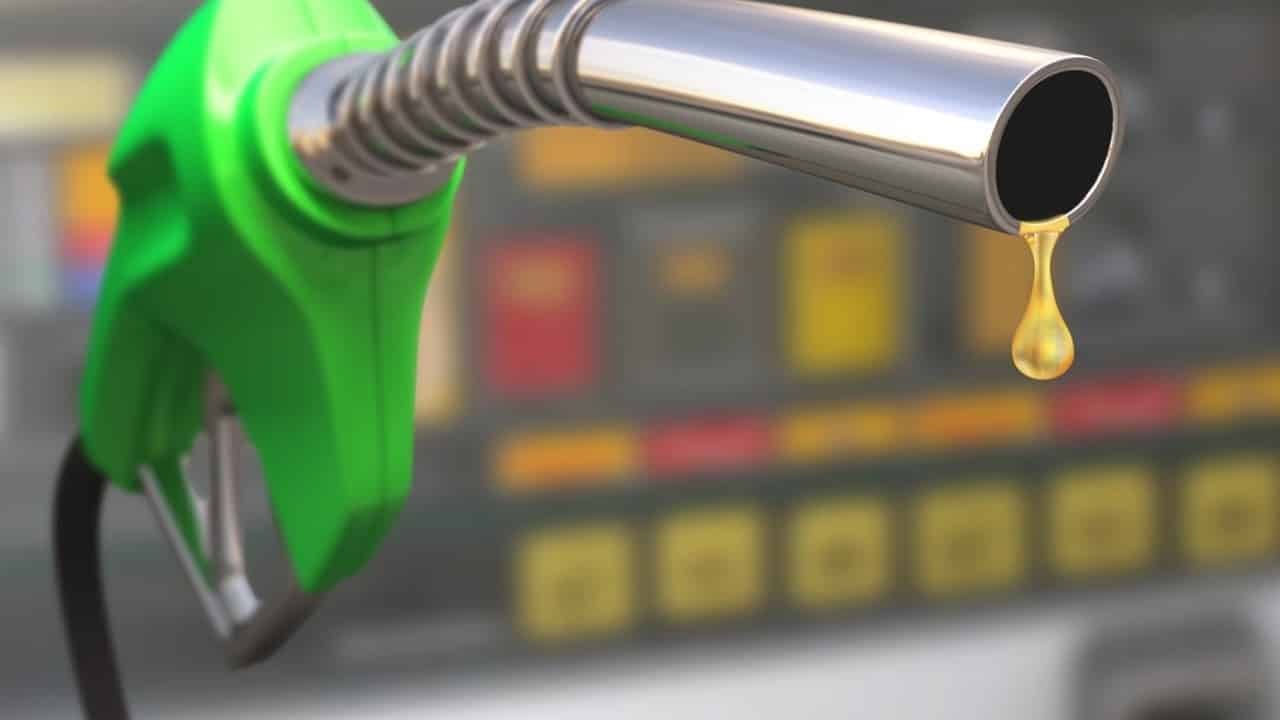
The Biodiesel Auctions Aim to Implement Mandatory Biodiesel in Diesel Fuel Sold to End Consumers.
In the 82nd ANP Biodiesel Auction, 1,072,626,000 liters of biodiesel were auctioned for the mandatory blend. There were no bids for voluntary blending. All of this volume came from producers holding the Social Biofuel Seal. The average negotiation price was R$ 5.907/L, not considering the buyer’s margin, and the total negotiated value reached R$ 6.34 billion, reflecting an average discount of 23.9% compared to the weighted average of the regional “Maximum Reference Prices” (R$ 7.759/L).
See Also
- Pre-Salt Has Record Oil and Gas Production and Surpasses Total Production in Onshore Fields Since 1941
- Radix Wins Contracts from Eneva to Develop the Natural Gas Production Station Project of Gavião Belo; Field Has Potential to Be the Second Largest in the Parnaíba Basin
- Vale-Gas Approved on Tuesday (19/10) by the Senate, Will Use Resources from Royalties, Shared Oil, and Petrobras Dividends
- Portuguese Multinational Galp Bets on Brazil’s Solar Energy and Purchases Projects in Bahia and Rio Grande do Norte
The submission phase for mandatory blend offers took place on 10/04/2021, with 44 producers offering a total volume of 1,369,750,000 liters of biodiesel.
Continuing the Biodiesel Auction process, in the first offer selection stage held on 10/05 and 10/06/2021, 61,830,000 liters of biodiesel were auctioned, exclusively from small producers holding the Social Biofuel Seal, representing 47.5% of the volume offered by these producers and 4.5% of the total offered in the Auction.
-
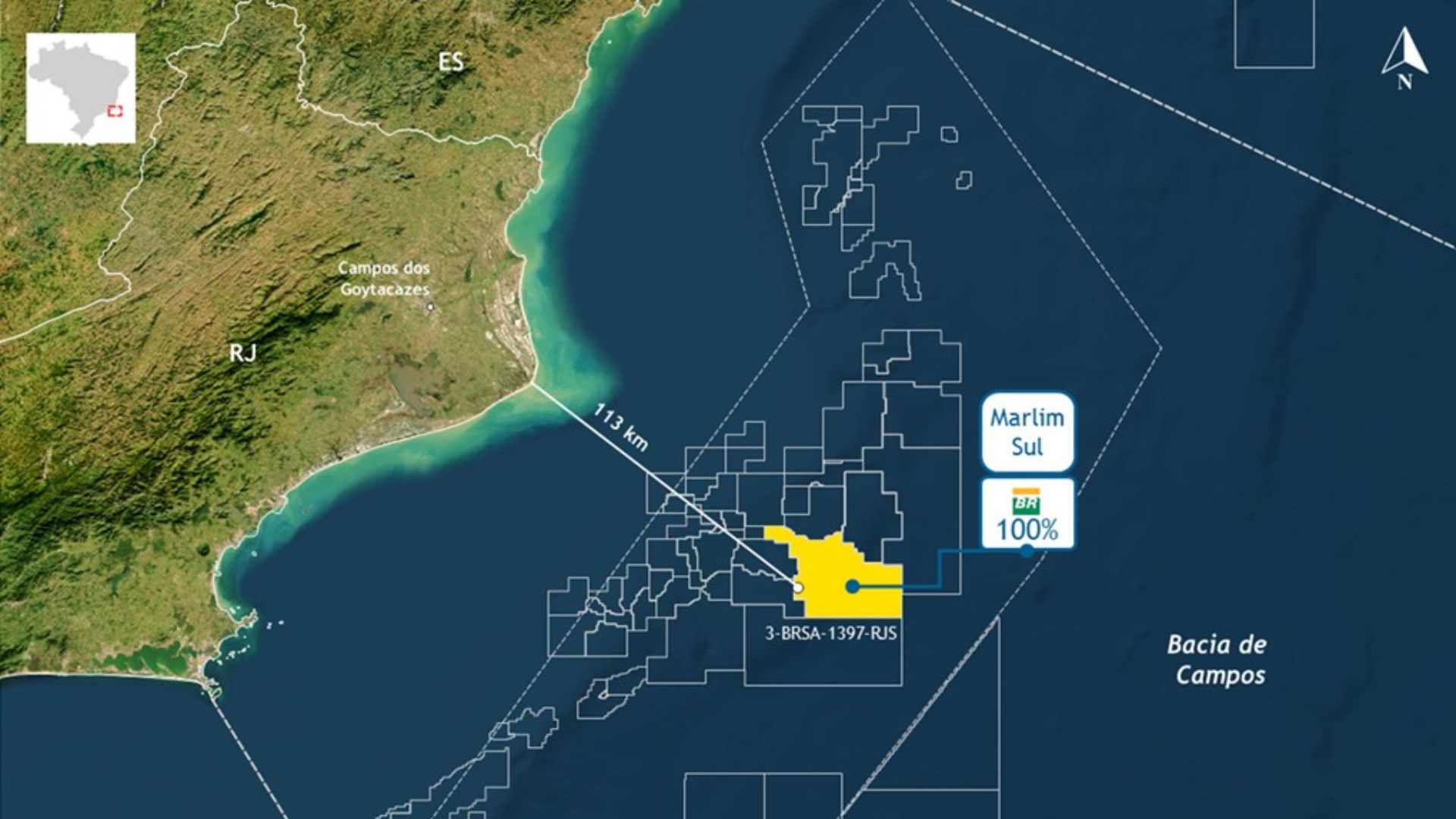
Petrobras finds high-quality oil in the pre-salt at 113 km from RJ and reignites expectations about strategic reserves in the Campos Basin.

-
Ocyan opens registrations for startups focused on innovation in the oil and gas sector and will select projects for Innovation Day with the support of Nexio.

-
Petrobras announces new oil discovery in the pre-salt of the Campos Basin and reinforces Brazil’s prominence with high-quality reserves that can increase production and energy revenues.
-
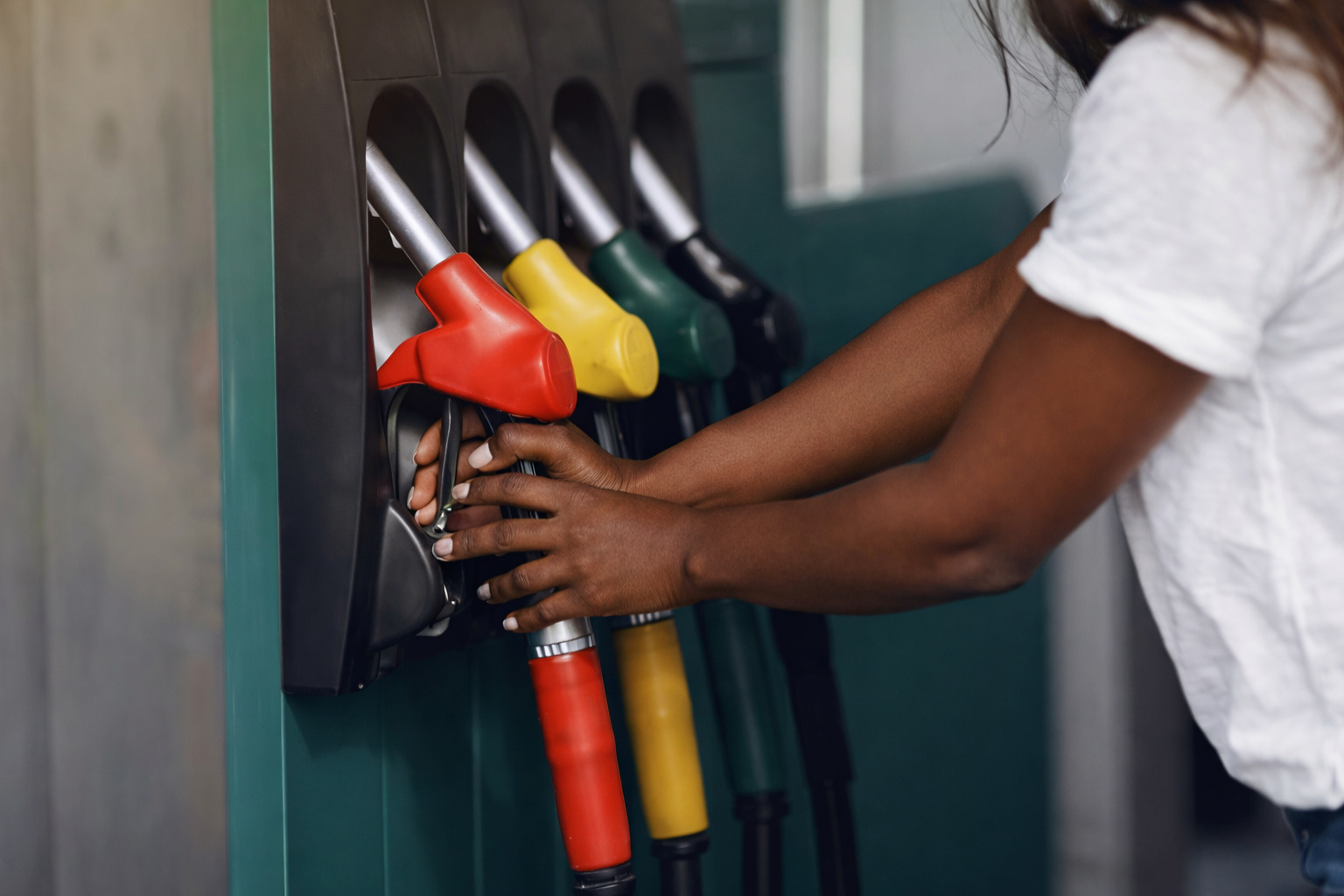
Alert in the fuel market: Analysts and a former director of ANP warn that oil prices may worsen in the coming months due to global instability.

On 10/07, 10/08, and 10/13/2021, 899,180,000 Liters of Biodiesel Were Auctioned
In the second offer selection stage, held on 10/07, 10/08, and 10/13/2021, 899,180,000 liters of biodiesel were auctioned, exclusively from producers holding the Social Biofuel Seal, representing 65.6% of the total volume offered in the Auction.
In the third offer selection stage, held on 10/14/2021, 111,616,000 liters were auctioned, representing about 8.1% of the total offered in the Auction.
The process of submitting biodiesel offers by the plants and selection by distributors for voluntary blending occurred on 10/15/2021. A total of 4,000,000 liters were made available, 100% from producers holding the Social Biofuel Seal, which represented 1.3% of the total unsold supply for mandatory addition. There were no effective negotiations in this stage.
The Biodiesel Auctions aim to comply with Law No. 13,263, of March 23, 2016, and CNPE Resolution No. 16, of October 29, 2018, to implement the schedule for the mandatory blending of biodiesel into diesel fuel sold to end consumers.
It should be noted that the 82nd Auction (L82) aims to ensure the supply of biodiesel in the national market during the period from November 1 to December 31, 2021, according to the criteria established in Public Auction Notice No. 005/21-ANP.
See the Certified Results of L82 on the Biodiesel Auction Page
Biofuel: Understand How the Substitute for Fuels Derived from Oil, Such as Natural Gas, Gasoline, and Diesel, Promises to Change Humanity’s Destiny
Brazil Becomes a Global Protagonist When It Comes to Ethanol and Biodiesel Production – the Biofuel That Came to Replace Natural Gas, Gasoline, and Diesel, and Promises to Change the Course of Humanity. The Country Has Become a Global Reference in an Urgent Search for Alternatives to Curb Greenhouse Gas Emissions, the Energy Transition, that is, the Shift from an Energy Matrix Focused on Fuels Derived from Oil to One With Low or Zero Carbon Emission, Based on Renewable Sources, is One of the Major Global Focuses.
In This Journey Toward the Adoption of Other Energy Matrices, Biofuel Is One of the Viable Alternatives for Various Sectors of the Economy. Produced From Biomass, Such as Sugarcane and Vegetable Oils, or Organic Waste, Residential and Industrial, Biofuel Is a Substitute for Fossil Fuels, Such as Natural Gas, Gasoline, and Diesel.
Brazil Is One of the Most Advanced Countries When It Comes to Biofuels and a Global Reference in Ethanol and Biodiesel Production, Derived from Biomass. The Former Is Made Through Fermentation of Sucrose from Agricultural Plants Like Sugarcane. Biodiesel, On the Other Hand, Is Produced From Vegetable Oils (Such as Soybean and Sunflower).
Both Are Renewable Sources, and Their Combustion Produces Fewer Gases and Particles Than Fossil Fuels. Furthermore, Their Plantations Consume CO2 Throughout Their Lifecycle, Generating a Carbon-Neutral Cycle. Thus, the Environmental Impact Is Minimized. In Fact, All Fossil-Derived Diesel Produced in the Country Receives a Mandatory Addition of 13% Biodiesel, Which Serves as a Mitigation Source for Emissions.








Seja o primeiro a reagir!