





 Portuguese
  English
  Spanish
  4 min of reading
  1 comment


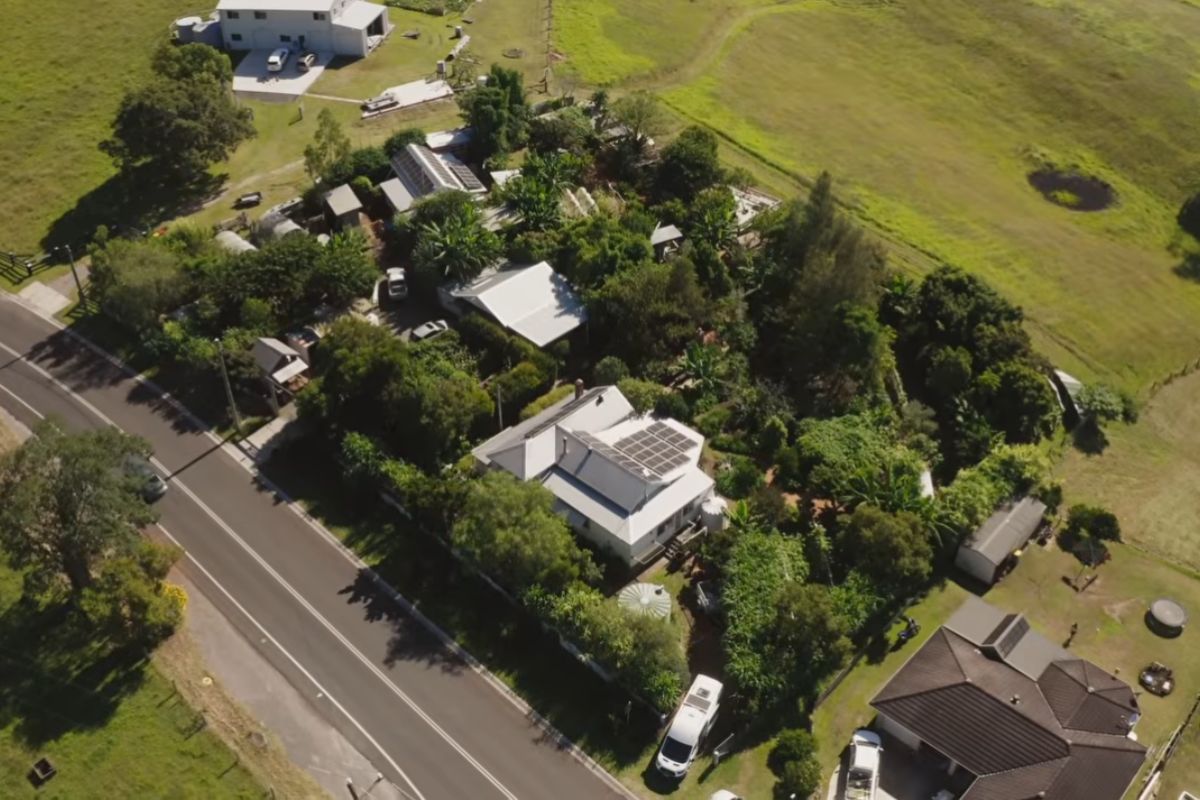


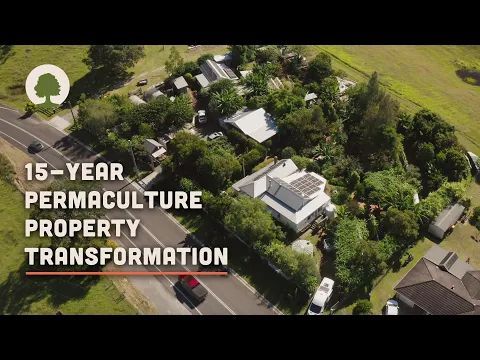
In Stroud Road, New South Wales, Brett and Nici transformed 1 acre into a permaculture farm over a decade, water and energy became conserved, microagriculture gained commercial scale, and the courses attracted neighbors, creating a community that supported production, learning, and family health.
The story of a permaculture farm on 4,000 m² often seems simple when told from the outside: a piece of land, a few trees, garden beds, and a family willing to work. What changes everything is the method, not the courage. Here, the method was to build useful relationships between soil, water, food, and routine, until the place ceased to be arid pasture.
The starting point was not a rural aesthetic, it was necessity. Nici faced health issues, and the family’s attention sharpened regarding what went onto their plates. The promise was practical: to grow food, reduce dependencies, learn to read patterns, and then open what worked for others.
From Arid Pasture to Productive Landscape

The permaculture farm started as a plot with a house, a few sheds, and a couple of trees, surrounded by dry pastures.
-
The sugar-energy sector advances with agricultural technology, but agricultural productivity still raises concerns.

-
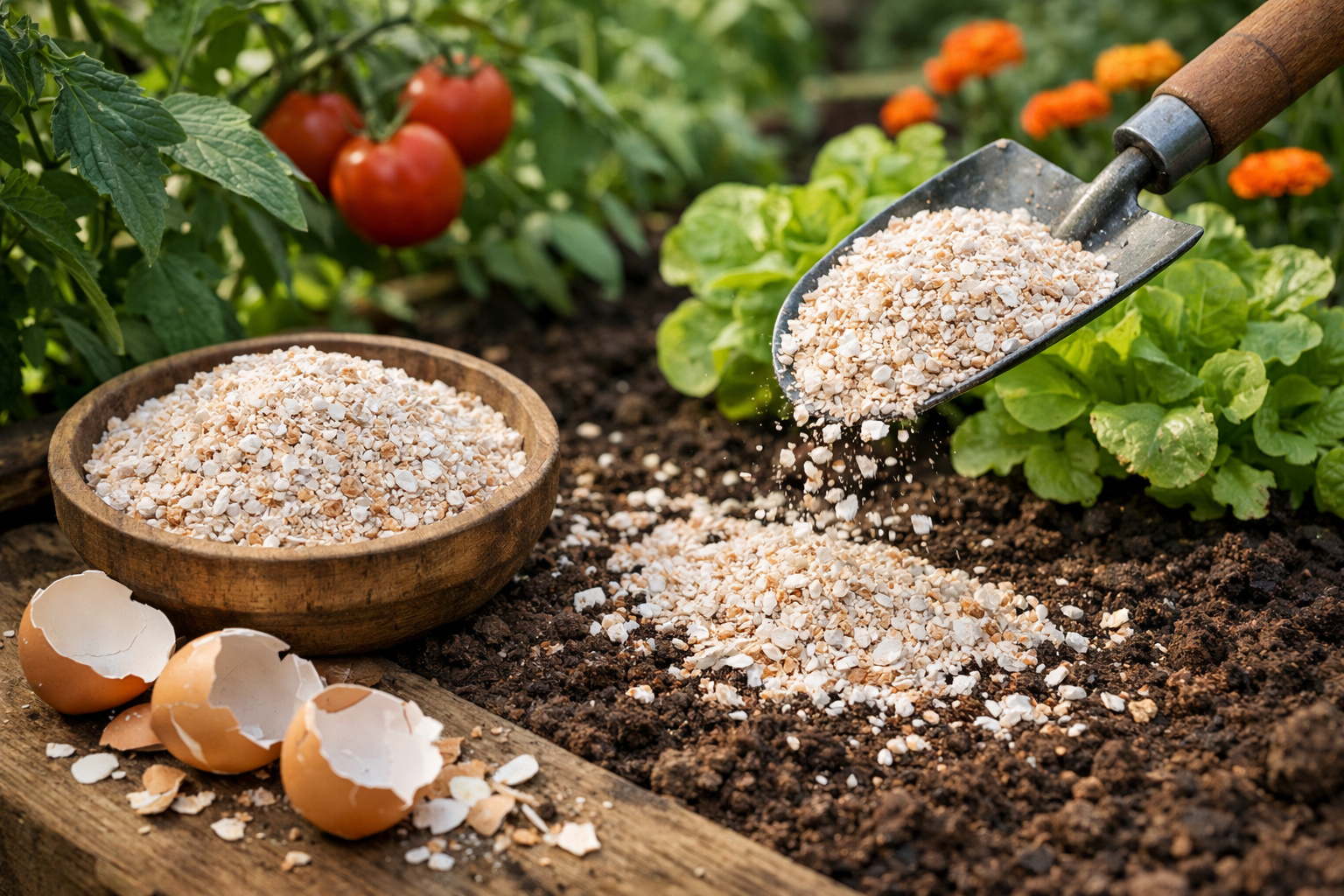
The eggshell that almost everyone throws away is made up of about 95% calcium carbonate and can help enrich the soil when crushed, slowly releasing nutrients and being reused in home gardens and vegetable patches.
-
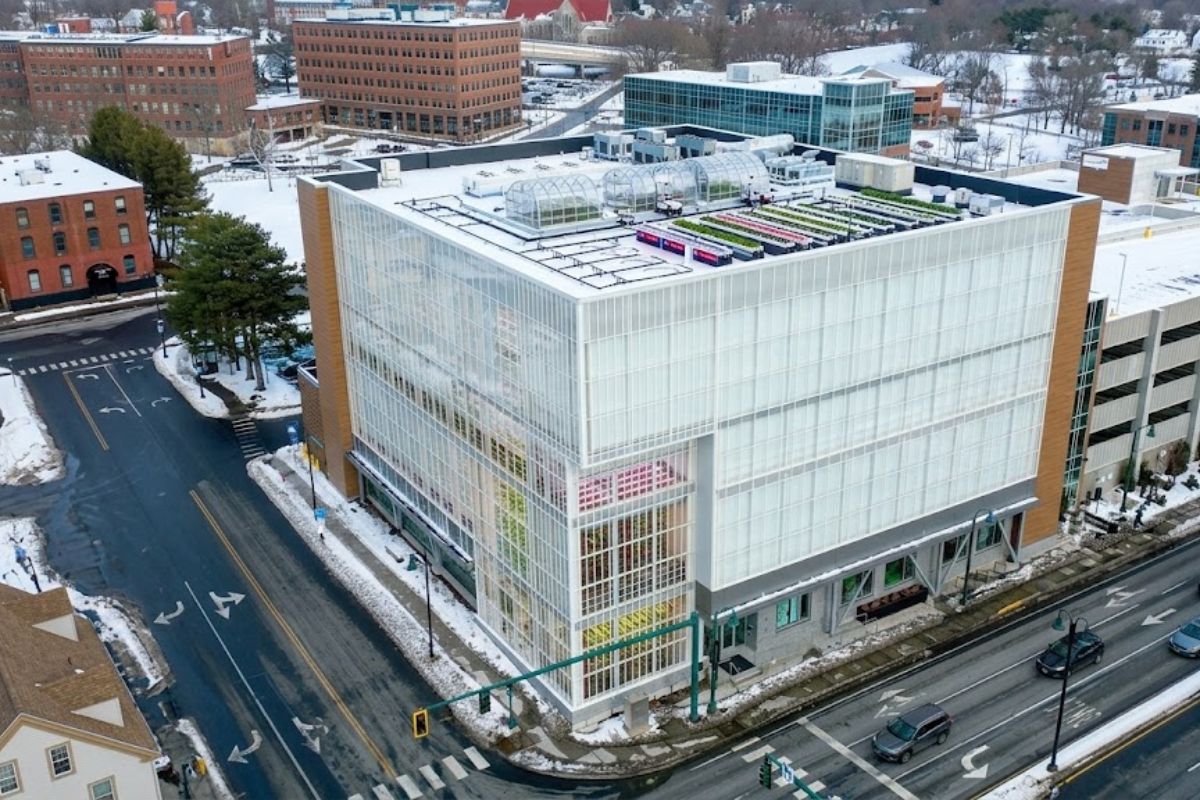
This farm in the United States does not use sunlight, does not use soil, and produces 500 times more food per square meter than traditional agriculture: the secret lies in 42,000 LEDs, hydroponics, and a system that recycles even the heat from the lamps.
-
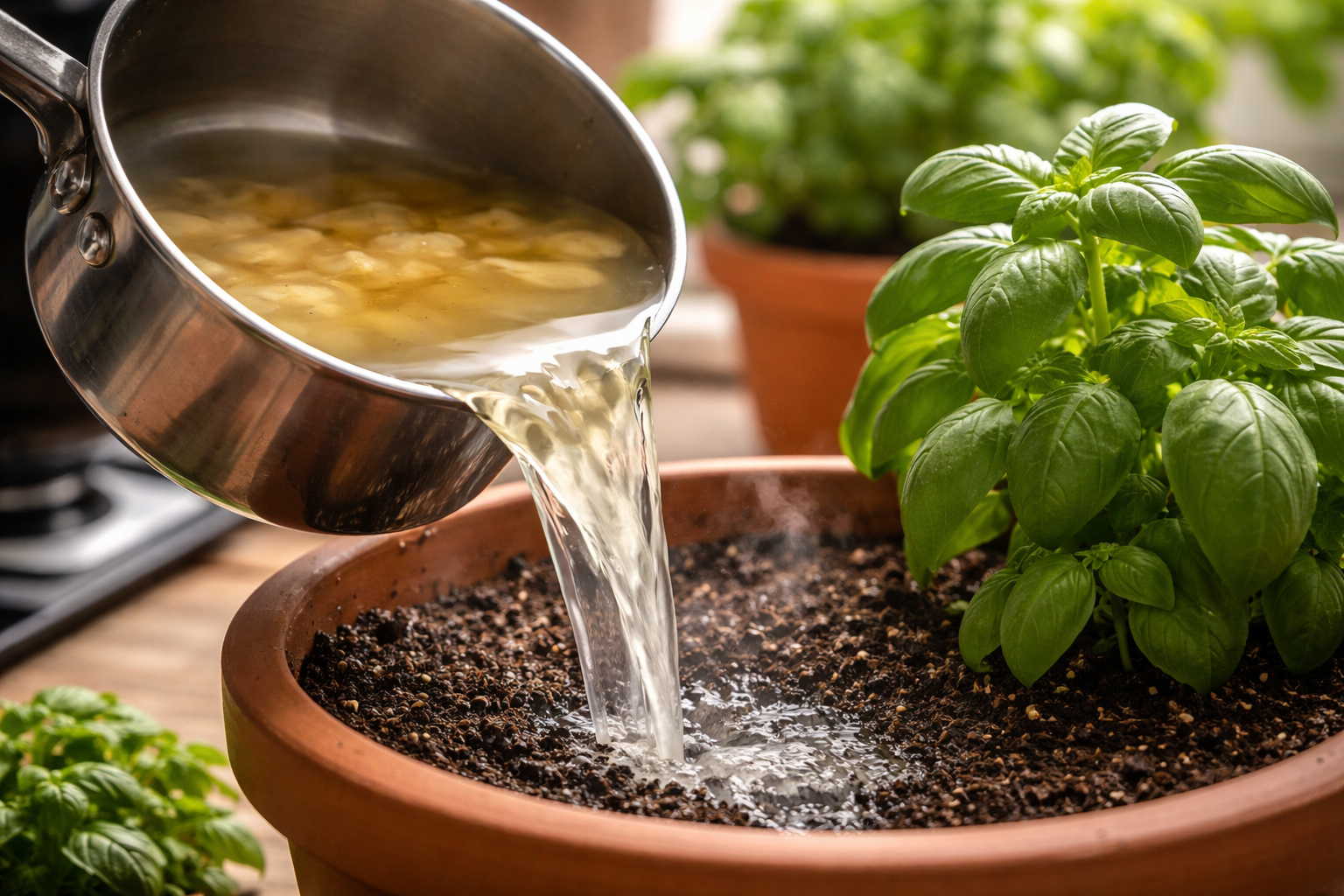
The water that almost everyone throws away after cooking potatoes carries nutrients released during the preparation and can be reused to help in the development of plants when used correctly at the base of gardens and pots, at no additional cost and without changing the routine.

The turnaround took years because the goal was not just to plant; it was to make the place produce steadily. In permaculture, haste often proves costly: the mistake shows up in the next season.
The leap from “large backyard” to microagriculture required a sequence.
The family describes this sequence as a way to organize priorities from what is more permanent to what is easier to change: climate, topography, water, access, structures, and only then details. The practical effect is to reduce rework and accelerate what truly yields.
Design Before the Hoe

The permaculture farm was designed based on orientation and terrain, with a gentle slope and favorable exposure.
There is also a climatic data point cited as a local reference: about 1,100 mm of rain per year. This does not solve anything alone, but defines limits and opportunities. Rain is a resource when it is retained, and a problem when it leaves quickly.
This is where water and energy conservation choices come in as routine, not as a one-time project.
Instead of relying on costly and late solutions, the logic was to structure the use of space so that movements, irrigation, and daily management require less effort. When the routine gets lighter, the system can last longer.
Microagriculture and Commercial Horticulture on 4,000 m²

The size, 4,000 m², is part of the impact because it counters a common myth: that consistent production depends on hectares.
Microagriculture appears here as well-planned intensity, with beds and management capable of sustaining frequent and predictable harvests. The square meter becomes a decision unit.
Commercial horticulture enters as a consequence of regularity. When the family manages to harvest consistently, it becomes possible to sell, trade, supply events, and maintain an offer that does not rely on a single peak harvest.
At this point, the permaculture farm stops being a “domestic experiment” and becomes a small, but real operation, with a choice of priorities and time counted.
Courses and Community as Invisible Infrastructure
The courses appear as another pillar of the model.
The family does not treat this as marketing, but as an extension of what was learned in practice, and as a way to give back to the surroundings part of what the community itself offers.
Without people around, the farm becomes an island; with people, it becomes a network.
There is a concrete detail of this network: gatherings with dozens of people, for instance, an event noted with around 60 participants, celebrating years of farming and years of teaching.
The presence of the community is not just affection, it is logistics: support in collective work, exchange of seeds and food, circulation of knowledge, and, above all, continuity.
The Routine That Affects Family Health

The permaculture farm is also, on a daily basis, a food system.
The reported health change in the family is linked to fresh, organic food, repeated, common, harvested and prepared consistently.
Nici describes this as a process of recovering base, especially digestion and well-being, with a central point: building soil to build food.
This type of routine comes at a cost, and is not romanticized. Living and producing in the countryside is described as exhausting, with physical work and repetition.
The gain does not come from ease; it comes from daily intention and from a place that returns the effort in food, landscape, and autonomy. In ten years, this repetition is what transforms arid pasture into 4,000 m² of productive land.
The story of Limestone Permaculture Farm stands out because it puts a fact on the table: a permaculture farm can start on a domestic scale, turn into microagriculture, sustain commercial horticulture, and still become a space for courses and a strong community, as long as the design guides the routine.
I want to hear from you about something very specific: if you had 4,000 m², would you start with food, water, or community? And, if you live in a city, what would be your possible version of a permaculture farm on 1 square meter today?









Ótima iniciativa, agora terão mais saúde, eu tenho esse pensamento, mas o dinheiro não o acompanha, a manutenção da terra para plantio depende no início de muito trabalho e gastos, depois alto se paga, porque pode trocar o que plantou com outras safras.