





 Portuguese
  English
  Spanish
  3 min of reading
  0 comments



A Bill Aims to Allocate 20% of Oil Royalties from the Amazon River Mouth to SUS and Nursing Valuation, Driving Debates on Health and Energy Exploration.
The possible exploration of oil at the mouth of the Amazon River has become contested not only by energy companies but also by health sectors.
A bill currently in the Chamber of Deputies aims to direct part of the royalties from this future production to finance hospitals, medications, and nursing professionals.
The proposal arises amid debates on how to use the country’s natural resources. While part of society discusses environmental risks, others demand that oil money generates direct benefits for the population.
-
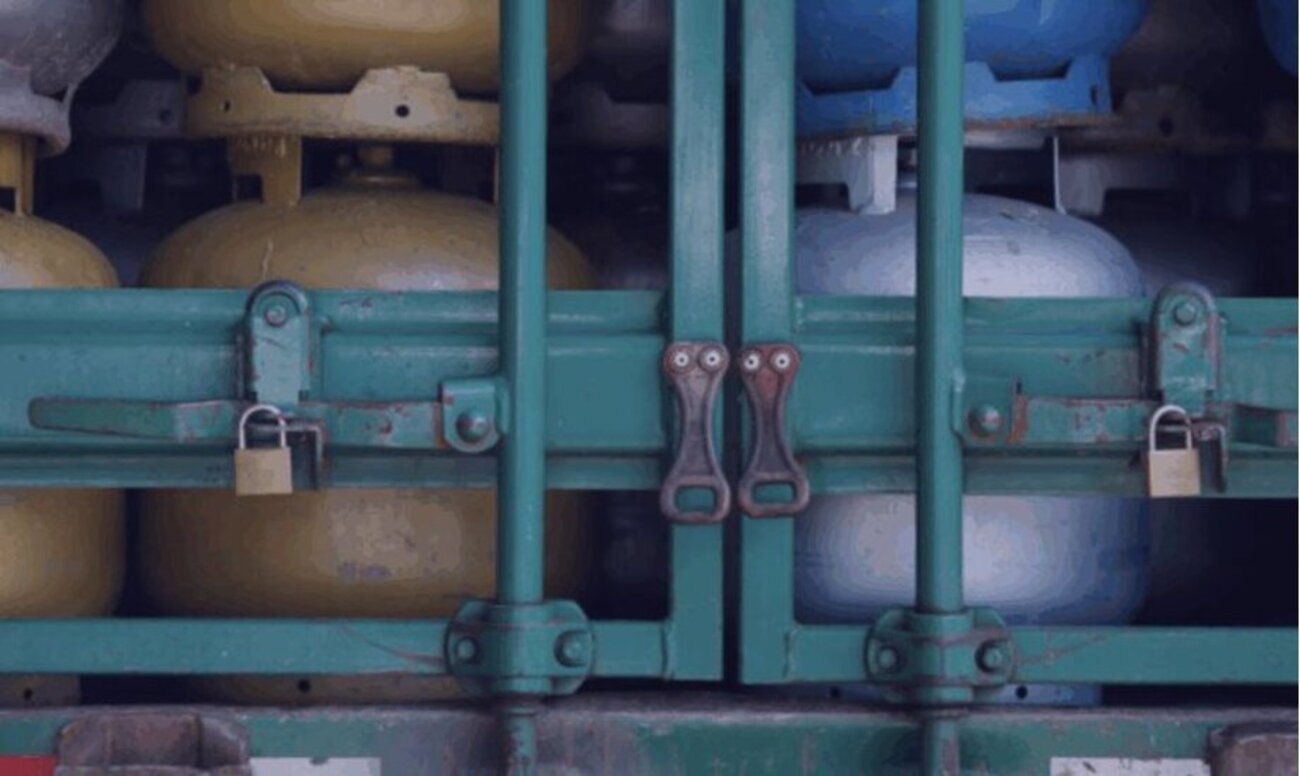
Petrobras evaluates suspension of sales to distributors and considers canceling the cooking gas auction following guidelines from the Federal Government.
-
Lula reveals a masterstroke by Petrobras to undo a deal made by Bolsonaro, which involves the return of an important refinery that currently produces less than half of what was expected and makes Brazil dependent on international diesel.

-
A study confirms that the natural gas sector will reduce greenhouse gas emissions in Brazil by 0.5% and accelerate the energy transition by 2026.

-
Petrobras implements a severe adjustment and confirms a 55% increase in the price of aviation kerosene with a proposal for installment payments for the companies.


How Oil Money Would Be Divided
Bill 5542/25 stipulates that 20% of royalties from the exploration of oil and natural gas in the Equatorial Margin, where the mouth of the Amazon is located, should be allocated to the Unified Health System.
According to the text, the collected amount would be managed by the National Health Fund. In addition, the distribution of resources is clear.
Half of the money should go toward the purchase of supplies, equipment, and medications that keep public units functioning.
The other half will be used for policies to value nursing, including programs that support the category’s 30-hour work week.
Authorship and Defense of the Project
The proposal is from Congresswoman Nurse Ana Paula, who asserts that the oil from the Amazon region needs to generate lasting benefits for the population.

“The measure will contribute to reducing regional inequalities and improving services provided to the population,” she says.
When speaking about health professionals, she also stated that the valuation of nursing “is a measure of social justice and strengthening of care quality.”
The Brazilian Equatorial Margin, which includes the mouth of the Amazon, is seen as a new frontier for oil in the country. The expectation of large reserves means that the region is being closely monitored by companies and the government.
On the other hand, the area is also the subject of environmental alerts. Therefore, each decision regarding exploration sparks intense reactions.
In this scenario, the project aims to transform part of this future wealth into direct investment in public health, which could change the way oil royalties are used in Brazil.
SUS and Nursing at the Center of the Dispute
The Unified Health System faces constant challenges. Lack of equipment, medications, and professionals is a reality in several regions.
With the proposal, part of the oil money would be used precisely to alleviate these pressures. The expectation is that hospitals can buy more supplies and improve care.
At the same time, nursing, which represents one of the largest workforces in health, could receive resources for valuation policies, something supported by unions and entities in the category.
The project is still under review and remains in a conclusive stage. It will be evaluated by several committees in the Chamber of Deputies, including those for the Amazon and Indigenous Peoples, Mines and Energy, Health, Finance and Taxation, as well as Constitution and Justice.
After that, if approved, it will still need to pass through the Senate to become law.
What is your opinion about the proposal? Should profits from oil be allocated to SUS, or are there areas in Brazil that need it more?









-

-

3 pessoas reagiram a isso.