





 Portuguese
  English
  Spanish
  4 min of reading
  0 comments


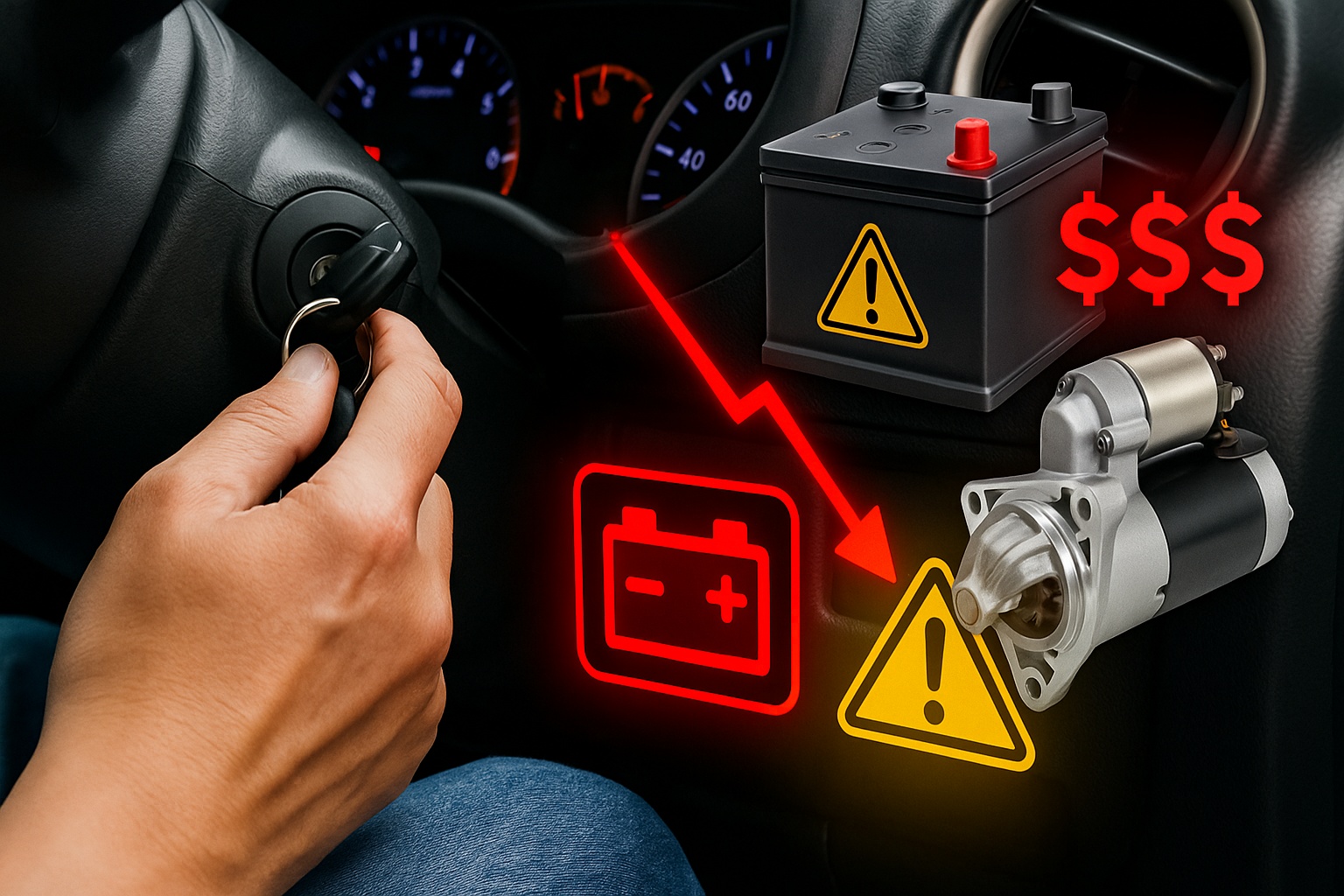
Avoid High Repair Costs: Discover How to Identify Starting Failures, Signs of a Weak Battery, and a Failing Starter Motor. Practical Tips for When Your Car Won’t Start
The error when starting is more common than many drivers imagine and can lead to serious damage to the vehicle. Recurring failures in the starter motor or battery problems can result in expenses of up to R$ 3 thousand, including replacement of the starter motor, battery, and any electrical repairs. With the popularity of modern cars that rely on complex electrical systems, it is essential to know the right precautions when starting the car and to identify early signs of failure.
Below, we will address the main factors that lead to starting failures, the care needed for the battery and starter motor, as well as practical tips to prolong the lifespan of these components and avoid high expenses.
Failing Starter Motor and Discharging Battery: How Do They Work and Relate?
The starter motor is responsible for turning the engine until it runs autonomously. It directly depends on the battery to provide the necessary energy at the moment of starting. When there is a weak battery or electrical problems, the starter motor undergoes excessive strain, which can lead to premature wear of the brushes and solenoid, resulting in difficulty starting or even a complete blockage of the start.
-
A French brand placed a car on four huge red balloons to prove that its suspension made the vehicle “float,” and the surreal scene became one of the most iconic and unusual images in automotive history.
-
Jeep Avenger begins production in Brazil, debuting as the brand’s new entry-level SUV and inaugurating an unprecedented phase by becoming the first national Jeep manufactured outside of Goiana, as part of a R$ 3 billion plan.
-
Costing R$ 12,490, the new Shineray Urban Lite 150 “cheap one” arrives in Brazil with a CVT transmission, digital dashboard, and LED lights, making it more affordable than the Biz and targeting those who want to abandon the bus.
-
Ducati brings to Brazil the Superleggera V4 Centenario: 228 hp that become 247 with a track kit, carbon fiber and carbon-ceramic brakes, estimated price between R$ 1.5 and 2 million, deliveries only in 2027.


In turn, the battery is also susceptible to damage if the starter motor fails. A motor with slow rotation due to worn brushes or corroded connections requires more energy, which can speed up battery discharge and decrease its lifespan. Therefore, maintaining these two components is essential to ensure reliable starts and avoid costly repairs.
Main Causes of Problems When Starting the Car
Identifying the origin of problems when the car won’t start is crucial to avoid losses. Among the most common factors are:
Weak or Discharging Battery
Studies by Midtronics indicate that approximately 30% of starting failures are directly related to the discharging battery. Corroded terminals, excessive use of accessories, or long periods without use can compromise the charge, making the vehicle more susceptible to starting failures.
Failing Starter Motor
A starter motor with worn brushes, a defective solenoid, or a jammed gear can cause difficulty starting. Symptoms include noise when turning the key or the motor turning slowly without starting. Ignoring these signs increases the risk of battery overload and irreversible wear of the starter motor.
Alternator Problems
The alternator is responsible for recharging the battery while the car is running. An alternator with below-par performance can prevent the battery from maintaining sufficient charge, causing repeated starting problems. Monitoring the alternator’s performance is crucial, especially in older vehicles.
Poor Electrical Installation
Loose connections, worn wires, or poorly installed electrical accessories cause current loss and may overload both the battery and the starter motor, leading to starting failures. Periodic electrical inspections help identify and correct problems before they cause more serious damage.
Other Factors That Can Affect Starting
Defective ignition switches and blown fuses can also prevent the car from starting. Additionally, using electrical accessories while the car is off—such as the sound system and headlights—can accelerate battery wear, increasing the chance of an error when starting.
Difficulty Starting: How to Identify a Failing Starter Motor or Weak Battery?
Paying attention to the signs helps prevent severe damage. The main symptoms include:
- Difficulty starting right after turning the key;
- Clicking or buzzing noises when trying to start the engine;
- Rapid drop in battery charge, even after recent recharging;
- Weak or blinking dashboard lights;
- Intermittent starts that only work after several attempts.
Detecting these indications early prevents the problem from evolving into serious failures in the starter motor or total battery discharge.
Correct Step-by-Step to Avoid Starting Errors
Following good maintenance practices is essential to prolong the lifespan of the battery and starter motor. Here are the recommendations:
Check the Battery Regularly
Check the charge and health of the battery every six months. Clean terminals and connectors to prevent corrosion.
Avoid Excessive Engine Cranking
Consecutive starts without intervals overload the starter motor. Wait a few minutes between attempts.
Inspect the Starter Motor
Look for noises or slowness. If you notice signs of wear, consult a specialized automotive electrician.
Keep the Alternator in Good Condition
Conduct preventive electrical reviews to ensure the battery is being charged correctly.
Avoid Excessive Use of Accessories with the Engine Off
Sound systems, headlights, or chargers can drain the battery, increasing the risk of problems where the car won’t start.
Consult Qualified Professionals
Persistent problems require specialized diagnosis. Poorly made replacements can lead to even higher costs.
Avoiding Losses and Eliminating Difficulty Starting
Keeping the battery and starter motor in good condition ensures that your vehicle is always ready to go, reducing the chance of starting failures and unexpected expenses. Furthermore:
- Periodic maintenance prevents electrical overload;
- Ensuring clean connections prevents energy loss;
- Caring for the alternator and starter motor reduces the incidence of problems when starting the car;
- Preventive replacement of worn components avoids high expenses on original parts.
Investing in electrical reviews and battery inspections is an efficient way to protect your car and maintain reliable starts, even in older vehicles.









-

-

-

-

-

-

79 pessoas reagiram a isso.