





 Portuguese
  English
  Spanish
 3 min of reading
  0 comments


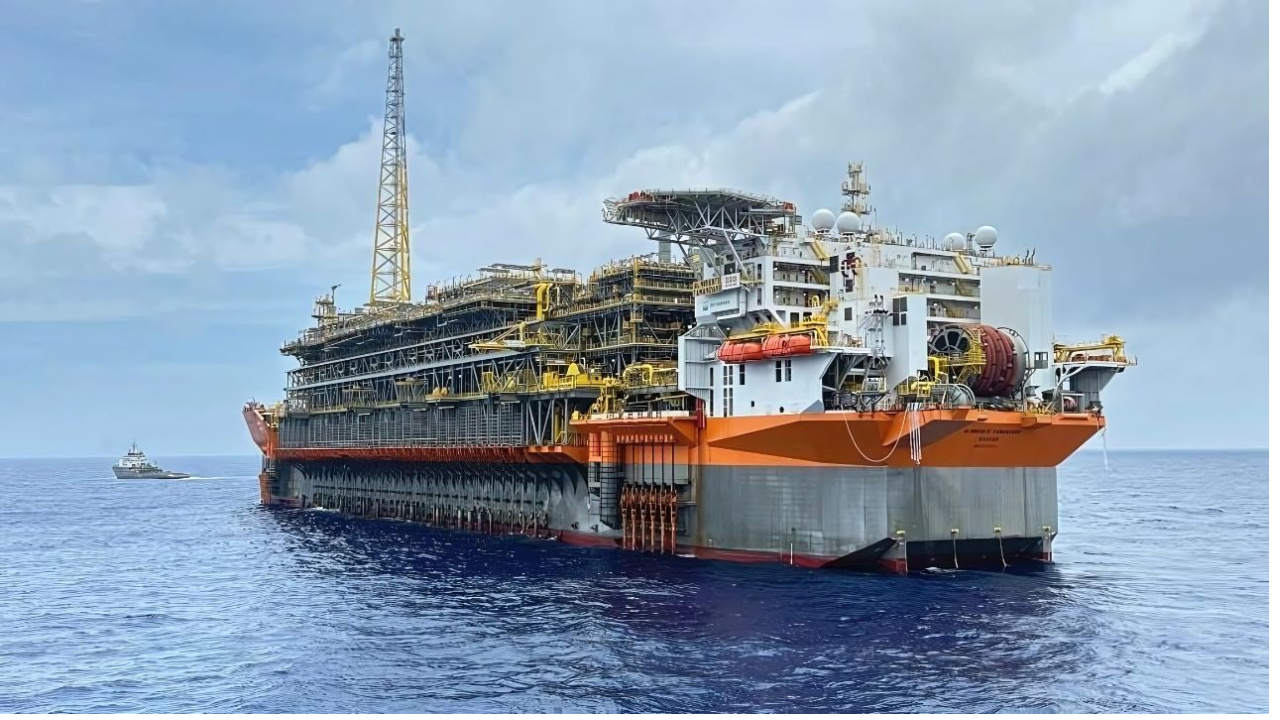
Government Releases Over R$ 2 Billion to Build Six Support Vessels for Oil in Brazil. Project Involves Petrobras, BNDES, and Should Generate Hundreds of Jobs in Santa Catarina.
The oil sector is back in the federal government’s spotlight following the decision to authorize the construction of six large vessels to operate in offshore exploration.
The measure, which mobilizes more than R$ 2 billion in public and private funds, promises to strengthen Petrobras’s structure while simultaneously having a direct impact on the Brazilian shipbuilding industry.
At the same time, the project arises amid pressure for more investments and job creation, especially in regions outside the Rio–São Paulo axis.
-
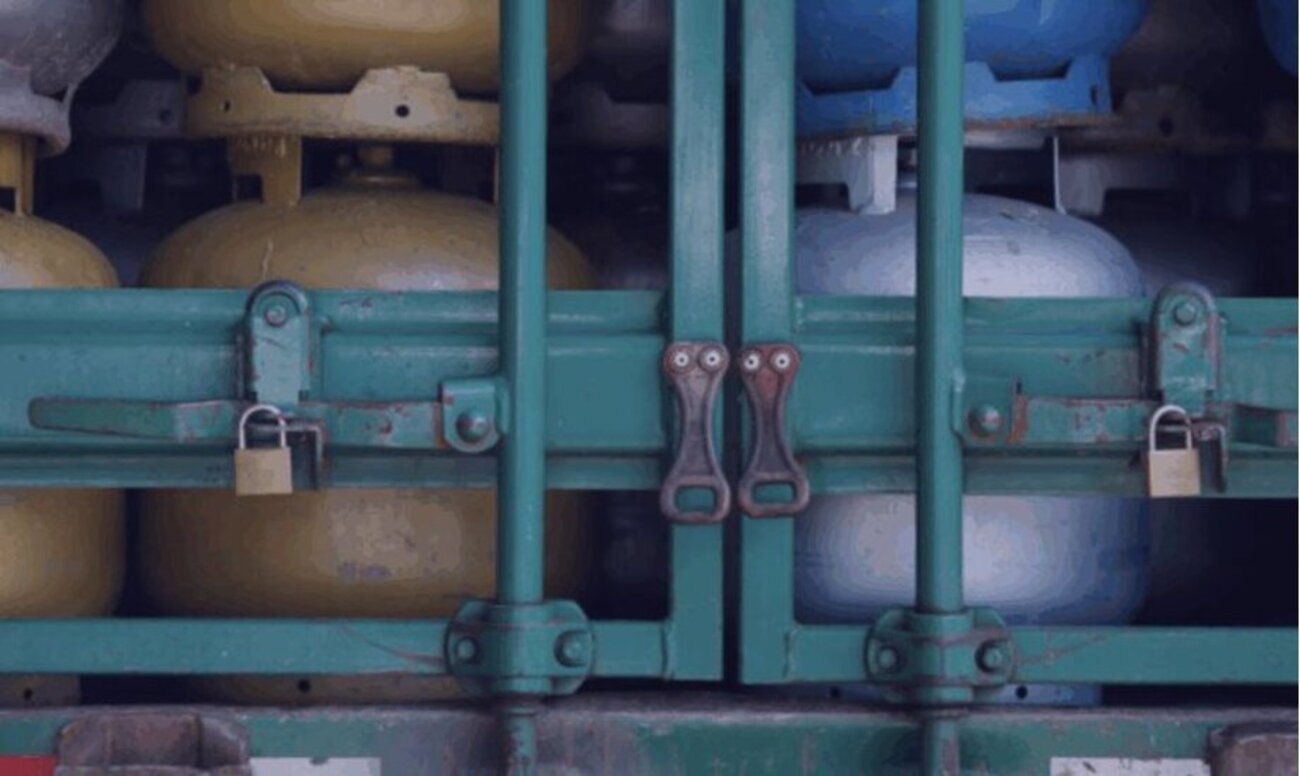
Petrobras evaluates suspension of sales to distributors and considers canceling the cooking gas auction following guidelines from the Federal Government.
-
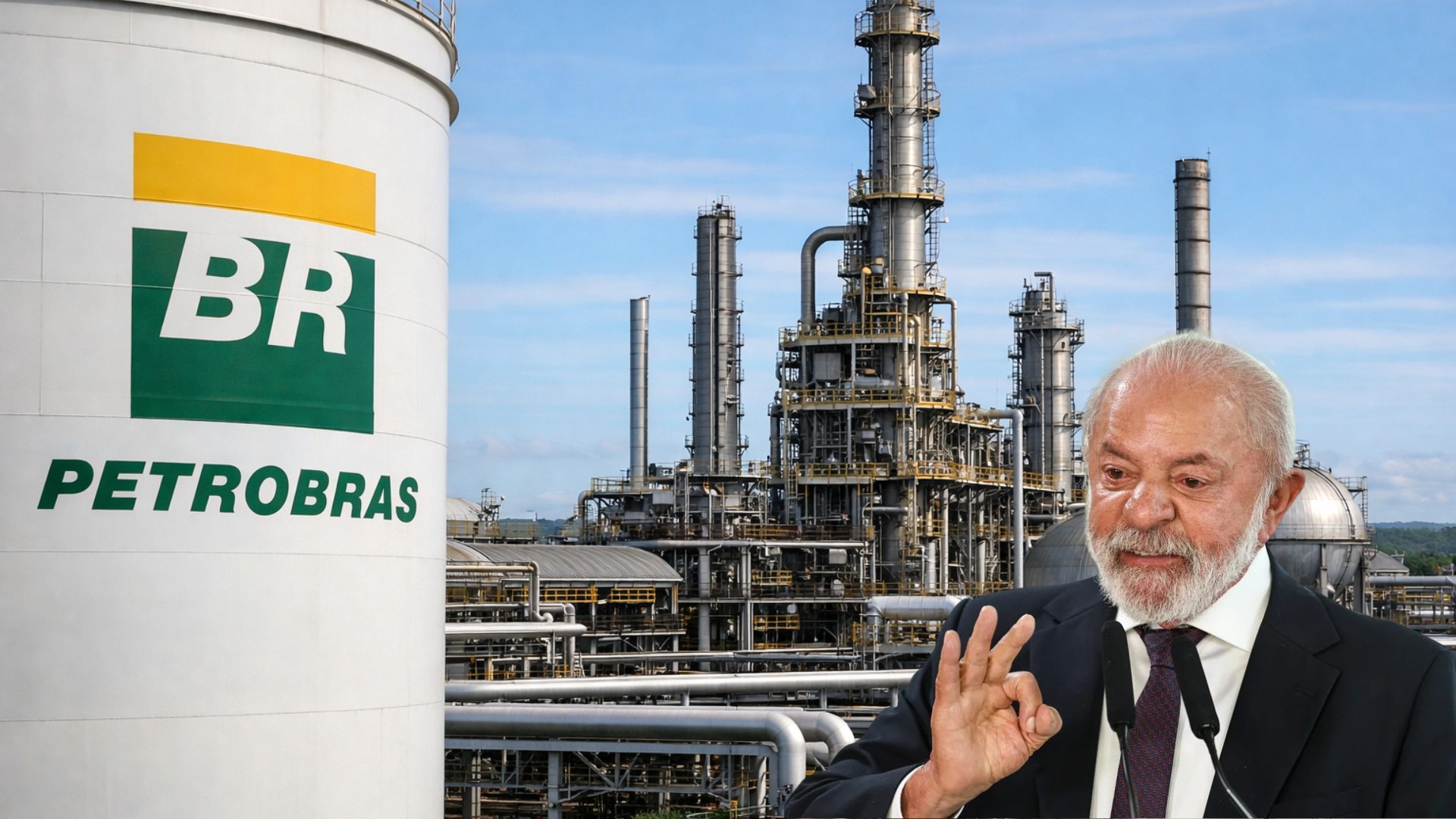
Lula reveals a masterstroke by Petrobras to undo a deal made by Bolsonaro, which involves the return of an important refinery that currently produces less than half of what was expected and makes Brazil dependent on international diesel.
-
A study confirms that the natural gas sector will reduce greenhouse gas emissions in Brazil by 0.5% and accelerate the energy transition by 2026.

-
Petrobras implements a severe adjustment and confirms a 55% increase in the price of aviation kerosene with a proposal for installment payments for the companies.


Therefore, the choice of Santa Catarina to host the construction attracts attention from the market and political leaders.
Support Vessels for Oil Will Strengthen Petrobras
The six vessels approved by the government are of the PSV 5000 type, used to transport cargo, equipment, and supplies to oil platforms offshore.
In practice, these vessels function as true bridges between the mainland and Petrobras’s maritime operations.
Moreover, the new vessels will bring technology that is considered advanced for national standards.
They will be equipped with hybrid propulsion systems, capable of operating with different fuels and even batteries, allowing for greater efficiency and less pollution.
Thus, the project seeks to balance the advancement of oil exploration with increasingly stringent environmental requirements.
Santa Catarina Becomes Stage for Billion-Dollar Investment
The construction of the vessels will take place in Santa Catarina, focusing on the city of Navegantes, where the shipyard chosen to execute the project is located.
The company responsible will be Bram Offshore Transportes Marítimos Ltda, which is part of the international group Edison Chouest.
As a result, the forecast is for about 620 direct jobs during the construction phase.
Subsequently, when the vessels are operating, another 190 jobs are expected to be maintained.
Additionally, suppliers, transport companies, and service providers in the region are also likely to feel the boost to the local economy.
BNDES and Petrobras Provide Funding
The project financing was approved by BNDES, using resources from the Merchant Marine Fund, in partnership with Petrobras.
In other words, the Brazilian state is one of the main enablers of this new investment cycle in the oil sector.
During a visit to the shipyard, the Minister of Ports and Airports, Silvio Costa Filho, stated that this is a historic moment for the country’s infrastructure.

According to him, “Brazil is on track to achieve, by 2029, the highest volume of concessions in history, with contracts that can exceed R$ 300 billion”.
This scenario, therefore, reinforces the view that the government is making a heavy bet on projects linked to the sea, logistics, and, mainly, oil as a growth engine.
Bet on Oil Reignites Debate About the Country’s Direction
While the government celebrates the advancement of the shipbuilding industry, critics point out that the focus on oil may delay the transition to cleaner energy sources.
Still, supporters of the project argue that the hybrid technology of the vessels already represents a step in that direction.
Furthermore, Petrobras gains more structure to maintain and expand its operations, which could influence national production and even future prices.
Do you think investing billions in oil now is a step forward for Brazil or does it indeed affect the energy transition that many experts dream of?









-

Uma pessoa reagiu a isso.