





 Portuguese
  English
  Spanish
  6 min of reading
  2 comments


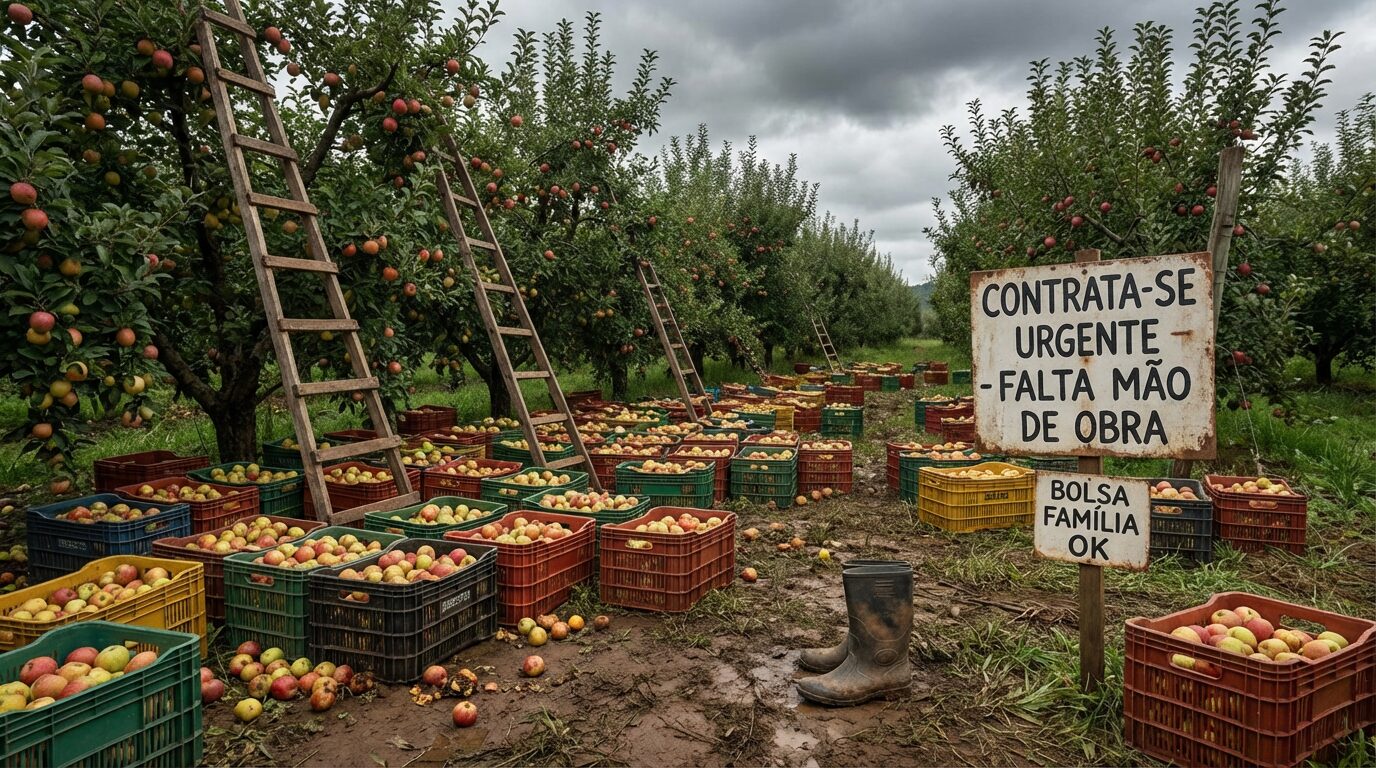


Apple Sector Projects 2025/26 Crop Around 35% Larger, But Reports Losses Due to Lack of Labor. Producers Associate Shortage of Pickers With Fear of Losing Social Benefits. Entities Request That the Government Allow Maintaining the Bolsa Família Even With Formal Employment.
The Brazilian apple production is heading for a 2025/26 more robust harvest, with an estimate of around 1.15 million tons, according to industry projections. The prospect of four times larger exports, close to 60,000 tons, also excited producers at the beginning of the year. However, the weather quickly turned in the fields. With the harvest underway, reports of fruit rotting on the ground have multiplied again.
Videos and testimonials on social media show orchards with fallen apples and reduced teams, insufficient to handle the peak harvest. The situation, more frequent in the Serra Catarinense, has been described as recurring by representatives of the production chain. The problem, producers emphasize, is not limited to one region and has been repeated year after year.
According to the Brazilian Association of Apple Producers (ABPM), the shortage of workers pressures costs, reduces harvesting efficiency, and may increase the price to consumers. The drama is even more sensitive during the weeks of greatest labor demand, when delays result in irrecoverable losses. Without enough hands, part of the harvest may simply not get picked.
-
The sugar-energy sector advances with agricultural technology, but agricultural productivity still raises concerns.

-
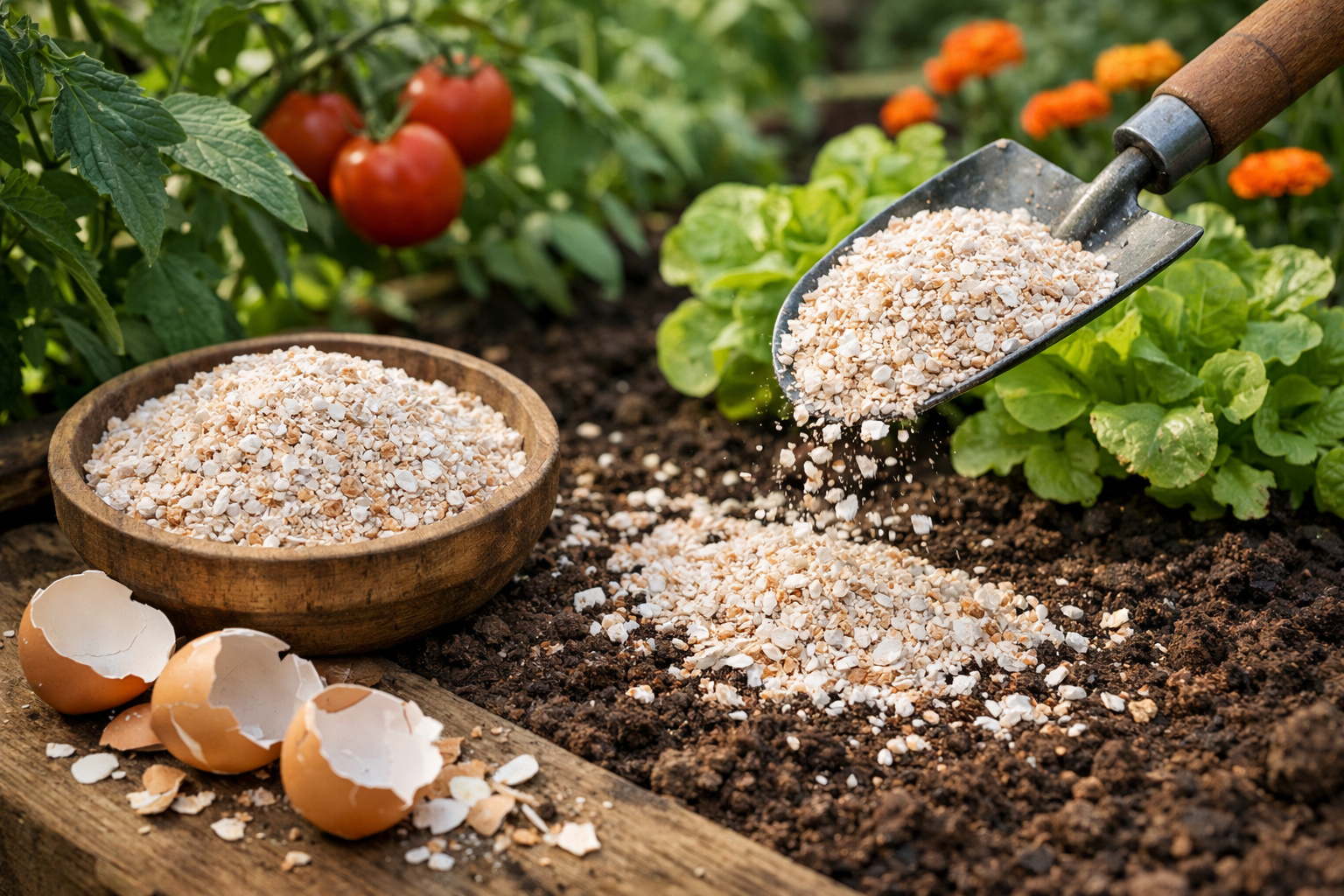
The eggshell that almost everyone throws away is made up of about 95% calcium carbonate and can help enrich the soil when crushed, slowly releasing nutrients and being reused in home gardens and vegetable patches.
-
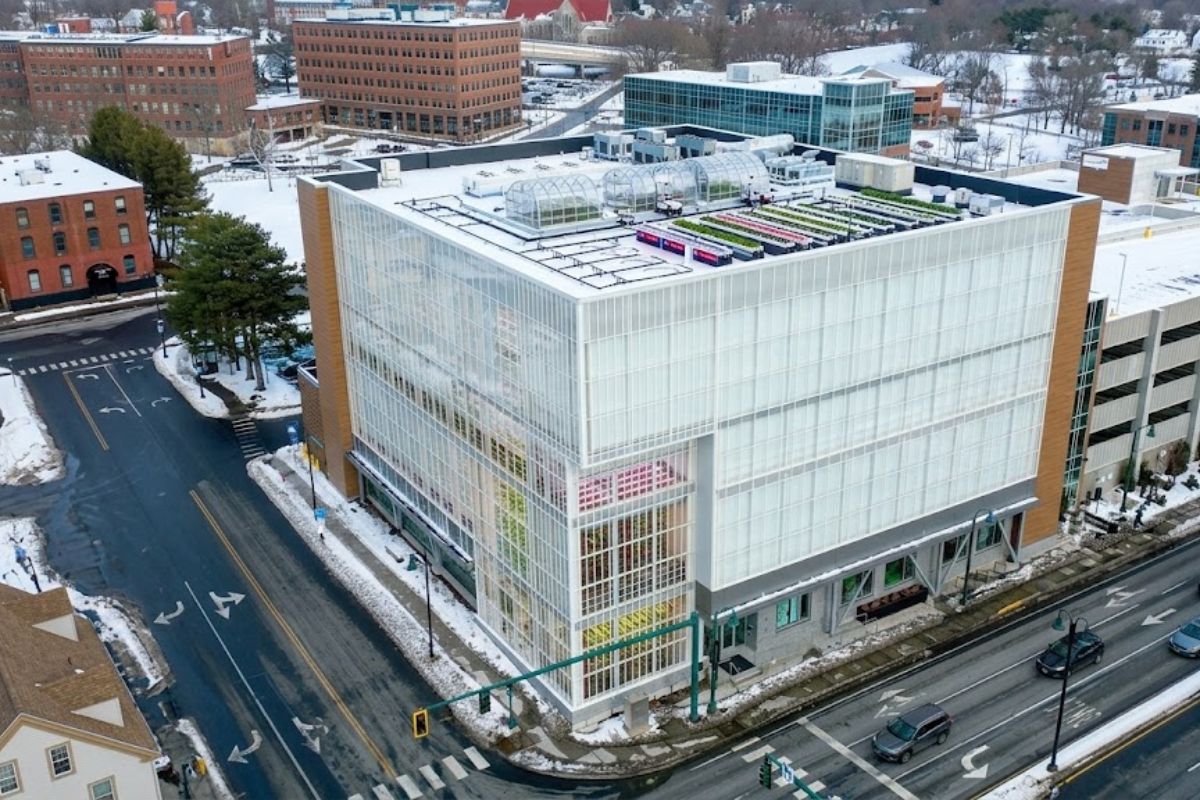
This farm in the United States does not use sunlight, does not use soil, and produces 500 times more food per square meter than traditional agriculture: the secret lies in 42,000 LEDs, hydroponics, and a system that recycles even the heat from the lamps.
-
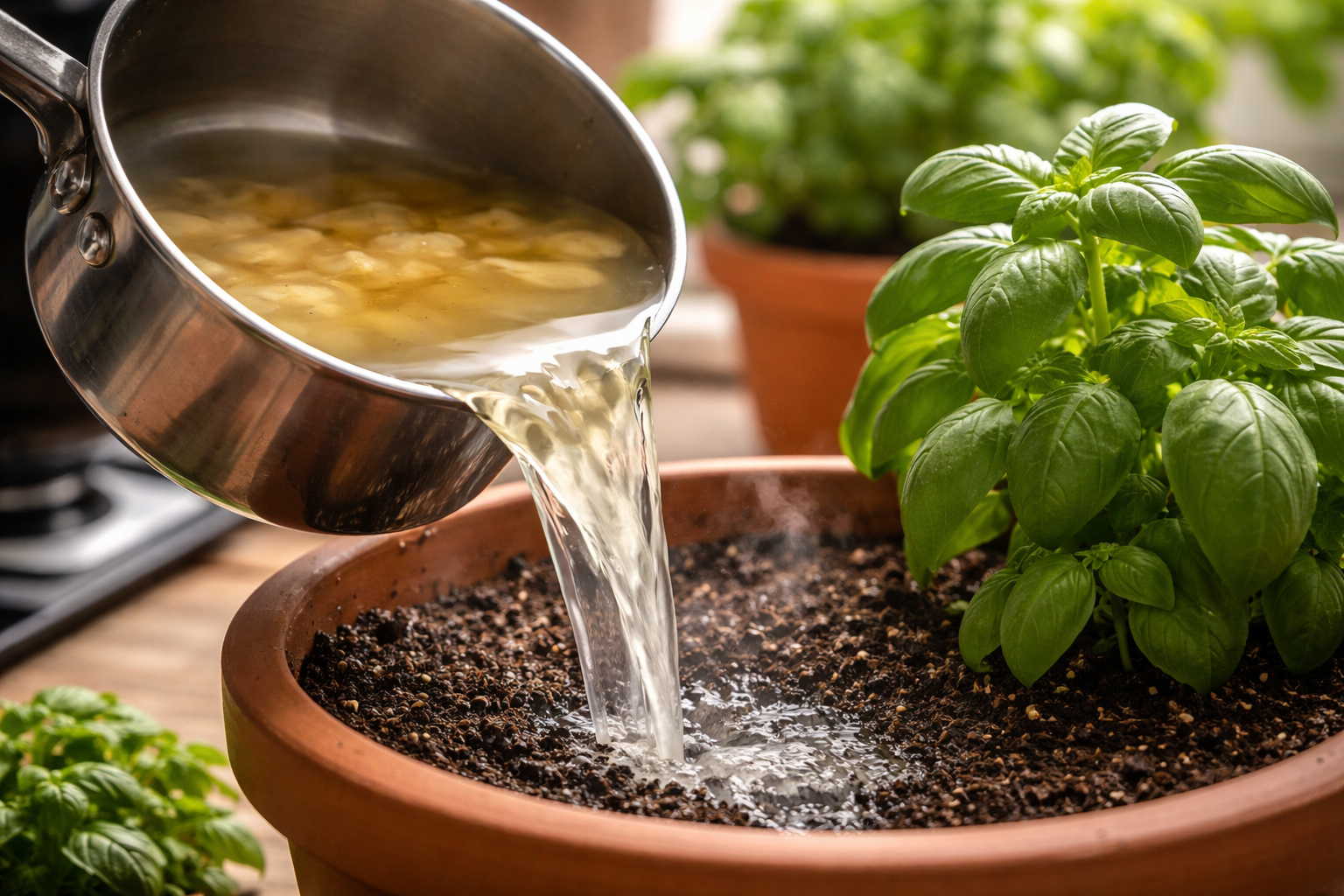
The water that almost everyone throws away after cooking potatoes carries nutrients released during the preparation and can be reused to help in the development of plants when used correctly at the base of gardens and pots, at no additional cost and without changing the routine.

The sector is formulating a response that includes public policies and adjustments to incentives for seasonal work. The central proposal is to allow beneficiaries of social programs, such as the Bolsa Família, to maintain their benefits even with a formal contract during the harvest. Entities argue that this would reduce the fear of income loss and attract more people to the orchards.
Larger Harvest, Stalled Collection, and Losses Affecting Producers and Consumers
ABPM reports that the insufficiency of teams at the peak of the harvest causes fruit to exceed its optimal picking point, degrading quality and value. When delays are longer, apples fall and become direct losses on the orchard floor. According to the organization, this situation has been repeating more frequently, even with investments in management and organization of work fronts.
The impact does not stay only with producers. Part of the inefficiency costs tends to propagate through the chain and may reach the shelves, putting pressure on the final price. For ABPM, reducing the bottleneck of labor is fundamental to stabilize costs and preserve competitiveness.
Sector Points to the Fear of Losing Benefits as a Brake on Hiring and Suggests Maintaining Programs with Signed Contracts
The executive director of ABPM, Moisés Lopes de Albuquerque, states that the entity identified as the main obstacle the fear of beneficiaries of social programs losing their aid if they accept formal work. According to him, this fear hampers adherence to temporary employment, precisely when the orchards need it most.
As an alternative, ABPM advocates that the federal government authorize the maintenance of benefits even when a signed contract is in place during the harvest. The sector’s reading is that this security would allow many to enter the formal seasonal market, increasing family income without giving up social protection.
Albuquerque argues that the solution would help reconcile income protection with regional development. By encouraging participation in agricultural work, there would be gains for producers, workers, and municipalities, with more economic activity circulating.
The sector emphasizes that there are formal vacancies with all rights guaranteed and logistical support, which would reduce access barriers. Nonetheless, without a calibration of the rules for maintaining benefits, adherence remains below necessary levels to cope with the harvest peak.
Contacted, the Ministry of Labor and Employment (MTE) had not responded by the time of publication. The space remains open for a statement.
What Do the Bolsa Família Rules Say About Formal Employment and Program Continuity
According to the Ministry of Development and Social Assistance (MDS), the Bolsa Família has since 2023 the so-called protection rule, which allows families that increase their income through formal employment to remain in the program for up to 24 months, receiving 50% of the benefit amount, provided that the current income criteria are respected. According to MDS, there is also a mechanism for guaranteed return should income drop again during this period.
The productive sector argues that despite these instruments, doubts and fears persist among potential seasonal workers, especially concerning income proof and the duration of short contracts. Therefore, it calls for clearer communication and, if necessary, specific adjustments for seasonal activities, reducing the uncertainty that deters candidates at the peak of the harvest.
In the Field, Offered Salaries and Daily Harvest Bottlenecks
In Urubici, in the Serra Catarinense, producer Mariozan Correa reports having hired 10 workers this harvest, when ideally at least 12 would be needed for his 14 hectares. He claims to pay according to CLT, with salaries between R$ 2,500 and R$ 3,000 and, for trusted individuals, extending contracts beyond the harvest for work on the farm.
Correa says that in the last three years, it has become more difficult to assemble teams, especially with declining interest from workers coming from other states. According to him, some candidates avoid short contracts for fear of affecting social benefits, which hinders the flow of people precisely when the harvest requires speed.
In addition to the fruit volume, there are differences among cultivars. The fuji apple requires more intense harvesting because it ripens more quickly on the tree, while the gala has a slightly longer cycle, providing some flexibility. When labor is lacking, the fuji suffers more and concentrates losses in the orchards.
Technology Helps, But Does Not Replace Human Hands in Apple Harvesting
According to ABPM, the sector has invested in harvesting platforms, modern orchard management, and automation in the industrial stage, which improves productivity and safety. These advances relieve pressure but do not eliminate the need for well-sized teams at the peak of the harvest.
As the entity recalls, there is no technology at scale in the world capable of fully replacing human hands in the apple harvesting in the field. The precision and care to avoid damage to the fruit still depend on the work of a trained picker.
Chain Effects in the Regional Economy and Next Steps in the Debate
ABPM assesses that the reduction of activity in orchards contaminates the entire chain, reducing demand for inputs, services, and transportation. This impacts local commerce and suppliers, with repercussions on indirect jobs and municipal revenue.
To mitigate the situation, producers advocate for coordination between ministries to clarify the Bolsa Família rules and adjust specific points for seasonal work. The expectation is that, with predictability and direct communication with communities, more people will accept formal contracts during the harvest, reducing losses and stabilizing prices.
The debate will continue in the coming months while the sector tries to save the potential of a larger harvest and translate volume into income. The solution, interlocutors agree, involves uniting social protection and incentives for work in the field.
Leave Your Opinion Should the Bolsa Família be fully maintained for those accepting formal employment in the harvest, or does the protection rule already solve the problem? Is the lack of labor a result of the program’s design or failures in seasonal hiring? The topic affects income, prices, and public policies, and your comment helps enrich the debate.









Sempre falo isso, na construção civil tá a mesma coisa, a bolsa família e este governo tá para acabar com tudo, no nosso Brasil
O motivo não é o bolsa família o motivo é o preconceito a ignorância a falta de empatia dos produtores de Santa Catarina que estão sempre dizendo que odeiam o nordeste que são **** e não gostam de trabalhar.
Que santa catarina é diferente que só tem branco e descendentes de europeus. Então façam o seguinte coloquem suas famílias pra colher maçãs vcs nao tem filhos e NETOS? porque vcs ficam dependentes de **** que não gostam de trabalhar. Colham vocês mesmos suas maçãs vocês não são o exemplo de trabalhadores para o Brasil?
Vão trabalhar cagabundos e não queiram dizer onde é quando o povo deve trabalhar.
Estou muito feliz em saber desta notícia.