





 Portuguese
  English
  Spanish
  5 min of reading
  0 comments


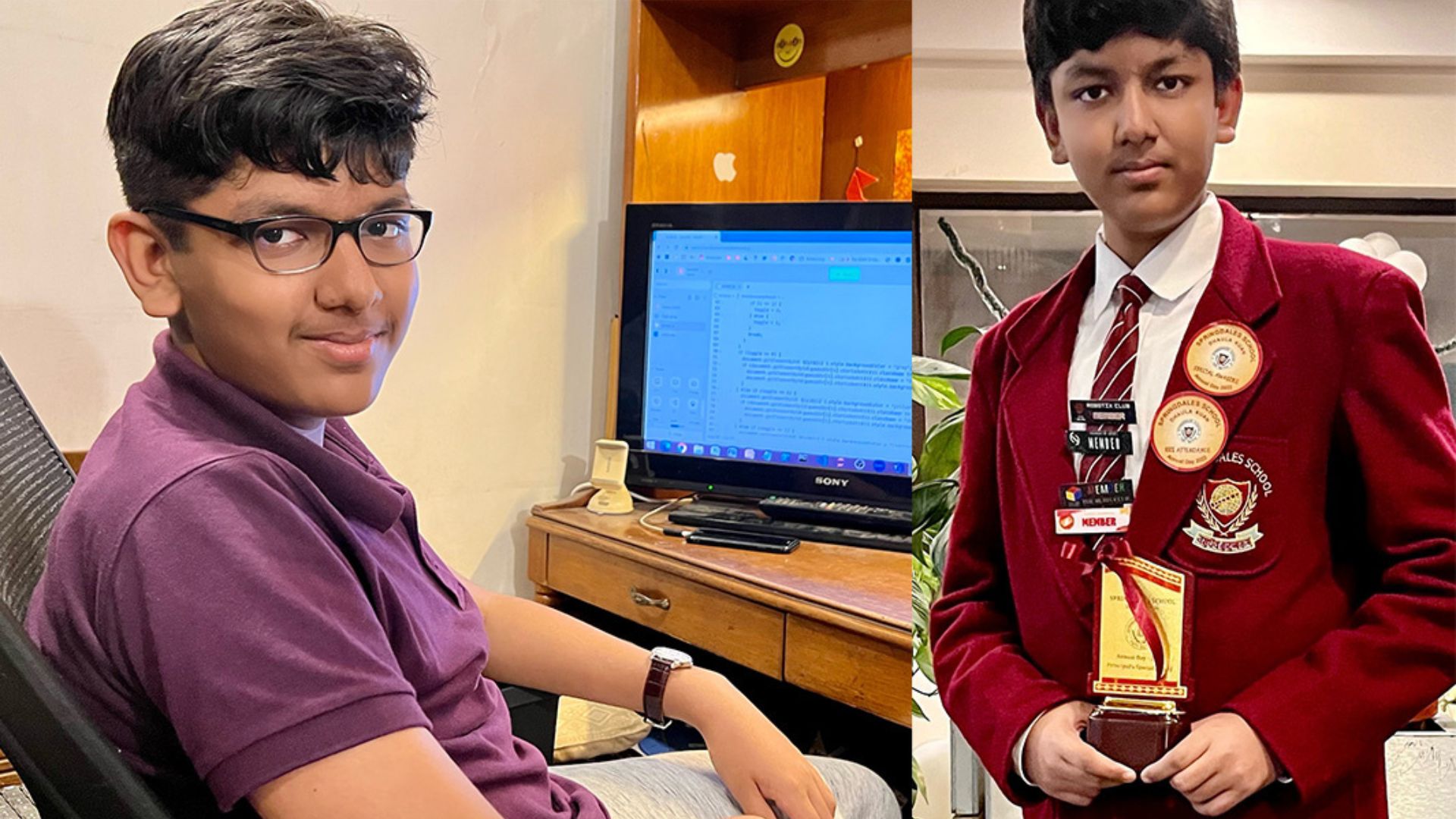
World Record in Programming at 8 Years Old Puts Precocious Talent at the Center of Discussion About Child Exposure, Performance Pressure, and Limits on Technology Use in Childhood in an Increasingly Digital Visibility Scenario.
An Australian boy has been recognized by the Guinness World Records as the youngest person to program computers in the male category, at 8 years and 307 days, following verification in Melbourne, Australia, according to the record published by the organization itself.
The title was awarded to Noah Williams, who was born on October 5, 2016, according to Guinness, and had the record validated on August 8, 2025, information that helps to situate the case in the recent debate about child exposure and technology.
In the introductory text of the record, Guinness also states that Noah is a member of Mensa and describes how he writes code “at a professional level,” in addition to noting that the goal of breaking the record was a personal and intellectual challenge.
-
Friends have been building a small “town” for 30 years to grow old together, with compact houses, a common area, nature surrounding it, and a collective life project designed for friendship, coexistence, and simplicity.

-
This small town in Germany created its own currency 24 years ago, today it circulates millions per year, is accepted in over 300 stores, and the German government allowed all of this to happen under one condition.

-
Curitiba is shrinking and is expected to lose 97,000 residents by 2050, while inland cities in Paraná such as Sarandi, Araucária, and Toledo are experiencing accelerated growth that is changing the entire state’s map.

-
Tourists were poisoned on Everest in a million-dollar fraud scheme involving helicopters that diverted over $19 million and shocked international authorities.


Child Programming Record and Guinness Criteria
Records involving children often gain traction because they combine surprise and easy circulation on social media, especially when the achievement is linked to a skill associated with the adult world, such as programming, data science, or other technological areas.
At the same time, the statement “the youngest person to program computers” can be interpreted in different ways by different audiences, as “programming” can encompass everything from basic logic exercises to more complex projects in professional languages and environments.

Guinness’s choice to emphasize the “professional” nature of code writing contributes to amplifying the impact of the story, but does not clarify, by itself, what parameters were used to classify the technical level of what was evaluated.
Precocious Talent, Viralization, and International Visibility
The international reach of these narratives often depends less on long explanations and more on visual elements and impactful phrases that cross languages, which causes relevant details to take a back seat when the content begins to be replicated en masse.
In these situations, the child tends to be presented as a symbol of future and productivity, while practical questions about routine, free time, socialization, and data protection emerge later, when the story has already circulated beyond the family’s control and any original context.
Without assigning intentions, the logic of viralization creates a known effect: the greater the engagement, the greater the pressure for continuity in performance, as the audience and algorithms begin to expect new milestones, new demonstrations, and new validations.
Child Rights and the Importance of Rest
In discussions about performance in childhood, organizations related to rights and protection remind us that healthy development is not limited to measurable outcomes, and that rest, leisure, and play are part of the very notion of rights, not just preferences.
The Convention on the Rights of the Child stipulates, in Article 31, the right to rest and leisure, including participation in play and recreational activities appropriate to age, as well as access to cultural life and the arts.
When a technological record is framed as an example of high performance, this point tends to re-emerge because the discussion ceases to be solely about capacity and begins to involve the balance between stimulation, protection, and the preservation of non-productive spaces.
Digital Exposure and the Sharenting Debate
The repercussions of a child record also shift the focus to privacy since online presence tends to be lasting and replicable, with copies and snippets that may remain accessible even after deletions on original profiles.

The UNICEF defines “sharenting” as the practice of parents sharing content about their children online and recommends more conscious decisions about what to post, taking into account privacy, consent, and identification risks.
In guidelines aimed at families, the same organization highlights that the intention to celebrate can coexist with side effects, especially when personal information accumulates over time and forms an involuntary public portrait of the child.
Pediatric Recommendations on Digital Identity
The American Academy of Pediatrics, through HealthyChildren, publishes specific guidelines for parents and caregivers to reflect before posting, suggesting practical questions about the content, the audience, the future impact, and the permanence of the information.
In another material about digital habits, the organization also recommends considering the child’s consent when possible and highlights that photos and accounts may carry sensitive data, such as location and routine, even unintentionally.
The same perspective appears in resources about family media planning, advocating for rules adjusted to age and context, with space for sleep, study, socialization, and leisure, along with revisions as the child grows.
Screens, Learning, and Balance in Childhood
Noah Williams’s case inevitably touches on the conversation about screens, as programming is typically done on a computer, but experts and medical entities have argued that the debate should not be limited to counting hours but rather to context.
Guidelines and tools related to the American Academy of Pediatrics reinforce that media use can be planned in a personalized way, preventing screens from taking the place of essential activities and setting clear limits for different times of the day.
Even when screen time is associated with learning, the discussion about balance resurfaces because the boundary between study, hobby, and public exposure can blur, especially if the narrative turns into a continuous showcase on social media and during interviews.
Child High Performance and Pressure for Results
By endorsing a milestone linked to technology and intelligence, the Guinness provides an internationally recognized seal that often functions as a narrative shortcut, reducing a journey to a number and an easily shareable title.
This format, on the other hand, tends to shift the conversation to broader social expectations, as programming is associated with opportunities and status, which can stimulate comparisons and create symbolic pressure on other children and families.
Noah’s case, described by Guinness as the result of a personal challenge, also highlights how institutional recognition can amplify a child’s visibility, with effects that surpass the technical achievement and venture into the realm of digital identity.
Between the fascination with precocious talents and the concern for exposure and pressure, the debate on public and private limits in celebrating children’s achievements remains present, especially when international recognition, technology, and childhood occupy the same visibility space.









-

Uma pessoa reagiu a isso.