





 English
  Francês
  Alemão
  Italiano
  Japonês
  Norueguês
  Portuguese
  Spanish
  5 min of reading
  1 comment


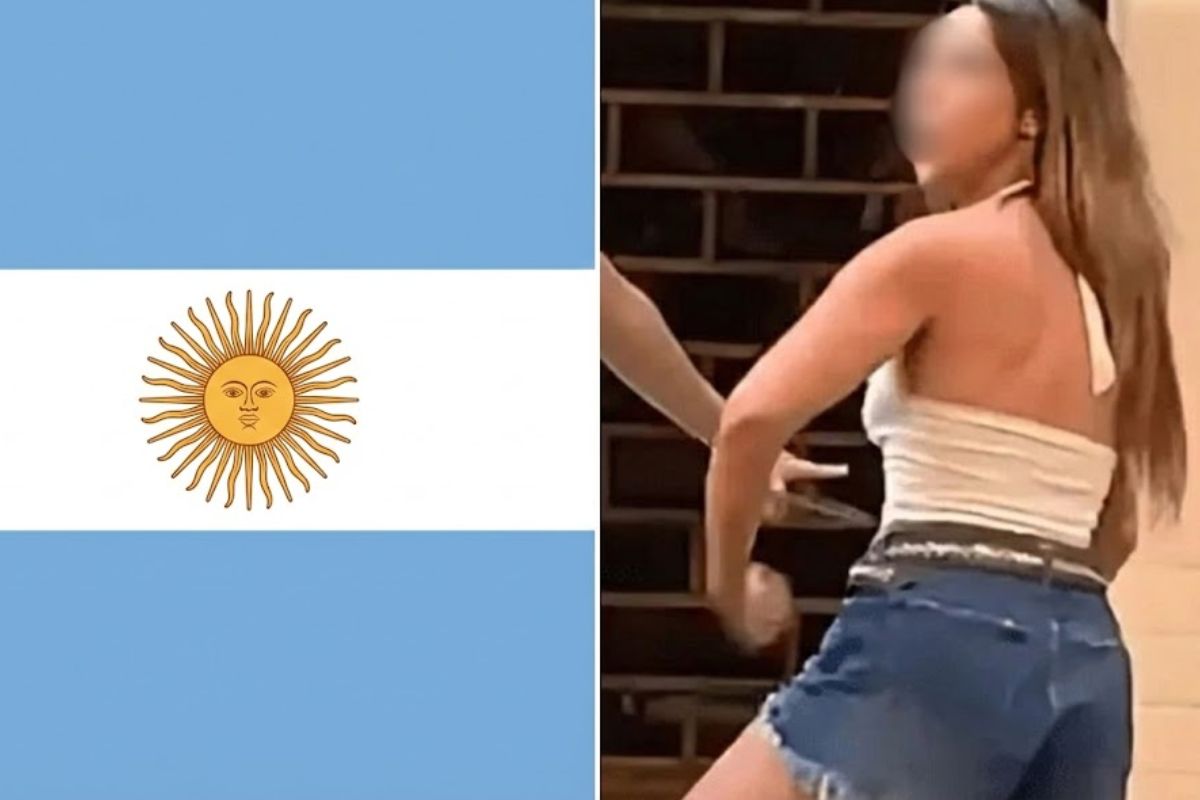


A Supposed Boycott Campaign by Argentinians Against Brazil Gained Traction After a Lawyer Was Detained in Ipanema, Accused of Racial Insult for Making Gestures Against Waiters. The Online Reaction Mixed Criticism of Brazilian Legislation, Attacks on Minorities, and Ironic Responses from Brazilians, with a Tough Message from Erika Hilton.
The boycott began to be cited as an immediate response, in a tone of outrage, after the arrest of an Argentine lawyer suspected of making racist gestures towards waiters in a restaurant in Ipanema, Rio de Janeiro. The case went beyond the local environment and became fuel for heated discussions on social media.
Within a few hours, the narrative fragmented: part of the users in the neighboring country criticized Brazilian legislation, while some went beyond that to attack minorities, as Brazilians reacted with sarcasm and disapproval. Amid this, Erika Hilton used the controversy to deliver a direct political message.
What Happened at the Ipanema Restaurant
The episode that gave rise to the boycott wave began with the detention of an Argentine lawyer, identified as a suspect of committing racial insult against waiters inside a restaurant in Ipanema. The suspicion involves the reproduction of gestures associated with racist offense, reported as witnessed by employees and customers.
-
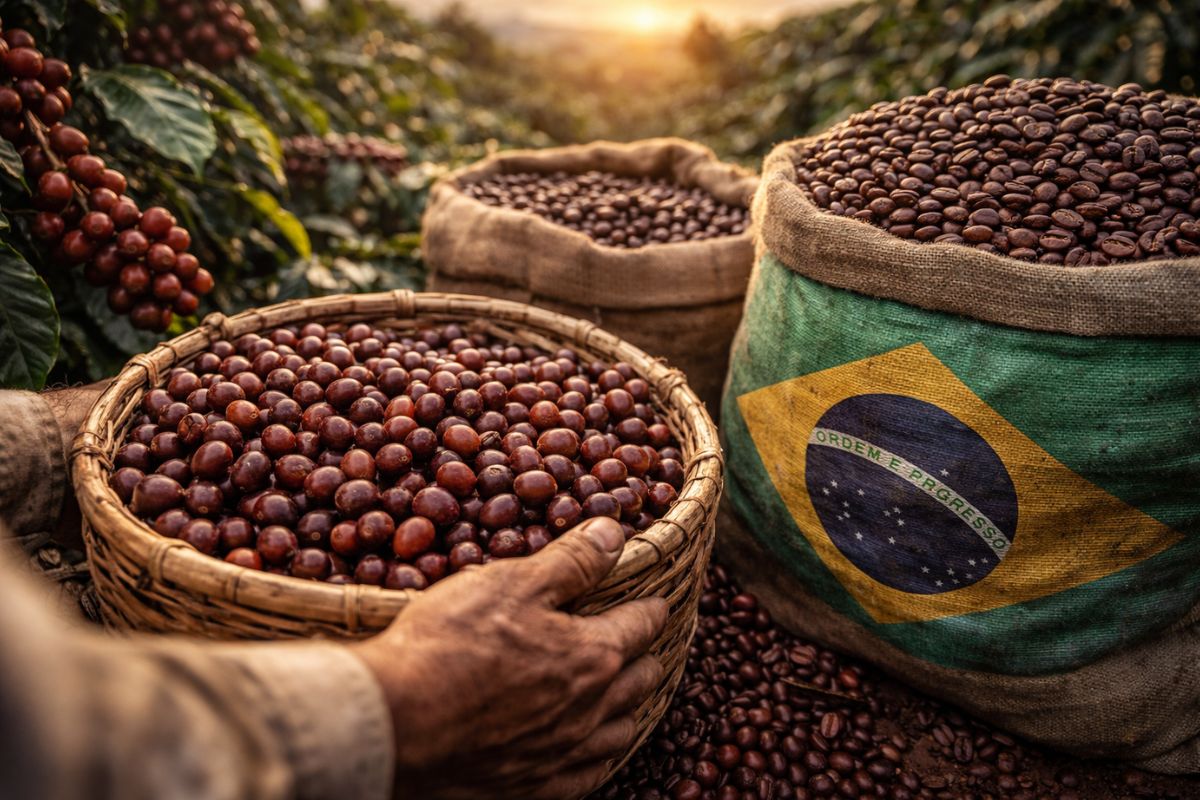
Brazil is the largest coffee producer in the world, but four foreign companies control more than half of the domestic market, including brands that you probably have in your kitchen like Pilão, 3 Corações, Melitta, and Nescafé.
-
Expansion of Federal Institutes: 38 new campuses and R$ 200 million for public education; see the cities included.
-
Lula’s government changes rule in important benefit and thousands of Brazilians will no longer receive it; see what has changed.
-
New Gripen fighter makes Argentines surrender to Brazil, and the heavy reaction exposes envy, frustration, and shock at Brazil’s technological leap.


The central point here is that the accusation did not remain in the realm of online “interpretation”: the situation was described as observed by people on site, which heightened the gravity of the debate and helped accelerate the repercussions.
From there, the case ceased to be just a specific conflict and became a symbol disputed by different groups on social media.
How the Idea of Boycott Spread and Why
The circulation of the boycott gained strength because it combined three elements that tend to go viral together: an episode with strong emotional charge, a police development, and the sense of “us against them” among profiles that organize in digital bubbles.
When an arrest becomes part of the narrative, the topic tends to gain layers of moral judgment, often before any broader investigation.
On social media, boycott works as a mobilization shortcut: it is a simple word, easy to repeat, that gives the appearance of immediate collective action.
Even when the campaign is “supposed” or limited to a group, the term creates the impression of a large movement, and this, in itself, generates new reactions, driving the cycle of engagement.
When the Discussion Turns into an Attack on Minorities
With the repercussions, publications emerged that surpassed the debate about the specific case and began to attack minorities, expanding the controversy beyond the restaurant.
This shift changes the focus: what could remain centered on an individual conduct turns into a stage for prejudices, with generalizations and provocations seeking adherence through indignation.
At the same time, some comments stated that Brazilian legislation would be “excessively rigid.”
This type of argument tends to appear when the conversation tries to swap responsibility for rule disputes: instead of discussing the offense and its impact, part of the debate migrates to criticism of the system, as if the existence of punishment were the main problem.
The result is an escalation that mixes justice, politics, and intolerance in the same flow of posts.
The Response from Brazilians and the Weight of Irony
On the Brazilian side, the reaction to the boycott was also immediate, with many users mocking the idea and stating that the absence of visitors involved in discriminatory behavior would not harm tourism.
The response, in many cases, came in the typical format of social media: short phrases, sharp humor, and comparisons with episodes of prejudice to delegitimize the “threat” of the boycott.
Irony, however, has two faces: it can function as symbolic defense and social disapproval, but it can also reduce the issue to a fan rivalry, distracting from the main point, the gravity of racist offenses and their effect on those targeted.
Still, the Brazilian reaction showed that the attempt to turn the arrest into “injustice against foreigners” finds resistance when the issue is discrimination.
The Message from Erika Hilton and the Narrative Dispute
Amid the noise, Erika Hilton commented on the case and turned the boycott discussion into a political stance.
She stated that Brazil being “boycotted” due to legislation that criminalizes racism should not be a reason for shame, but rather for pride, even recognizing that justice and laws are far from perfect.
By concluding with the idea that “racists should stay” in their country of origin, the congresswoman shifted the center of the controversy to a moral border message: it is not about tourism or rivalry between countries, but about what behavior is acceptable and what institutional response is expected when there is discriminatory offense.
In practice, the statement also shows how public figures try to reorganize the narrative when the internet pushes the issue toward attacks and relativizations.
What Remains After the Controversy
When a case like this turns into a boycott, the dispute ceases to be just about what happened in a restaurant and becomes about values: what kind of society we want to reinforce, what type of speech gets normalized, and how we react when the discussion devolves into attacks on minorities.
The repercussions show how social media amplify conflicts and reduce nuances, because the algorithm’s reward tends to be the most inflammatory statement, not the most careful reflection.
At the same time, the episode exposes an uncomfortable question: to what extent are criticisms of the law legitimate debate and when do they become a pretext for tolerating discrimination? Ultimately, the boycott becomes just a label for a larger battle over public narrative.
Now I want to hear from you in a very direct way: if you saw a boycott campaign motivated by an arrest for racial insult, what should be the most responsible reaction, to intensify the demand for punishment, prioritize education and awareness, or give zero stage to those trying to normalize attacks on minorities? And what makes you think this way?










I totally agree with Brazil… This type of behavior must be stopped racism is not ok…. If your racist stay at home period.