





 Portuguese
  English
  Spanish
  7 min of reading
  0 comments


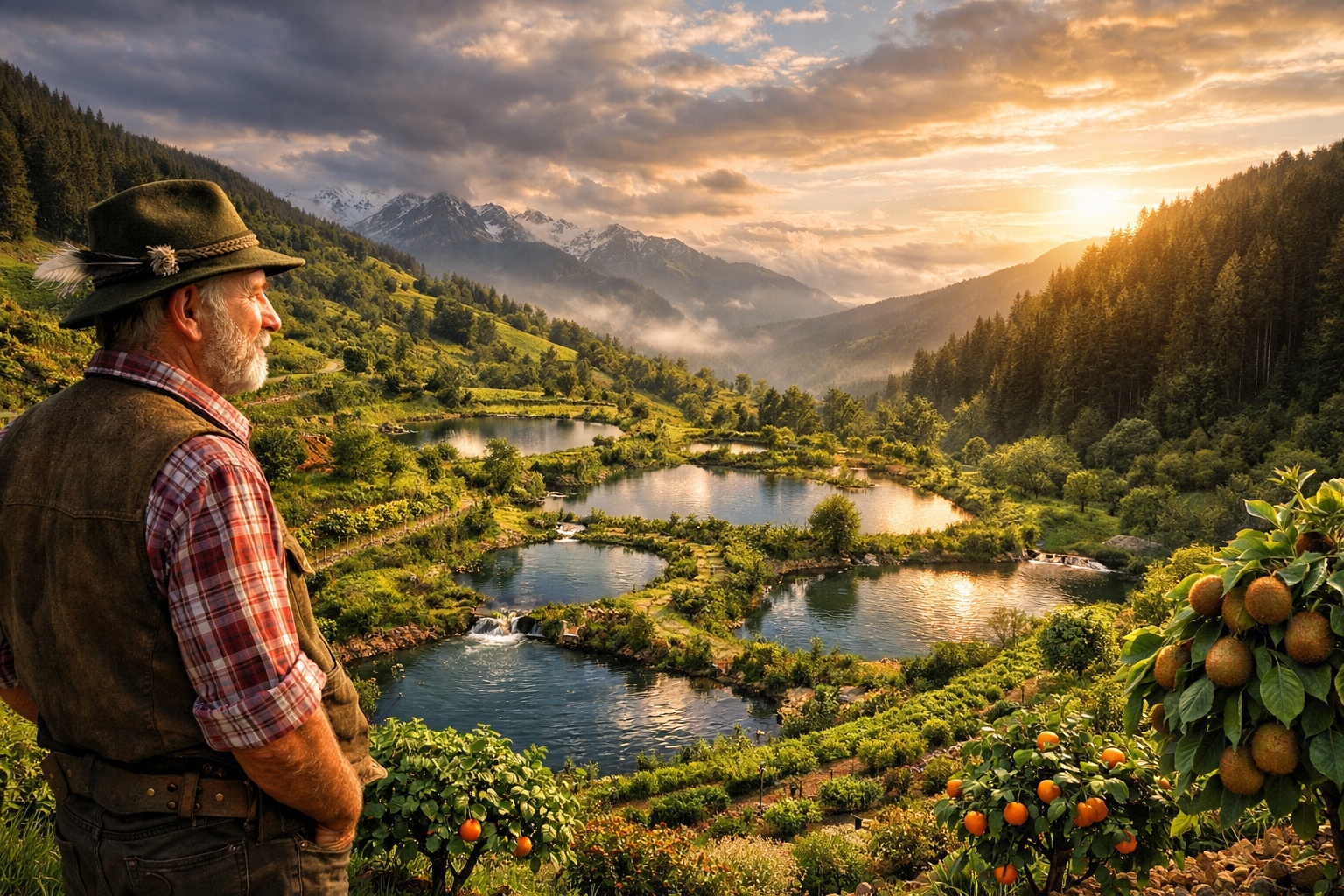
Meet Sepp Holzer, a Farmer Who Transformed a Farm in the Austrian Alps with 170 Days of Frost Per Year into a Global Reference for Permaculture with 72 Lakes and 45 Productive Hectares.
Josef “Sepp” Holzer was born in 1942 on a mountain farm in the Austrian Alps called Krameterhof. The region is nicknamed the “Mini-Siberia of Austria” with 170 days of frost per year, of which 50 are days with temperatures below zero the entire day. Average precipitation of only 800 mm annually. Average annual temperature of 4°C with winters reaching -20°C.
Conditions considered absolutely unsuitable for agriculture. Neighboring farms only planted monocultures of pine trees that acidified the soil, making it unproductive. No one could cultivate anything beyond a few potatoes and cold-resistant cereals.
But Sepp Holzer did not accept these limitations. At 19 years old in 1962, he took over his father’s 24-hectare farm and started experiments that went against all official agricultural norms. Today, Krameterhof has 45 hectares covered by edible forests, 72 interconnected artificial lakes, and terraced land producing an absurd variety of food. It is considered the most consistent example of large-scale permaculture in the entire world.
-
The sugar-energy sector advances with agricultural technology, but agricultural productivity still raises concerns.

-
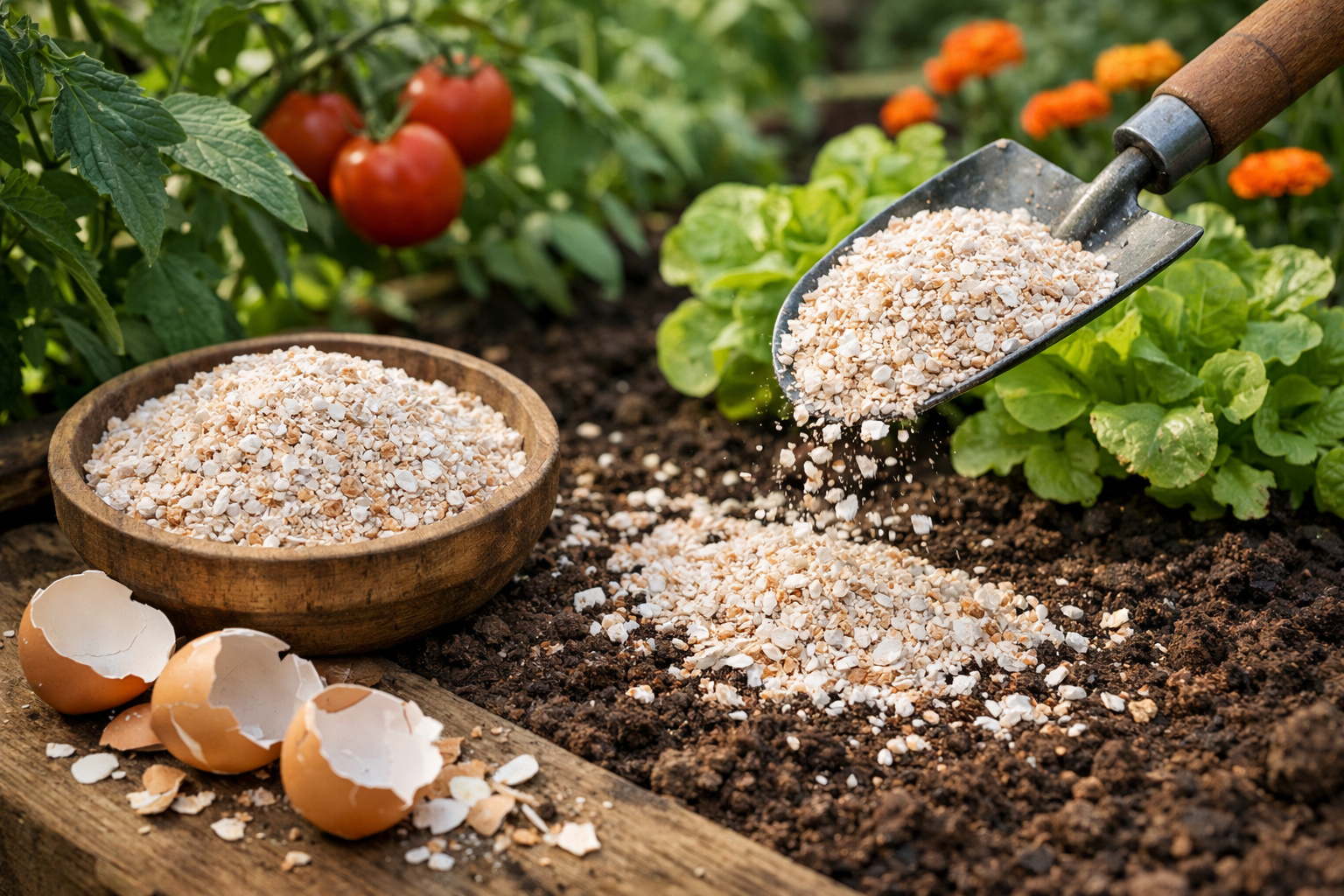
The eggshell that almost everyone throws away is made up of about 95% calcium carbonate and can help enrich the soil when crushed, slowly releasing nutrients and being reused in home gardens and vegetable patches.
-
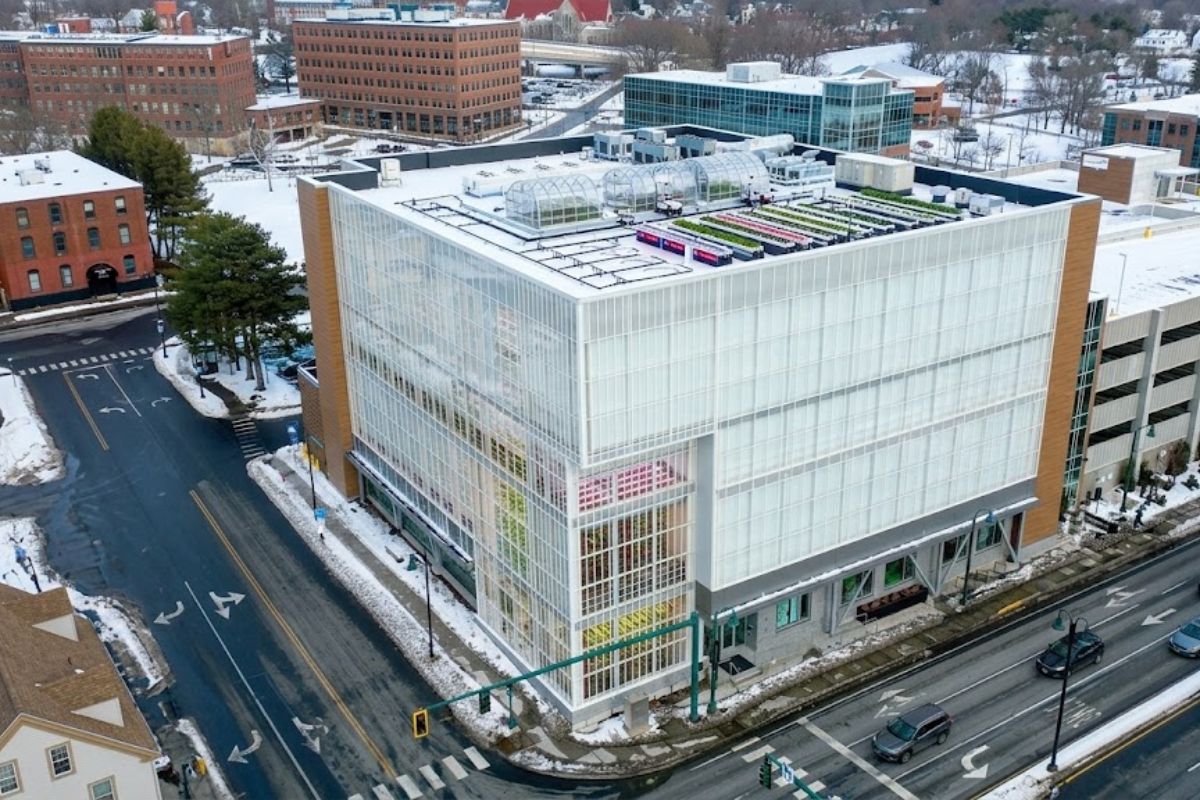
This farm in the United States does not use sunlight, does not use soil, and produces 500 times more food per square meter than traditional agriculture: the secret lies in 42,000 LEDs, hydroponics, and a system that recycles even the heat from the lamps.
-
The water that almost everyone throws away after cooking potatoes carries nutrients released during the preparation and can be reused to help in the development of plants when used correctly at the base of gardens and pots, at no additional cost and without changing the routine.


Threatened with Imprisonment for Not Pruning Trees
Holzer was called a “rebel farmer” because he persisted in practices that contradicted regulations. He was fined repeatedly. He was even threatened with imprisonment for offenses such as building lakes without plastic lining and not pruning fruit trees as required by law.

Authorities claimed that unpruned trees would break under the weight of the snow. Holzer proved the opposite. Trees that grow following natural patterns develop stronger and more flexible branches that survive snow loads that would break pruned trees. His fruit trees not only survived but thrived at altitudes where they should not exist.
He battled existentially threatening lawsuits for years. He documented everything in the bestselling book “Der Agrar-Rebell” (The Rebel Farmer) from 2002. But he persisted because practical observations since childhood showed that nature has its own logic that surpasses bureaucratic rules.
System of 72 Interconnected Lakes
Holzer’s genius lies in the lakes. He built 72 over the decades without using any artificial linings. He developed his own technique to seal any type of soil using only natural materials.
He digs with an excavator separating fine soil from coarse soil. Coarse soil forms compacted walls. With 30-40 cm of water at the bottom, he uses the vibration of the bucket to compact fine sediments creating a natural impermeable layer. It works on practically any terrain.

The lakes follow springs that cascade down from the top of the mountain, descending by gravity through an interconnected system. Each lake drains into the next below using his own invention called the “Holzer Monk”. It is an L-shaped tube with an adjustable elbow that controls the water level and oxygenates through a vortex while water descends.
Water percolates slowly through the earth, mineralizing and purifying while saturating the land. The stored moisture creates pathways for fungal mycelium to establish themselves. Krameterhof hosts over 30 different types of edible and medicinal mushrooms that store moisture and distribute nutrients.
Lakes as Solar Reflectors
Holzer created some of the best examples in the world of using lakes as reflectors to increase passive solar gain. The water surface reflects sunlight, creating warmer microclimates around the edges even in frozen alpine altitude.
He strategically positions lakes considering the wind. He shapes elongated lakes in the direction of the wind to increase air exchange in the water, allowing for more aquatic life. He places living barriers against the wind using Hügelkultur (raised beds with buried wood), creating even warmer pockets.
Rocks act as thermal masses absorbing heat during the day and releasing it at night. The combination of water reflecting sunlight, rocks storing heat, and barriers blocking cold wind creates completely different hardiness zones separated by just a few meters.
The result? Holzer grows kiwis, sweet chestnuts, even oranges and lemons at altitudes where temperatures drop to -20°C in winter. Rocky areas host heat-loving plants like pumpkins and even citrus fruits. Impossible according to agronomy books. But it works in practice.
Aquaculture of 30 Varieties of Fish
The 72 lakes are not just for creating microclimates. They are productive aquaculture. Holzer created systems that host over 30 different varieties of fish, crayfish, water lilies, and various plants.
He started with typical cold-water alpine trout. Then he experimented with carp, perch, and even exotic species when warmer microclimates allowed. Some lakes even hosted crocodiles in extremely ambitious youth experiments.
Clean water, oxygenated by the monk system cascading between lakes, allows for a high density of life. Fish feed mainly on insects and natural organisms in the ecosystem. Little need for external feed. The system is practically self-sustaining.
Terraces and Polycultures Without Irrigation
In addition to the lakes, Holzer built an extensive terrace system on the steep slopes. He uses an excavator to create platforms that retain soil, preventing erosion, creating cultivable surfaces, and forming zones with different microclimates depending on solar exposure and winds.

He plants dense polycultures mixing fruit trees, shrubs, cereals, vegetables, and herbs. He replaces neighboring monocultures of pines with edible forests of oaks, maples, alders, fruit trees, and nuts. Incredible variety of fungi, including porcini, shiitake, and others obtained through simple and immediate methods.
About 40 varieties of potatoes that can hibernate under snow. Sweet potatoes that require very warm climates grown in special raised beds. Cereal bands. No artificial irrigation. The system entirely depends on moisture retained by the lakes and the structure of the soil.
Rare animal and plant species integrated into the farm. Endangered breeds of cattle, pigs, chickens, geese. Deer in parks. Apiaries. Snail farm. Everything works together in extreme biodiversity.
University Certification in 1995
In 1995, professors and students from the University of Natural Resources and Life Sciences in Vienna visited Krameterhof. Dr. Bernd Lötsch and his team heard about Holzer’s “wild culture” and wanted to verify it.
Holzer showed special cultivations and explained connections and interactions between sectors and land uses. Enthusiastic about the creativity of the stubborn farmer, they certified that Krameterhof meets permaculture criteria exemplarily.
Dr. Lötsch: “Naturally, Holzer’s Garden of Eden is not ‘wild nature’. But as it was designed to require the least amount of work possible, it is also not ‘genuine culture’. It is a unique intermediate something.”
The university legitimized decades of work against the grain. Krameterhof became internationally recognized as the most consistent example of permaculture on a commercial scale in the world. Curious nature enthusiasts began visiting by the thousands.
International Consultant on 4 Continents
The success of Krameterhof transformed Holzer into a sought-after international consultant. He has worked on landscape restoration and ecological agriculture projects around the world since the 1990s.
Major projects include positive landscape changes in Extremadura, Spain; Tamera in Portugal; and Kallispel in Montana, USA. Since 2012, he has been living with his wife Veronika, creating another paradise at Holzerhof in Burgenland, Austria.
He is treated like royalty in Ukraine and Russia, where he helps develop ecovillages inspired by the Anastasia movement. At 82 years old, he remains enthusiastic, sharing his vast experience with nature enthusiasts of all ages.
He constantly consults and travels the world. A keen friend of plants, animals, and humans driven to help planet Earth become as green and fertile as possible for everyone to thrive.
Exceptional Economic Success
Krameterhof is not just an ecological showcase. It is an economically viable enterprise. Less focus on gross crop yield and more as a functional research station and complete permaculture showcase.
But it produces numerous types of food for the community. Mushroom farm, fish, snails. Deer parks. Fruit cultivations. Apiaries. Much more. Economic success is the exception in the whole region where neighbors struggle to profit from monocultures of pine trees.
Holzer also offers permaculture seminars on the farm and worldwide. Consultations for farmers looking to convert to permaculture. Guided tours on the property with an ever-increasing number of visitors. Seminars on ancient techniques like grinding grain, making bread, and butter. He rents a mountain shelter for those wanting time in nature.
Diversifying income allows the farm to sustain the family while demonstrating that ecological agriculture is not only environmentally correct but economically superior to conventional methods in the long run.
Globally Replicable Legacy
In 2009, Holzer passed Krameterhof to his son Josef Andreas Holzer, keeping the farm in the family. He continues worldwide consulting for the new Holzerhof, demonstrating that principles work in different conditions.
He has written several bestselling books sharing knowledge, including “Sepp Holzer’s Permaculture” and “Desert or Paradise”. He is the subject of the film “The Agricultural Rebel”. Knowledge is not kept but actively disseminated.
The greater value than information is the attitudes he teaches. To observe nature carefully. To work with natural patterns, not against them. To question authorities when practical experience contradicts theory. To persist in the face of bureaucratic opposition. To constantly experiment.
He proved that even in the most inhospitable conditions, regenerative agriculture surpasses conventional methods. It not only survives but thrives, creating abundance where others see impossibility. And he does this profitably while building biodiversity and resilience.









-

-

-

-

5 pessoas reagiram a isso.